




Car Seats on School Buses: The 10 Most Common Mistakes
School bus car seats and CSRS are an integral part of transportation pre-school children. However, if used incorrectly, they won't provide adequate protection. Here are the most common mistakes.
School Bus Fleet
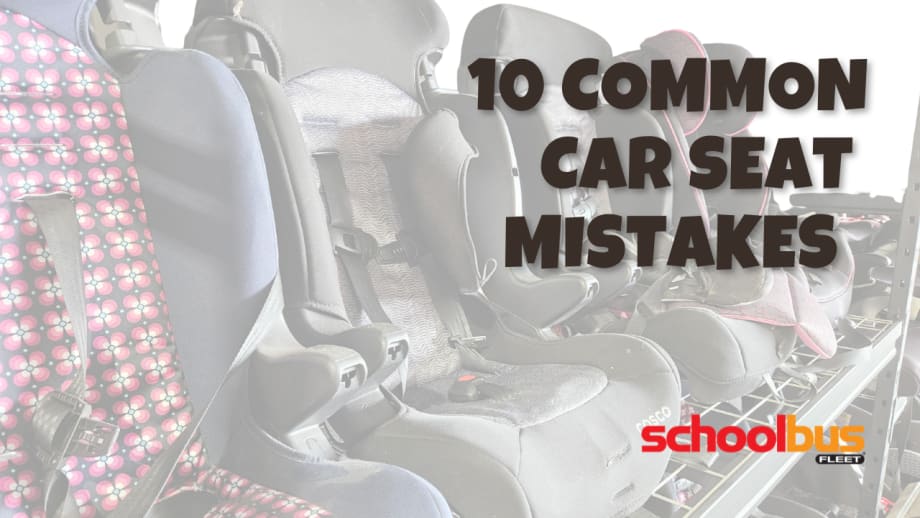
Crash-test results show that preschool-aged students and infants are much safer when transported using a child safety restraint system (CSRS). These systems, classified as any device designed to seat, position or restrain children under 50 pounds, are most effective when they meet Federal Motor Vehicle Safety Standards (FMVSS). If you don’t observe the proper methods for using CSRSs, you will take away the protection children and infants need. The following is a list of 10 mistakes that people make most frequently when securing small children with a CSRS.
1. Placing bus seats too close together
You must have proper seat spacing to ensure optimum protection for small children. This will give them ample distance for leg space. FMVSS 222 allows a maximum spacing of about 24 inches from the seating reference point. The seating space is measured from a passenger’s hip to the back of the seat in front of him. The measurement from the seat crack to the seat in front should be approximately 27 inches. The FMVSS requirements do not mean the entire bus must adhere to the same spacing requirements, but rows using a CSRS need the maximum seating space allowed.
2. Bus seats don’t meet FMVSS 210
It’s important to use equipment that meets minimum federal standards. School bus seats, for instance, must be compliant with FMVSS 210, which mandates proper seat belt anchorage strength. To be crashworthy, a lap belt must be anchored to a seat with reinforced frames.
3. Selecting, using improper systems
Because most car seats are 13 to 18 inches wide at the base, you may not be able to properly install car seats if there are three seat belts per seat. Make sure to spec the non-adjustable end of seat belts to be about 7 inches long, allowing no more than one to two inches from the bight. Non-adjustable ends should be located at the aisle and center positions of the seat, not next to the bus wall. In some cases, this will make it easier to install car seats. The adjustable, longer male end of the belt will extend away from the wall to connect with the female portion. Additionally, belts that are not anchored properly under FMVSS 209 and 210, such as continuous loop belts and belts with loops that only fit over the frame, must not be used to install a CSRS. Other systems, including belts with extra-long webbing on both ends and belts with a built-in retractor on the buckle, will make it difficult to get a tight fit.
4. Incorrect usage
When used properly and in compliance with federal standards, car seats are an effective CSRS for small children. School bus seats were designed for school-aged children, and although the school bus is the safest mode of transportation, preschool-aged children should always ride in a CSRS on the bus. Although child passenger safety technicians know the value of a five-point harness system, a three-point system with a T-shield is an easier, less intrusive installation. A driver or attendant can quickly and easily snap the T-shield into place between the child’s legs. Because school buses don’t have lap/shoulder belts, they cannot accommodate belt-positioning boosters. Many operations use a booster with a shield that only requires a lap belt. These may be used with 30- to 40-pound children but not for children weighing more than 40 pounds. The National Highway Traffic Safety Administration (NHTSA) has not yet released best practice recommendations for safety vests. But if you do use a safety vest, do not seat anyone behind a child who is wearing one. In the interim, a safety vest should be installed with a tether to the frame of the seat behind the child.
5. Incorrect installation
A common problem with car seats is that operators lack knowledge about when to use different types of seats. For example, infants must ride in a rear-facing seat until their first birthday and until they weigh at least 20 pounds. Many seats that may be fine for other vehicles are not recommended for school buses. In any case, you should match a child’s age, height and weight with the appropriate CSRS. Make sure to weigh preschool-aged children regularly to verify that they are riding in the proper seat for their size and weight.
6. Unqualified installers
The consequences of installing a CSRS incorrectly can be dire, so it’s critical to get the right people handling the installations. A child passenger safety technician who is familiar with the school bus environment can provide training for school districts and other operations.
7. CSRS origins unknown
School districts and contractors should provide, maintain and install CSRSs for the preschoolers they transport. Having parents provide their own CSRSs is a potential liability to your operation. When the origins of a seat are unknown, a transporter cannot be sure if the seat was ever involved in a crash, has all of its working parts or is on a recall list. Information you should know about CSRSs includes age and history, availability of parts and instructions for use. Put identification stickers with your operation’s name on CSRSs for proper labeling.
8. Improper maintenance
Assign and train personnel to perform maintenance and check regularly for CSRS recalls. Establish a reliable equipment storage system and keep an inventory log accounting for all CSRSs. If a CSRS is not working correctly, dispose of it immediately to avoid potential injuries caused by malfunctioning equipment.
9. Inadequate evacuation plan
With transporting preschool-aged children becoming more common, operators are now responsible for establishing evacuation procedures for smaller passengers and CSRSs. Most operations practice evacuations with regular school kids, but very few practice with preschoolers. Always have a belt cutter onboard in case of emergency. Practice using it with all drivers and attendants so that they don’t have to learn how to use it during an emergency situation. Also, have them practice dragging a rescue blanket and evacuating a car seat. Drivers and attendants must know how to quickly remove the seat because it’s quicker and safer to evacuate children who remain in their car seat.
10. Insufficient training
In addition to in-house training, other resources are available to train staff in handling car seats. NHTSA currently offers a standardized child passenger safety certification course. The Governor’s Highway Safety Office in each state can provide operations with a list of certified child passenger safety technicians trained in car seat installation and usage. Also, NHTSA is scheduled to release an eight-hour school bus driver training course sometime in the near future.
More Safety
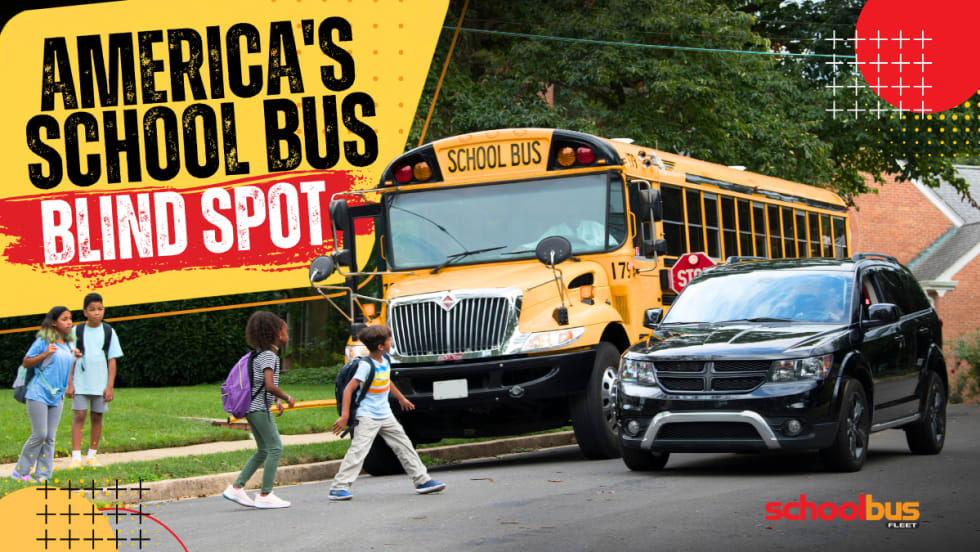
America Has a School Bus Passing Problem — and Distraction Is Making It Worse
Illegal school bus passing remains a major safety threat as distracted driving rises. This op-ed explores why awareness, enforcement, and stop-arm cameras matter more than ever.
Read More →
School Bus Laws to Watch: New York Delays EV Mandate
Plus, federal lawmakers seek new funding for school bus safety as states weigh stop-arm enforcement, disability protections, and education spending.
Read More →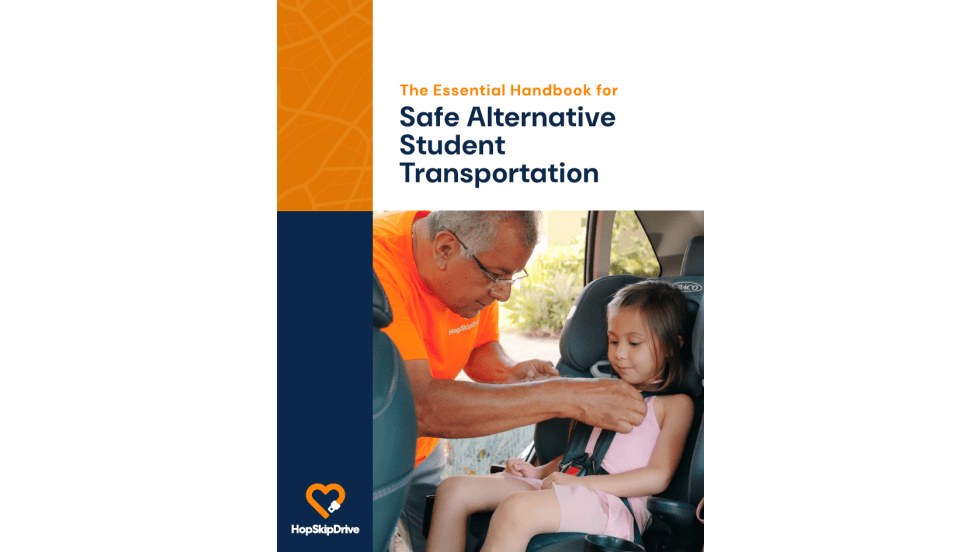
The Essential Handbook for Safe Alternative Student Transportation
Your district's "exception riders" — students with IEPs, those experiencing homelessness, foster care youth — deserve more than a middleman solution. This handbook breaks down exactly what to look for in a supplemental transportation partner: from driver vetting and regulatory compliance to proactive safety technology. Because getting a ride isn't the same as getting a safe one.
Read More →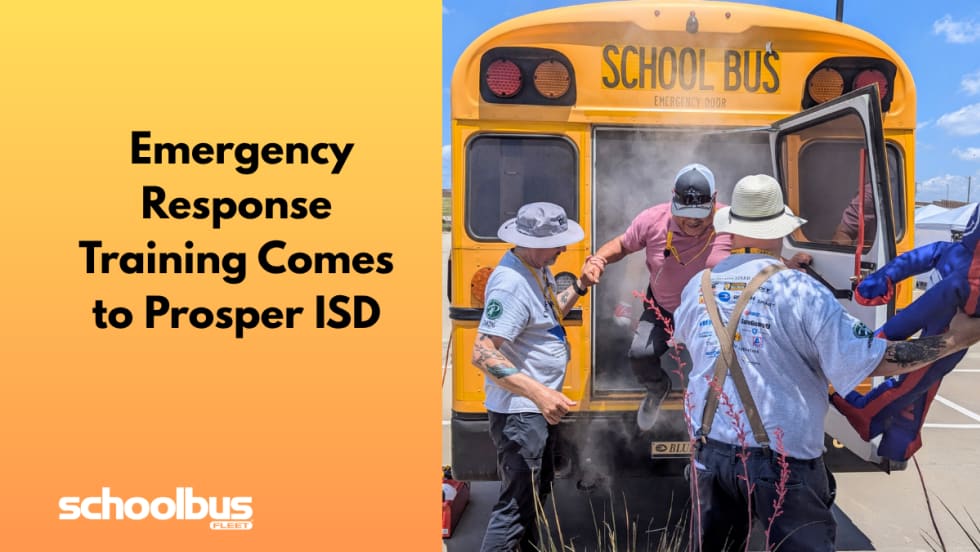
Operation STEER Brings Emergency Response Training to North Texas
Prosper ISD hosted the third annual training for transportation professionals across 67 districts to learn how to respond to emergencies, such as rollovers and evacuations, and proper use of safety equipment.
Read More →
Florida District Relaunches BusPatrol School Bus Camera Program With New Safeguards
After being suspended over due process concerns, Miami-Dade schools and law enforcement are restarting the AI-powered stop-arm camera program with new oversight.
Read More →
School Bus Laws To Watch: Seat Belt Bills, Funding Fights & EV Changes
From national bills on seat belts and driver oversight to driver awareness campaigns referencing “Finn’s Rule” and ongoing transportation funding debates in Alaska, here’s the latest in school bus legislation across the U.S.
Read More →
9-Year-Old Boy Killed by School Bus at Busy Brooklyn Intersection
A Williamsburg community is mourning after a child was fatally struck by a private yeshiva bus, prompting calls for urgent safety improvements at the high-traffic crossing.
Read More →
Does Reliable School Transportation Boost Attendance? EverDriven’s Data Says Yes
The new data shows 99.99% incident-free trips and strong on-time performance, reinforcing how dependable transportation, especially for vulnerable student populations, can help districts combat chronic absenteeism.
Read More →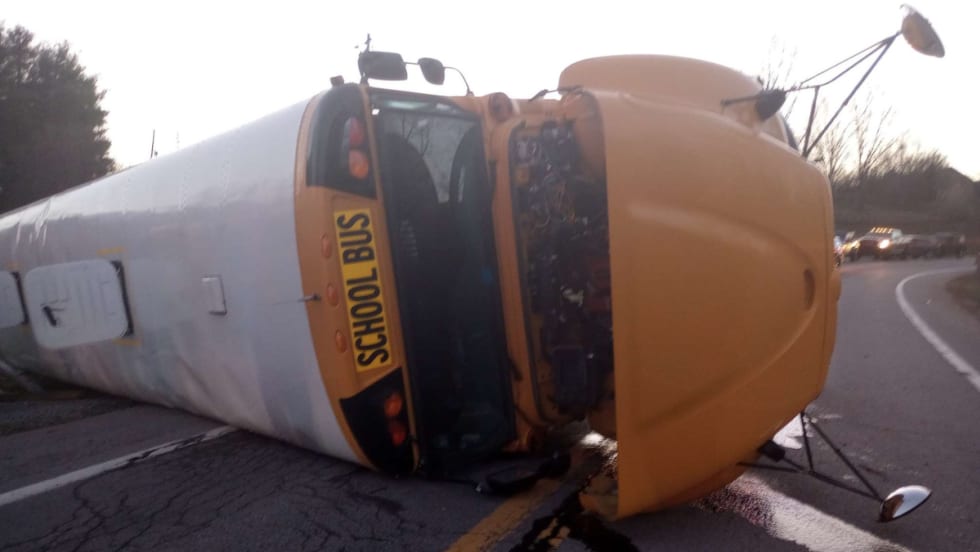
NTSB Calls for Alcohol Impairment Systems, Seat Belts After W.V. Crash Investigation
The federal agency's report asks NHTSA to require all new school buses to be equipped with vehicle-integrated alcohol detection systems and passenger lap-shoulder belts.
Read More →
2026 State of Student Transportation Report
Student transportation teams are being asked to do more with less, facing driver shortages, rising costs, and increasing safety expectations. This report uncovers how fleets are adapting, where technology is making the biggest impact, and why student ridership tracking is emerging as a top priority. Download the report to explore the key trends shaping 2026 and what they mean for your operation.
Read More →