




Should bus drivers be allowed to use cell phones while driving?
That's the question we posed recently in the Forum on SBF's Website at www.schoolbusfleet.com/forum....

That's the question we posed recently in the Forum on SBF's Website at www.schoolbusfleet.com/forum. Here are some of the responses:
They divert driver attention
Two-way radios are difficult enough to pay attention to while driving and they're mounted on the bus body, not tucked under your ear or held in your hand. Dialing, even one-touch, requires you to focus away from traffic for too long. Buses that travel long distances should be equipped with cell phones, but they must not be used while the bus is moving.
Fred Fennell, transportation director
Flagstaff (Ariz.) Unified School District
Keep eyes and hands on the job
I've tried using my cell phone in my car, and that's hard enough. It takes two hands to handle a school bus, and more eyes than we have to watch everything we're supposed to. I sometimes hate using my radio while driving, let alone trying to dial a phone. I carry my cell phone with me just in case I am out of ra-dio range, but to use it I would definitely pull over.
Theresa Nelson, driver
Fairbanks Local Schools
Milford Center, Ohio
Let drivers decide if it's safe
My personal feeling on the use of cell phones is that all bus drivers are trained professionals. I think if the need arises for you to use the phone while driving, do so with caution. I know that I have had to call a parent to get in touch with someone to pick up a student. This was a little tot and there was no way I was letting her off without her ride there to pick her up. So I took her with me and called a neighbor parent to contact someone to meet me on the bus at a later time so I could keep on schedule. But we shouldn't just be chatting for the heck of it while driving. That is a definite no-no.
Barbara Laws, driver
Monroe County Board of Education
Union, W.V.
Even hands-free phones are risky
Absolutely not! New York state lawmakers just passed a law banning all drivers from using hand-held cell phones while driving. If a school bus driver has a legitimate emergency, he/she should pull off the road in a safe location and make the emergency phone call. I strongly feel that a driver should not be allowed to use any type of cell phone, including hands free, while driving. The problem with driving and using the cell phone is not that it's difficult to hold onto the phone. The problem is that it takes a driver's attention away from the task of driving safely.
Delos D. Luther II, transportation supervisor
Beacon City (N.Y.) School District
It's unsafe and bad for image
No! No! No! No phones while the bus is in motion. That's our policy. We supply a cell phone to our drivers who are on field trips. They also have two-way radios, but our policy is to pull the bus over to make a call. We are providing a serv-ice that needs our undivided attention. No excuses. Period. It's bad for business to see a bus driver on a cell phone. Take yourself out of the bus for a moment and put yourself in a passing vehicle, watching you talk on a cell phone. Then ask yourself if you want that bus driver taking your kids to school. No, I don't think so. There is no phone call important enough to jeopardize the safety of our precious cargo, even a 911 call. There is time to pull over, stop and secure the bus before making the call.
Leonard M. Caetano, lead mechanic
Southwest Transportation Agency
Riverdale, Calif.
Cell phones block out other sounds
Cell phones may be great in certain areas, but they should not be used while driving. Even the hands-free variety should be off-limits, because they prevent the driver from devoting 100 percent of his attention to his driving. Earpieces tend to block out the sounds around a driver. That is why it is illegal to operate a bus or commercial vehicle with earphones on.
Steve Lower, driver
Norman (Okla.) Public Schools
More Safety
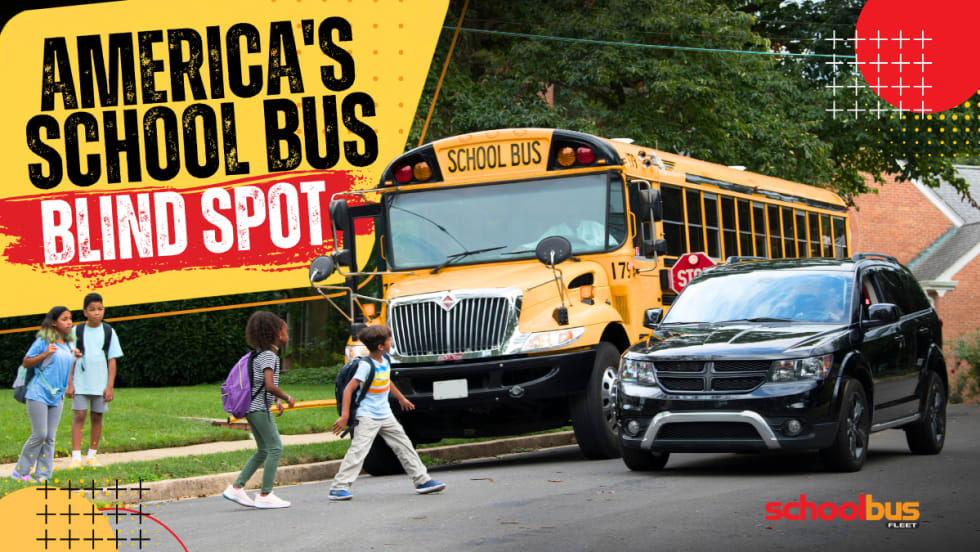
America Has a School Bus Passing Problem — and Distraction Is Making It Worse
Illegal school bus passing remains a major safety threat as distracted driving rises. This op-ed explores why awareness, enforcement, and stop-arm cameras matter more than ever.
Read More →
School Bus Laws to Watch: New York Delays EV Mandate
Plus, federal lawmakers seek new funding for school bus safety as states weigh stop-arm enforcement, disability protections, and education spending.
Read More →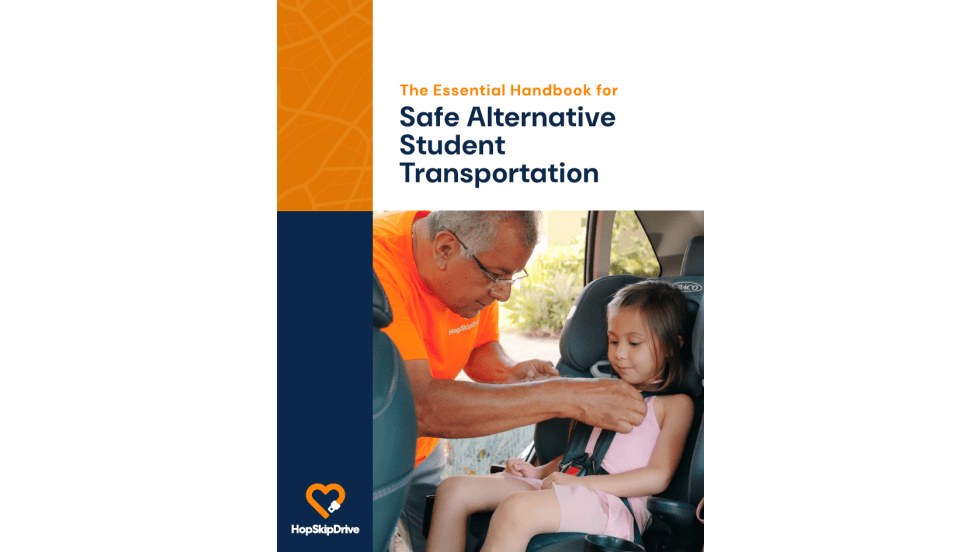
The Essential Handbook for Safe Alternative Student Transportation
Your district's "exception riders" — students with IEPs, those experiencing homelessness, foster care youth — deserve more than a middleman solution. This handbook breaks down exactly what to look for in a supplemental transportation partner: from driver vetting and regulatory compliance to proactive safety technology. Because getting a ride isn't the same as getting a safe one.
Read More →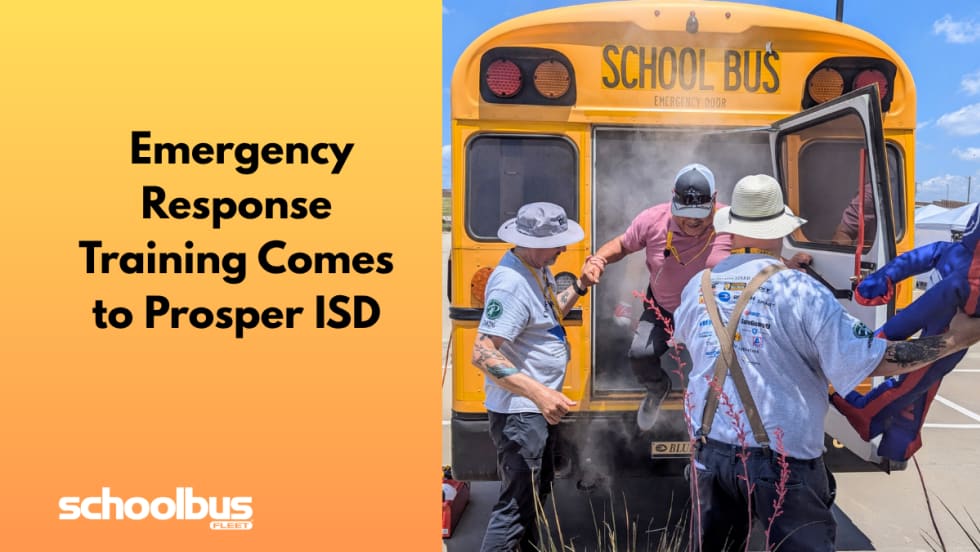
Operation STEER Brings Emergency Response Training to North Texas
Prosper ISD hosted the third annual training for transportation professionals across 67 districts to learn how to respond to emergencies, such as rollovers and evacuations, and proper use of safety equipment.
Read More →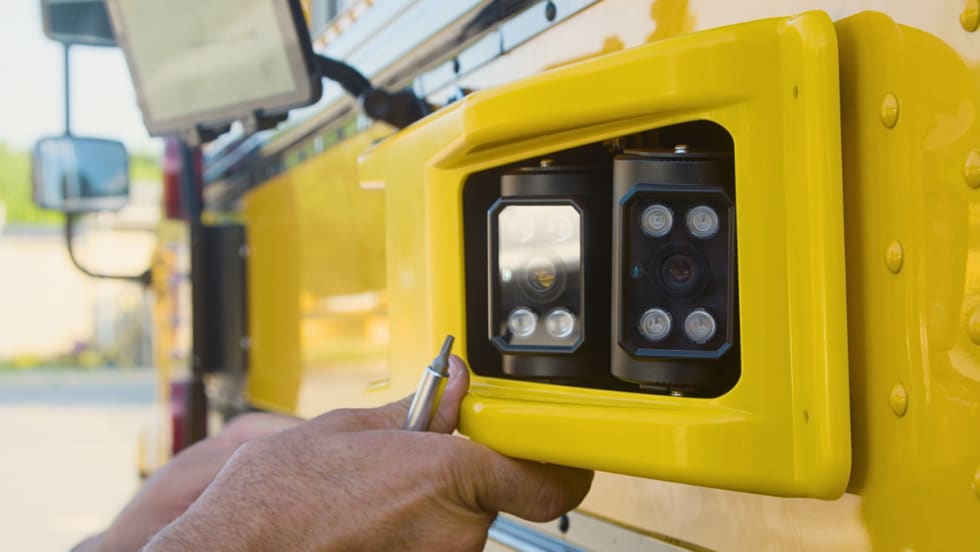
Florida District Relaunches BusPatrol School Bus Camera Program With New Safeguards
After being suspended over due process concerns, Miami-Dade schools and law enforcement are restarting the AI-powered stop-arm camera program with new oversight.
Read More →
School Bus Laws To Watch: Seat Belt Bills, Funding Fights & EV Changes
From national bills on seat belts and driver oversight to driver awareness campaigns referencing “Finn’s Rule” and ongoing transportation funding debates in Alaska, here’s the latest in school bus legislation across the U.S.
Read More →
9-Year-Old Boy Killed by School Bus at Busy Brooklyn Intersection
A Williamsburg community is mourning after a child was fatally struck by a private yeshiva bus, prompting calls for urgent safety improvements at the high-traffic crossing.
Read More →
Does Reliable School Transportation Boost Attendance? EverDriven’s Data Says Yes
The new data shows 99.99% incident-free trips and strong on-time performance, reinforcing how dependable transportation, especially for vulnerable student populations, can help districts combat chronic absenteeism.
Read More →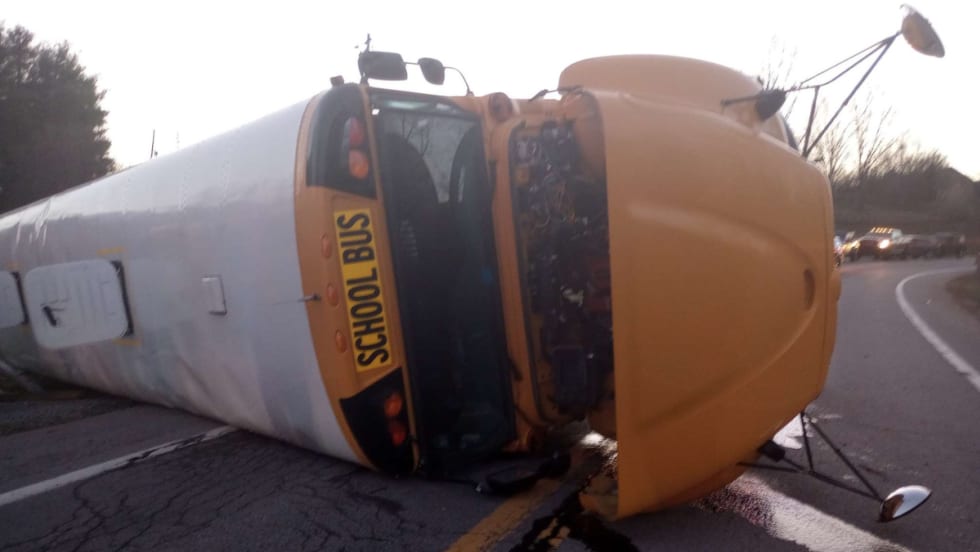
NTSB Calls for Alcohol Impairment Systems, Seat Belts After W.V. Crash Investigation
The federal agency's report asks NHTSA to require all new school buses to be equipped with vehicle-integrated alcohol detection systems and passenger lap-shoulder belts.
Read More →
2026 State of Student Transportation Report
Student transportation teams are being asked to do more with less, facing driver shortages, rising costs, and increasing safety expectations. This report uncovers how fleets are adapting, where technology is making the biggest impact, and why student ridership tracking is emerging as a top priority. Download the report to explore the key trends shaping 2026 and what they mean for your operation.
Read More →