




How to select and use child safety restraint systems
The National Highway Traffic Safety Administration (NHTSA) has released a new brochure offering guidelines for choosing and using child safety restraint systems (CSRS) on school buses.

The National Highway Traffic Safety Administration (NHTSA) has released a new brochure offering guidelines for choosing and using child safety restraint systems (CSRS) on school buses. The following are some of the tips included in the brochure —“Proper Use of Child Safety Restraint Systems in School Buses.” To order a copy of the brochure or to get information on product recalls and Child Passenger Safety Technician assistance, visit NHTSA’s Website or call (888) DASH-2-DOT.
Tips on system use
Infant-only seat — Make sure that the infant’s head and neck are fully supported by placing a rolled towel or blanket alongside the head. Do not use extra inserts or other products if they did not come with the child safety seat. Also, be sure safety straps are not applied over blankets or other materials. The straps should be secured on the body before blankets are applied. Infants should be semi-reclined in seat.
Convertible — Many convertible seats are currently available that can accommodate rear-facing infants to a weight greater than 20 pounds. For an infant, the seat should be rear facing. Infants should be semi-reclined in seats with harness straps below shoulders and snug against the body. For children over 20 pounds and one year of age, the seat should be forward facing and the child should wear a full harness until he/she reaches at least 40 pounds.
Integrated — Harness straps should run above the child’s shoulders and all belts should be snug. Systems provide anchors to secure a rear-facing child safety seat.
Booster (with built-in harness) — On school buses, only booster seats with built-in harnesses can be used. Belt positioning booster seats cannot be used with only a lap belt. They require a lap/shoulder belt.
Safety vest — Vests must be sized to the child and secured at shoulders and hips. They can be used with a lap belt and a strap (cam-wrap) that wraps around the back of the seat, to which the shoulder harness straps are hooked. The safety vest can also be used if no lap belt is present, in which case the vest is attached to the cam-wrap at the hips and shoulders.
School bus driver checklist
Am I using the correct CSRS for the child?
Child should be rear-facing up to at least 20 pounds and at least one year of age. Forward-facing after 20 pounds and at least one year of age. (Use only to weight limits designated by manufacturer). Have I routed the seat belt through the CSRS as instructed by the manufacturer?
Are the child safety seat harness straps in the right slot?
Rear-facing — lower slots at or below the shoulders. Forward-facing — generally top slots always at or above the shoulders. Is the harness buckled snugly around the child?
The straps must lie flat and the harness retaining clip must be at armpit level. The harness should be adjusted so you can slip only one finger between the straps and the child’s chest. Are all infants semi-reclined?
It’s important for an infant to ride rear-facing and semi-reclined (halfway back or 45 degrees from horizontal) to support head, neck and back. You can put a tightly rolled towel or a firm foam “noodle” (pool float) under the front edge of the child safety seat to tilt it back a little so the infant’s head lies back comfortably. Are convertible seats that are being used forward-facing in the upright position?
Do all child safety seat harness straps have retainer clips?
Have I practiced with the CSRS before seating children?
Have I placed all my weight and kneeled into the child safety seat to ensure a tight fit?
The seat must not move more than one inch when pushed forward or side to side at the belt path. Do I have and have I reviewed manufacturer’s instructions for all the CSRSs in the bus?
Have I checked the NHTSA Hotline in the last three months for possible recalls? The phone number is (888) DASH-2-DOT
More Safety
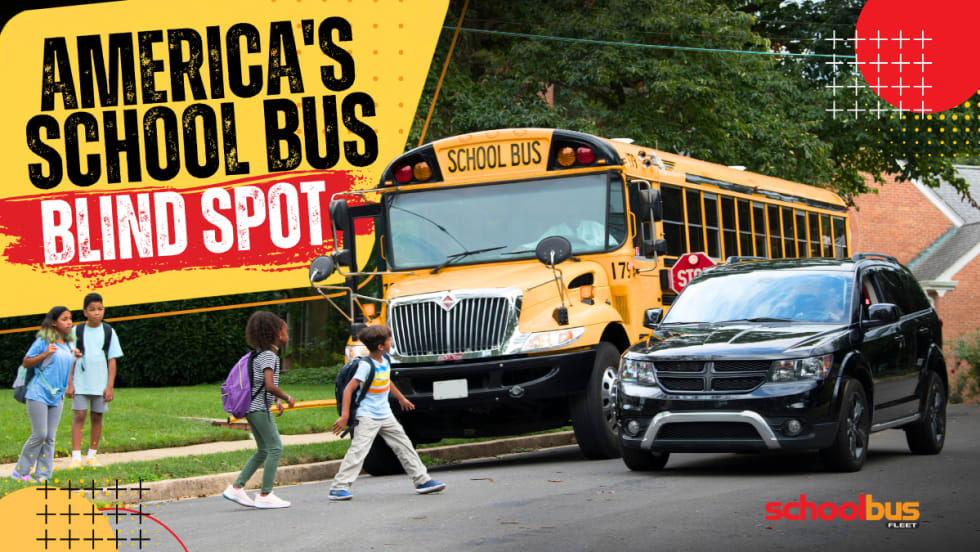
America Has a School Bus Passing Problem — and Distraction Is Making It Worse
Illegal school bus passing remains a major safety threat as distracted driving rises. This op-ed explores why awareness, enforcement, and stop-arm cameras matter more than ever.
Read More →
School Bus Laws to Watch: New York Delays EV Mandate
Plus, federal lawmakers seek new funding for school bus safety as states weigh stop-arm enforcement, disability protections, and education spending.
Read More →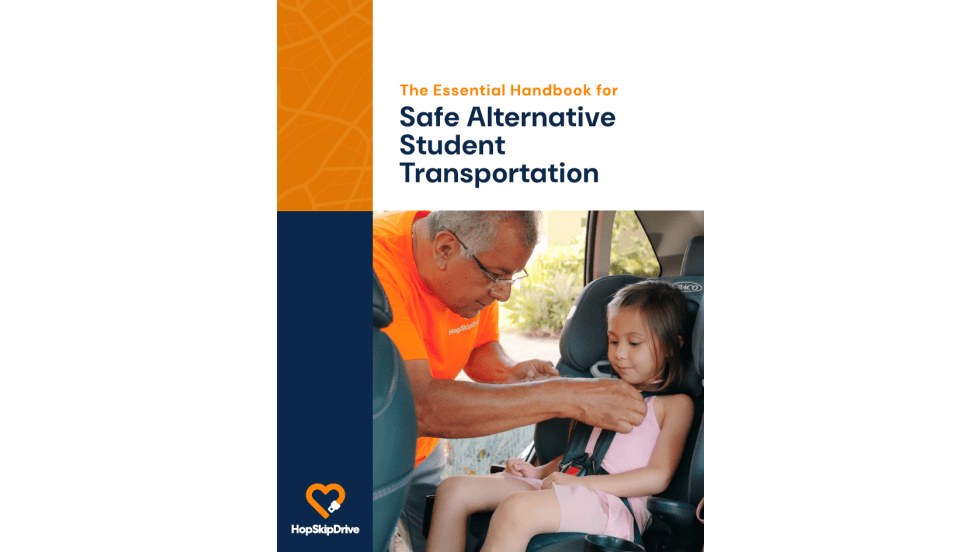
The Essential Handbook for Safe Alternative Student Transportation
Your district's "exception riders" — students with IEPs, those experiencing homelessness, foster care youth — deserve more than a middleman solution. This handbook breaks down exactly what to look for in a supplemental transportation partner: from driver vetting and regulatory compliance to proactive safety technology. Because getting a ride isn't the same as getting a safe one.
Read More →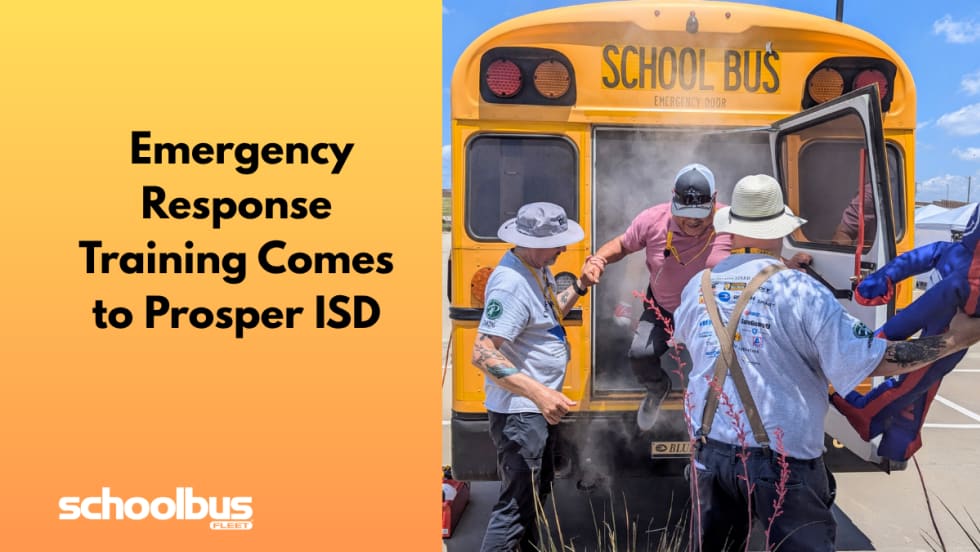
Operation STEER Brings Emergency Response Training to North Texas
Prosper ISD hosted the third annual training for transportation professionals across 67 districts to learn how to respond to emergencies, such as rollovers and evacuations, and proper use of safety equipment.
Read More →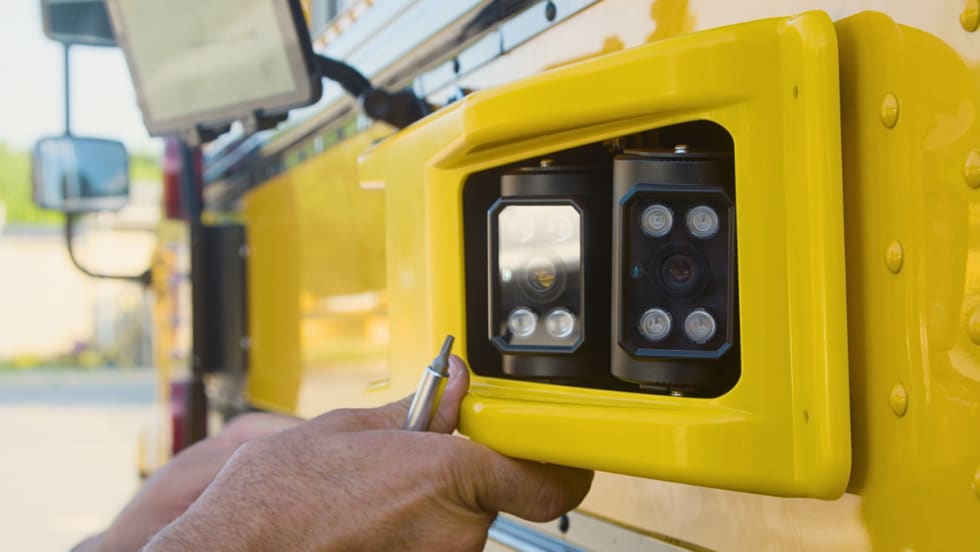
Florida District Relaunches BusPatrol School Bus Camera Program With New Safeguards
After being suspended over due process concerns, Miami-Dade schools and law enforcement are restarting the AI-powered stop-arm camera program with new oversight.
Read More →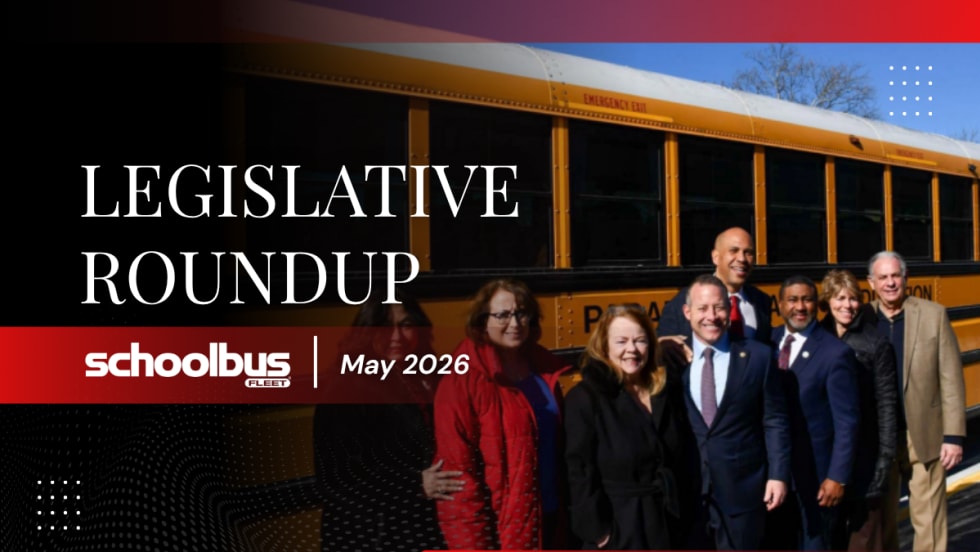
School Bus Laws To Watch: Seat Belt Bills, Funding Fights & EV Changes
From national bills on seat belts and driver oversight to driver awareness campaigns referencing “Finn’s Rule” and ongoing transportation funding debates in Alaska, here’s the latest in school bus legislation across the U.S.
Read More →
9-Year-Old Boy Killed by School Bus at Busy Brooklyn Intersection
A Williamsburg community is mourning after a child was fatally struck by a private yeshiva bus, prompting calls for urgent safety improvements at the high-traffic crossing.
Read More →
Does Reliable School Transportation Boost Attendance? EverDriven’s Data Says Yes
The new data shows 99.99% incident-free trips and strong on-time performance, reinforcing how dependable transportation, especially for vulnerable student populations, can help districts combat chronic absenteeism.
Read More →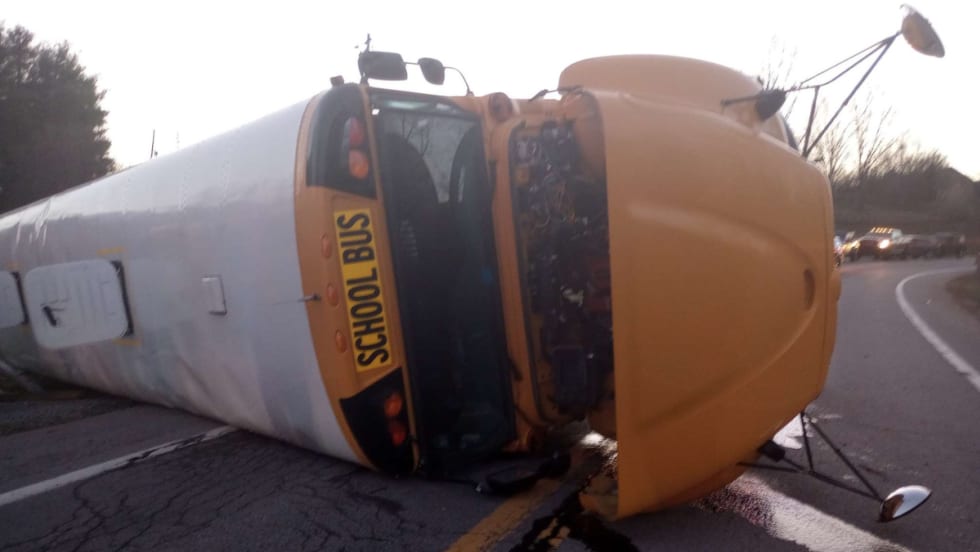
NTSB Calls for Alcohol Impairment Systems, Seat Belts After W.V. Crash Investigation
The federal agency's report asks NHTSA to require all new school buses to be equipped with vehicle-integrated alcohol detection systems and passenger lap-shoulder belts.
Read More →
2026 State of Student Transportation Report
Student transportation teams are being asked to do more with less, facing driver shortages, rising costs, and increasing safety expectations. This report uncovers how fleets are adapting, where technology is making the biggest impact, and why student ridership tracking is emerging as a top priority. Download the report to explore the key trends shaping 2026 and what they mean for your operation.
Read More →