




Should School Buses Have Rear Underride Guards?
Transportation managers should inventory their fleets and assess their risks. And drivers should be trained how to respond to an underride crash.
How high off the ground are the rear bumpers of your school buses? In Virginia, there have been accidents in which cars have underridden the rear end of stopped school buses, resulting in severe injuries and deaths to the car occupants. In all cases the bus drivers did nothing wrong, and the accidents were due primarily to the inattention of other motorists. Why should the school bus operator be concerned when the cause of the crash is the other operator? One reason is the emotional (if not physical) trauma that could be inflicted upon bus passengers who witness the event. Underride accidents usually involve substantially higher degrees of injury to the passengers of the vehicle submarining the bus. In some cases, these occupants have been decapitated, an event that would test the resolve of any witness, much less a child. Another concern is vicarious liability or corporate culpability. Simply put, you can always be sued, even when you did not cause the accident. The school employee (bus driver) and/or the school system may be included in a lawsuit merely as a potential “deep pocket.” Even if the driver and school system are cleared of any culpability, the cost of mounting a legal defense can be a significant drain on a budget. However, the biggest concern is the possibility of residual fire from the collision. Remember the tragedy in Carrollton, Ky., in 1988 when a pickup truck struck a church bus and ruptured the bus’ fuel tank? Steps have been taken to protect the fuel tank on school buses and to provide additional emergency exits, but an engine fire consuming a small vehicle wedged under a school bus is still a real possibility.
Rear impacts take toll
The National Highway Traffic Safety Administration (NHTSA) reports that nationwide there are approximately 420 fatalities per year as a result of rear impacts into large heavy vehicles such as trucks, trailers and semi-trailers. Of these fatalities, approximately 73 percent are the result of rear impacts into trailers and semi-trailers. These numbers are significant when considering that these vehicles represent only 28 percent of the registered heavy vehicles in the United States. It’s easy to see why Federal Motor Vehicles Safety Standards (FMVSS) 223 and 224 address rear-impact protection and require certain types of trucks to have energy-absorbing rear-impact guards. The guard must be no more than 22 inches above the ground and the entire assembly must not be more than 12 inches forward from the rearmost part of the trailer. But the effectiveness of these devices may not be known for several years. NHTSA has scheduled an evaluation of truck underride protection beginning in 2002. Since this type of accident with school buses is relatively rare, there is no urgency to require rear-impact guards. In fact, there is some concern that the addition of a guard or “crash bar” could create new problems. For example, a crash bar could be used as a “hitching point” for students riding skateboards or roller blades.
What should you do?
With all this said, what should we do in the best interest of our students and our school systems? The first step would be to assess your fleet and its risks. An evaluation by one local school division revealed a wide range of rear bumper heights, from 22 to 29 inches. Rear-engine transit-style buses appeared to be lower. Conventional buses appeared to be higher, but, surprisingly, one model of a transit-style bus with low-profile tires was the highest, at 29 inches from the ground. (Note: The distance from the rear wheels to the back bumper must be considered along with the location of tailpipes and any other design considerations for your bus fleet.) Road construction standards and hazards must also be considered to avoid creating new problems or intensifying old ones. Review your local and state accident data for rear-end type collisions. Determine the speeds of other cars that collide with your buses. Review the routes your school buses travel with a special sensitivity to stops along high-speed roads. Prepare your drivers to respond swiftly with direction, compassion and understanding in the initial moments following an underride crash. Simple actions like bringing all of the students toward the front of the bus, evacuating them to another location or just directing their attention away from the potential horror under the bus could help avoid possible trauma. Teach and promote the use of defensive driving techniques. Observant drivers have been known to prevent or reduce the severity of rear-end collisions by putting the bus into motion and thereby reducing the force of impact. Prepare for the aftermath by having an emergency intervention plan that includes providing counseling for students, passengers, drivers or other family members. School psychologists or other staff may already have the expertise needed to provide this assistance. Consider these additional options to reduce your risk.
Determine if you are specifying and buying the safest school bus with respect to the rear bumper height. Specify the lowest rear bumper height that will work for your routes.
Launch a media campaign to remind motorists, school bus drivers and law enforcement officials of these concerns.
Monitor the issue and work to improve the safety record for school transportation through changes in state or national school bus standards, if warranted.
Tim Parker is assistant transportation director at Fairfax County (Va.) Public Schools.
More Safety

Recent School Bus Accidents Leave 2 Dead, 2 Injured
Four school bus crashes in Florida, Illinois, and Georgia highlight risks in transportation lots, at bus stops, and during student loading and unloading.
Read More →
When Every Second Matters, Clarity Keeps Routes Moving
From routine delays to urgent incidents, strong communication practices help drivers, dispatchers, schools, and families respond with confidence.
Read More →
What Happens When a School Bus Catches Fire — and What Can Help
School bus fires are rare but can be devastating. Learn how advances in fire suppression and asset protection help fleets detect fires earlier, reduce damage, and improve safety.
Read More →

Geotab Launches Tool to Help Fleets Investigate Road Incidents
Geotab Investigations combines telematics data, video, documents, and other evidence to help fleets reconstruct incidents, resolve claims, and determine what happened.
Read More →
Texas Sixth Grader Wins 2026 National School Bus Safety Poster Contest
Sai Darshana Yekolu of Moseley Middle School in Prosper, Texas, was named the newest winner for her artwork, bringing the theme of “Safe Rides, Everyday Heroes” to life.
Read More →
Doing More With Less: How Transportation Directors Can Prioritize Safety Amid Budget Uncertainty
With diesel prices soaring and nearly one-third of transportation directors expecting budget cuts, maintaining student safety has never been more challenging. Download this guide to learn how leading districts are prioritizing risk, funding critical safety technology, and building stronger budget cases with data.
Read More →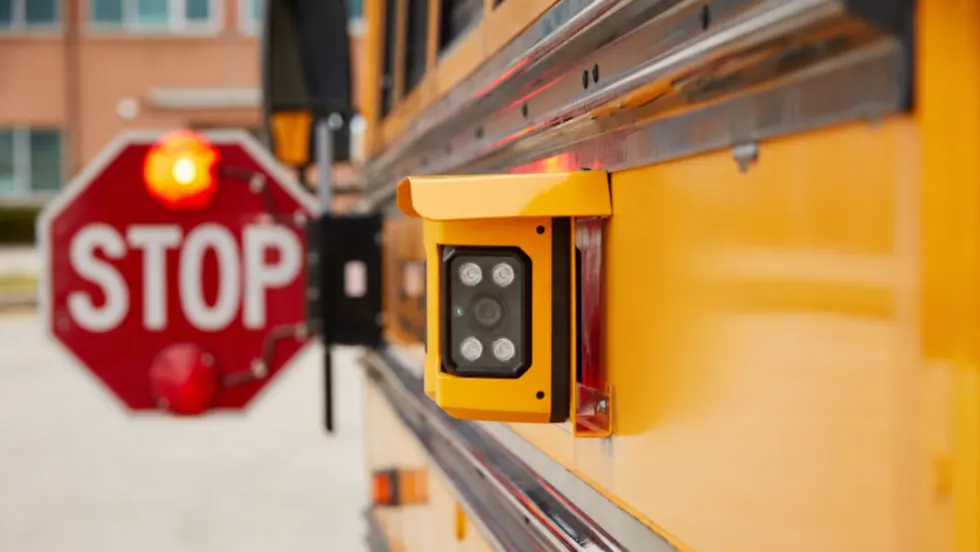
Walton County Schools Adds Gatekeeper Stop-Arm Enforcement System
The Florida district will deploy Gatekeeper’s updated Student Protector technology, which now incorporates AI to improve video evidence.
Read More →
How To Build a More Secure School Bus Yard During and After Hours
As thefts and overnight security threats continue, school transportation leaders are combining stronger operational practices with AI-enabled surveillance to better protect buses, facilities, and staff.
Read More →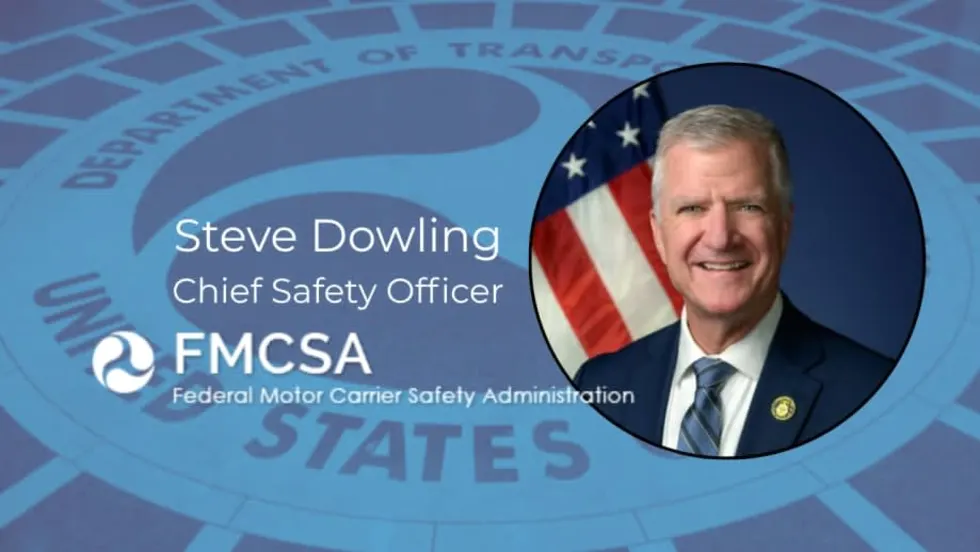
FMCSA Names New Chief Safety Officer: What School Bus Operators Should Know
Steve Dowling is set to lead the federal agency's efforts to advance commercial motor vehicle safety and reduce crashes, fatalities, and injuries on the nation's roadways.
Read More →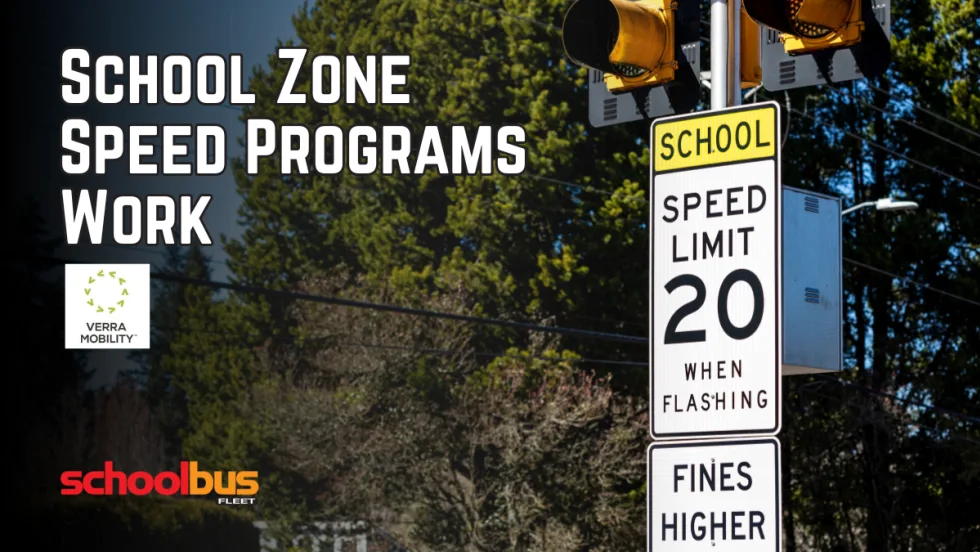
New Study Finds School Zone Speed Safety Cameras Cut Speeding Violations 97%
A Florida university's research demonstrates that Verra Mobility's automated enforcement changes driver behavior and significantly improves school zone safety.
Read More →