




Cost-benefit analysis favors higher seat backs, training
In the past six months I have been overwhelmed by media reports of people with no clear knowledge of school bus safety priorities making decisions abo...
In the past six months I have been overwhelmed by media reports of people with no clear knowledge of school bus safety priorities making decisions about school transportation. For example, with no apparent regard for an industry study's findings that investments in pupil training and higher seat backs are far more effective in saving lives than similar investments in crossing arms or seat belts, lawmakers in Illinois and Missouri dedicated large sums of money to installing crossing control arms on school buses. Following its recent tragic school bus accident near Monticello, Minnesota also pledged money to school districts for the purchase of additional safety options that did not include higher seat backs. Jumping on the band wagon, one large contractor after another has announced plans to outfit its entire fleet with crossing control arms. There are people on both sides of the crossing-arm/seat belt issue who feel strongly, but the bottom line is money and how it can be spent most effectively. How many lives saved?
In 1989, the Transportation Research Board published Special Report 222: Improving School Bus Safety, which, among other things, evaluated the cost effectiveness of options for reducing fatalities. The report suggests that up to 0.261 lives can be saved each year by crossing arms through a $1 million annual investment and up to .0023 lives by a similar investment in seat belts. The study suggests that the same investment in pupil training and higher seat backs would save 0.459 and 0.426 lives per year, respectively. While the study does not evaluate driver training, I assume that the number of lives saved would be at least as high as student training. If we believe this cost-benefit analysis of safety measures is accurate, then why are we spending millions of dollars in the wrong places? Higher seat backs and additional training must not be attractive enough. Legislators and taxpayers can't point to the crossing arms or seat belts and say, "See, I did that." Most states could take the $1 million or more dedicated to crossing arms, put it in the bank and run a high quality driver and student training program off the interest indefinitely. We get calls every day from districts and contractors around the country who don't have adequate training materials available, especially for their children. Training is key issue
A poorly trained driver with a crossing arm is just as dangerous as a poorly trained driver without a crossing arm, and maybe more dangerous because the crossing arm gives a false sense of security. In New York there was a fatality this year on a bus with a defective crossing arm. One theory is that the special-education child who was killed went to the bumper to see what was wrong with the crossing arm and was run over by the bus as it left the stop. We are creating a false sense of security by assuming that equipment will accomplish what we didn't when we chose not to provide quality training. Let's train children to walk at least 10 feet in front of the bus and to cross on the driver's signal instead of hoping that a six- or eight-foot crossing arm will take the place of that training. Direct visibility of the ground in front of the bus by the driver can be more than 15 feet on some models. Let's make sure that drivers and students have well-rehearsed signals for when it is safe to cross and when a danger has appeared and the students must return to the side of the road. On March 20, driver Charles Falaski of G&G Bus in Florida, N.Y., used the prearranged horn signal when a car appeared out of nowhere while a student was crossing. The student acted as he had been trained, returning to the shoulder, safely out of the way of danger. Missouri's $1.7 million for crossing arms would not have saved this child's life. The dedicated quality training done in contractor and district operations such as G&G Bus is responsible for saving this child's life. Let's get accurate information to legislators so they can make cost-effective decisions when they get the urge to spend money on improving school bus safety. We've accomplished 20 years of decline in loading-zone fatalities. Let's start right now to reverse last year's increase. Ted Finlayson-Schueler is the executive director of the Pupil Transportation Safety Institute.
More Safety
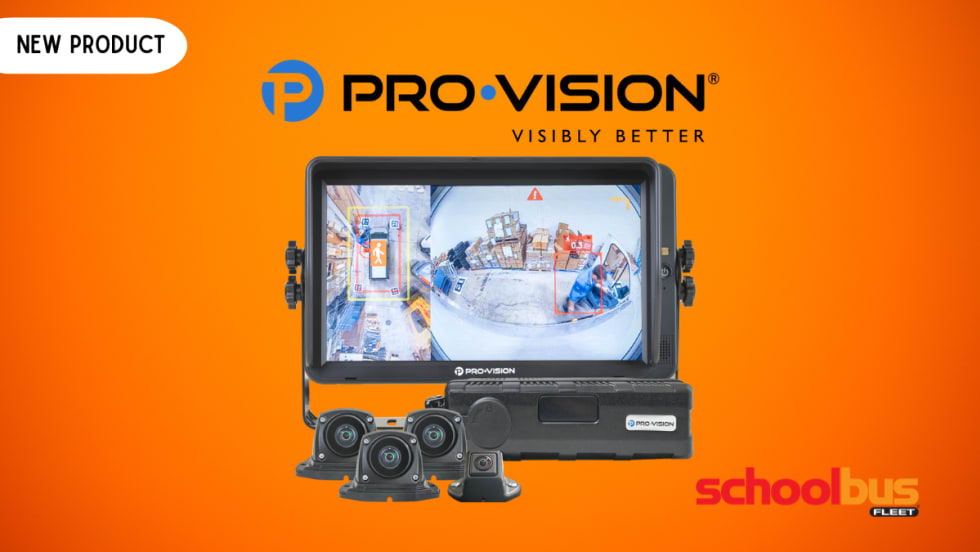
Pro-Vision Launches AI-Powered 360° Camera System
The new Birdseye camera delivers real-time AI-based pedestrian and vehicle detections, full visibility around the bus, and telematics integrations.
Read More →
NY Coalition Calls for Modernized Transportation for Vulnerable Students
A new statewide coalition is urging New York lawmakers to expand student transportation options for vulnerable students amid ongoing driver shortages.
Read More →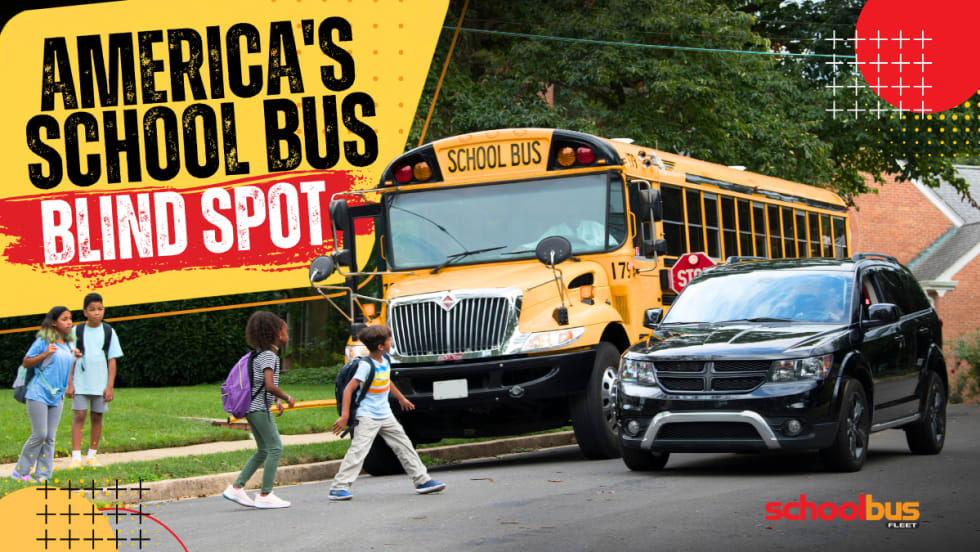
America Has a School Bus Passing Problem — and Distraction Is Making It Worse
Illegal school bus passing remains a major safety threat as distracted driving rises. This op-ed explores why awareness, enforcement, and stop-arm cameras matter more than ever.
Read More →
School Bus Laws to Watch: New York Delays EV Mandate
Plus, federal lawmakers seek new funding for school bus safety as states weigh stop-arm enforcement, disability protections, and education spending.
Read More →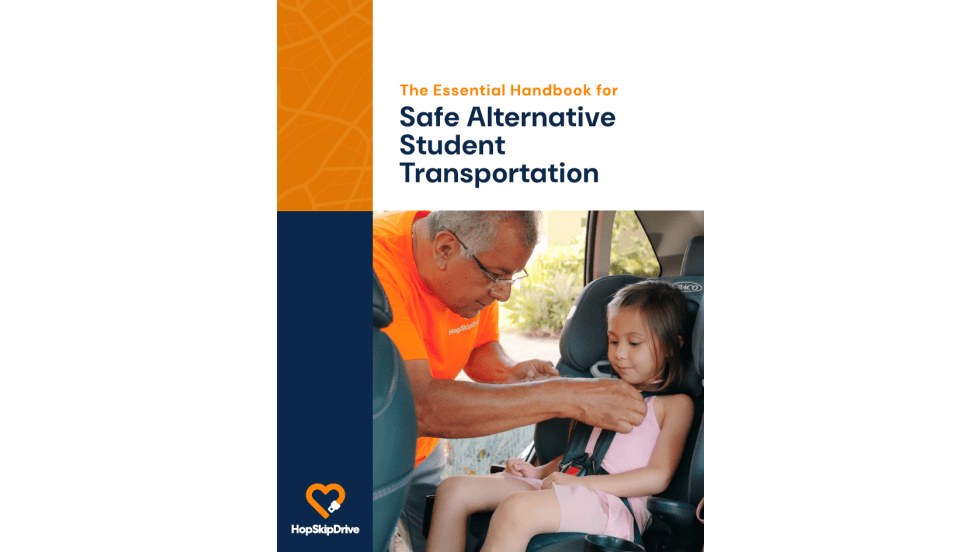
The Essential Handbook for Safe Alternative Student Transportation
Your district's "exception riders" — students with IEPs, those experiencing homelessness, foster care youth — deserve more than a middleman solution. This handbook breaks down exactly what to look for in a supplemental transportation partner: from driver vetting and regulatory compliance to proactive safety technology. Because getting a ride isn't the same as getting a safe one.
Read More →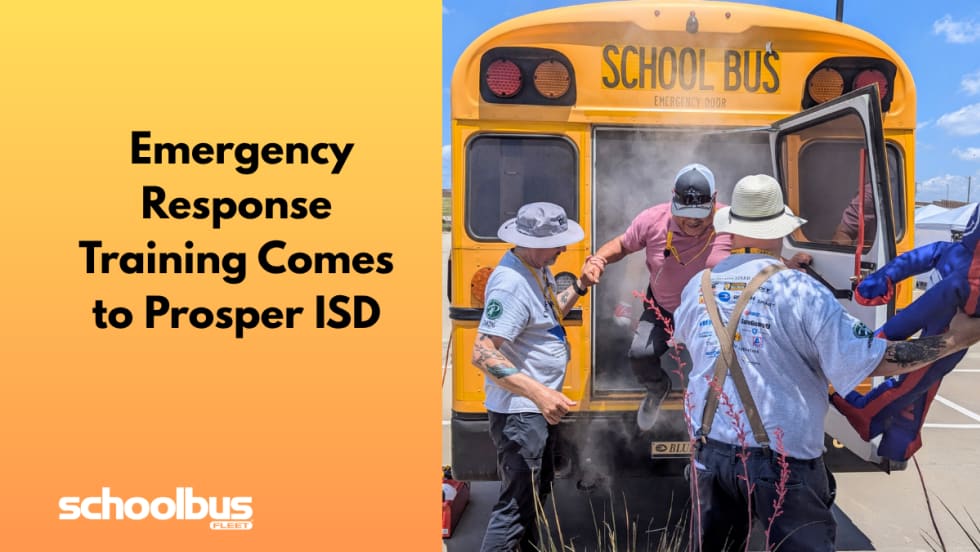
Operation STEER Brings Emergency Response Training to North Texas
Prosper ISD hosted the third annual training for transportation professionals across 67 districts to learn how to respond to emergencies, such as rollovers and evacuations, and proper use of safety equipment.
Read More →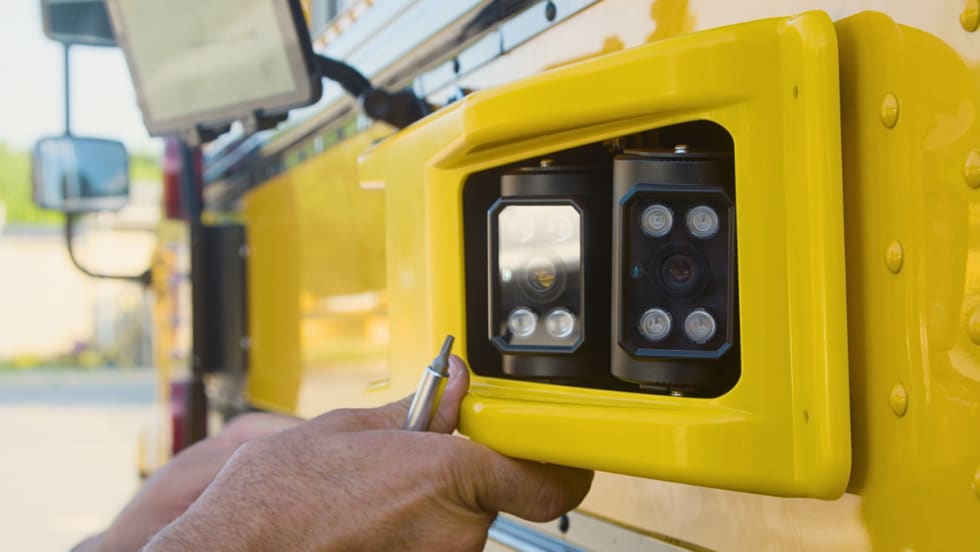
Florida District Relaunches BusPatrol School Bus Camera Program With New Safeguards
After being suspended over due process concerns, Miami-Dade schools and law enforcement are restarting the AI-powered stop-arm camera program with new oversight.
Read More →
School Bus Laws To Watch: Seat Belt Bills, Funding Fights & EV Changes
From national bills on seat belts and driver oversight to driver awareness campaigns referencing “Finn’s Rule” and ongoing transportation funding debates in Alaska, here’s the latest in school bus legislation across the U.S.
Read More →
9-Year-Old Boy Killed by School Bus at Busy Brooklyn Intersection
A Williamsburg community is mourning after a child was fatally struck by a private yeshiva bus, prompting calls for urgent safety improvements at the high-traffic crossing.
Read More →
Does Reliable School Transportation Boost Attendance? EverDriven’s Data Says Yes
The new data shows 99.99% incident-free trips and strong on-time performance, reinforcing how dependable transportation, especially for vulnerable student populations, can help districts combat chronic absenteeism.
Read More →