




NTSB calls for nationwide ban on driver use of electronics
The recommendation to all 50 states and the District of Columbia is to outlaw the non-emergency use of portable electronic devices while operating a motor vehicle. Following its investigation of the 2010 truck-school bus crash in Gray Summit, Mo., the agency also makes recommendations on school bus evacuations, inspections and driver training.


NTSB Chairman Deborah Hersman said that it's "time for all of us to stand up for safety by turning off electronic devices when driving."
WASHINGTON, D.C. — Following its meeting on the 2010 truck-school bus accident in Gray Summit, Mo., the National Transportation Safety Board (NTSB) called for the first-ever nationwide ban on driver use of personal electronic devices (PEDs) — including hands-free devices — while operating a motor vehicle.
The agency also made a number of recommendations specific to school buses, including on evacuations, inspections and driver training.
The PED safety recommendation specifically calls for the 50 states and the District of Columbia to ban the nonemergency use of PEDs (other than those designed to support the driving task) for all drivers.
The safety recommendation also urges use of the National Highway Traffic Safety Administration (NHTSA) model of high-visibility enforcement to support these bans and implementation of targeted communication campaigns to inform motorists of the new law and heightened enforcement.
"According to NHTSA, more than 3,000 people lost their lives last year in distraction-related accidents,” NTSB Chairman Deborah Hersman said. "It is time for all of us to stand up for safety by turning off electronic devices when driving. No call, no text, no update, is worth a human life."
On Aug. 5, 2010, on a section of Interstate 44 in Gray Summit, a pickup truck ran into the back of a truck-tractor that had slowed due to an active construction zone. The pickup truck, in turn, was struck from behind by a school bus. That school bus was then hit by a second school bus that had been following. As a result, two people died, and 38 others were injured.
The NTSB's investigation revealed that the pickup driver sent and received 11 text messages in the 11 minutes preceding the accident. The last text was received moments before the pickup struck the truck-tractor.
The NTSB determined that the probable cause of the initial collision was distraction, likely due to a text messaging conversation being conducted by the GMC pickup driver, which resulted in his failure to notice and react to the Volvo tractor that had slowed or stopped in response to a queue that had developed in a work zone.
NTSB found that the second collision, between the lead school bus and the pickup, was the result of the bus driver's inattention to the forward roadway, due to excessive focus on a motorcoach parked on the shoulder of the road.
The final collision, the agency said, was due to the driver of the following school bus not maintaining the recommended minimum distance from the lead school bus in the seconds preceding the accident. Contributing to the severity of the accident, according to the agency, was the lack of forward collision warning systems on the two school buses.
Among the NTSB’s recommendations following the Gray Summit crash investigation are that NHTSA modify FMVSS 217 to require that all emergency exits on school buses be easily opened and remain open during an emergency evacuation, and to eliminate the potential for objects such as latch plates to protrude into the emergency exit window opening space even when that protrusion still allows the exit window to meet the opening size requirements.
The NTSB also issued recommendations to Missouri on school bus inspection procedures, evacuation regulations and driver training. For example, the Missouri Department of Elementary and Secondary Education should “incorporate into school bus driver training the risk of driver inattention, the need for proper scanning behavior and the necessity of keeping a safe following distance,” according to the NTSB.
A synopsis of the NTSB report, including the probable cause, findings and a complete list of the safety recommendations, is available here. The agency said that its full report will be available on the website in several weeks.
More Safety
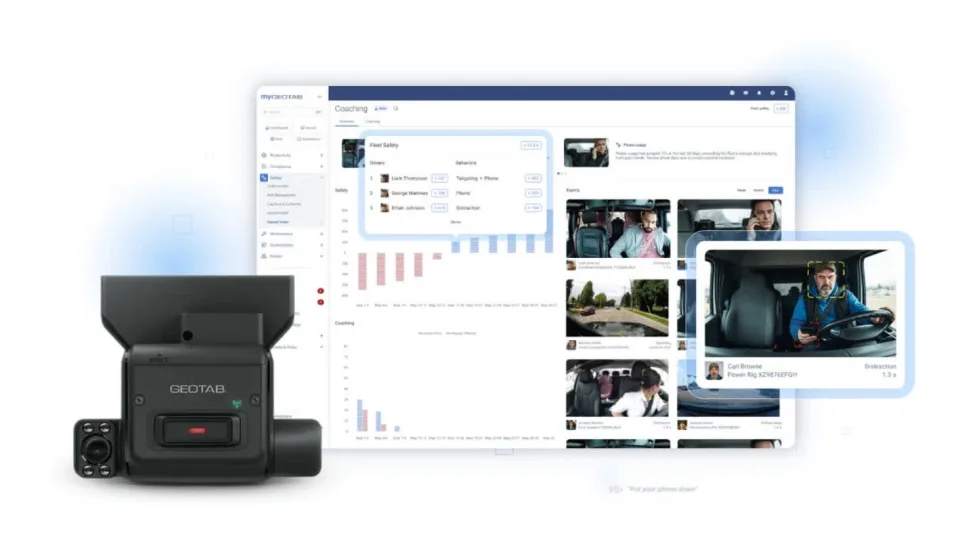
Geotab Expands Fleet Safety Tools With Video Coaching, Risk Insights
New safety and video capabilities aim to help fleet managers assess risk, support drivers, and take targeted action through video coaching, red-light violation detection, and more.
Read More →
How to Build a Better School Bus Driver Training Program
Is it time to strengthen your driver training? Here’s how to pick the right talent and improve recruitment, retention, and safety. This video is brought to you by IC Bus.
Read More →
Recent School Bus Accidents Leave 2 Dead, 2 Injured
Four school bus crashes in Florida, Illinois, and Georgia highlight risks in transportation lots, at bus stops, and during student loading and unloading.
Read More →

When Every Second Matters, Clarity Keeps Routes Moving
From routine delays to urgent incidents, strong communication practices help drivers, dispatchers, schools, and families respond with confidence.
Read More →
What Happens When a School Bus Catches Fire — and What Can Help
School bus fires are rare but can be devastating. Learn how advances in fire suppression and asset protection help fleets detect fires earlier, reduce damage, and improve safety.
Read More →
Geotab Launches Tool to Help Fleets Investigate Road Incidents
Geotab Investigations combines telematics data, video, documents, and other evidence to help fleets reconstruct incidents, resolve claims, and determine what happened.
Read More →
Texas Sixth Grader Wins 2026 National School Bus Safety Poster Contest
Sai Darshana Yekolu of Moseley Middle School in Prosper, Texas, was named the newest winner for her artwork, bringing the theme of “Safe Rides, Everyday Heroes” to life.
Read More →
Doing More With Less: How Transportation Directors Can Prioritize Safety Amid Budget Uncertainty
With diesel prices soaring and nearly one-third of transportation directors expecting budget cuts, maintaining student safety has never been more challenging. Download this guide to learn how leading districts are prioritizing risk, funding critical safety technology, and building stronger budget cases with data.
Read More →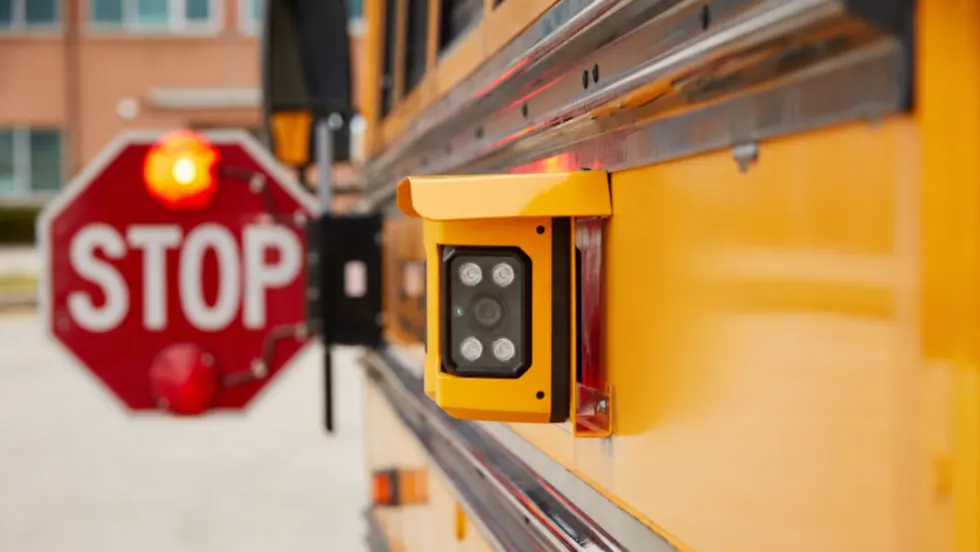
Walton County Schools Adds Gatekeeper Stop-Arm Enforcement System
The Florida district will deploy Gatekeeper’s updated Student Protector technology, which now incorporates AI to improve video evidence.
Read More →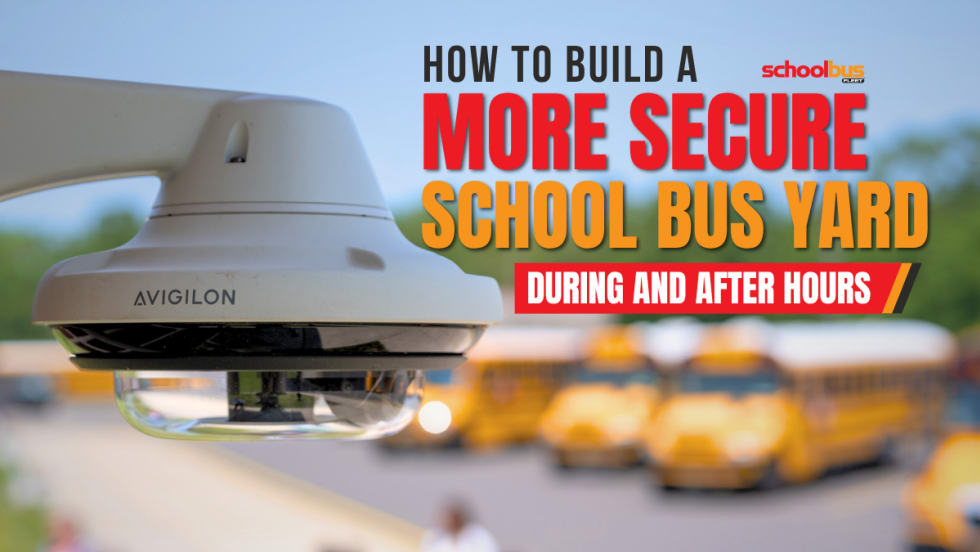
How To Build a More Secure School Bus Yard During and After Hours
As thefts and overnight security threats continue, school transportation leaders are combining stronger operational practices with AI-enabled surveillance to better protect buses, facilities, and staff.
Read More →