




Calif. groups fight proposed $248M cut to school transportation
The California Association of School Transportation Officials partners with education groups in contacting legislators to urge them to repeal the cut and inform them of the negative impact it would have. Mike Rea, government relations chairperson for the association, discusses these efforts with SBF.

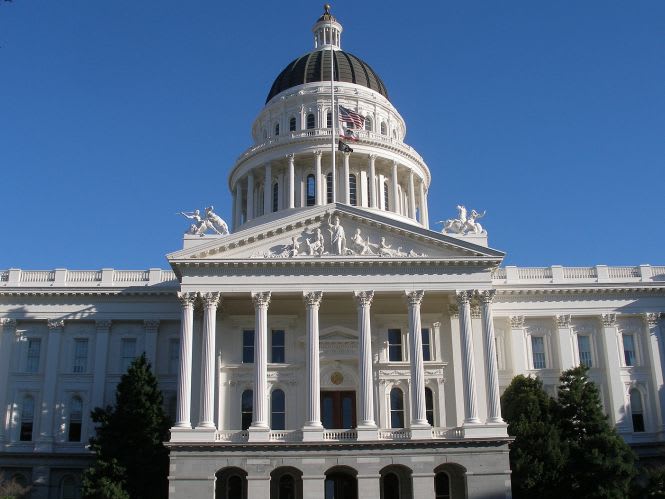
The California Association of School Transportation Officials has worked with education agencies in the state to urge legislators to repeal a proposed $248 million "trigger cut" to school transportation.
SACRAMENTO, Calif. — The California Association of School Transportation Officials (CASTO) has partnered with education groups in the state to voice its opposition to a proposed “trigger cut” of up to $248 million for home-to-school transportation, which amounts to approximately 50 percent of the current funding.
Mike Rea, government relations chairperson for CASTO, told SBF in an interview this week that the association has been fighting the proposed cut since August. He said that the concept of the trigger cuts came “out of the blue” after the state’s budget was adopted in June.
“The budget was adopted, and trailer bills were passed and this information [the proposed funding cut to transportation] came in one of the trailer bills,” Rea explained.
The California Department of Education, the California School Employees Association, the California Federation of Teachers and the California Teachers Association are among the agencies that have supported CASTO in reaching out to state legislators urging them to repeal the cut and to discuss the negative effects that the cut would have.
In a joint letter sent to all members of the state Legislature on Dec. 6, the groups said that if pulled, the impact of the cut would be felt immediately in several ways, including putting schoolchildren in harm’s way.
“These cuts will force young children to walk miles to school, often in horrible weather," the letter states. "In many rural areas, public transportation is not an option and the roads are very treacherous for them to walk alone on. Elsewhere, children will have to walk through dangerous neighborhoods and on busy streets to get to school. Children walking alone on the streets of California are also exposed to the risk of being approached by child predators."
The letter also says that the cut could force parents to drop off their children at school before it opens, leaving them on campus, while other children may not be able to attend school at all, thereby ultimately reducing school funding due to a drop in overall school attendance.
“This creates a downward funding spiral for many of California’s neediest school districts,” the groups said.
“The thing about this kind of a transportation cut is that it disproportionately affects districts," Rea explained. "There are rural districts that need transportation much more than some other districts in the state. This [the proposed cut] results in, for some districts, virtually no reduction in their state support, and for others, it amounts to a $300 per student cut.”
Another topic addressed in the letter is the effect the cut would have on the state’s economy. The mass layoff of school bus drivers due to the cut would put a stress on the economy and add to the already high unemployment rate.
Rea also noted that the state has underfunded school transportation for nearly 30 years, so the $248 million cut would be an additional blow.
“We’ve already had a 20-percent reduction of our funding, and with this extra 50 percent, it would be a 70-percent reduction. We would be the largest reduced program in California — it’s absurd,” he added.
Legislators have not responded to the association’s opposition to the proposed trigger cut. Rea said that shortly after the proposal was announced, all of the school districts in California received communication from Gov. Jerry Brown’s office that essentially indicated that the cut was not going to happen.
However, in mid-November, the Legislative Analyst’s Office reported that the state’s revenues were not going to be as high as had been projected, and that the trigger cut would have to be implemented.
“On Dec. 15, we’re supposed to hear from the state Department of Finance, which will apparently have the final word on whether the trigger cut is going to be pulled,” Rea said, adding that if there is a hearing in Sacramento, he will be in attendance.
Because the trigger cut to transportation was legislatively adopted, the only way it can be changed is for amending legislation to be approved, and Rea said CASTO and the other groups that oppose the cut are hopeful that there will be some kind of a change.
An option that CASTO has proposed if the cut must happen is for it to be reworked.
“Our suggestion has been that the cut is reformulated as an across-the-board revenue cut limit for school districts in California, which would amount to approximately $42 per student across the board,” Rea said. “Any cuts to education aren’t popular at this point, but if it has to be done, it should at least be done fairly across the board as opposed to specifically to school transportation.”
More Safety
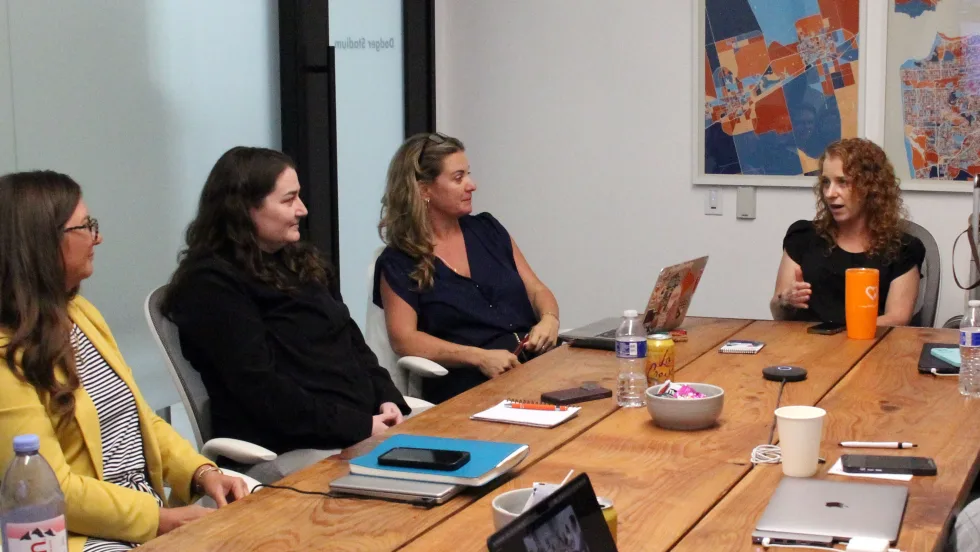
HopSkipDrive Reports Progress on Safety Advisory Council
More than a year after forming the council, independent safety experts have helped shape new rider-safety features and policy progress, with a new goal to address rider behavior.
Read More →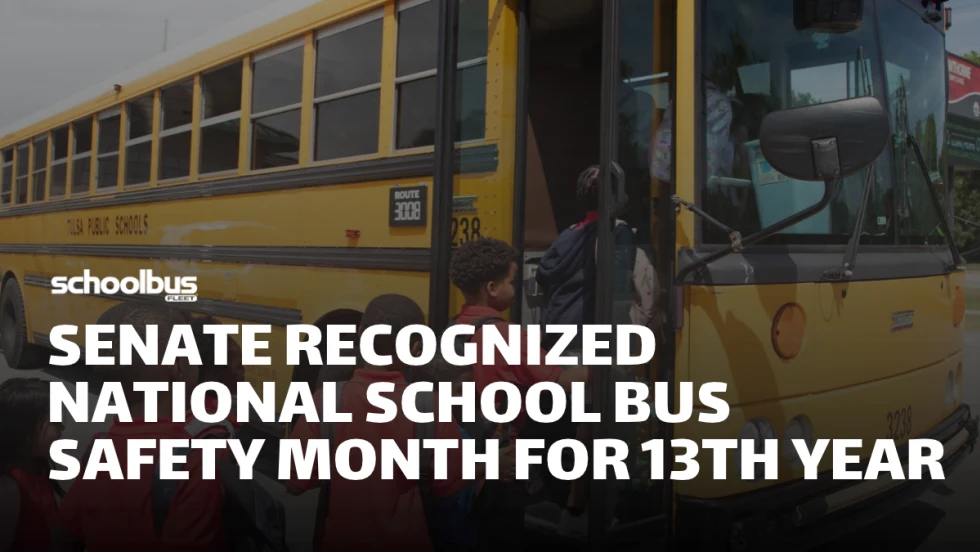
What the 2026 National School Bus Safety Month Resolution Means for Student Transportation
The bipartisan resolution highlights illegal school bus passing, student safety during loading and unloading, and the need for driver training and public education.
Read More →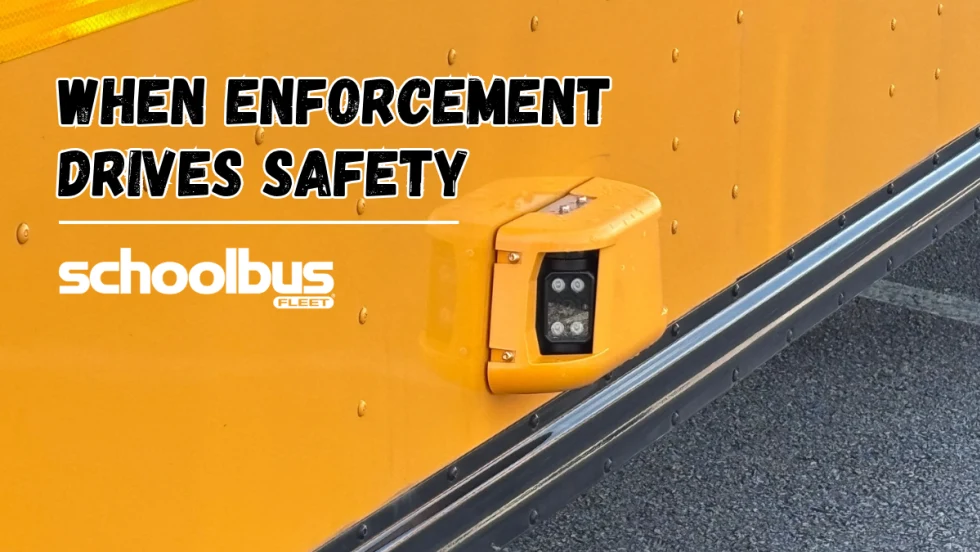
School Bus Stop-Arm Violations Decline 53% Across Verra Mobility Programs
Verra Mobility shares how school bus stop-arm cameras and school zone safety programs are changing driver behavior, reducing violations, and protecting students.
Read More →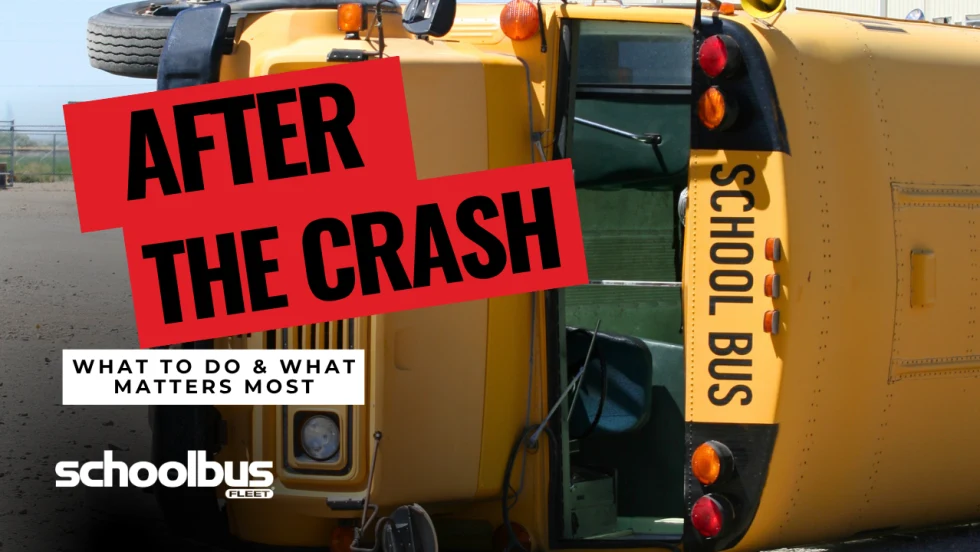
Most Bus Crashes Aren’t Your Fault. Here’s How to Prove It.
A guide for what to do in between a school bus crash and a claim: what to preserve, who to notify, and how to keep the facts available when they matter.
Read More →
National School Bus Safety Week 2026: Tips, Toolkits & Resources to Keep Students Safe
School bus safety takes more than awareness. Explore expert tips, enforcement strategies, and free resources to help protect students on every ride.
Read More →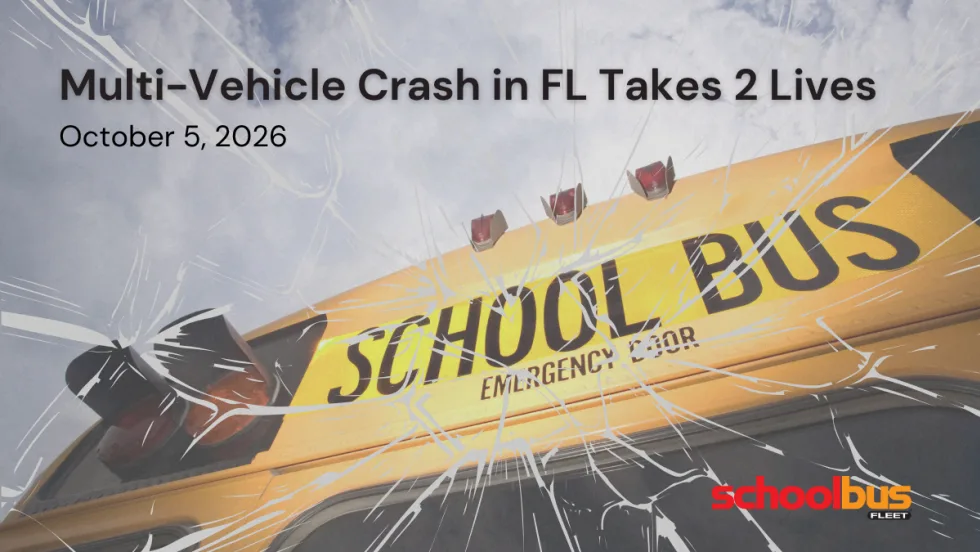
2 Killed, Dozens Injured in Florida School Bus Crash
A multi-vehicle collision caused a Polk County school bus carrying 37 students to overturn on its way to Winter Haven High School.
Read More →
Illegal School Bus Passing Drops 24% in New York Districts
With fewer than 5% of citations involving repeat offenders, Westchester County officials said enforcement, education, and community partnerships are helping change driver behavior.
Read More →
School's Back. Here's What Happened to Traffic, Speeding & Distraction
What happens to traffic when school resumes? New data analysis examines changes in distracted driving, congestion, and speeding around schools.
Read More →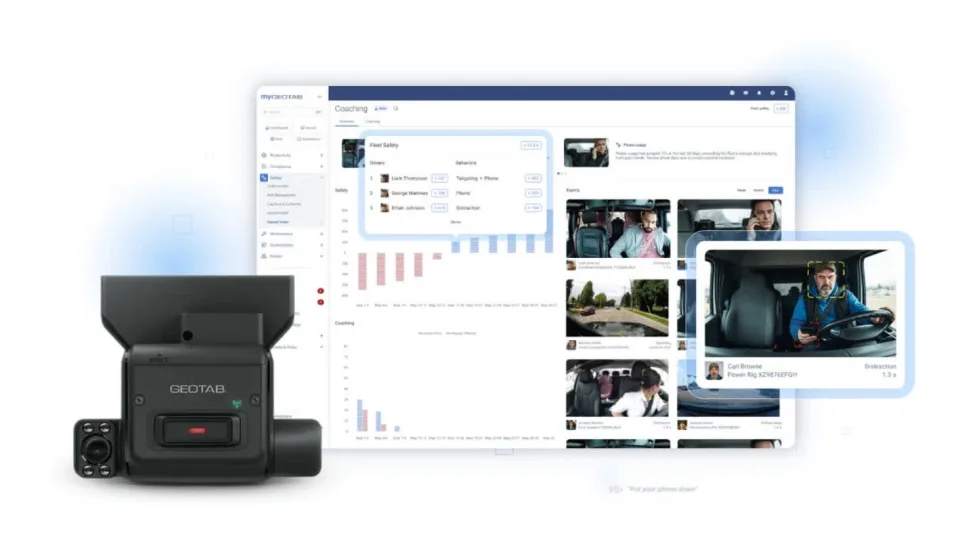
Geotab Expands Fleet Safety Tools With Video Coaching, Risk Insights
New safety and video capabilities aim to help fleet managers assess risk, support drivers, and take targeted action through video coaching, red-light violation detection, and more.
Read More →
How to Build a Better School Bus Driver Training Program
Is it time to strengthen your driver training? Here’s how to pick the right talent and improve recruitment, retention, and safety. This video is brought to you by IC Bus.
Read More →