




NCST deliberations under way
Sessions held so far during the 15th National Congress on School Transportation have led to amendments to the Bus Body and Specifications, School Bus Inspection, Specially Equipped School Buses and Transportation for Students with Disabilities and Health Care Needs sections.

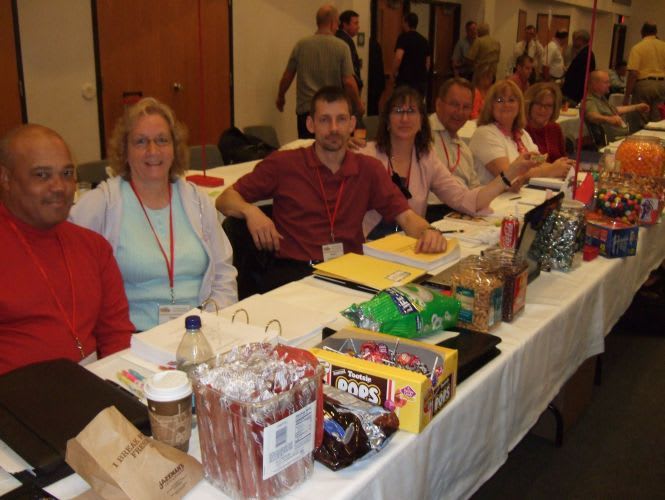
The Illinois delegation came stocked with provisions and set up a snack bar on their table to help them get through the general sessions.
WARRENSBURG, Mo. — Delegates began adoption of revisions to the 2005 National School Transportation Specifications and Procedures document here this week.
For the first time, delegates at the National Congress on School Transportation, which is held every five years, were able to vote on revisions and amendments electronically.
On Monday, delegates first dealt with a consolidation of the Bus Body and Chassis Specifications sections into one, eliminating redundancies. The proposed change that spurred the most active discussion on the floor was one that would have effectively required the installation of crossing arms on all school buses (the revision changed the wording to say that vehicles "shall" be equipped with the devices rather than "may").
Among the delegates who spoke in opposition to the change was California state director John Green, who said that the state's escorted crossing requirement makes crossing arms unnecessary. Larry Bluthardt, Kansas state director, pointed out that most student deaths that result from being struck by their own bus occur at the rear wheels rather than the front, where the crossing arm is positioned.
Utah state director Murrell Martin suggested that this issue may reflect the necessity for training of drivers and students, rather than necessitating a blanket change to school bus specifications. Others mentioned that some buses used to transport students with special needs often do not require use of a crossing arm, and delegates from cold weather states pointed out mechanical problems that arise in operating crossing arms during the winter.
In the end, the motion was defeated by a 35-to-11 vote.
Also in the Bus Body and Chassis Specifications section, under the section discussing exhaust systems, new language was added to account for 2010 engines and EPA requirements. The writing committee chair, Mike Kenney, said these changes were brought forward by the manufacturers, and comprised the inclusion of the term "after treatment system" in the pertinent sections.
Notable in the revisions to the Specially Equipped School Buses section was a requirement to have two webbing cutters on board specially equipped buses (the second cutter would serve as a backup). This motion passed in a 25-to-21 vote.
Perhaps the most dramatic occurrence Monday was the wholesale rejection of the School Bus Inspection Writing Committee's revisions to the section. Committee chair Sgt. Sharron VanCampen of Michigan asked delegates to approve or reject the section in its entirety, as it was written to conform to Federal Motor Carrier Safety Administration and FMVSS statutes. If approved, Sgt. VanCampen said the section would be forwarded to the federal government to challenge the U.S. Department of Transportation's annual inspection requirement.
Among others, New Mexico state director Gilbert Perea spoke in opposition to the motion, saying that it set up a slippery slope in which the feds could then be able to impose citations for non-compliance. Delegates voted to reject the section and revert to the 2005 document.
On Tuesday, congress activities began with revisions to the Transportation for Students with Disabilities and Health Care Needs section, which essentially was edited and revised to reflect the 2004 reauthorization and 2006 regulations regarding the Individuals with Disabilities Education Improvement Act. Most revisions to that section and the Infants, Toddlers and Pre-Schoolers Operations section were approved without much opposition from the delegates.
Next, a delegate moved to reconsider the inspection section as presented by VanCampen on Monday when it was rejected. After going through the section page by page, allowing delegates to make amendments, the section was eventually approved and now replaces the 2005 version.
The Tuesday session closed after discussion of the first portions of the School Transportation Security and Emergency Preparedness section. Topics that sparked discussion on the floor included a suggestion to install systems to allow school bus drivers to have direct communications with first responders in the event of an emergency, and in addressing emerging technology, a proposal to allow first responders access to live school bus video and audio to assess and respond to the threat in real time.
Congress activities were scheduled to continue Wednesday.
More Safety
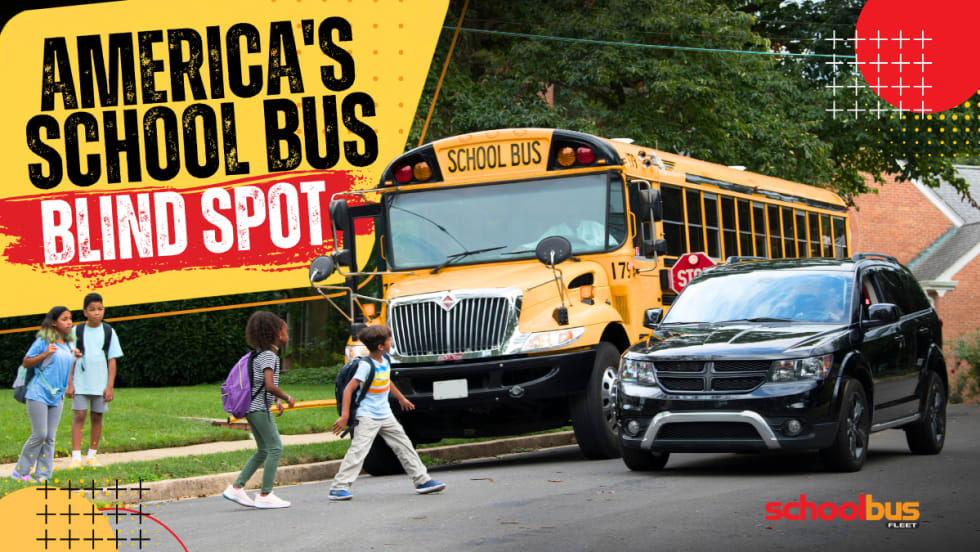
America Has a School Bus Passing Problem — and Distraction Is Making It Worse
Illegal school bus passing remains a major safety threat as distracted driving rises. This op-ed explores why awareness, enforcement, and stop-arm cameras matter more than ever.
Read More →
School Bus Laws to Watch: New York Delays EV Mandate
Plus, federal lawmakers seek new funding for school bus safety as states weigh stop-arm enforcement, disability protections, and education spending.
Read More →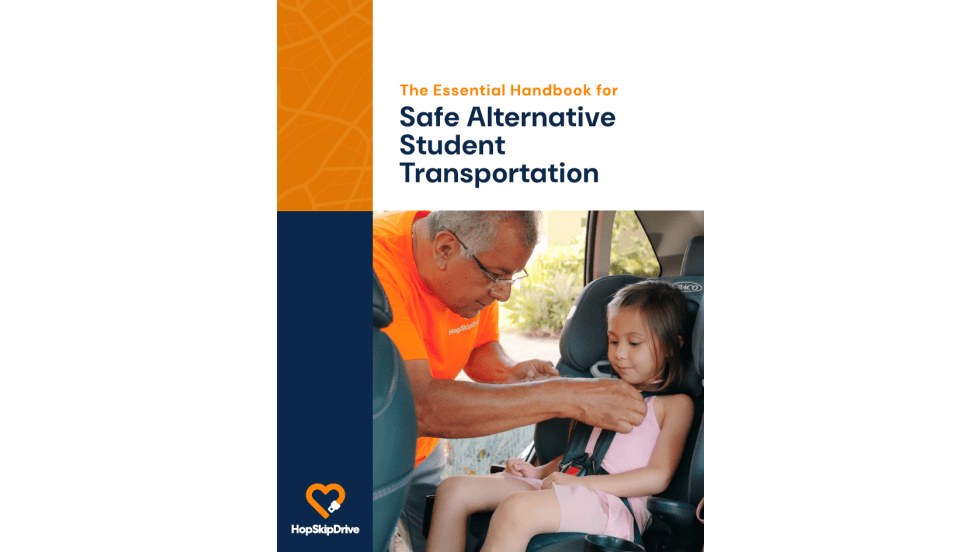
The Essential Handbook for Safe Alternative Student Transportation
Your district's "exception riders" — students with IEPs, those experiencing homelessness, foster care youth — deserve more than a middleman solution. This handbook breaks down exactly what to look for in a supplemental transportation partner: from driver vetting and regulatory compliance to proactive safety technology. Because getting a ride isn't the same as getting a safe one.
Read More →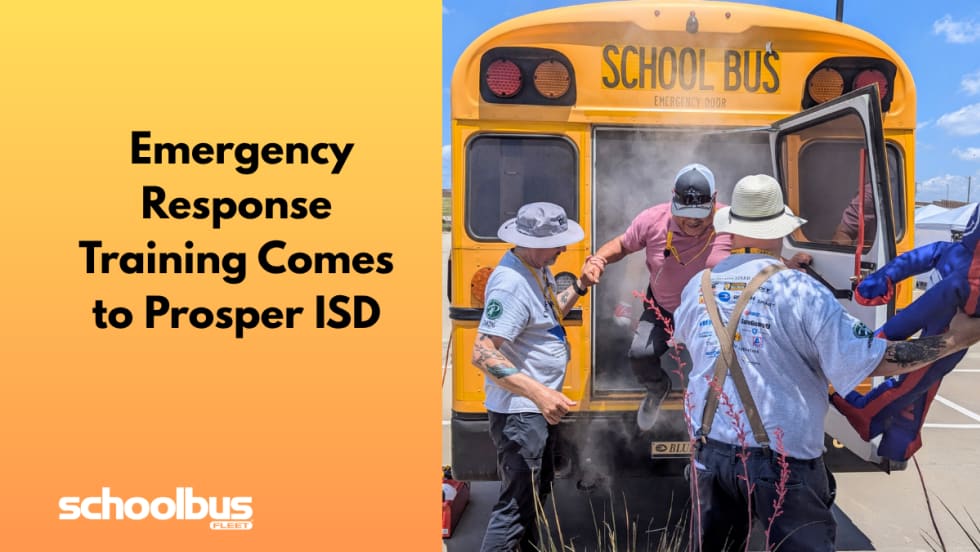
Operation STEER Brings Emergency Response Training to North Texas
Prosper ISD hosted the third annual training for transportation professionals across 67 districts to learn how to respond to emergencies, such as rollovers and evacuations, and proper use of safety equipment.
Read More →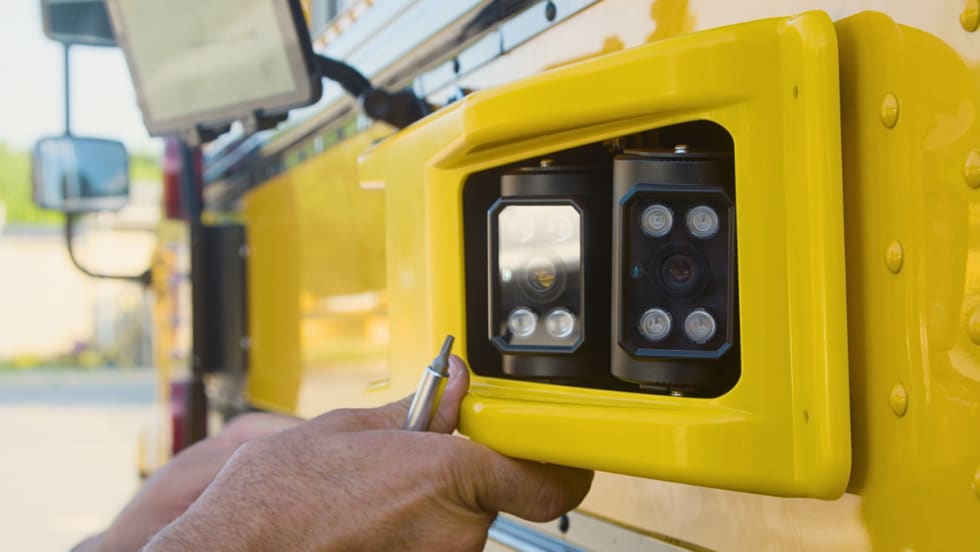
Florida District Relaunches BusPatrol School Bus Camera Program With New Safeguards
After being suspended over due process concerns, Miami-Dade schools and law enforcement are restarting the AI-powered stop-arm camera program with new oversight.
Read More →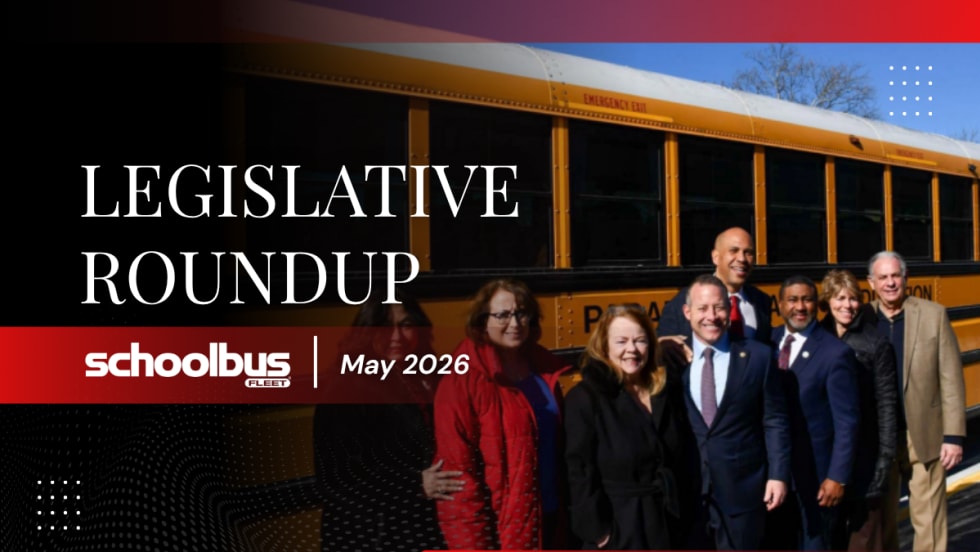
School Bus Laws To Watch: Seat Belt Bills, Funding Fights & EV Changes
From national bills on seat belts and driver oversight to driver awareness campaigns referencing “Finn’s Rule” and ongoing transportation funding debates in Alaska, here’s the latest in school bus legislation across the U.S.
Read More →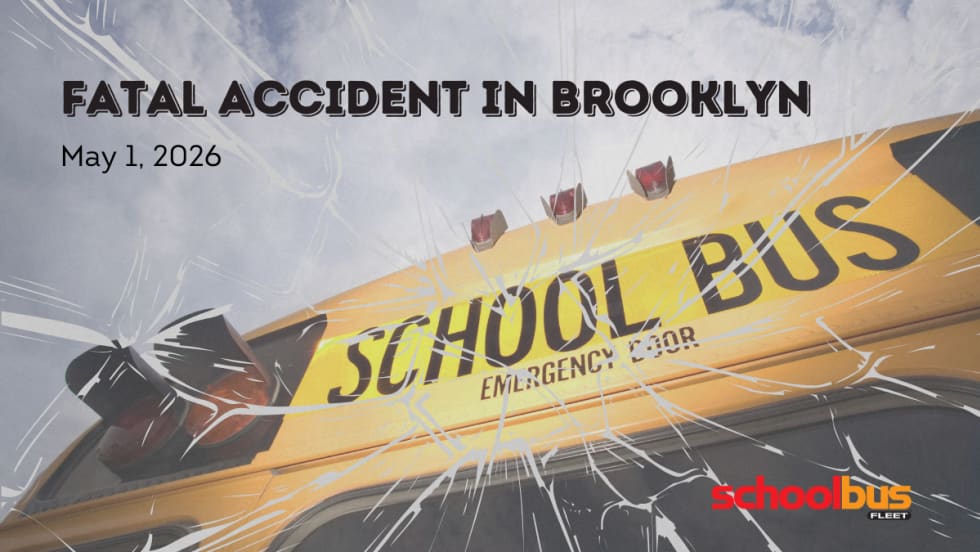
9-Year-Old Boy Killed by School Bus at Busy Brooklyn Intersection
A Williamsburg community is mourning after a child was fatally struck by a private yeshiva bus, prompting calls for urgent safety improvements at the high-traffic crossing.
Read More →
Does Reliable School Transportation Boost Attendance? EverDriven’s Data Says Yes
The new data shows 99.99% incident-free trips and strong on-time performance, reinforcing how dependable transportation, especially for vulnerable student populations, can help districts combat chronic absenteeism.
Read More →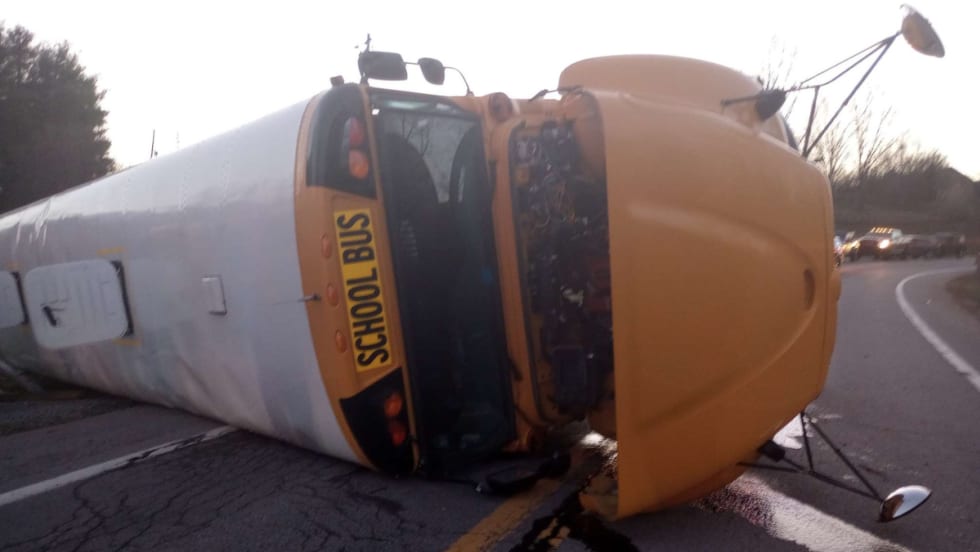
NTSB Calls for Alcohol Impairment Systems, Seat Belts After W.V. Crash Investigation
The federal agency's report asks NHTSA to require all new school buses to be equipped with vehicle-integrated alcohol detection systems and passenger lap-shoulder belts.
Read More →
2026 State of Student Transportation Report
Student transportation teams are being asked to do more with less, facing driver shortages, rising costs, and increasing safety expectations. This report uncovers how fleets are adapting, where technology is making the biggest impact, and why student ridership tracking is emerging as a top priority. Download the report to explore the key trends shaping 2026 and what they mean for your operation.
Read More →