




NHTSA sets school bus safety standards in new rule
NHTSA issued a final rule on school bus safety, raising the minimum height of seat backs, requiring lap-shoulder belts on small buses and setting standards for belts on large buses.

WASHINGTON, D.C. — The National Highway Traffic Safety Administration (NHTSA) on Wednesday issued a final rule on school bus safety, raising the minimum height of seat backs, requiring lap-shoulder belts on small buses and setting standards for belts on large buses.
The rule requires that all new school buses be equipped with 24-inch-high seat backs, a 4-inch increase on the height previously mandated.
In addition, school buses weighing less than 10,000 pounds will be required to have lap-shoulder belts, and all new buses will have to be equipped with a self-latching mechanism on seat bottom cushions that are designed to flip up or be removable without tools.
According to U.S. Transportation Secretary Mary Peters, higher seat backs will help prevent taller and heavier children from being thrown over the seat in a crash, while lap-shoulder belts help better protect passengers in small buses, which don’t absorb shock as well as larger buses.
“Even though riding in school buses is the safest form of travel in America today, any accident is still a tragedy,” Peters said. “Taken together, these steps are designed with a single purpose: making children safer.” The rule also lays out standards for seat belts on large school buses to improve safety and lower installation costs — schools will be allowed to use federal highway safety funds for the purchase and installation of seat belts on buses.
According to the rule, “Each state and local jurisdiction may decide whether to install seat belts on these large school buses.” NHTSA maintains that seat belts on large buses should not be installed when they reduce passenger capacity, forcing some students into other, statistically more dangerous modes of transportation to school.
In developing the safety standards, NHTSA tested new lap-shoulder-belt-equipped school bus seats that can accommodate two larger or three smaller students with a standard seat width of 39 inches. The agency also conducted crash tests and analyzed the more than 120 comments to its proposals laid out in a notice of proposed rulemaking issued last year.
In analyzing the use of lap-shoulder-belt-equipped seats on school buses, NHTSA had proposed a minimum seating position width of 15 inches per passenger, “to ensure that lap-shoulder belt anchorages are not installed so narrowly spaced that they would only fit the smallest occupants.”
In the final rule, however, a minimum width of 13 inches per passenger was permitted in order to accommodate the use of the 39-inch seats, which the agency noted can address the issue of reduced capacity that has come along with previous lap-shoulder-belt systems for school buses.
NHTSA issued the final rule earlier then anticipated, having announced this summer a target release date of early 2009. To read the new rule in its entirety, click here.
More Safety
School's Back. Here's What Happened to Traffic, Speeding & Distraction
What happens to traffic when school resumes? New data analysis examines changes in distracted driving, congestion, and speeding around schools.
Read More →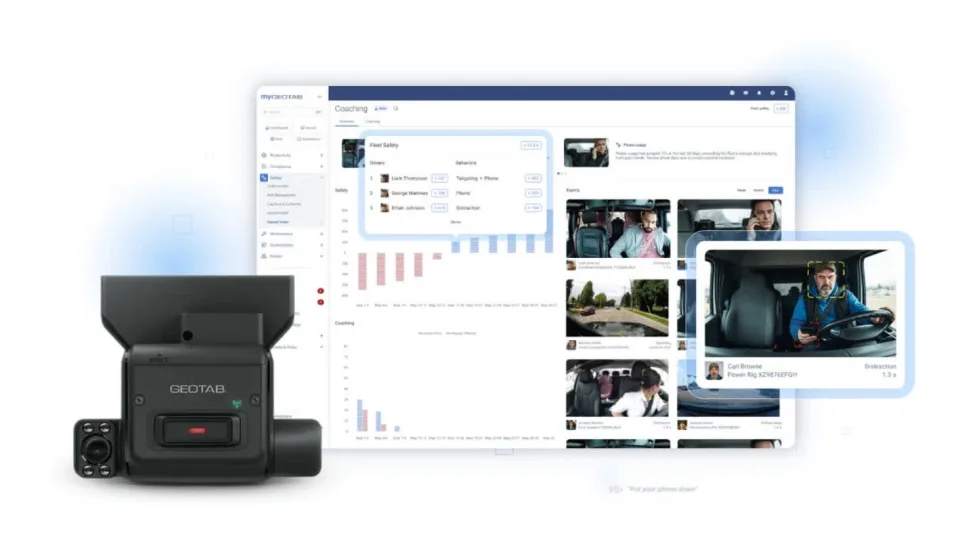
Geotab Expands Fleet Safety Tools With Video Coaching, Risk Insights
New safety and video capabilities aim to help fleet managers assess risk, support drivers, and take targeted action through video coaching, red-light violation detection, and more.
Read More →
How to Build a Better School Bus Driver Training Program
Is it time to strengthen your driver training? Here’s how to pick the right talent and improve recruitment, retention, and safety. This video is brought to you by IC Bus.
Read More →

Recent School Bus Accidents Leave 2 Dead, 2 Injured
Four school bus crashes in Florida, Illinois, and Georgia highlight risks in transportation lots, at bus stops, and during student loading and unloading.
Read More →
When Every Second Matters, Clarity Keeps Routes Moving
From routine delays to urgent incidents, strong communication practices help drivers, dispatchers, schools, and families respond with confidence.
Read More →
What Happens When a School Bus Catches Fire — and What Can Help
School bus fires are rare but can be devastating. Learn how advances in fire suppression and asset protection help fleets detect fires earlier, reduce damage, and improve safety.
Read More →
Geotab Launches Tool to Help Fleets Investigate Road Incidents
Geotab Investigations combines telematics data, video, documents, and other evidence to help fleets reconstruct incidents, resolve claims, and determine what happened.
Read More →
Texas Sixth Grader Wins 2026 National School Bus Safety Poster Contest
Sai Darshana Yekolu of Moseley Middle School in Prosper, Texas, was named the newest winner for her artwork, bringing the theme of “Safe Rides, Everyday Heroes” to life.
Read More →
Doing More With Less: How Transportation Directors Can Prioritize Safety Amid Budget Uncertainty
With diesel prices soaring and nearly one-third of transportation directors expecting budget cuts, maintaining student safety has never been more challenging. Download this guide to learn how leading districts are prioritizing risk, funding critical safety technology, and building stronger budget cases with data.
Read More →
Walton County Schools Adds Gatekeeper Stop-Arm Enforcement System
The Florida district will deploy Gatekeeper’s updated Student Protector technology, which now incorporates AI to improve video evidence.
Read More →