



States see flurry of bus developments
The summer was a busy season for the pupil transportation community, with school bus bills being passed and new programs being launched throughout the...

The summer was a busy season for the pupil transportation community, with school bus bills being passed and new programs being launched throughout the country. In addition to Illinois (covered in News Alert) and Louisiana (covered in separate Industry News story), these states logged some noteworthy developments:
Iowa: The state has published a new “School Bus Driver’s Handbook” — its first new edition since 1993. Max Christensen, school transportation executive officer for the Iowa Department of Education (IDE), said that while the old version was still quite useful, “many things have changed in the past 14 years.”
The IDE worked with one of the state’s area education agencies to develop the new handbook, which can be ordered for $1 per copy (to cover printing costs) or downloaded from the IDE Website.
New Mexico: The state embarked on a pilot project with Zonar Systems that provides GPS and student identification at what could be the largest single school bus stop in the country. Approximately 450 students from Palomas, Mexico, are bused from the border to New Mexico schools.
Gilbert Perea, assistant secretary for program support and student transportation at the New Mexico Public Education Department, said that technology could help in coordinating the operation while enhancing border security.
New Mexico has also received funding for and is in the process of requesting proposals to install GPS in all of the state’s school buses by the end of the fiscal year.
West Virginia: The West Virginia Department of Education (WVDE) created an online state driver certification process to help with identification of all state drivers and to ensure that drivers stay current on all of their credentials. Ben Shew, executive director of school transportation at the WVDE, said that the department is considering adding bus accident information to the program as well.
The state was also preparing to launch an online testing and training program. The program, Advanced Systems Technology’s Safe Transit, will facilitate recertification for returning drivers and certification for new drivers. The training modules can be used by an individual driver or in a class setting. Shew said that the the program “will assure test security and the proper chain of custody.”
New York: Gov. Eliot Spitzer signed a bill aimed at reducing school bus idling. The bill directs the commissioner of education to require that certain school districts — particularly those with a significant number of children who have asthma — minimize the idling of school buses parked at schools.
State law already restricts bus and truck idling to five consecutive minutes. Under the new legislation, the commissioner can require that school buses be turned off at schools unless idling is necessary for heating, mechanical or emergency conditions.
South Carolina: The state’s General Assembly adopted extensive new school bus legislation during its last session. Among them is the creation of a new, multi-level certification program for school bus drivers. Donald Tudor, director of the Office of Transportation at the South Carolina Department of Education (SCDE), said that a special committee was formed to design the criteria for the new program. The committee includes representatives from school districts, the Department of Motor Vehicles, police agencies, independent schools and the SCDE.
More Safety
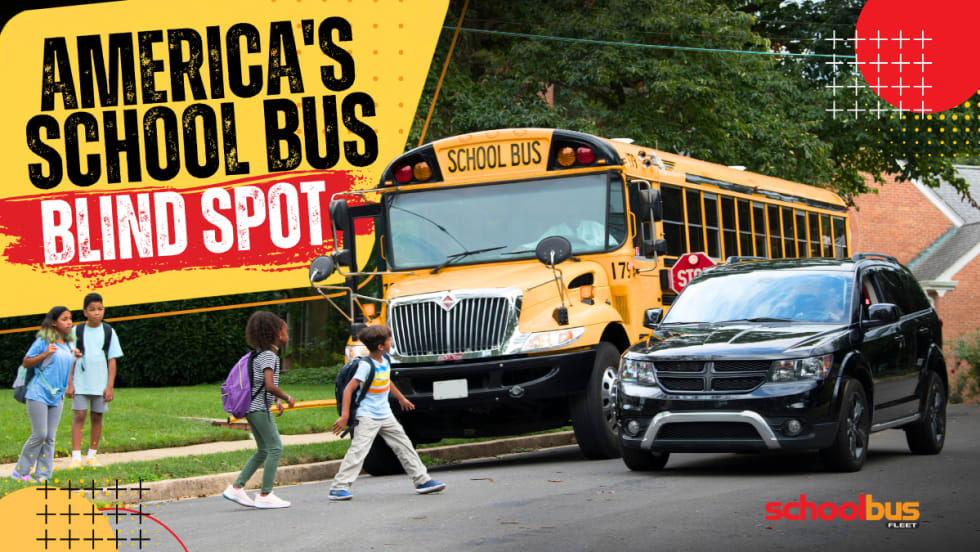
America Has a School Bus Passing Problem — and Distraction Is Making It Worse
Illegal school bus passing remains a major safety threat as distracted driving rises. This op-ed explores why awareness, enforcement, and stop-arm cameras matter more than ever.
Read More →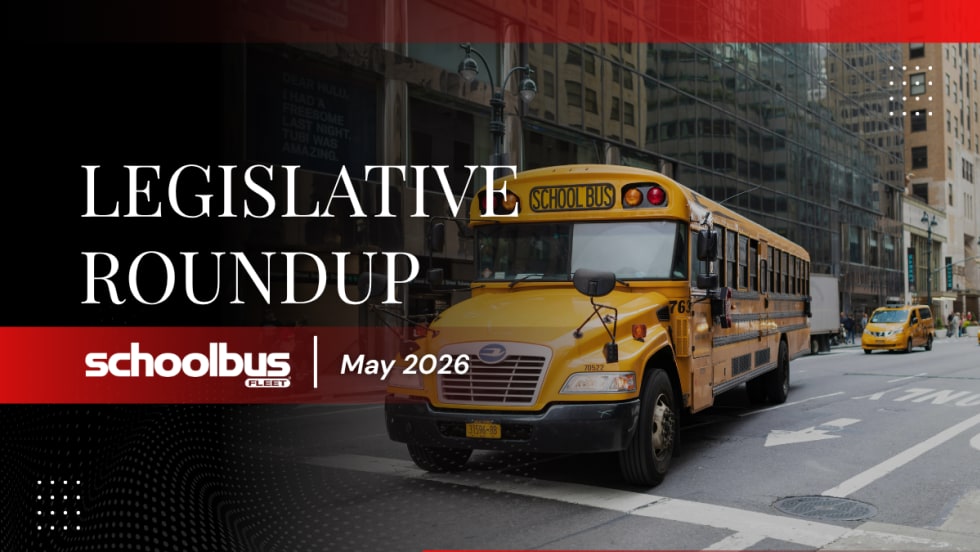
School Bus Laws to Watch: New York Delays EV Mandate
Plus, federal lawmakers seek new funding for school bus safety as states weigh stop-arm enforcement, disability protections, and education spending.
Read More →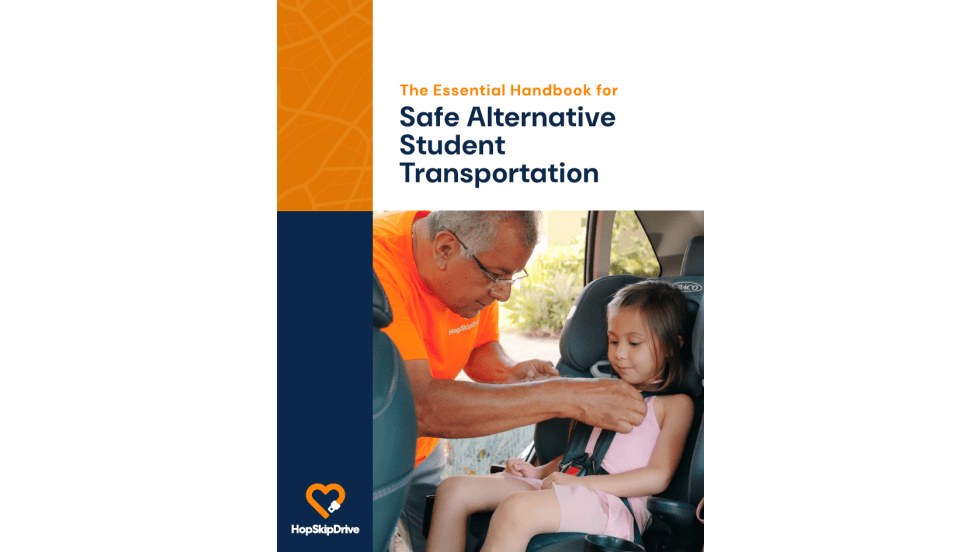
The Essential Handbook for Safe Alternative Student Transportation
Your district's "exception riders" — students with IEPs, those experiencing homelessness, foster care youth — deserve more than a middleman solution. This handbook breaks down exactly what to look for in a supplemental transportation partner: from driver vetting and regulatory compliance to proactive safety technology. Because getting a ride isn't the same as getting a safe one.
Read More →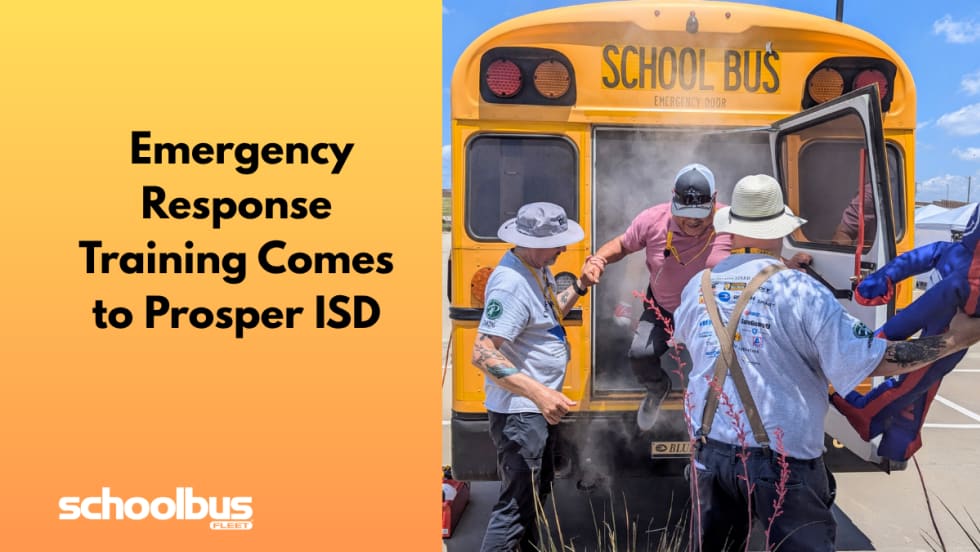
Operation STEER Brings Emergency Response Training to North Texas
Prosper ISD hosted the third annual training for transportation professionals across 67 districts to learn how to respond to emergencies, such as rollovers and evacuations, and proper use of safety equipment.
Read More →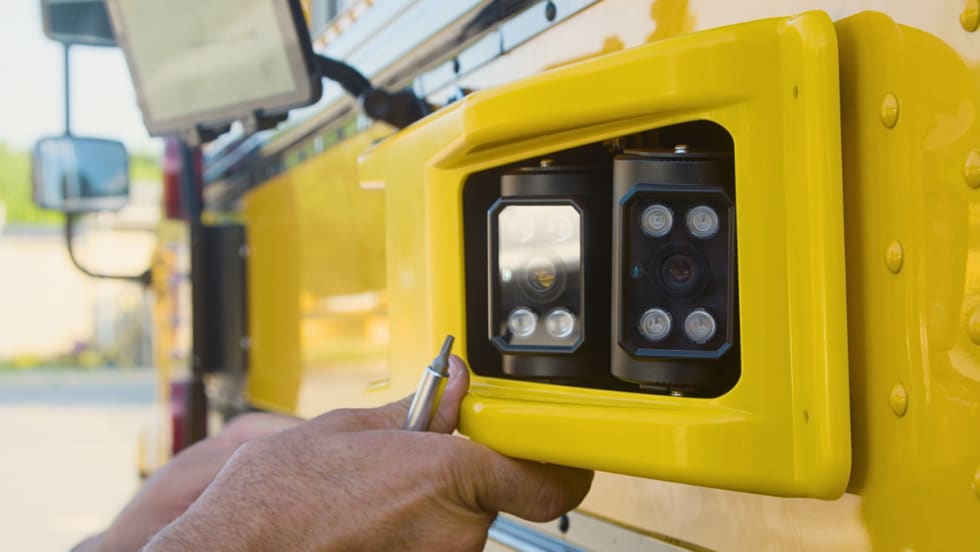
Florida District Relaunches BusPatrol School Bus Camera Program With New Safeguards
After being suspended over due process concerns, Miami-Dade schools and law enforcement are restarting the AI-powered stop-arm camera program with new oversight.
Read More →
School Bus Laws To Watch: Seat Belt Bills, Funding Fights & EV Changes
From national bills on seat belts and driver oversight to driver awareness campaigns referencing “Finn’s Rule” and ongoing transportation funding debates in Alaska, here’s the latest in school bus legislation across the U.S.
Read More →
9-Year-Old Boy Killed by School Bus at Busy Brooklyn Intersection
A Williamsburg community is mourning after a child was fatally struck by a private yeshiva bus, prompting calls for urgent safety improvements at the high-traffic crossing.
Read More →
Does Reliable School Transportation Boost Attendance? EverDriven’s Data Says Yes
The new data shows 99.99% incident-free trips and strong on-time performance, reinforcing how dependable transportation, especially for vulnerable student populations, can help districts combat chronic absenteeism.
Read More →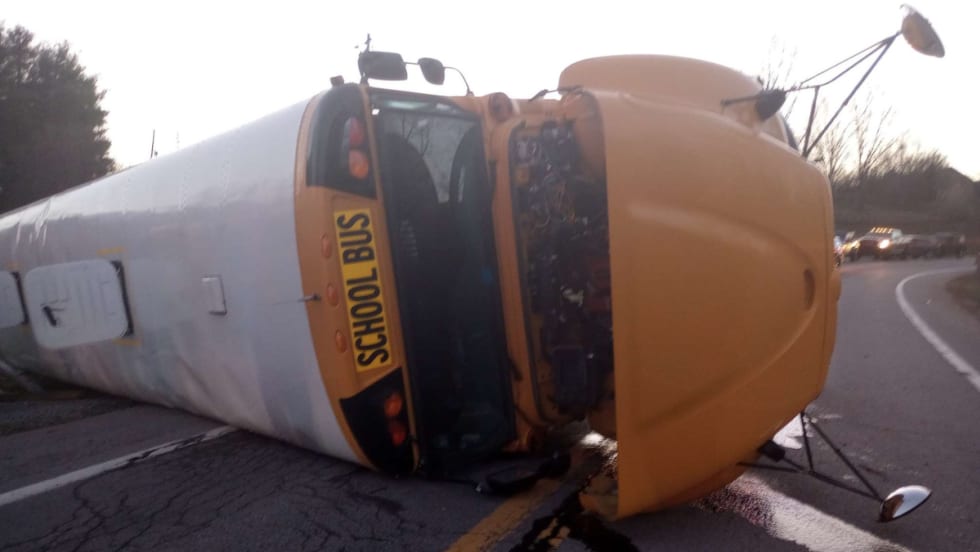
NTSB Calls for Alcohol Impairment Systems, Seat Belts After W.V. Crash Investigation
The federal agency's report asks NHTSA to require all new school buses to be equipped with vehicle-integrated alcohol detection systems and passenger lap-shoulder belts.
Read More →
2026 State of Student Transportation Report
Student transportation teams are being asked to do more with less, facing driver shortages, rising costs, and increasing safety expectations. This report uncovers how fleets are adapting, where technology is making the biggest impact, and why student ridership tracking is emerging as a top priority. Download the report to explore the key trends shaping 2026 and what they mean for your operation.
Read More →