



Ambitious federal act raises eyebrows
Signed into law in January and slated for implementation in the 2002-2003 school year, President Bush's "No Child Left Behind Act" (NCLBA) has present...

Signed into law in January and slated for implementation in the 2002-2003 school year, President Bush's "No Child Left Behind Act" (NCLBA) has presented myriad questions and challenges to school transportation professionals across the nation. Under the legislation, which aims to give all public school students equal educational opportunity, school districts must offer students enrolled in schools identified as struggling the choice to transfer to a school with a more satisfactory academic record. The transfers will be provided at public expense, and school districts are responsible for implementing plans to achieve the intended academic parity. "Each state must establish a definition of 'adequate yearly progress' to use each year to determine the achievement of each school district and school," said U.S. Education Secretary Rod Paige in a June 14 letter. If a school fails to meet the standard for two consecutive years, it must provide public school choice. The letter, which can be viewed online at www.ed.gov/News/Letters/020614.html, states that unless a smaller amount is needed, a school district must set aside for transportation at least 5 percent but not more than 15 percent of Title I funds. These federal funds would supplement state money already allocated for transportation. Some districts with schools having a history of low test scores have already begun implementing plans for next fall. Montgomery County Public Schools in Rockville, Md., is one such school district. "What the school system has done is paired each of the under-performing schools with schools that were not in that category that had physical space to take on a larger enrollment," said Dr. Stephen Raucher, director of transportation for Montgomery County. "We are having an open registration period, and once we receive a list of how many students it's going to be, we'll route them." Several department of education officials have provided SBF with updates on what is currently being done in their states to meet the requirements of NCLBA. Here is a summary of their reports: Florida
So far only four school districts in Florida have been identified as having low-achieving schools and will need to develop school transportation strategies for parents who choose to send their children to higher-achieving schools. Transportation budgets in these districts will face increased fuel costs since students' new school choices will require that they be transported greater distances. This may also result in a need for additional drivers, school buses, technicians and routing personnel. It is unclear where sufficient funding will come from, as state legislators have recently made difficult budget cuts in education.
Source: Herman Carter, senior transportation safety specialistHawaii
The Hawaii Department of Education is developing guidelines for the personnel responsible for identifying students who are currently eligible to transfer. Verbal instructions have been given to school districts stating that they will be responsible for prioritizing eligible students. Highest priority will be given to the lowest ranking students from low-income families. The programs will impact a state transportation budget that is already anticipating a $4 million deficit for the 2002-2003 school year. The office developing the guidelines has been given criteria for determining how transportation will be funded.
Source: Cynthia Kawachi, state manager of student transportationNevada
The Nevada Legislative Committee on Education met on June 19th where the Superintendents Assn. made a presentation to request their share of state funding for the act. Because transportation issues were not included in the request, the directors of transportation in the state made a presentation with their own proposed legislative changes. Ultimately, the state committee rebuffed the superintendents, asking them to provide a more detailed funding request, which would include transportation. That report is forthcoming.
Source: Diane Hollander, state pupil transportation program managerNew Mexico
The state has identified approximately 30 schools that are subject to Title I funds for public school choice. Although the U.S. Department of Education has not established specific guidelines, it has provided some guidance to school districts that have identified schools needing improvement. We have required these districts to attend workshops held by the Title I and transportation units of the department of education, and a timetable has been set for implementation of new programs for the upcoming school year.
Source: Gilbert Perea, state director of pupil transportation
More Safety
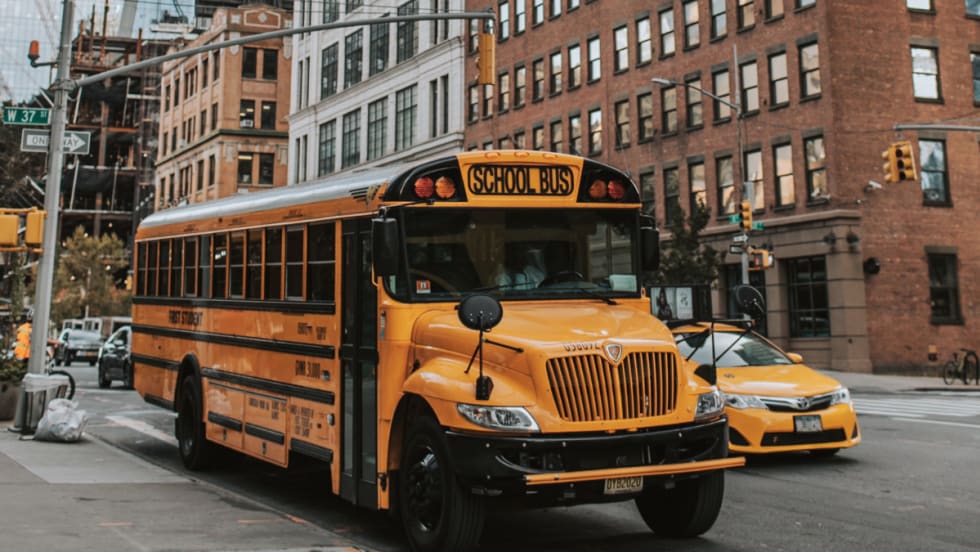
NY Coalition Calls for Modernized Transportation for Vulnerable Students
A new statewide coalition is urging New York lawmakers to expand student transportation options for vulnerable students amid ongoing driver shortages.
Read More →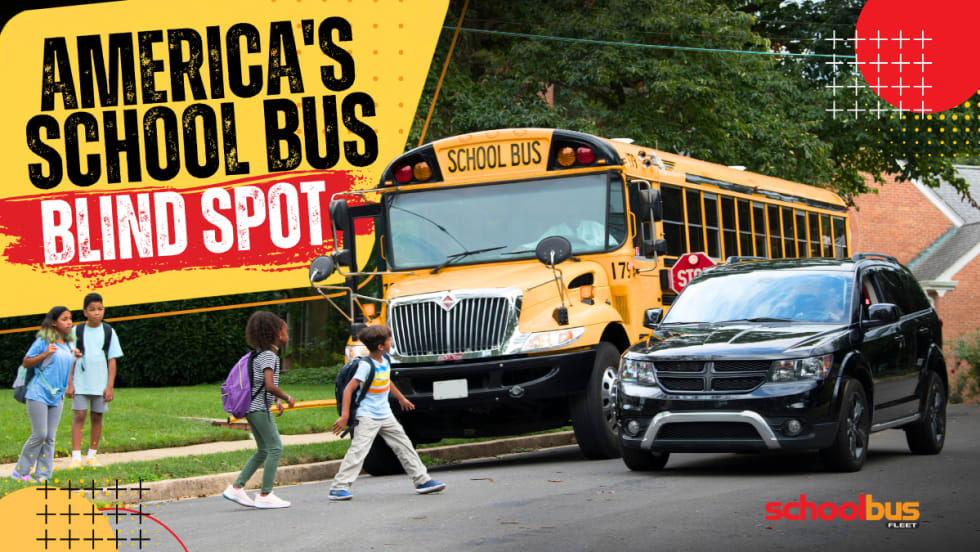
America Has a School Bus Passing Problem — and Distraction Is Making It Worse
Illegal school bus passing remains a major safety threat as distracted driving rises. This op-ed explores why awareness, enforcement, and stop-arm cameras matter more than ever.
Read More →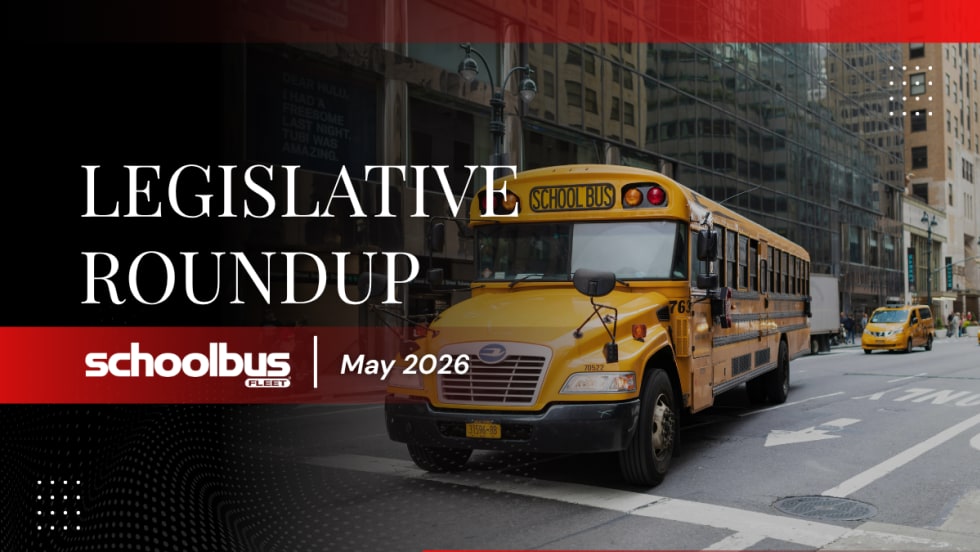
School Bus Laws to Watch: New York Delays EV Mandate
Plus, federal lawmakers seek new funding for school bus safety as states weigh stop-arm enforcement, disability protections, and education spending.
Read More →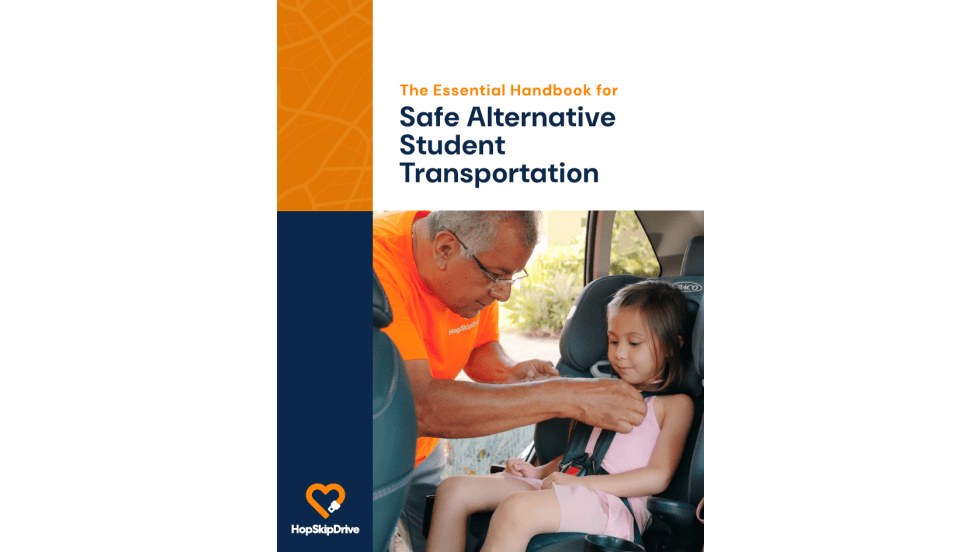
The Essential Handbook for Safe Alternative Student Transportation
Your district's "exception riders" — students with IEPs, those experiencing homelessness, foster care youth — deserve more than a middleman solution. This handbook breaks down exactly what to look for in a supplemental transportation partner: from driver vetting and regulatory compliance to proactive safety technology. Because getting a ride isn't the same as getting a safe one.
Read More →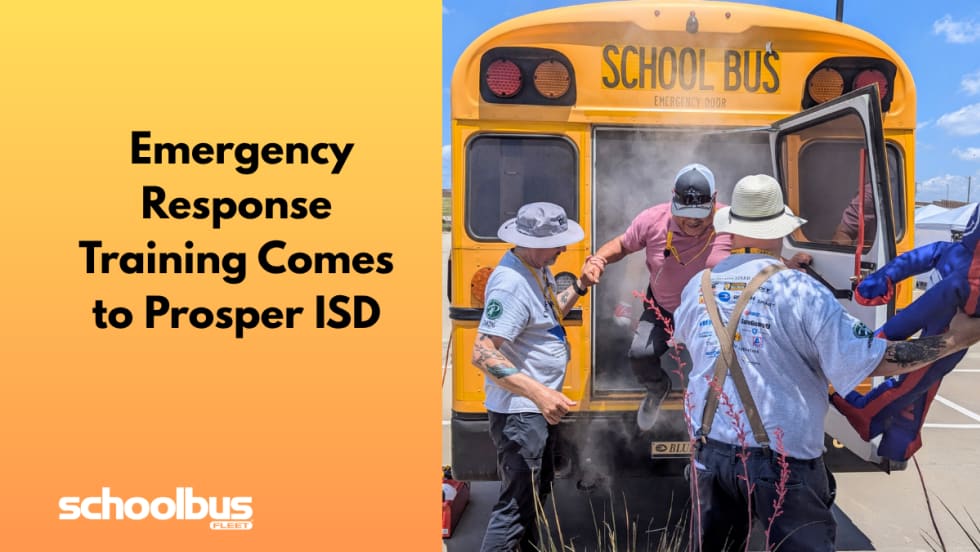
Operation STEER Brings Emergency Response Training to North Texas
Prosper ISD hosted the third annual training for transportation professionals across 67 districts to learn how to respond to emergencies, such as rollovers and evacuations, and proper use of safety equipment.
Read More →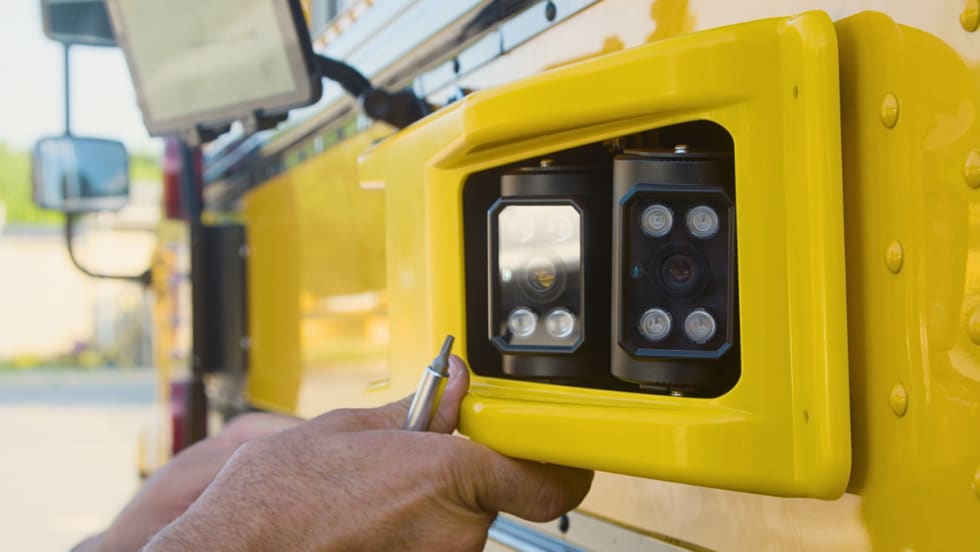
Florida District Relaunches BusPatrol School Bus Camera Program With New Safeguards
After being suspended over due process concerns, Miami-Dade schools and law enforcement are restarting the AI-powered stop-arm camera program with new oversight.
Read More →
School Bus Laws To Watch: Seat Belt Bills, Funding Fights & EV Changes
From national bills on seat belts and driver oversight to driver awareness campaigns referencing “Finn’s Rule” and ongoing transportation funding debates in Alaska, here’s the latest in school bus legislation across the U.S.
Read More →
9-Year-Old Boy Killed by School Bus at Busy Brooklyn Intersection
A Williamsburg community is mourning after a child was fatally struck by a private yeshiva bus, prompting calls for urgent safety improvements at the high-traffic crossing.
Read More →
Does Reliable School Transportation Boost Attendance? EverDriven’s Data Says Yes
The new data shows 99.99% incident-free trips and strong on-time performance, reinforcing how dependable transportation, especially for vulnerable student populations, can help districts combat chronic absenteeism.
Read More →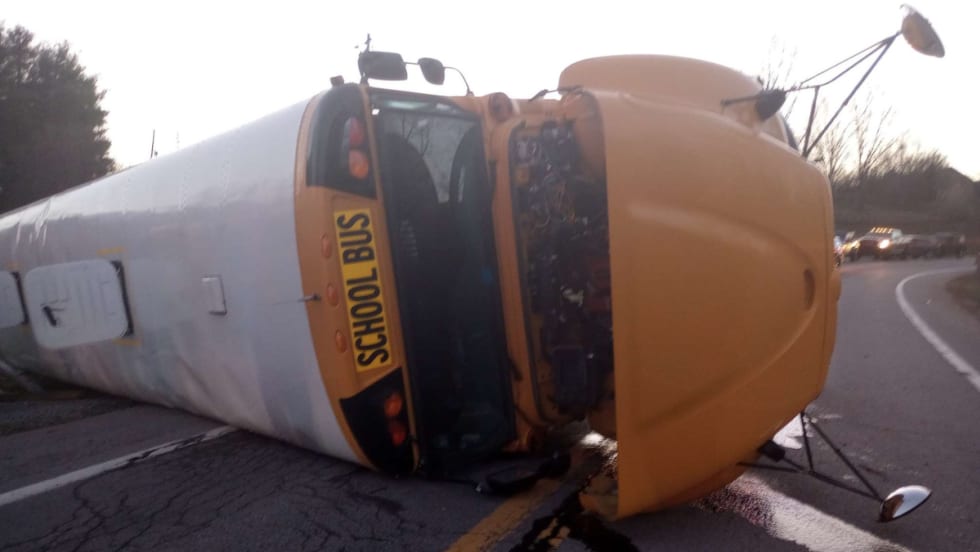
NTSB Calls for Alcohol Impairment Systems, Seat Belts After W.V. Crash Investigation
The federal agency's report asks NHTSA to require all new school buses to be equipped with vehicle-integrated alcohol detection systems and passenger lap-shoulder belts.
Read More →