



Childcare providers address the transportation dilemma
Attendees of the National Child Care Association's (NCCA) annual conference in Las Vegas in mid-March put their heads together in an attempt to unders...
Attendees of the National Child Care Association's (NCCA) annual conference in Las Vegas in mid-March put their heads together in an attempt to understand the regulations governing childcare transportation. In a session titled "So, You Need to Buy a Bus?" a panel of experts updated NCCA members on the federal and state policies governing childcare transportation and the vehicle options available to childcare transporters.
The presenters included John Womack, acting chief counsel at the National Highway Traffic Safety Administration (NHTSA); Doug Meyers, risk manager for Aramark Transportation Services in Colorado; Charlie Gauthier, executive director of the National Association of State Directors of Pupil Transportation Services (NASDPTS); and Ron Campbell, school bus sales manager at Girardin Minibus in Drummondville, Quebec.
Federal regs and enforcement
The overriding concern of attendees was whether or not they were breaking the law by purchasing and using vans to transport the children in their programs. "Am I operating illegally?" asked one attendee from Pennsylvania who recently purchased some vans. Gauthier explained that it is the vendor, not the purchaser, who is held accountable by NHTSA, which regulates the manufacture and first sale of vehicles.
Effective February 20, 2001, vendors are supposed to sell only school buses or allowable alternate vehicles to Head Start agencies. Childcare providers, however, have trouble understanding where exactly they stand. There is currently no federal prohibition of the use of vans by childcare providers. Panelists urged attendees to check into their state laws, which may be more stringent than federal standards. But regardless of the laws, panelists said it is clear that school buses (or allowable alternate vehicles) are the safest choice for childcare transportation. "The ultimate regulator is not the state; it's the jury," said Gauthier.
Conforming vehicles and operators
Campbell of Girardin Minibus showed slides of the small buses available from various manufacturers, including Girardin's CBII Community Bus, designed specifically for childcare transportation. "It's very true that we basically build a different bus for every state," he said. The goal is to make one that will fit users' needs nationwide, said Campbell.
Meyers addressed the issue of training for drivers of commercial vehicles, including pre-employment requirements, drug and alcohol testing and U.S. Department of Transportation (DOT) regulations. Meyers explained that you should have a file on each of your commercial vehicles, listing its inspections and other information. The DOT number should be affixed to all commercial vehicles with a capacity of eight or more passengers. "The DOT likes to come in and take a look. Be prepared to show these things off," he said, adding that his operation had just been audited earlier that week. The bottom line, he said, is that these regulations and inspections help make drivers safer.
Panelists explained that the childcare sector has grown tremendously since the early 1970s. Childcare transportation programs have also grown, but without much attention from regulatory agencies. Attendees expressed interest in working with schools to transport children from childcare centers to school and back again. Audience member Jill Eiland of KinderCare Learning Centers Inc. in Portland, Ore., said that she would like to see schools picking up and dropping off at childcare centers. "We don't want to be in the transportation business," she said.
More Safety
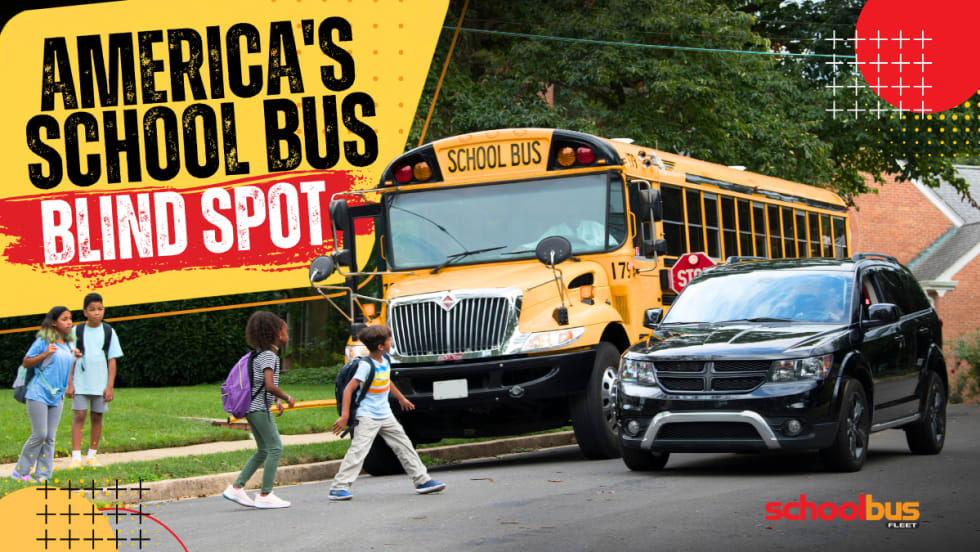
America Has a School Bus Passing Problem — and Distraction Is Making It Worse
Illegal school bus passing remains a major safety threat as distracted driving rises. This op-ed explores why awareness, enforcement, and stop-arm cameras matter more than ever.
Read More →
School Bus Laws to Watch: New York Delays EV Mandate
Plus, federal lawmakers seek new funding for school bus safety as states weigh stop-arm enforcement, disability protections, and education spending.
Read More →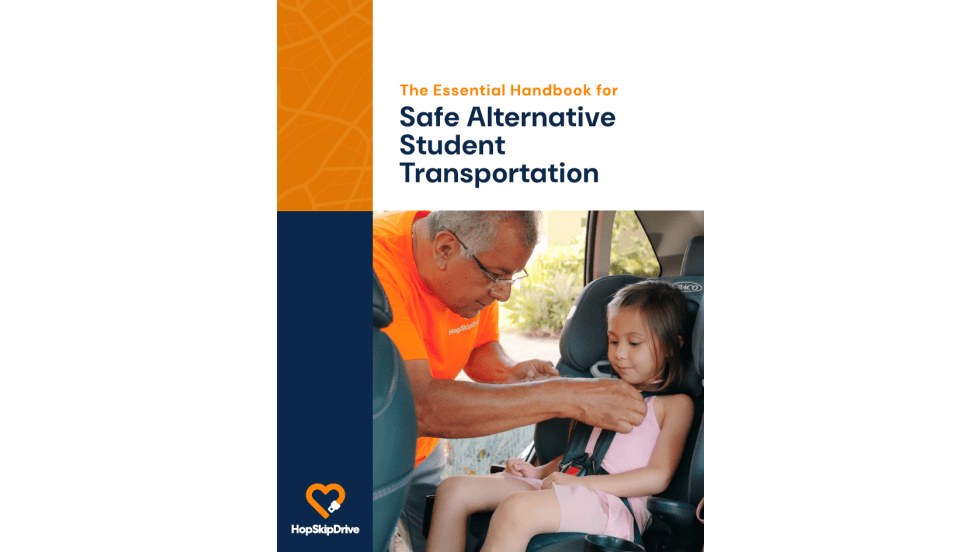
The Essential Handbook for Safe Alternative Student Transportation
Your district's "exception riders" — students with IEPs, those experiencing homelessness, foster care youth — deserve more than a middleman solution. This handbook breaks down exactly what to look for in a supplemental transportation partner: from driver vetting and regulatory compliance to proactive safety technology. Because getting a ride isn't the same as getting a safe one.
Read More →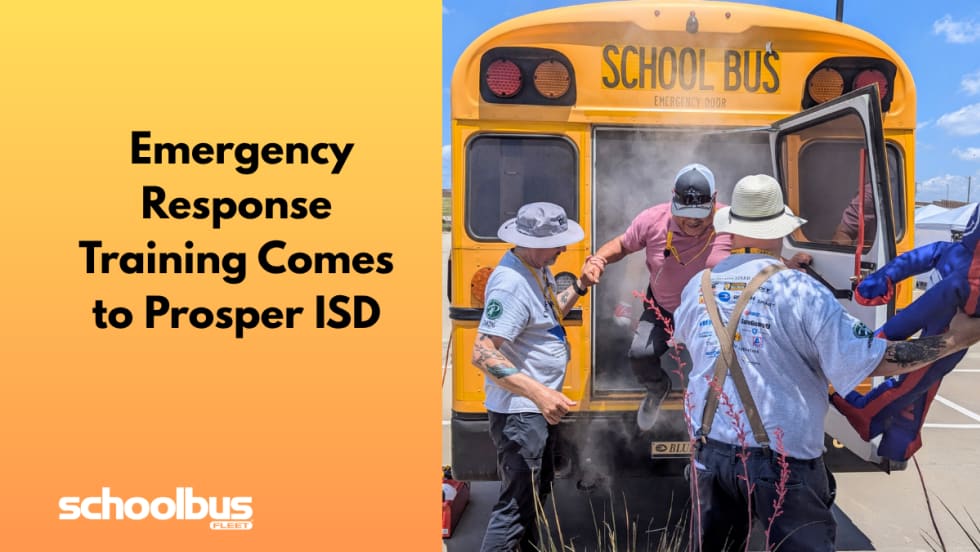
Operation STEER Brings Emergency Response Training to North Texas
Prosper ISD hosted the third annual training for transportation professionals across 67 districts to learn how to respond to emergencies, such as rollovers and evacuations, and proper use of safety equipment.
Read More →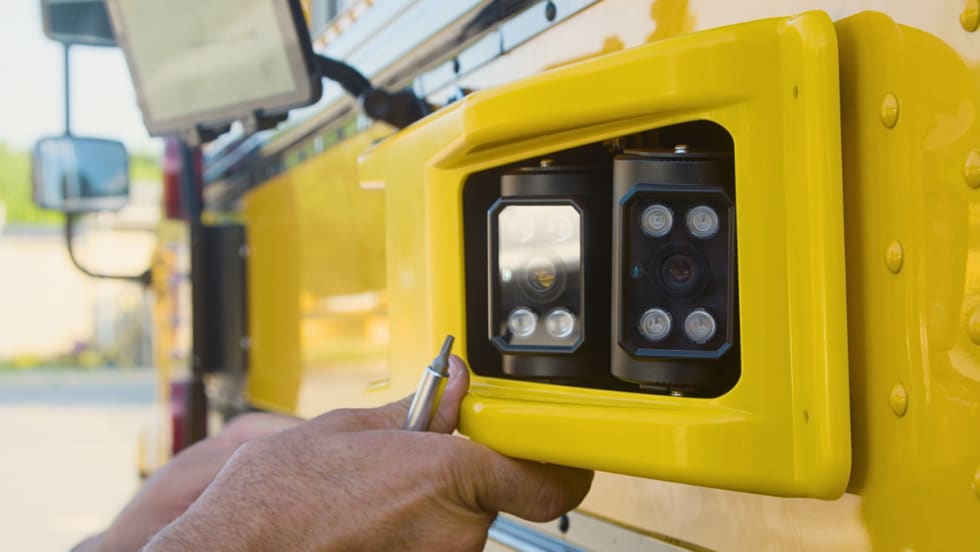
Florida District Relaunches BusPatrol School Bus Camera Program With New Safeguards
After being suspended over due process concerns, Miami-Dade schools and law enforcement are restarting the AI-powered stop-arm camera program with new oversight.
Read More →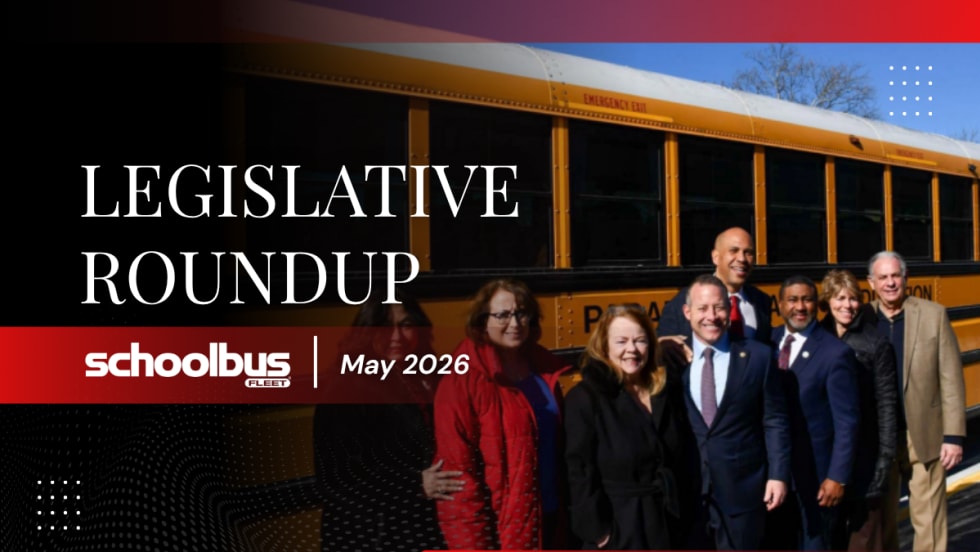
School Bus Laws To Watch: Seat Belt Bills, Funding Fights & EV Changes
From national bills on seat belts and driver oversight to driver awareness campaigns referencing “Finn’s Rule” and ongoing transportation funding debates in Alaska, here’s the latest in school bus legislation across the U.S.
Read More →
9-Year-Old Boy Killed by School Bus at Busy Brooklyn Intersection
A Williamsburg community is mourning after a child was fatally struck by a private yeshiva bus, prompting calls for urgent safety improvements at the high-traffic crossing.
Read More →
Does Reliable School Transportation Boost Attendance? EverDriven’s Data Says Yes
The new data shows 99.99% incident-free trips and strong on-time performance, reinforcing how dependable transportation, especially for vulnerable student populations, can help districts combat chronic absenteeism.
Read More →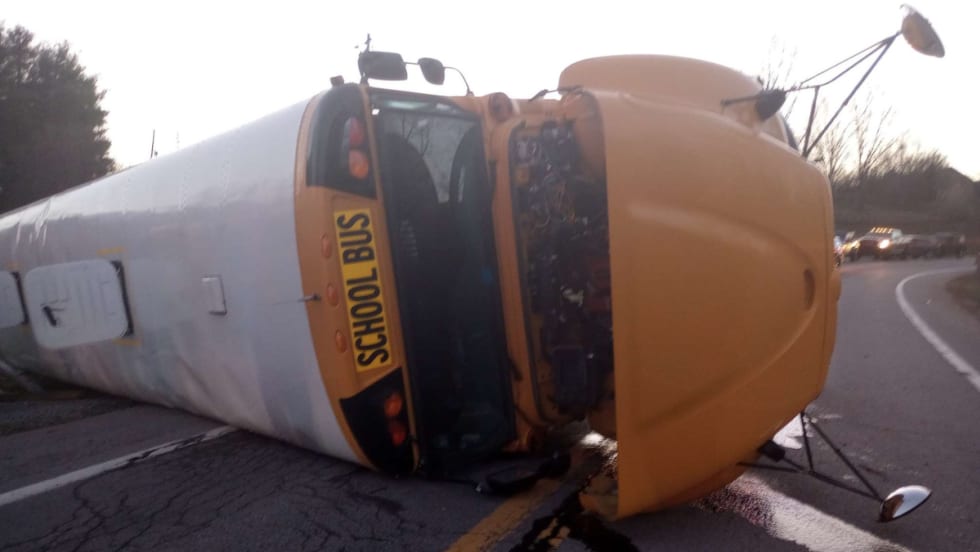
NTSB Calls for Alcohol Impairment Systems, Seat Belts After W.V. Crash Investigation
The federal agency's report asks NHTSA to require all new school buses to be equipped with vehicle-integrated alcohol detection systems and passenger lap-shoulder belts.
Read More →
2026 State of Student Transportation Report
Student transportation teams are being asked to do more with less, facing driver shortages, rising costs, and increasing safety expectations. This report uncovers how fleets are adapting, where technology is making the biggest impact, and why student ridership tracking is emerging as a top priority. Download the report to explore the key trends shaping 2026 and what they mean for your operation.
Read More →