



Let unbiased experts develop national specs, procedures
During the past 60 years, school transportation professionals from around the United States have gathered on 13 occasions to develop specifications and recommendations for the industry.
During the past 60 years, school transportation professionals from around the United States have gathered on 13 occasions to develop specifications and recommendations for the industry. At these National Conferences on School Transportation (NCST), state delegations reviewed existing specifications and established new bus specifications and operating procedures. In the early years, the NCST provided the only source of national recommendations for the development of safe, comfortable and efficient school bus transportation. In the late 1960s, the federal government became actively involved in pupil transportation through the issuance of Federal Motor Vehicle Safety Standards. To a large extent, the standards issued by the National Highway Traffic Safety Administration and the specifications and operating procedures recommended by the NCST resulted in school buses being the safest form of highway travel in the United States. An enviable record!
Is there a better procedure?
While the delegates to the NCST have done a great job, can we do even better? Can we benefit from the experiences and processes of other organizations? In 1980, Stanley Abercrombie, chairman of the Ninth National Conference, spoke at the National Safety Council’s World Congress and suggested that the process used by the American National Standards Institute (ANSI) might be used to “raise the status and acceptance” of the work of the NCST. A large number of organizations use a formal consensus approach to develop industry specifications and standards. The approach is simple. A panel of recognized experts develops a technically defensible specification or standard based on sound science and unbiased judgment. Modern technology may provide a compelling reason for the school transportation industry to consider alternative means of developing school bus specifications. We have seen dramatic advances in school bus technologies in recent years, and advances are likely to continue. As the design and construction of school buses become more complex, it is critical that the individuals establishing industry specifications are highly qualified experts. The safety of our children is too important to do otherwise.
Why not use unbiased experts?
One approach would be similar to that followed by ANSI and others — put together a panel of the best experts available on each topic and allow them to develop the specifications and procedures for our industry. These experts can come from industry, users and regulators. But, they must be recognized experts on the subject and not be biased by pre-existing conditions in their industry, state, school district or agency. In other words, put together a panel of experts that will truly assess the issues and not make decisions based on the statutory or regulatory situation in one’s home state or school district. There is no question that the NCST delegates are dedicated to the safety of the children they transport. However, it is clear that a portion of the debate and voting that occurs in Warrensburg, Mo., every five years is strongly influenced by some delegates’ desires to match the school bus specifications and procedures to what exists in their state or school district. Many question the efficacy of such decision-making. The question before us is simple — given the complexity of our school buses and how they are operated, and given the vast amount of knowledge and resources that we have to look at issues/problems and potential solutions, are we developing the National School Transportation Specifications and Procedures in the best possible way? Let us not sit and be happy that we have done a great job over the past 60 years. Let us look forward and decide if we can do better. I believe that the children we transport deserve the best, and that sometimes means changing the way we do things.
Pete Baxter is president of the National Association of State Directors of Pupil Transportation Services.
More Safety
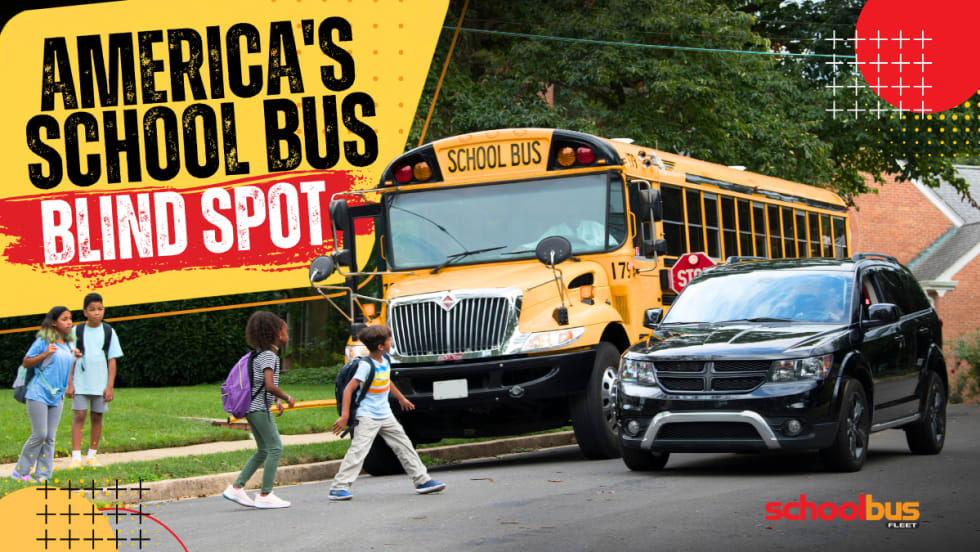
America Has a School Bus Passing Problem — and Distraction Is Making It Worse
Illegal school bus passing remains a major safety threat as distracted driving rises. This op-ed explores why awareness, enforcement, and stop-arm cameras matter more than ever.
Read More →
School Bus Laws to Watch: New York Delays EV Mandate
Plus, federal lawmakers seek new funding for school bus safety as states weigh stop-arm enforcement, disability protections, and education spending.
Read More →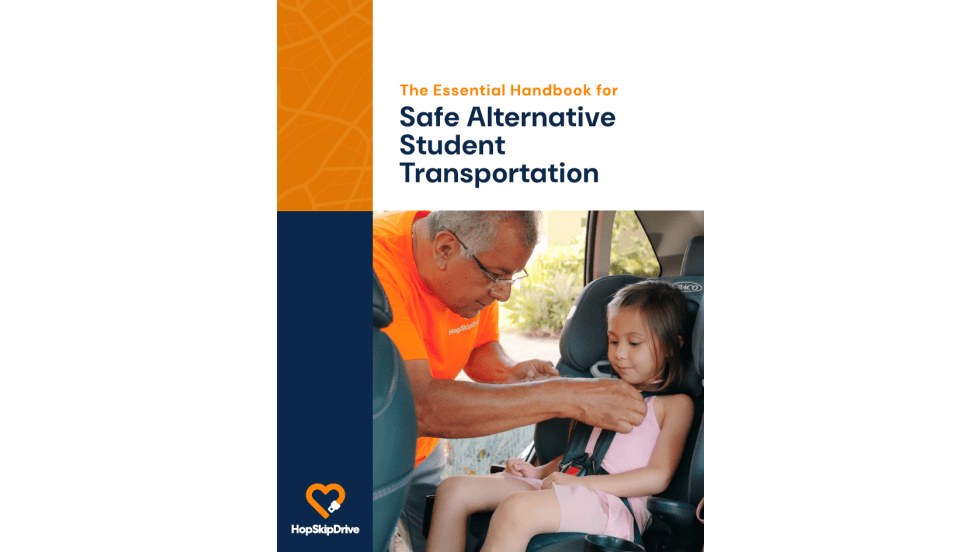
The Essential Handbook for Safe Alternative Student Transportation
Your district's "exception riders" — students with IEPs, those experiencing homelessness, foster care youth — deserve more than a middleman solution. This handbook breaks down exactly what to look for in a supplemental transportation partner: from driver vetting and regulatory compliance to proactive safety technology. Because getting a ride isn't the same as getting a safe one.
Read More →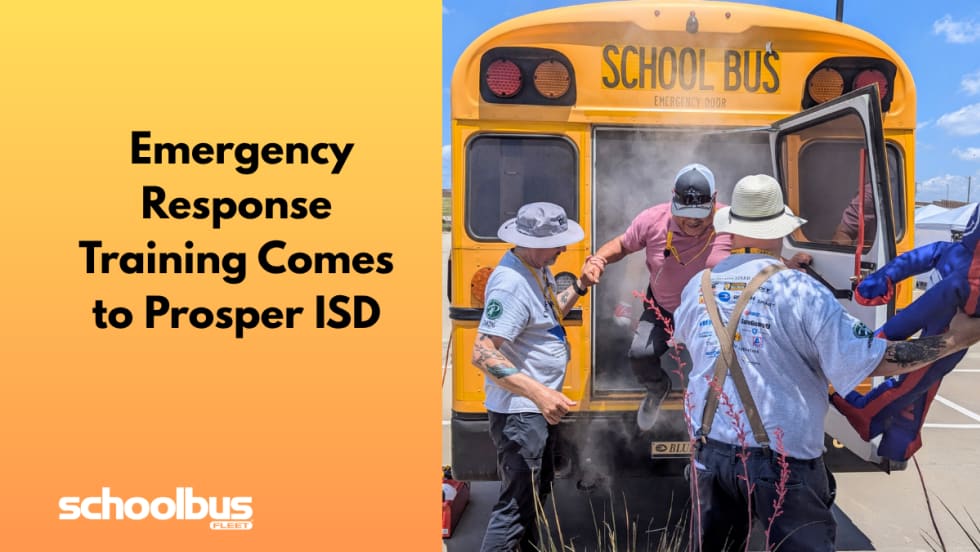
Operation STEER Brings Emergency Response Training to North Texas
Prosper ISD hosted the third annual training for transportation professionals across 67 districts to learn how to respond to emergencies, such as rollovers and evacuations, and proper use of safety equipment.
Read More →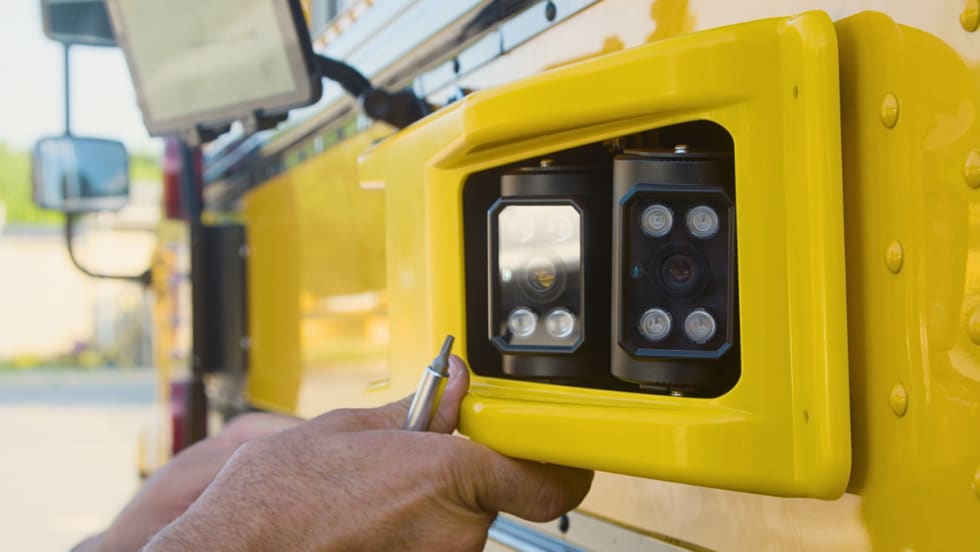
Florida District Relaunches BusPatrol School Bus Camera Program With New Safeguards
After being suspended over due process concerns, Miami-Dade schools and law enforcement are restarting the AI-powered stop-arm camera program with new oversight.
Read More →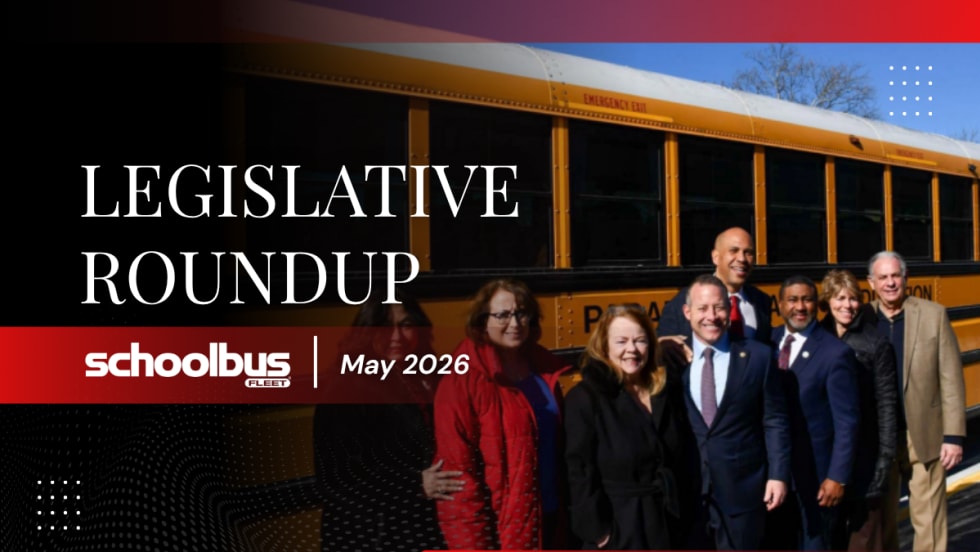
School Bus Laws To Watch: Seat Belt Bills, Funding Fights & EV Changes
From national bills on seat belts and driver oversight to driver awareness campaigns referencing “Finn’s Rule” and ongoing transportation funding debates in Alaska, here’s the latest in school bus legislation across the U.S.
Read More →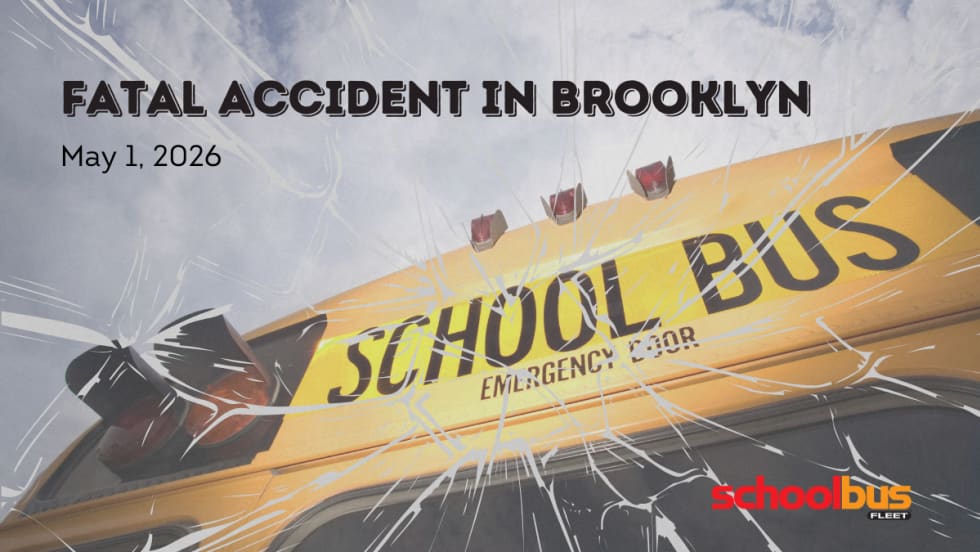
9-Year-Old Boy Killed by School Bus at Busy Brooklyn Intersection
A Williamsburg community is mourning after a child was fatally struck by a private yeshiva bus, prompting calls for urgent safety improvements at the high-traffic crossing.
Read More →
Does Reliable School Transportation Boost Attendance? EverDriven’s Data Says Yes
The new data shows 99.99% incident-free trips and strong on-time performance, reinforcing how dependable transportation, especially for vulnerable student populations, can help districts combat chronic absenteeism.
Read More →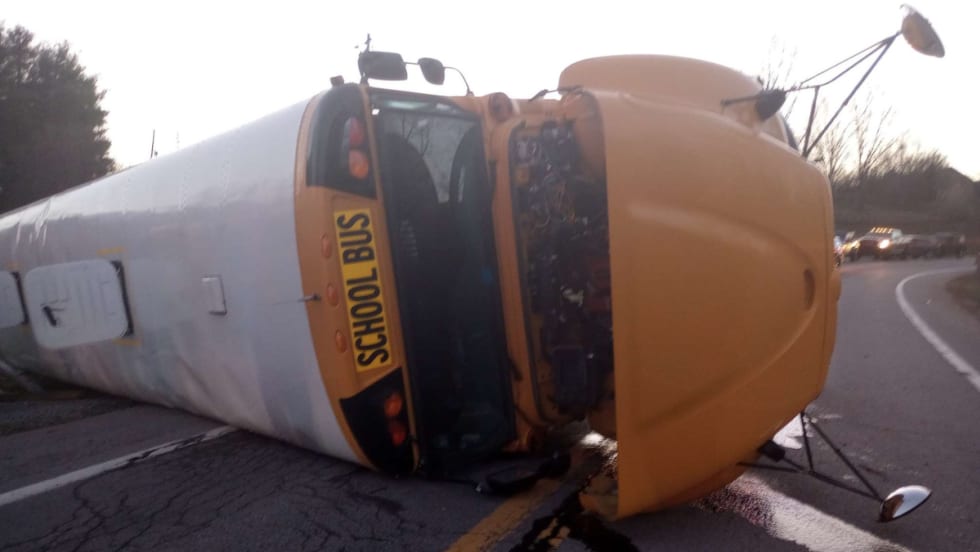
NTSB Calls for Alcohol Impairment Systems, Seat Belts After W.V. Crash Investigation
The federal agency's report asks NHTSA to require all new school buses to be equipped with vehicle-integrated alcohol detection systems and passenger lap-shoulder belts.
Read More →
2026 State of Student Transportation Report
Student transportation teams are being asked to do more with less, facing driver shortages, rising costs, and increasing safety expectations. This report uncovers how fleets are adapting, where technology is making the biggest impact, and why student ridership tracking is emerging as a top priority. Download the report to explore the key trends shaping 2026 and what they mean for your operation.
Read More →