



District's revamped transportation plan will provide efficient service
Under the plan, which Seattle Public Schools’ transportation manager discusses with SBF, transportation zones will streamline bus routes for attendance-area elementary and K-8 schools. Ride times will decrease to 25 minutes or less, and about 80 buses will be taken off the road.

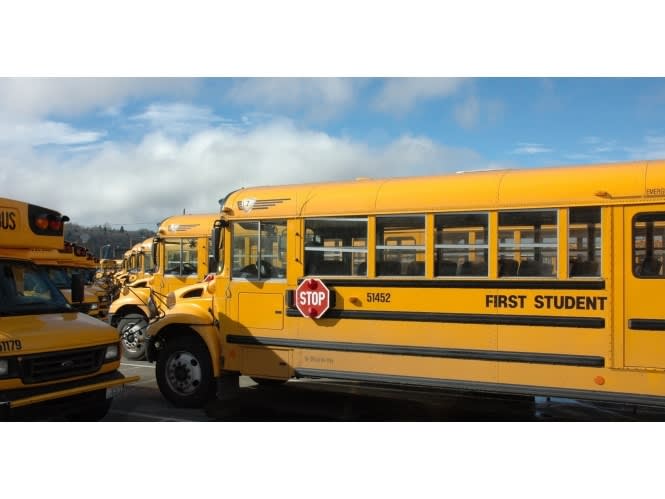
Seattle Public Schools (SPS) contracts its transportation service with several companies, including First Student. SPS Transportation Manager Tom Bishop said that under the district’s new transportation plan, service will be more dependable because routes will be streamlined.
SEATTLE — Last week, Seattle Public Schools’ (SPS) board approved changes to the district’s transportation plan that will start with the 2011-12 school year. The plan creates new neighborhood-based transportation zones aimed at streamlining bus routes for attendance-area elementary and K-8 schools.
As SBF previously reported, the changes were proposed due to the state’s budget shortfall and the severe budget gap the district is facing for the next school year.
Officials estimate that the approved transportation plan will save the school district up to $4 million by creating transportation zones that will decrease the bus ride time for attendance-area schools to 25 minutes or less. Buses will be less likely to encounter the traffic delays that have occurred on longer routes in the past, so families will find departure and arrival times to be more reliable.
“Seattle is, by many counts, noted as probably the most congested urban city in the country traffic-wise,” SPS Transportation Manager Tom Bishop told SBF in an interview this week. “We’re going to benefit a lot of families that depend on school bus transportation. We looked at different models and decided that Seattle’s geography lent itself to … us busing students that are within a mile and a quarter of the school. We’re going to have a bus system that mirrors a metropolitan public transit system, where the bus routes don’t really change and you can count on the buses being there.”
Children within the transportation zone and outside of walk zones will be eligible for district-provided transportation. Transportation zones will include the entire attendance area of a school and, as Bishop mentioned, extend to areas within a 1.25-mile radius from the school and within the middle school service area. Existing walk zones to schools would still apply.
Under the approved plan, bus transportation for middle schools, high schools, option schools, English-language learners, special education and advanced-learning students would have minimal changes.
The transportation plan also benefits the environment by taking about 80 buses off the road, which will reduce the district’s carbon footprint by about 15 to 20 percent, Bishop added.
He noted that taking the 80 buses off the road won’t adversely affect school bus drivers. SPS contracts its transportation services, and Bishop said that typically, each year, attrition has been high.
“Since I’ve been here [two and a half years], we’ve changed SPS into a system where a lot of the drivers are getting more hours, and by going to a full three-tier system, we’re going to be able to provide more drivers with close to an eight-hour day,” Bishop said. “The drivers are more likely to stay, and I think we’re going to have a stronger system and give them a better wage. This was important to me.”
Moreover, he said that by changing to a three-tier transportation system, district officials have noticed that attrition is lower.
Bishop also pointed to the savings that taking 80 buses off the road will facilitate, saying that this, along with the state’s new funding reimbursement formula for school transportation, will save the district the aforementioned $4 million.
(In December, the state Legislature implemented a funding reimbursement system that is based on rewarding efficient pupil transportation operations.)
“By focusing on a transportation system that’s very dependable, we’re confident that more families that have students who are eligible for transportation but are probably currently driving them to school will put them on the bus, and we hope to increase our funding by about $4 million next year. With the total of $8 million, we’re going to be a major contributor to keeping teachers in the classroom,” Bishop added.
In addition to the new transportation zones, some bus arrival and departure times will change, with buses to some high schools and middle schools arriving 10 to 15 minutes earlier, and buses to elementary schools arriving 10 to 15 minutes later. School bell times will be set by the individual schools.
As a result of the plan, an estimated 3,600 elementary students currently receiving transportation reside outside of the new transportation zones. They will still be eligible for the following transportation:
• Students who live within a half of a mile from the transportation zone boundary can walk to a bus stop within the zone. Seats will be allocated on a space-available basis.
• Community stops will be created so students can catch a bus at or near an attendance-area school and take it to another school.
“We’re going to have a very large school-to-school shuttle system for the next two years so that we can help some of these students until they all get going to their attendance-area schools,” Bishop said.
Also, students who are no longer eligible for transportation will receive a guaranteed assignment to their attendance area school if requested.
Families can request an assignment to a different school based on these changes in transportation service. To allow for this, open enrollment is being extended and will run from March 15 to April 15, 2011. This will give the transportation department time to notify all families of 2011-12 transportation eligibility, and will also allow families to participate in open enrollment if they want to do so.
Letters to families regarding their students’ transportation eligibility for next year will be sent out in March. Maps and additional information on the eligibility changes are available on the transportation services page of the SPS website.
More Management
The Link Between Emotional Intelligence and School Bus Safety
How can emotional intelligence help transportation pros navigate stress, manage change, and build stronger relationships? Listen to find out.
Read More →
What Emotional Intelligence Has to Do With School Bus Safety
In this video, discover how emotional intelligence can help transportation leaders and drivers navigate stress, manage change, and build stronger relationships. The Route is sponsored by IC Bus.
Read More →
Beyond Two-Way Radios: School Bus Communications Evolve With Push-to-Talk Over Cellular
PRYME Radio and PositionPTT join forces to advance hands-free radio use and reduce distracted driving. See how PoC compares with traditional radios on range, cost, safety, and connectivity.
Read More →
Have School Districts Adapted to Bus Driver Shortages or Simply Accepted Less Service?
According to a recent report from HopSkipDrive, many districts appear to have recalibrated what "normal" transportation service looks like.
Read More →
Reliable Transportation Linked to Better Student Outcomes, New EverDriven Study Finds
See why new research suggests transportation consistency improves student outcomes while influencing attendance, funding, IEP compliance, and family trust.
Read More →
Switzer-CARTY Enters the U.S. with New Acquisition
The Canadian contractor’s acquisition of Minnesota-based Agnes Corporation marks its first cross-border expansion into the United States and adds 350 vehicles.
Read More →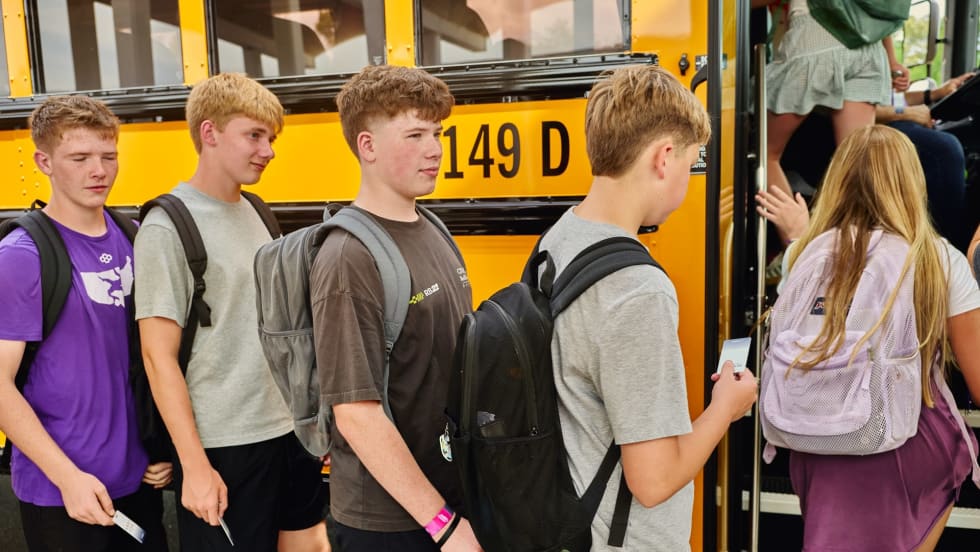
BusRight Adds New Rider Tracking Technology
Safety Pass is an NFC-based student ridership tracking solution that provides real-time boarding and drop-off data to improve school bus safety and family communication.
Read More →
EverDriven Launches RideAware App With Real-Time Student Ride Visibility
The updated platform’s new features improve communication among caregivers, districts, and drivers while streamlining trip updates.
Read More →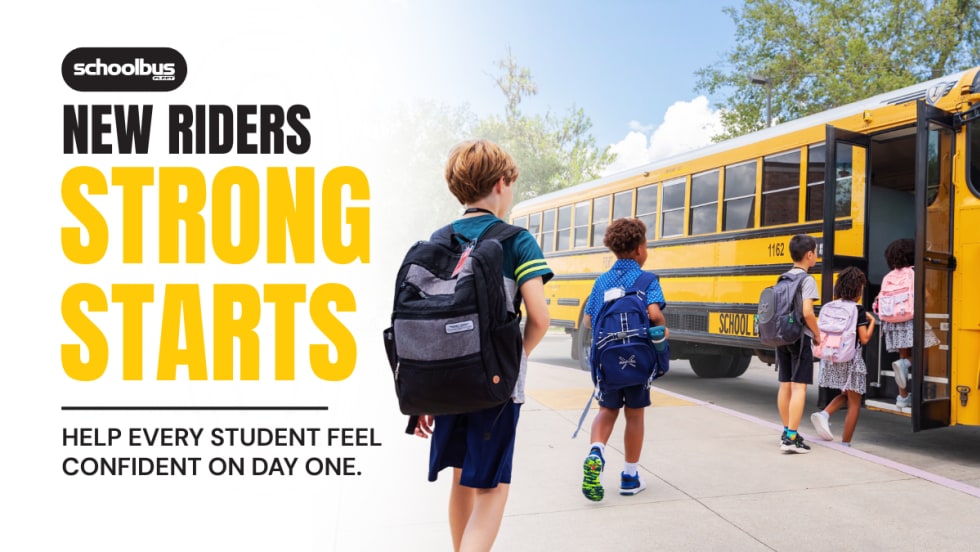
How School Transportation Departments Can Help Acclimate New Riders to the Bus
Here's how transportation departments can turn first-day jitters into confidence for students and parents alike.
Read More →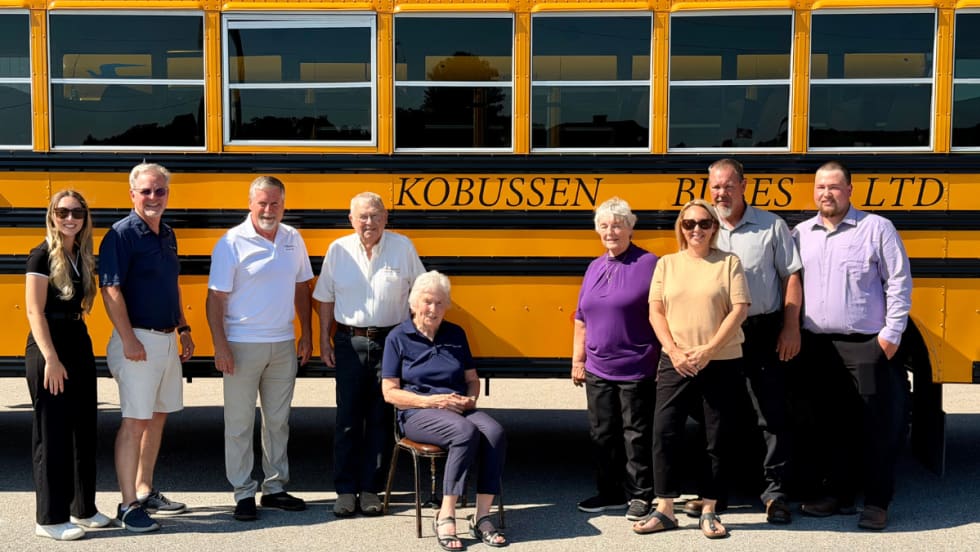
Neighbors Helping Neighbors: Nearly 90 Years of Safely Transporting Wisconsin Students
From one farmer's act of service to a fourth-generation family business, Kobussen Buses reflects on nearly 90 years of earning the trust of Wisconsin families.
Read More →