




District cuts vehicle breakdowns by 50%, crashes by 35%
These improvements at Virginia's Prince William County Public Schools started by investing more time in maintenance and money in better equipment for its school buses, which also led to an overall reduction in costs.
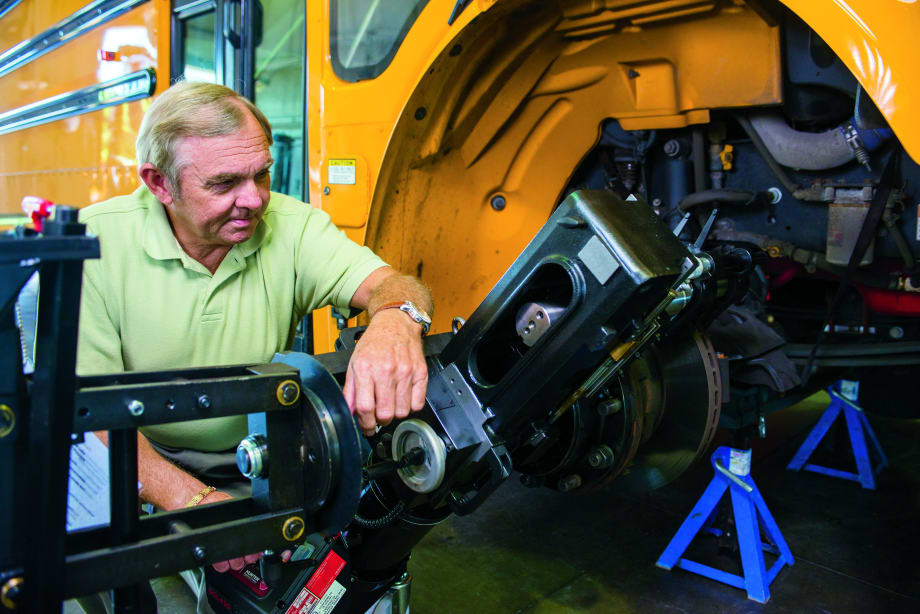
Prince William County Public Schools began buying buses with disc brakes, which Director of Transportation Services Ed Bishop says improved braking and saved money on maintenance.
Investing time in maintenance and money in better equipment for school buses has not only improved the performance of Prince William County Public Schools’ fleet, it has cut costs significantly.
The fleet, composed of 850 Thomas Built route buses, serves 93 schools and transports about 61,000 students daily, according to Director of Transportation Services Ed Bishop. The drivers log an estimated 11.3 million miles per year.
Cutting costs started with examination of data from a crash review board. The operation wanted to determine if bus design or maintenance had an impact on the numbers or types of crashes taking place. Data from the maintenance management system were also studied to see where the biggest expenditures were, and what types of common faults were being experienced.
The fuel management system was next on the list; fuel consumption data for every vehicle in the fleet were observed to identify any abnormalities that caused expenses.
As a result, four areas were identified where significant costs were cut: major component replacement on mostly engines, expenditures on tires, expenditures on batteries and expenditures on brakes.
Engines were put through an internal fuel management program where fuels were sampled and tested to determine which fuel resulted in the least wear and tear on the engine. Then other parts of the bus that add to engine wear and tear were inspected.
“We just took a look at simple things, such as the quality of fuel filters, oil filters and air filters,” Bishop said. “We thought that if we were able to improve these filtering processes then that would also give us a cleaner-running engine.”
Fuels and parts were then adjusted to better quality ones. This reduced the number of engine breakdowns and replacements, drastically cutting costs on usual engine repairs.
It was also discovered that a significant amount of avoidable expenses were due to tire replacements.
“We looked at the tires and said, ‘Wow, we sure spend a lot of money on tires. What can we do to improve that?’” Bishop said.
The fleet started a tire management program where tire pressures were maintained properly. Driver training programs were adjusted as well to make sure drivers weren’t damaging tires by scraping curbs or hitting them.
Also, buses were bought with disc brakes to improve brake life cycles.
“We found that not only improved the braking of our buses, but changed the frequency with which we had to replace brake linings and the time required to do so,” Bishop said. “You spend an extra $1,500 [buying a bus with disc brakes versus conventional brakes], but over a 14-year life cycle, you save thousands.”
Higher-quality batteries and alternators were purchased, and the number of situations where buses wouldn’t start because of battery issues was cut by at least 50%, Bishop added.
With the help of Thomas Built dealer Sonny Merryman, a predictive maintenance program was developed to track breakdowns. Measures were taken to avoid them, their costs and their negative impact on student instructional time. Vehicle breakdowns were reduced by 50%.
As an example, buses would often have to pull over and call for service because a signal light or other bulb wasn’t working. “An analysis of these breakdowns caused us to invest in LED lighting at a higher acquisition cost per bus, but in the long term, it reduced the total cost of ownership of the bus and increased instructional time,” Bishop said.
Also, the district’s crash numbers are down by 35% and are being reduced every year. This has been aided by the predictive maintenance program but is primarily a result of improvements in driver training programs, enforcement of safety standards and bus routing.
Bishop joined Prince William County Public Schools more than 11 years ago, after retiring from a 30-year career of service in the U.S. Army. He credits his staff for the success of the district’s fleet, especially Vehicle Safety Coordinator David Walton, who is primarily responsible for the effective cost-cutting programs.
The most important part of these improvements was that students didn’t miss class because buses were breaking down on them, and that they arrived to school safely, Bishop said.
“Bus acquisition, preventive maintenance services, unscheduled repairs, etc., is all focused to achieving those top two goals,” he added. “Our breakdown rate has gone down, our crash statistics have gone down, and that means maximizing instruction time.”
More Management

Stertil-Koni Announces New Company President
Lewis Nelson joins the heavy-duty vehicle lift provider, succeeding Scott Steinhardt in the lead role.
Read More →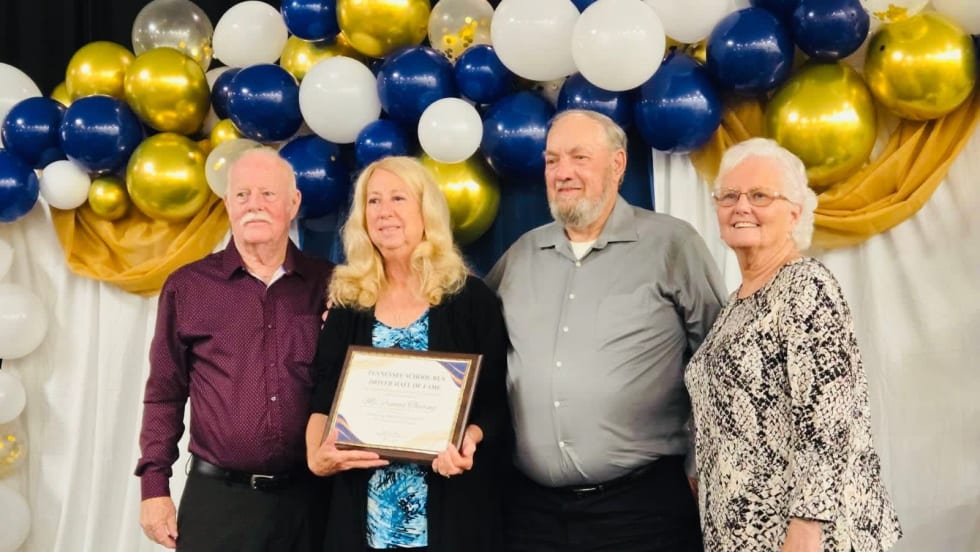
Tennessee Hall of Fame Honors Drivers for Decades of Service
Frances Theiring, a school bus driver for Wilson County Schools, retires this year after almost 50 years on the road. She is one of two long-time drivers honored for their service in the state.
Read More →
What Happens to a School Bus After Retirement? First Student Has a New Answer
Through a new partnership with Advanced Remarketing Services, proceeds from retired vehicle sales will support Special Olympics and other community-focused organizations while advancing sustainability goals.
Read More →



School Bus Logistics Adds 3 Data Analysts, Expands Routing Capabilities
Three new data analysts and a BusRight certification bring an added layer of support to the routing services districts already use.
Read More →
Outsourcing Student Transportation Services Toolkit
Did you know nearly 40% of school districts utilize a private contractor to serve their transportation needs? Explore why more school leaders are turning to contracted transportation services, and how outsourcing can create meaningful value without sacrificing control. Discover the practical benefits of a transportation services platform that provides flexibility with coordination.
Read More →
EverDriven Debuts TripCentral as New District Transportation Portal
The new transportation management hub takes over the district portal to power trip planning, operations, visibility, and intelligence for school district transportation needs.
Read More →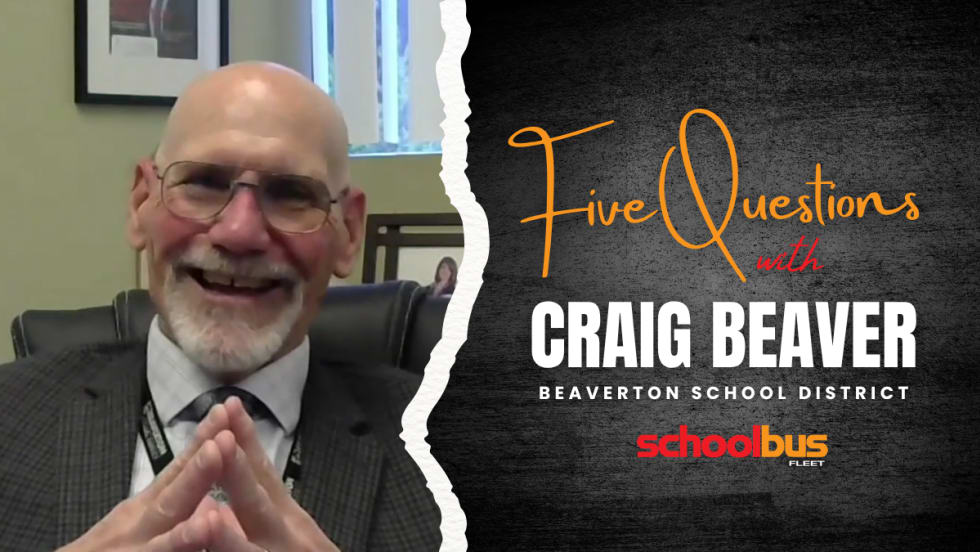
Lessons Learned from 4 Decades in Transportation: 5 Questions with Craig Beaver
Sit down with longtime transportation leader Craig Beaver moments before he retires, as he reflects on his career leading up to his role at Beaverton School District in Oregon and the secrets to leading great teams.
Read More →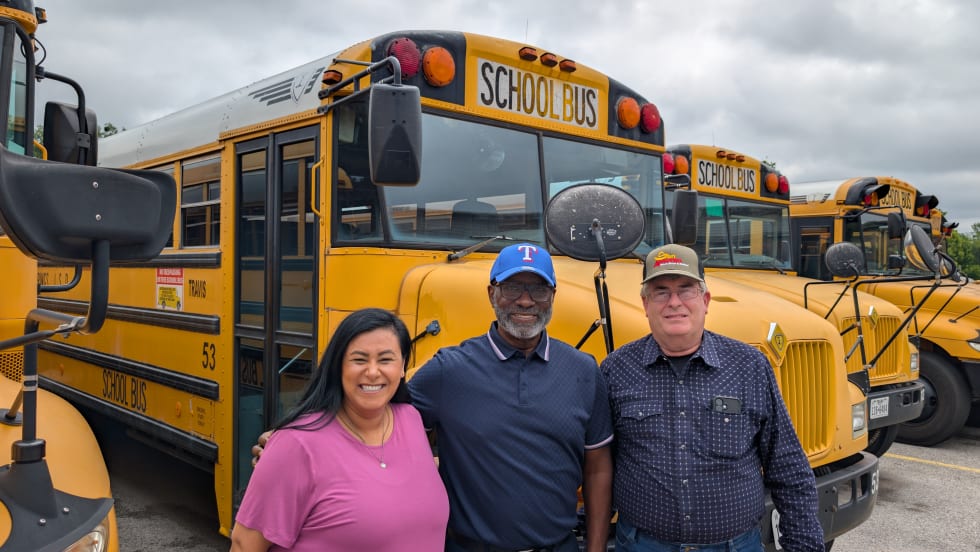
BusRight Honors Texas Driver With Inaugural Behind The Wheel Award
Selected from more than 300 nominations, Lawson Crook earned BusRight’s inaugural award for his dedication to students and safety.
Read More →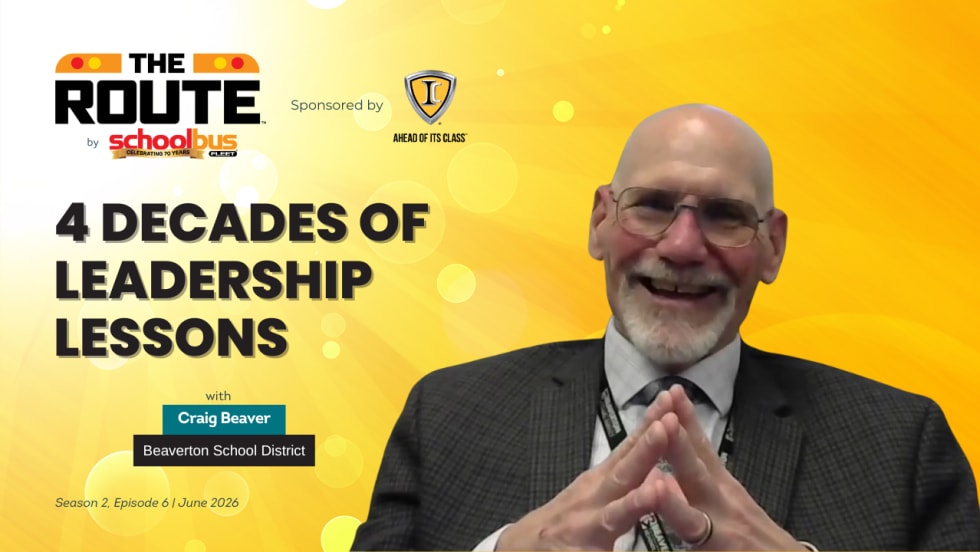
Craig Beaver’s Final Stop: Lessons from 43 Years in Transportation
After more than four decades in transportation, retiring Beaverton School District director Craig Beaver reflects on leadership, alternative fuels, AI, staffing, and what’s coming next. The Route is sponsored by IC Bus.
Read More →
What 43 Years in Transportation Taught Craig Beaver About Leadership
After more than four decades in transportation, retiring Beaverton School District admin Craig Beaver reflects on leadership, alternative fuels, AI, staffing, and what’s coming next.
Read More →