




Minn. district targets efficiency, saves $500K per year
Three years ago, the Anoka-Hennepin School District increased walking distances from homes to bus stops for all grade levels, which has enabled the district to reduce the number of buses it uses by 10 and to achieve a $500,000 annual savings. Transportation Director Keith Paulson discusses these and other efforts to increase efficiency.

ANOKA, Minn. — The Anoka-Hennepin School District has taken steps to increase its transportation efficiency in recent years, and the efforts have paid off.
The Anoka-Hennepin transportation department’s mission is to provide safe, reliable and efficient transportation services so that students are ready to learn when they arrive at school.
“We have the largest student population in the state of Minnesota,” Transportation Director Keith Paulson said, “and we are always looking for opportunities to improve the efficiency of our busing services, while continuing to provide safe and reliable transportation to our students.”
Three years ago, Anoka-Hennepin increased the walking distances from homes to bus stops for all grade levels. Because of this, the district was able to reduce the number of buses it uses by 10 and achieve a $500,000 annual savings. Having fewer buses also helped the district maximize the use of travel time for its remaining buses.
“We also increased our efficiency by striving to fill our buses to capacity,” Paulson said. “Over the last three years, we tracked the number of students actually riding the bus, compared to the number of students scheduled to ride.”
In the spring of 2011, Anoka-Hennepin began a route-sequencing schedule, knowing that not all students ride the bus. The district used the percentage of actual riders to help come closer to its maximum busloads (69 for elementary, 64 for middle school and 54 for high school).
“To ensure we had enough space to transport our 35,000 students during the first week of the 2011-12 school year, we deployed 10 extra buses for a period of one week to help deal with any overloads and/or scheduling issues,” Paulson said. “Once we were able to find and address those issues, the extra buses were discontinued.”
The result of the initiative was an overall increase of about 10% actual ridership per bus. Along with the reduction of 10 regular-education bus routes, which saved about $500,000, the district avoided paying for the excess fuel cost (above $2.50 per gallon) for the buses that were no longer in service.
“In these tough economic times, school districts are cutting costs in an effort to preserve quality education for students,” Paulson said. “As transportation professionals, it is our duty to proactively search for opportunities to be efficient while providing safe, reliable services.”
More Management
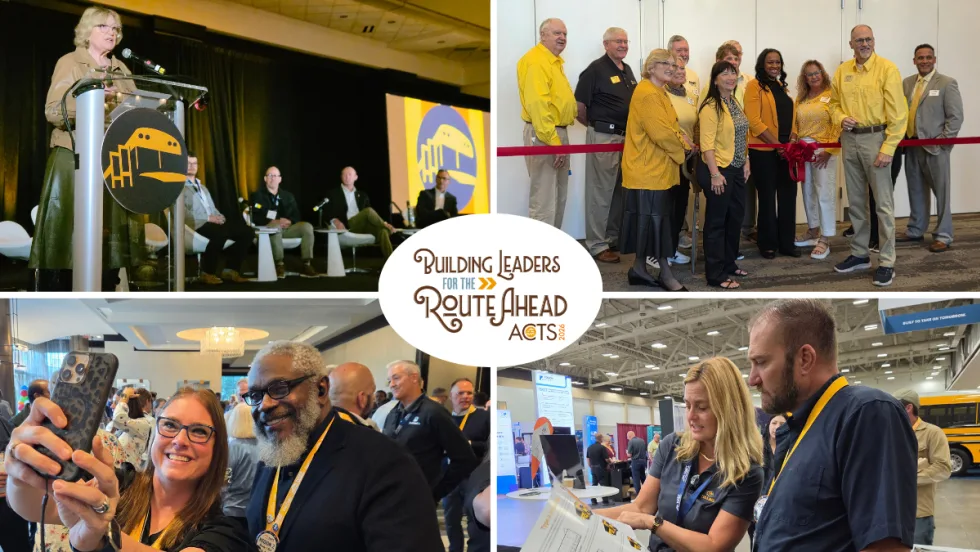
Inside NAPT ACTS 2026: Highlights from Louisville
From federal updates and student behavior strategies to new school bus technology and industry awards, see highlights from NAPT ACTS 2026 in Louisville.
Read More →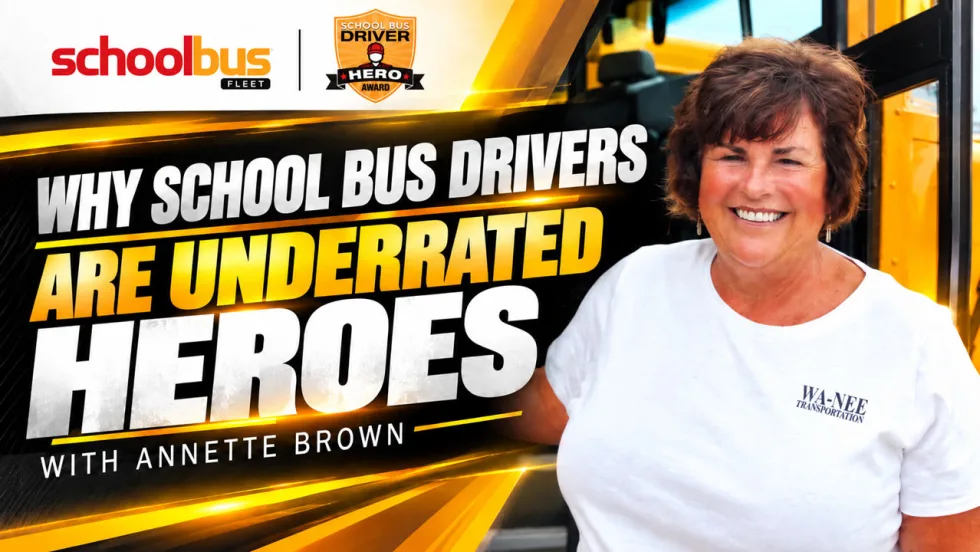
Meet the 2025 School Bus Driver Hero Winner: Annette Brown
We caught up with Wa-Nee Community Schools' Annette Brown on site at SBFX, where she was named the 2026 School Bus Driver Hero Award winner. Hear about her reaction, what she loves most about being a school bus driver, and more!
Read More →
Predictability Is Like Ketchup (According to 6-Year-Olds)
To students, a different school bus can feel like a full-blown crisis. One driver reflects on why familiar routines, showing up on time, and being reliably boring matter more than we think.
Read More →
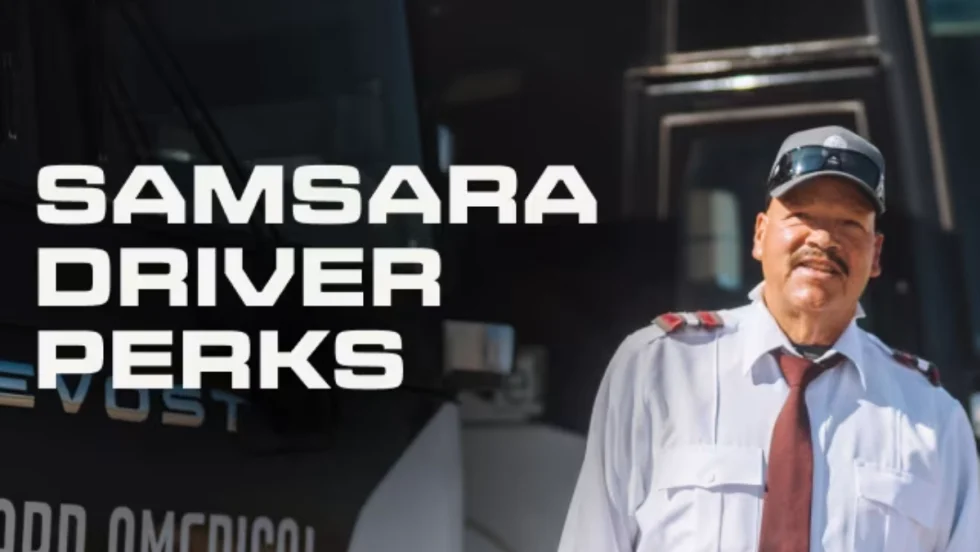
Samsara Launches Free Driver Rewards Program
The new Driver Perks program gives eligible professional drivers access to discounts and offers without adding a cost for participating fleets.
Read More →
How Tax-Exempt Municipal Leases Can Help Finance School Buses
Let’s explore school bus financing options, including municipal leases, vendor payable accounts, and balloon payments, and how they can help stretch fleet budgets.
Read More →
Nominate Rising School Transportation Pros Under 40!
We’re searching for the next generation of leaders making an impact across the K-12 student transportation industry to recognize as SBF’s 2027 Trailblazers. Nominations are open now!
Read More →
Changing Lanes: BusWhere, EverDriven, InterMotive, Summit School Services, Switzer-Carty & Thomas Built Buses
Check out who's been hired, promoted, and appointed to leadership positions at various school transportation suppliers, contractors, and manufacturers.
Read More →
The Most Expensive Thing You Do Before Selling a School Bus: Wait
When should you sell an aging school bus? Learn how maintenance, mileage, corrosion, specifications, and timing can affect resale value long before the auction.
Read More →
American Student Transportation Partners Acquires AJ Myers and Sons
A new deal brings a 75-year Pennsylvania student transportation provider into one of the nation’s largest private school bus contracting groups.
Read More →
What I Brought Home From SBFX: Relationships, Leadership, and Preparing What's Next
Who could lead your transportation operation tomorrow if you couldn't? Bernando Brown explores succession planning, mentorship, and preparing emerging leaders to step up.
Read More →