



District sees route, driver benefits from cutting 30 bus stops
To offset its budget shortfall, Aurora (Neb.) Public Schools reduced its stops from 100 to 70, with drivers now making more group pickups as opposed to door-to-door stops. Transportation Director Gerad Olsen tells SBF that the department’s routes are more efficient and that the bus drivers are happier making fewer stops.

AURORA, Neb. — The 2011-12 school year began a short time ago, but Aurora Public Schools is already benefitting from decreasing its bus stops from 100 to 70.
Transportation Director Gerad Olsen told SBF in an interview this week that faced with drastic budget cuts, district officials had to find a way to cut costs, and reducing the stops was the best option.
“Rather than cut the city routes completely or charge each student to ride the city bus, the school board, along with bus management, decided to keep Aurora unique and keep city routes. In order to keep costs in check, the bus stops had to be reduced to make more of a group stop rather than door-to-door stops,” Olsen explained.
(As SBF previously reported, in the past, the district’s buses would stop at every block while on a route.)
Olsen went on to say that under this new system, with Aurora being 1 square mile and having a population of 4,500, for the most part, the farthest a child has to walk to get on the bus is three blocks.
Currently, Aurora Public Schools operates nine routes, with three of them being rural route buses that come in from the country to pick up kids in town. On average, Olsen said it costs the district $50,000 per year to run these routes. This includes driver salary and benefits, as well as fuel and maintenance costs.
At this point, Olsen does not have an estimate on what the district will save by cutting the 30 bus stops.
“It is hard to put a dollar figure on how much we will be saving on fuel and maintenance this early in the school year, but the route times have naturally condensed, fuel usage is expected to decrease and the drivers are much happier making fewer stops,” he said.
More Management
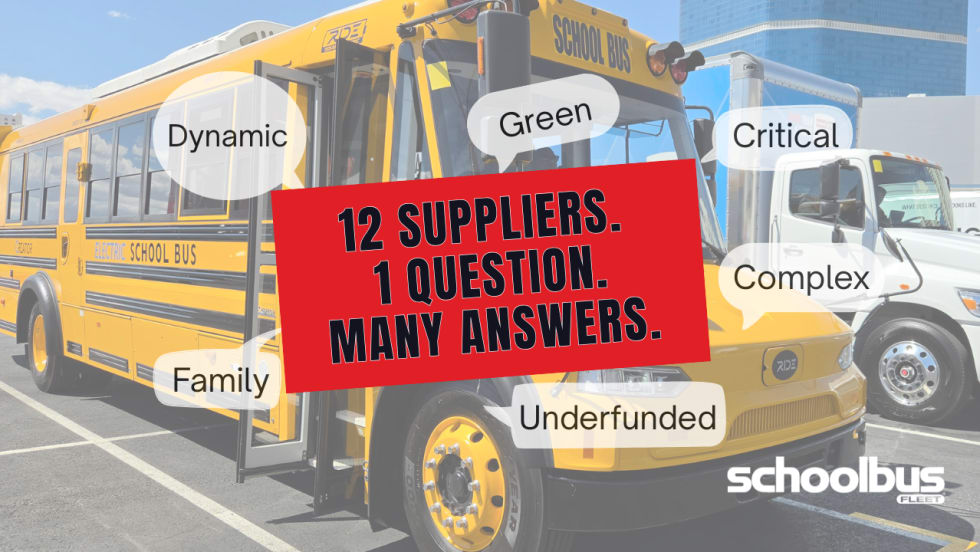
13 Industry Leaders Describe School Transportation in One Word
What word best describes the school bus industry today? We posed that question to over a dozen manufacturers, resulting in a revealing mix of perspectives on the challenges and opportunities ahead.
Read More →
Tyler Technologies Adds New AI, Transactions Leadership Roles
Two company executives are promoted to newly created C-suite positions to accelerate the company's long-term growth in both artificial intelligence and payments.
Read More →
Pro-Vision Acquires Convoy Technologies
The deal aims to broaden customer relationships and adds specialized vehicle video capabilities for commercial fleets.
Read More →


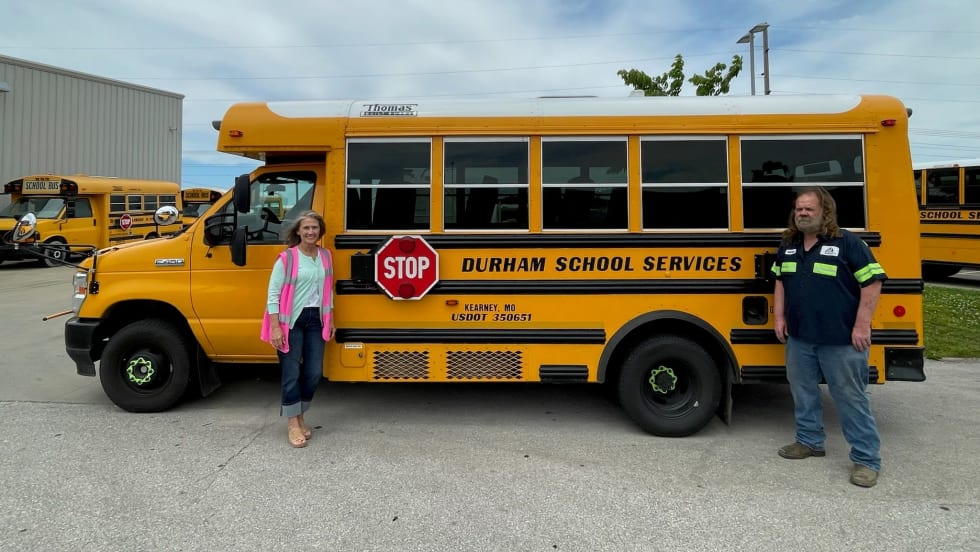
Durham School Services Maintenance Teams Earn Missouri Fleet Excellence Awards
Eight of the contractor’s school bus fleets achieved a distinction few maintenance teams earn during the state’s rigorous annual inspection program.
Read More →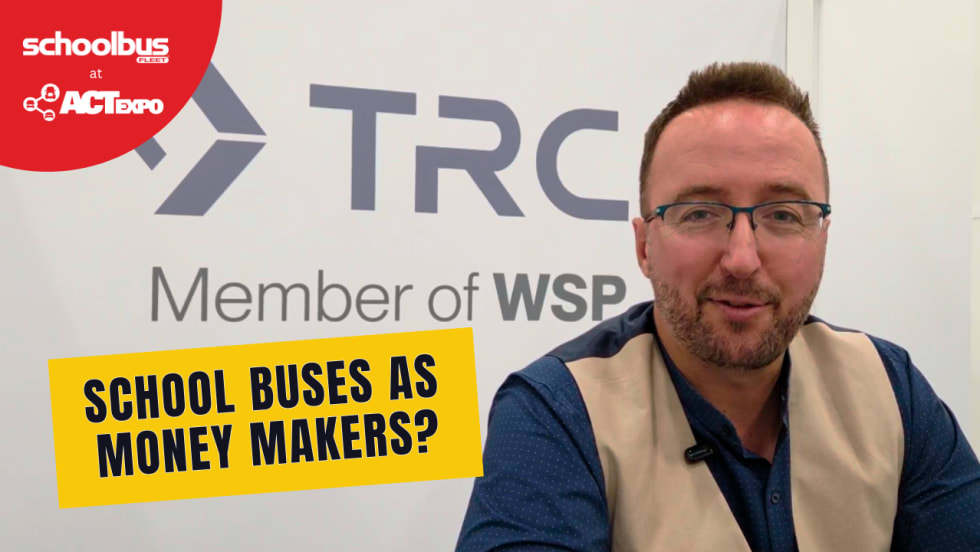
How Incentives, AI, and Energy Markets Are Reshaping School Transportation
Sit down with Joe Annotti of TRC Companies to talk district grant funding, utility challenges, AI, and why school buses are evolving from transportation assets into energy assets.
Read More →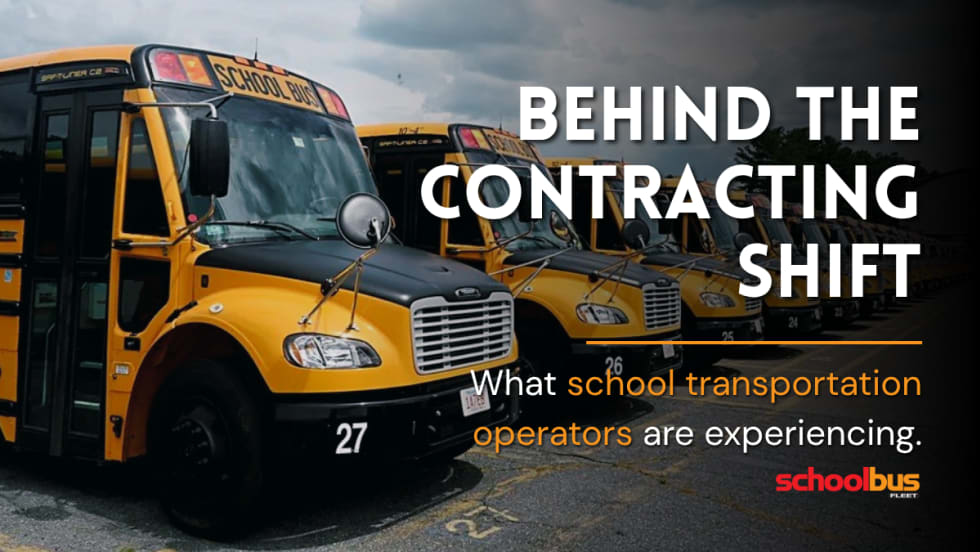
Inside the Contracting Shift: What School Transportation Operators Are Seeing Now
School transportation contractors weigh in on recent trends, costs, driver shortages, and the rise of multimodal student transportation.
Read More →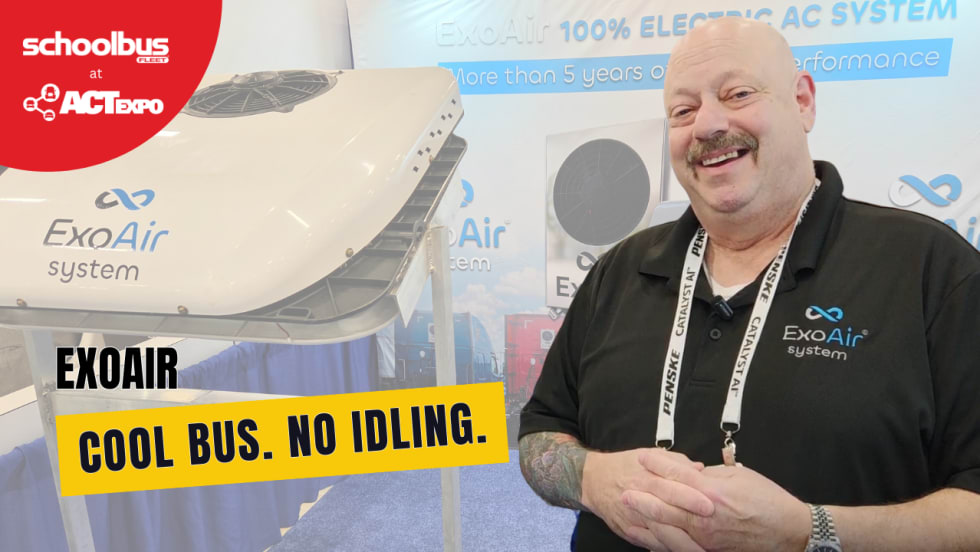
The No-Idling School Bus AC System
Take a peek at ExoAir Systems’ battery-powered cooling solution designed to run for up to 10 hours without the engine on, reducing fuel use and improving comfort for drivers and students.
Read More →
Geotab on Three Major Trends in School Transportation
School bus fleets are becoming more proactive than ever. From AI driver alerts to vehicle-to-grid opportunities, Geotab outlines the biggest technology trends transforming school bus operations.
Read More →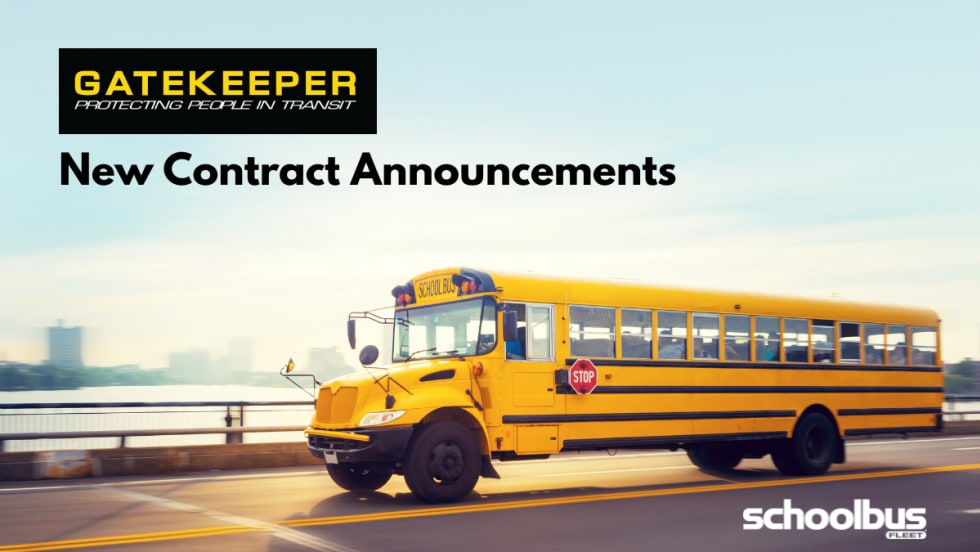
Gatekeeper Lands Major School Bus Deals as Revenue Surges
The video solutions provider announces contracts with Atlanta Public Schools and other fleet operators as it records quarterly revenue growth and expanding subscription business.
Read More →
Building Leaders Who Last: Creating a Successful Mentorship Program in Student Transportation
Discover five strategies for building an effective mentorship program to strengthen leadership development and support staff retention.
Read More →