




Thomas Built Buses receives clean-air award
The school bus manufacturer is awarded a 2011 North Carolina Mobile Clean Air Renewable Energy award in the category of Technology/Fuel Provider. The company operates the nation's first zero-waste-to-landfill school bus manufacturing facility and produces both compressed natural gas and hybrid-electric school buses.

[IMAGE]395[/IMAGE]
HIGH POINT, N.C. — Thomas Built Buses was recently awarded a 2011 North Carolina Mobile Clean Air Renewable Energy (CARE) award in the category of Technology/Fuel Provider.
The company was lauded for operating the nation's first zero-waste-to-landfill school bus manufacturing facility and for producing both compressed natural gas and hybrid-electric school buses.
The North Carolina Mobile CARE awards were created in 2006 to recognize outstanding individuals and organizational efforts at reducing transportation-related emissions.
The North Carolina Solar Center/North Carolina State University, with support from the state Department of Transportation, organized the fifth annual North Carolina Mobile CARE awards as part of the Clean Fuel Advanced Technology Project.
Candidates in four categories — Individual, Fleet, Technology/Fuel Provider and Policy/Organization — were sought and after evaluating more than two dozen nominations, the judges narrowed the winners to six. Some of the criteria the judges used to make their decision included:
• Expanding educational opportunities
• Conducting outreach
• Changing policies
• Length of involvement in alternative fuel/vehicle activities
• Perceived risk related to involvement
• Diversity of strategies/technologies employed
More Management
Samsara Launches Free Driver Rewards Program
The new Driver Perks program gives eligible professional drivers access to discounts and offers without adding a cost for participating fleets.
Read More →
How Tax-Exempt Municipal Leases Can Help Finance School Buses
Let’s explore school bus financing options, including municipal leases, vendor payable accounts, and balloon payments, and how they can help stretch fleet budgets.
Read More →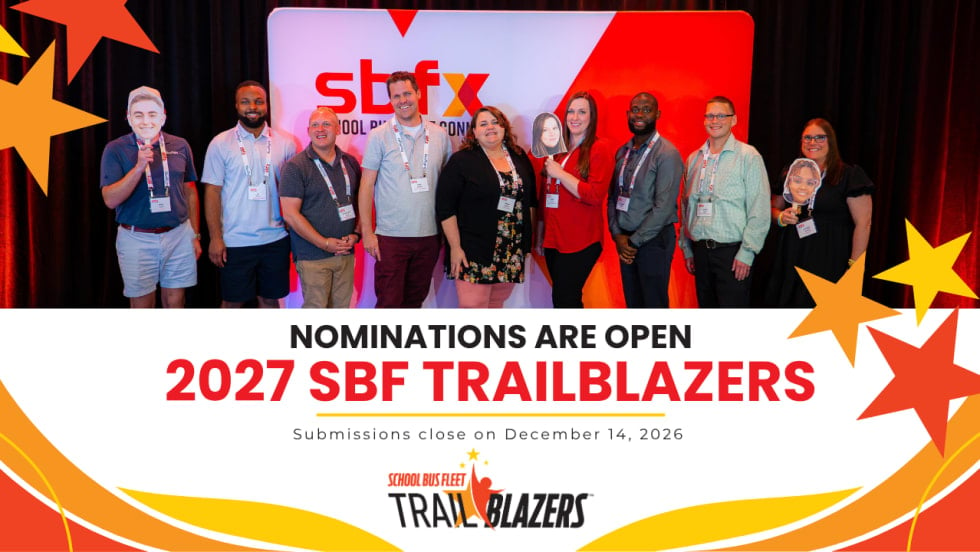
Nominate Rising School Transportation Pros Under 40!
We’re searching for the next generation of leaders making an impact across the K-12 student transportation industry to recognize as SBF’s 2027 Trailblazers. Nominations are open now!
Read More →

Changing Lanes: BusWhere, EverDriven, InterMotive, Summit School Services, Switzer-Carty & Thomas Built Buses
Check out who's been hired, promoted, and appointed to leadership positions at various school transportation suppliers, contractors, and manufacturers.
Read More →
The Most Expensive Thing You Do Before Selling a School Bus: Wait
When should you sell an aging school bus? Learn how maintenance, mileage, corrosion, specifications, and timing can affect resale value long before the auction.
Read More →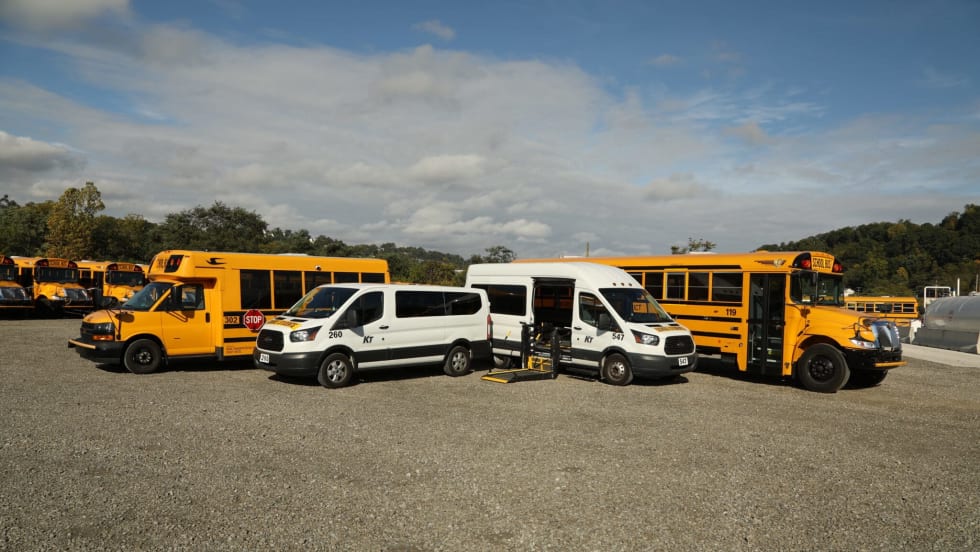
American Student Transportation Partners Acquires AJ Myers and Sons
A new deal brings a 75-year Pennsylvania student transportation provider into one of the nation’s largest private school bus contracting groups.
Read More →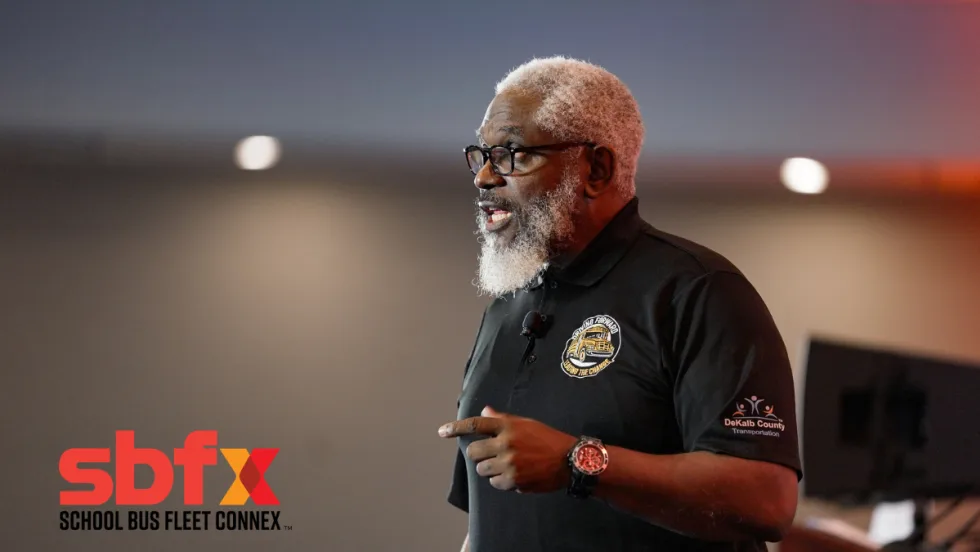
What I Brought Home From SBFX: Relationships, Leadership, and Preparing What's Next
Who could lead your transportation operation tomorrow if you couldn't? Bernando Brown explores succession planning, mentorship, and preparing emerging leaders to step up.
Read More →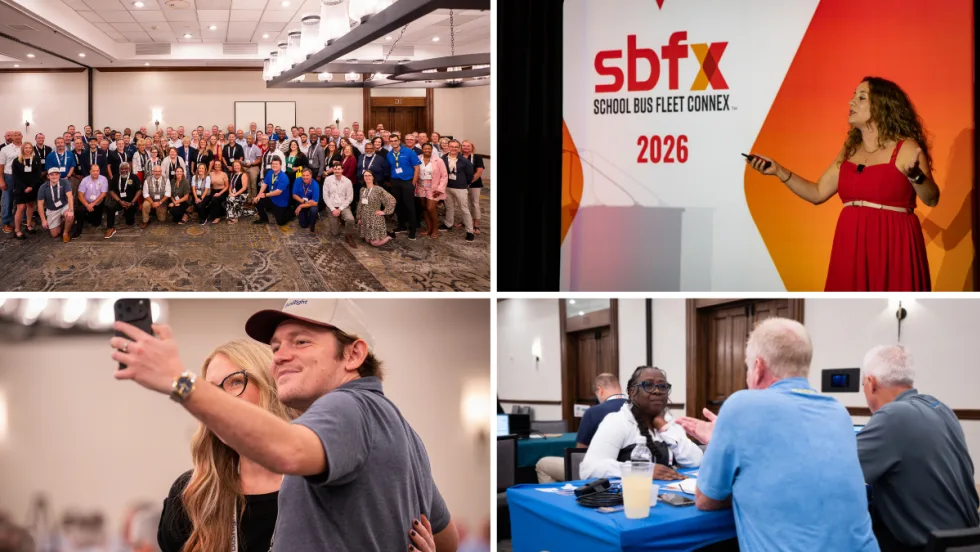
Inside School Bus Fleet ConneX 2026: Industry Leaders Connect in Scottsdale [Photos]
See highlights from SBFX 2026 in Arizona, where school bus operators and suppliers gathered for meetings, education, networking, awards, and more.
Read More →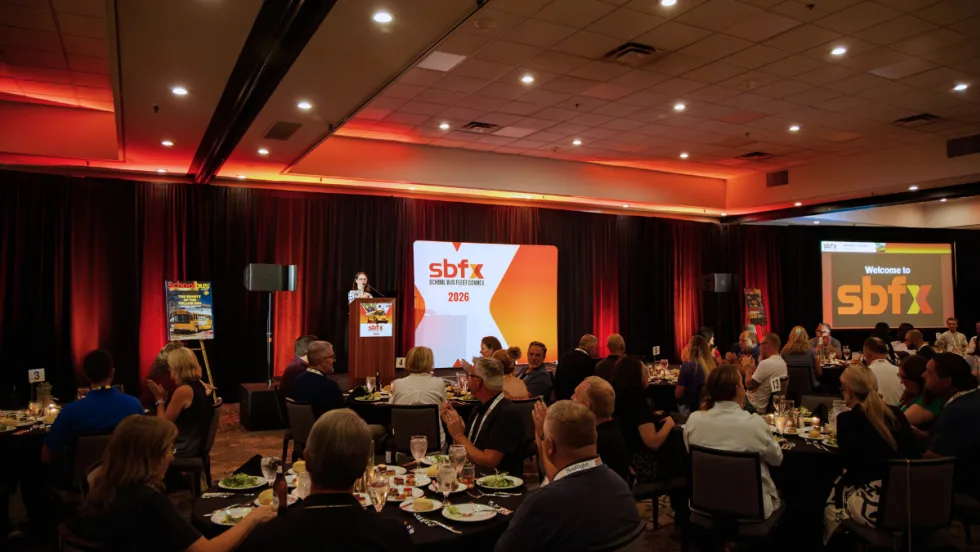
School Transportation’s Biggest Pressures and Opportunities: SBFX Attendees Weigh In
School bus operators point to rising costs, staffing, and vehicle prices as immediate pressures while identifying technology, training, and routing as opportunities for growth.
Read More →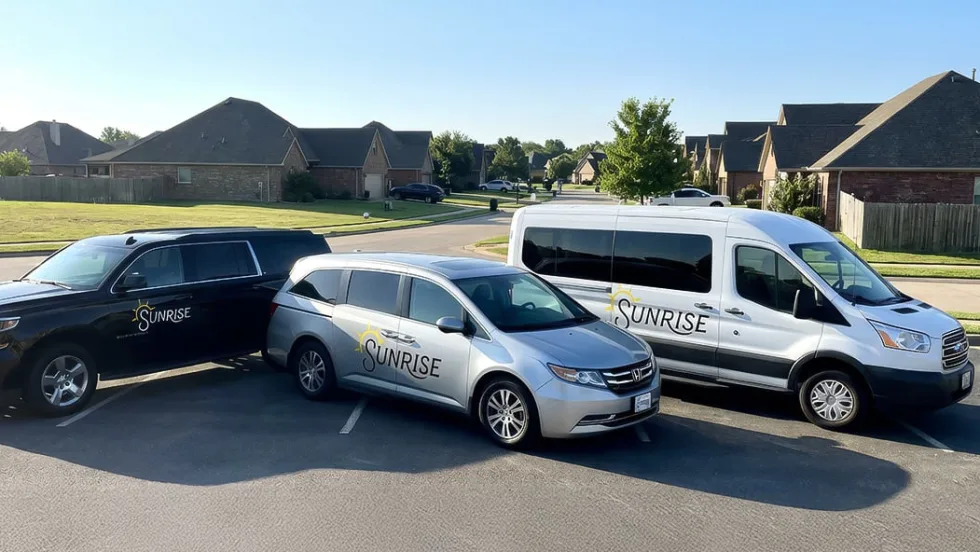
STA Acquires Sunrise Transportation
Student Transportation of America expands in Illinois and Connecticut through Sunrise's fleet of nearly 1,000 vehicles.
Read More →