



New fuel purchasing plan could save district $500K
The transportation staff for the North Carolina district put 1.3 million gallons of diesel fuel out to bid in February and accepted a bid price of $2.85 per gallon. The district typically uses 60,000 gallons of diesel fuel per week to operate its buses; officials say that if the state contract price of $3.24 remains at that rate until June 30, the district would see an approximate total savings of half a million dollars this year.

RALEIGH, N.C. — A new diesel fuel purchasing plan proposed by the Wake County Public School System (WCPSS) staff and approved by the district’s finance and purchasing departments earlier this year will save the district about half a million dollars in school bus operating costs, according to officials.
In the past, the district would purchase fuel on a weekly or as-needed basis, with the price of the diesel fuel varying with each purchase. However, sensing that fuel prices would likely continue to rise for the foreseeable future, Bob Snidemiller, WCPSS senior director of transportation, and his staff started looking for alternative ways to purchase fuel.
"We anticipated our need for fuel to be 1.3 million gallons between Feb. 1 and June 30, so we decided to put the 1.3 million gallons out to bid," he said. "We accepted the low bid price of $2.85 per gallon and paid $3.7 million for the fuel to be stored at the vendor’s location fully insured and with free delivery all included in the bid price."
(Staff put the fuel out to bid the first week of February.)
On Monday, the state contract price, which varies and is used by most districts to purchase their fuel, was at $3.24 per gallon. Under this new purchasing plan, if prices were to remain at that rate until June 30, WCPSS would see an approximate total savings this year of $500,000. If prices continue to rise, savings will be even greater.
Scott Doolittle, senior director of purchasing for WCPSS, said the district’s size helped it secure a bid that will result in a huge savings for the district.
"We decided to take advantage of our volume to try some different purchasing methods to save money," he said. "We felt confident that with everything going on in the Middle East right now, it would turn out to be a good decision."
WCPSS operates 920 buses and typically uses more than 60,000 gallons of diesel fuel per week. More than 73,000 students in Wake County are transported on WCPSS buses each day, covering more than 17 million miles per year.
More Management
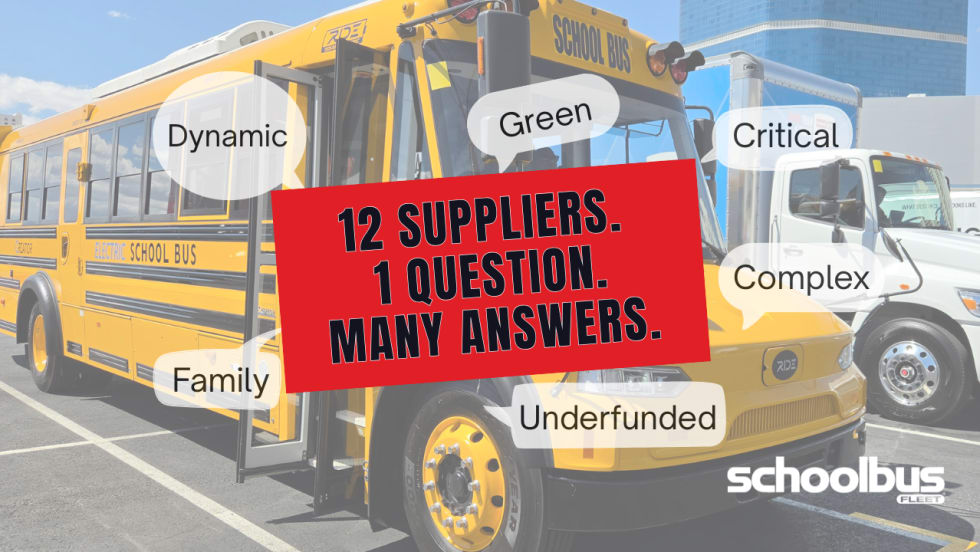
13 Industry Leaders Describe School Transportation in One Word
What word best describes the school bus industry today? We posed that question to over a dozen manufacturers, resulting in a revealing mix of perspectives on the challenges and opportunities ahead.
Read More →
Tyler Technologies Adds New AI, Transactions Leadership Roles
Two company executives are promoted to newly created C-suite positions to accelerate the company's long-term growth in both artificial intelligence and payments.
Read More →
Pro-Vision Acquires Convoy Technologies
The deal aims to broaden customer relationships and adds specialized vehicle video capabilities for commercial fleets.
Read More →


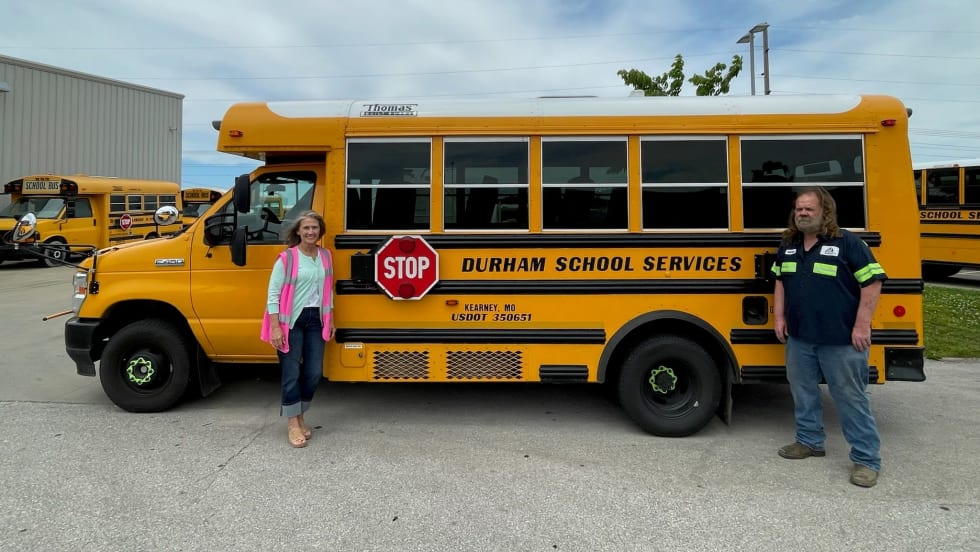
Durham School Services Maintenance Teams Earn Missouri Fleet Excellence Awards
Eight of the contractor’s school bus fleets achieved a distinction few maintenance teams earn during the state’s rigorous annual inspection program.
Read More →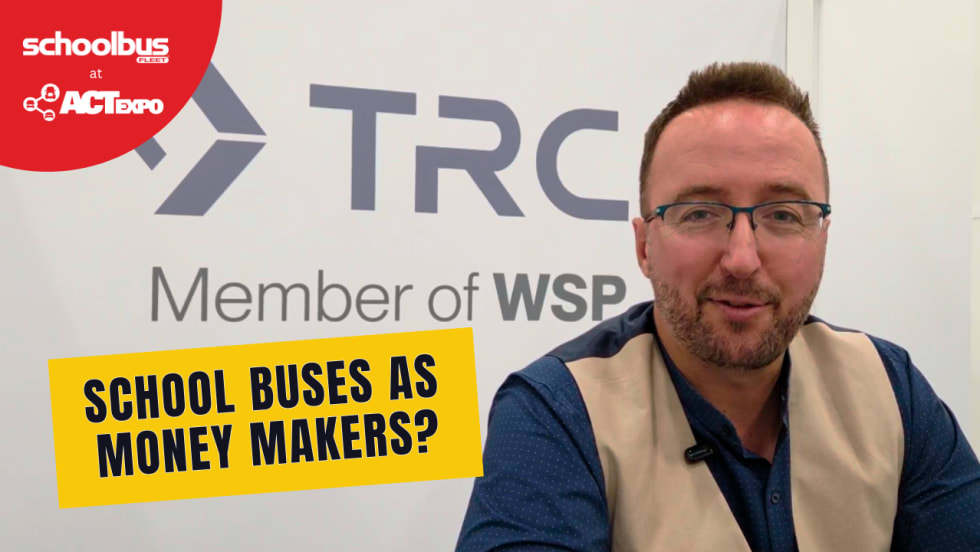
How Incentives, AI, and Energy Markets Are Reshaping School Transportation
Sit down with Joe Annotti of TRC Companies to talk district grant funding, utility challenges, AI, and why school buses are evolving from transportation assets into energy assets.
Read More →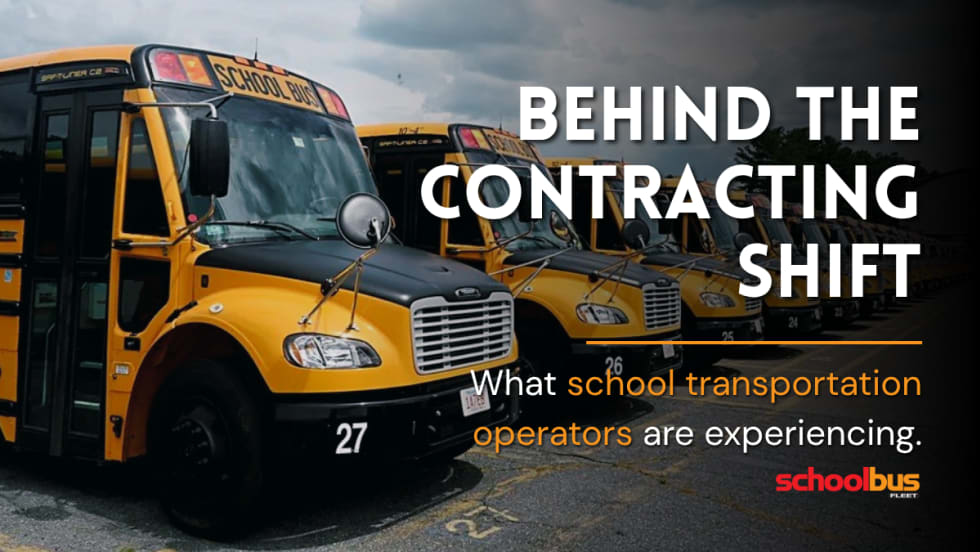
Inside the Contracting Shift: What School Transportation Operators Are Seeing Now
School transportation contractors weigh in on recent trends, costs, driver shortages, and the rise of multimodal student transportation.
Read More →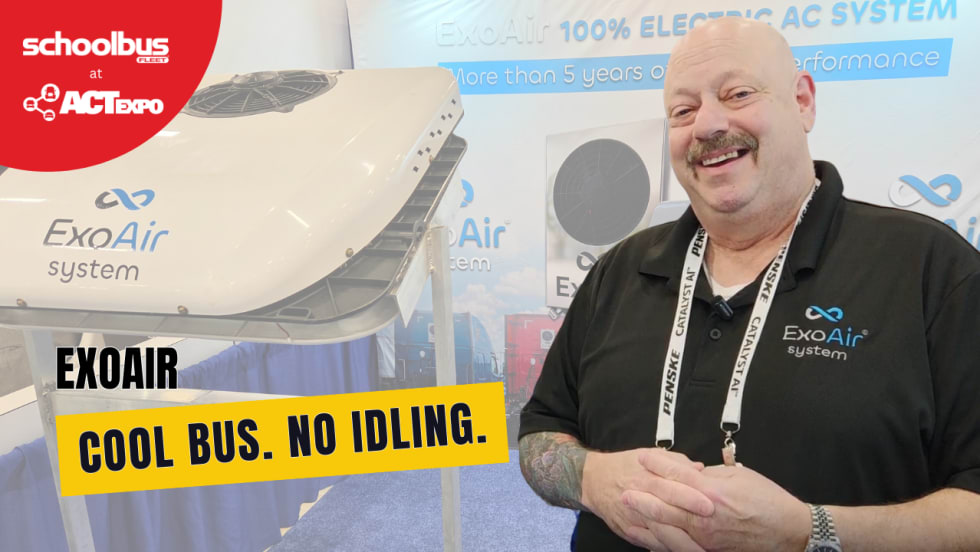
The No-Idling School Bus AC System
Take a peek at ExoAir Systems’ battery-powered cooling solution designed to run for up to 10 hours without the engine on, reducing fuel use and improving comfort for drivers and students.
Read More →
Geotab on Three Major Trends in School Transportation
School bus fleets are becoming more proactive than ever. From AI driver alerts to vehicle-to-grid opportunities, Geotab outlines the biggest technology trends transforming school bus operations.
Read More →
Gatekeeper Lands Major School Bus Deals as Revenue Surges
The video solutions provider announces contracts with Atlanta Public Schools and other fleet operators as it records quarterly revenue growth and expanding subscription business.
Read More →
Building Leaders Who Last: Creating a Successful Mentorship Program in Student Transportation
Discover five strategies for building an effective mentorship program to strengthen leadership development and support staff retention.
Read More →