



District to implement three-tier transportation system
Officials at the Georgia school district say the system will save nearly $1.5 million due to a decreased need for personnel, buses and fuel. Elementary, middle and high school start and finish times will be staggered, and combined routes will be eliminated.

COVINGTON, Ga. — Newton County School System's (NCSS) board of education voted unanimously at a meeting on Tuesday to implement a three-tier pupil transportation system for the 2011-12 school year.
According to Dennis Carpenter, deputy superintendent for NCSS, the new system will provide significant cost-savings to the district — approximately $1,477,441 — due to a decreased need for personnel, buses and fuel.
He added that the new transportation system will necessitate a change to school start and finish times next school year. NCSS currently utilizes a two‐tier transportation system where middle and high schools share the same start and finish times. Elementary schools start and finish the school day earlier.
The new three‐tier system will have staggered school start and finish times at the elementary, middle and high school levels.
In addition to providing a significant cost-savings to NCSS, officials said the new system will offer many additional benefits, including the elimination of combined routes, meaning middle and high school students will not ride on buses together, which should result in improved student discipline.
In addition to riding on the bus only with their peers, middle school students should see a reduced ride time with the new three‐tier system.
According to Carpenter, the three‐tier system will result in the district having adequate staff and buses to provide transportation for athletic events and field trips. The new system will also eliminate the need for substitutes, as substitutes are built into the three‐tier system.
“Three‐tiered transportation has worked well in other localities around the nation,” NCSS Superintendent Gary Mathews said. “It brings NCSS different routes for elementary, middle, high and alternative-education students, respectively. With each population having its own buses, I believe we
are more ‘age‐appropriate’ when it comes to transporting our students. It should provide for better discipline, as has been the case elsewhere.”
Mathews also noted that, "Academically, the new start-stop times for the school day are in keeping with the so‐called ‘biological clock’ research related to when certain‐age students learn best."
More Management
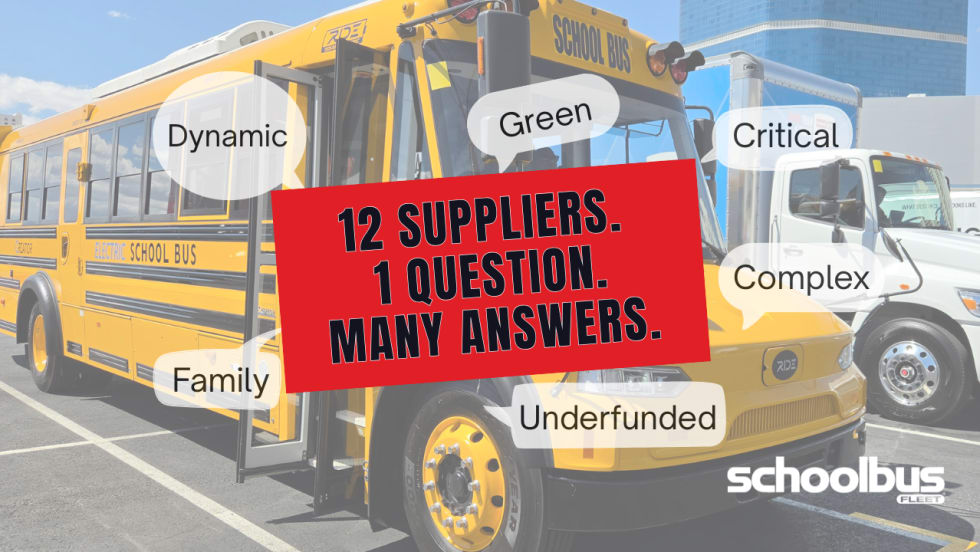
13 Industry Leaders Describe School Transportation in One Word
What word best describes the school bus industry today? We posed that question to over a dozen manufacturers, resulting in a revealing mix of perspectives on the challenges and opportunities ahead.
Read More →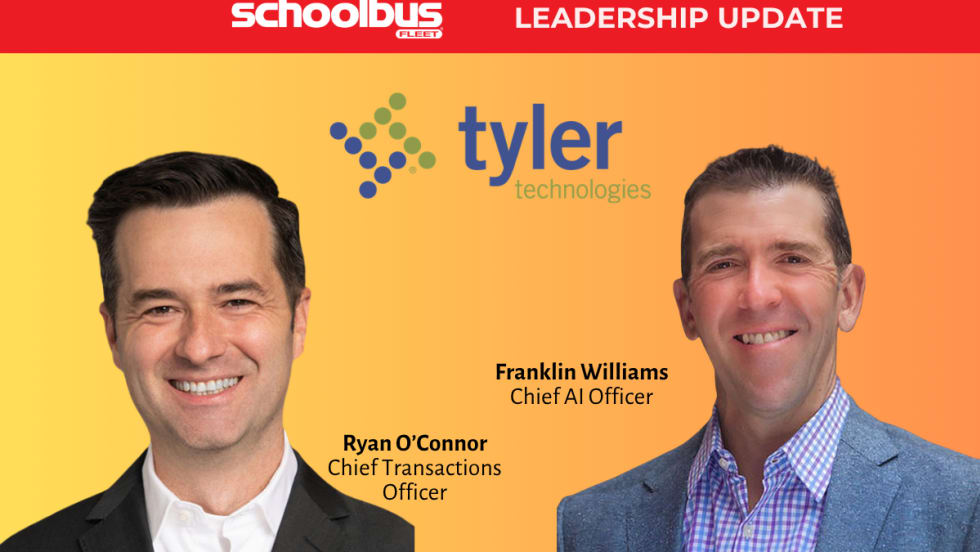
Tyler Technologies Adds New AI, Transactions Leadership Roles
Two company executives are promoted to newly created C-suite positions to accelerate the company's long-term growth in both artificial intelligence and payments.
Read More →
Pro-Vision Acquires Convoy Technologies
The deal aims to broaden customer relationships and adds specialized vehicle video capabilities for commercial fleets.
Read More →


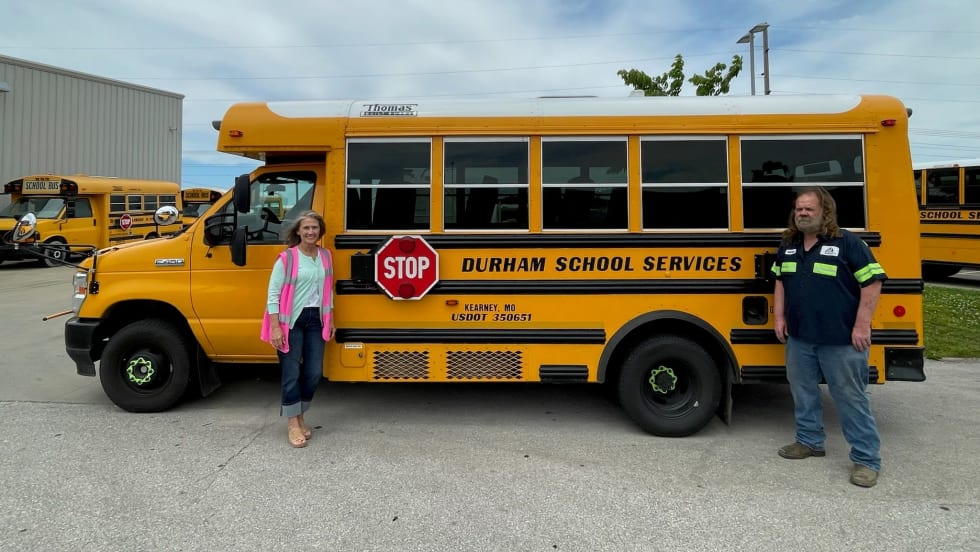
Durham School Services Maintenance Teams Earn Missouri Fleet Excellence Awards
Eight of the contractor’s school bus fleets achieved a distinction few maintenance teams earn during the state’s rigorous annual inspection program.
Read More →
How Incentives, AI, and Energy Markets Are Reshaping School Transportation
Sit down with Joe Annotti of TRC Companies to talk district grant funding, utility challenges, AI, and why school buses are evolving from transportation assets into energy assets.
Read More →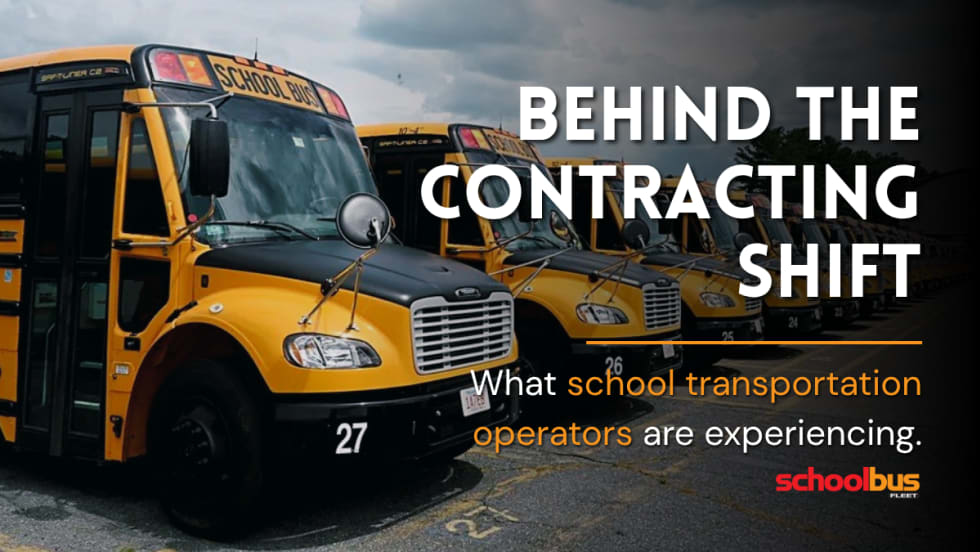
Inside the Contracting Shift: What School Transportation Operators Are Seeing Now
School transportation contractors weigh in on recent trends, costs, driver shortages, and the rise of multimodal student transportation.
Read More →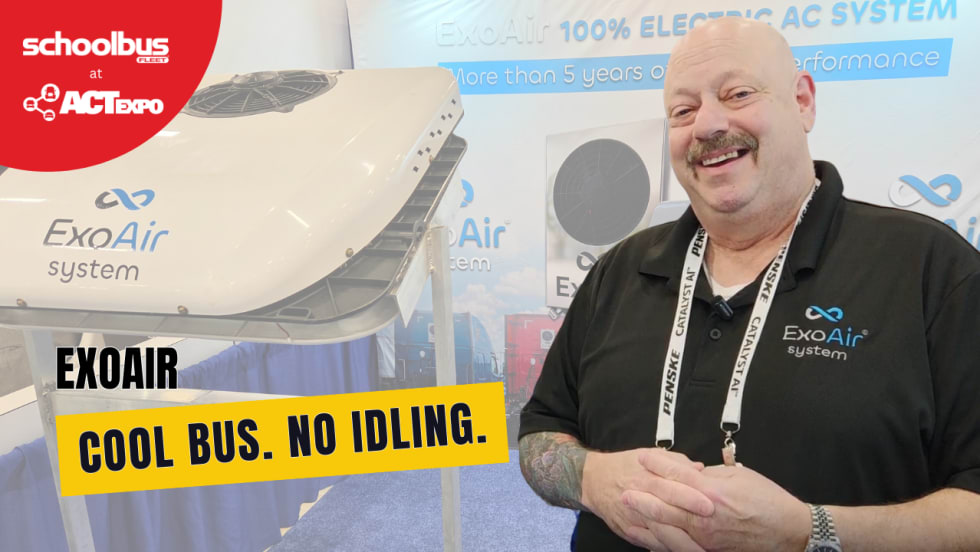
The No-Idling School Bus AC System
Take a peek at ExoAir Systems’ battery-powered cooling solution designed to run for up to 10 hours without the engine on, reducing fuel use and improving comfort for drivers and students.
Read More →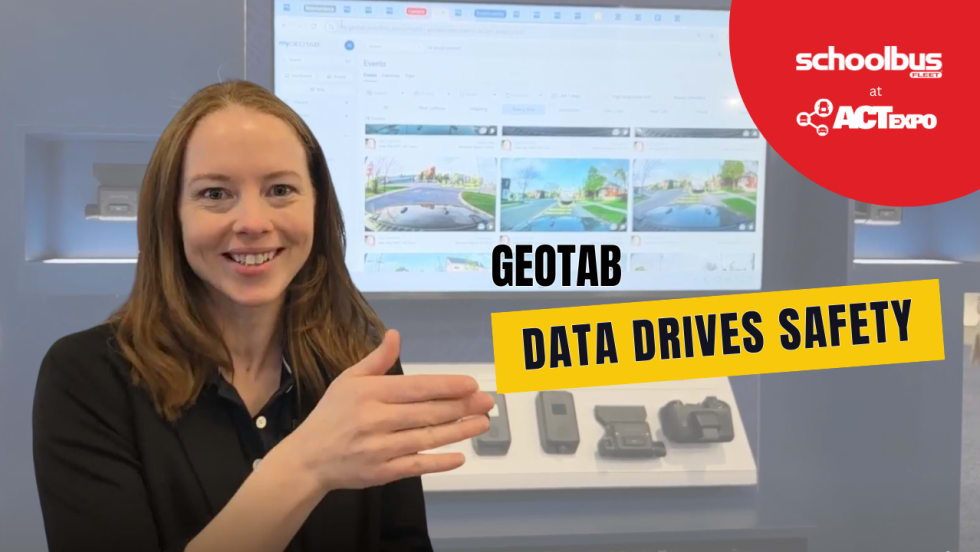
Geotab on Three Major Trends in School Transportation
School bus fleets are becoming more proactive than ever. From AI driver alerts to vehicle-to-grid opportunities, Geotab outlines the biggest technology trends transforming school bus operations.
Read More →
Gatekeeper Lands Major School Bus Deals as Revenue Surges
The video solutions provider announces contracts with Atlanta Public Schools and other fleet operators as it records quarterly revenue growth and expanding subscription business.
Read More →
Building Leaders Who Last: Creating a Successful Mentorship Program in Student Transportation
Discover five strategies for building an effective mentorship program to strengthen leadership development and support staff retention.
Read More →