



Alabama study: Seat belts result in negative cost benefits
Study finds rate of seat belt use of 61.5 percent. Equipping buses with seat belts also resulted in capacity loss of 5 to 18 percent. Researchers suggest funding would be better spent on danger zone safety improvements.

BIRMINGHAM, Ala. — The University of Alabama (UA) has released a report on the results of its study exploring the implementation of seat belts on school buses.
The three-year project was conducted for the Governor's Study Group on School Bus Seat Belts and the Alabama State Department of Education.
"This has been my favorite research project in a 35-plus-year career," said Dr. Dan Turner, the UA professor who led the study. "Most people in life never have an opportunity to work on a project of this magnitude, especially with such dedicated people. I am grateful that the Governor's Study Committee had the foresight to realize that someone needed to do this research, and the courage to step forward and organize the project in Alabama."
Joe Lightsey and Brad Holley of the pupil transportation section of the Alabama State Department of Education also helped manage the project, Turner said. "They exhibited deep concern for pupil safety at each step over the past three years," he noted. Four other UA faculty members, five staff members and 19 students helped conduct the research. "[They] knew that the outcome of this project would be a driving influence in future pupil safety," Turner told SBF.
The study examined the rate of seat belt use, the effects on bus discipline, the attitudes of stakeholders, the loss of capacity attributable to seat belts and the cost-effectiveness of the belts.
Key findings of the study include:
• The addition of seat belts would make already-safe school buses even safer.
• Based on 170,000 observations of pupils in pilot-project buses, this project established an average seat belt use rate of 61.5 percent.
• This study found thicker seatbacks and fixed buckle spacing could cause capacity losses of 5 to 18 percent, depending on the configuration of seats and rows. The bus fleet would need to expand 5 to 18 percent to offset the capacity loss.
• Using methodology from the National Highway Traffic Safety Administration in which the cost of an equivalent life saved is equal to $32 million to $38 million, researchers determined that the net benefit for seat belt implementation over one fleet life cycle would be between -$104 million and -$125 million. The negative net benefit suggests using more cost-effective safety measures rather than implementing seat belts across large school bus fleets, the researchers said.
• Most school bus pupil fatalities occur outside buses in or near loading zones. According to the researchers, if funding is to be spent on school bus safety, it appears more lives could be saved by investing in enhanced safety measures in loading/unloading zones. These treatments are likely more cost-effective than seat belts, the researchers said.
To read the full study report, click here.
More Management
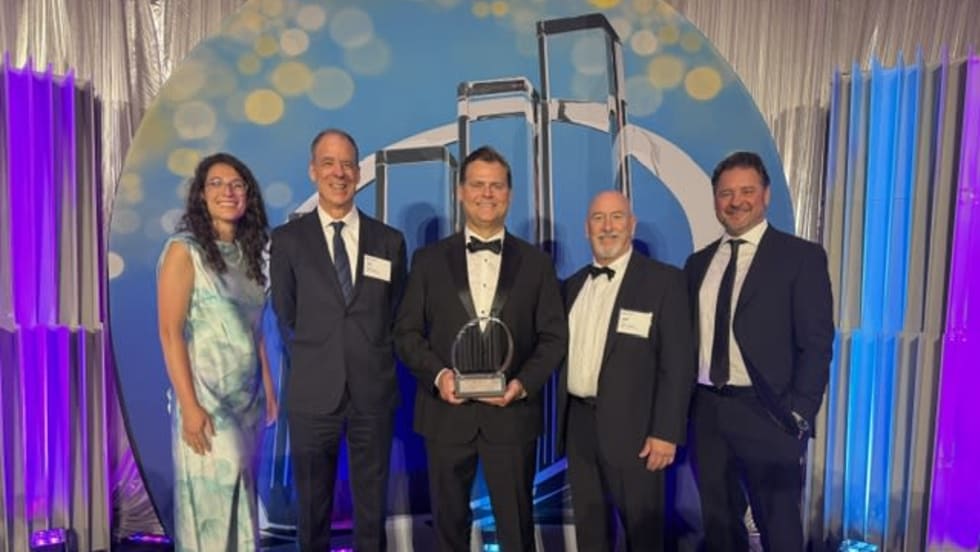
ASTP's Tod Eskra Named an Entrepreneur of the Year
The award from Ernst & Young honors visionary leadership behind one of America's fastest-growing student transportation contracting companies.
Read More →
Drivers and Technicians: Help Benchmark Today's School Bus Manufacturers
If you've spent time behind the wheel or under the hood, we want to hear your perspective on the buses you know best.
Read More →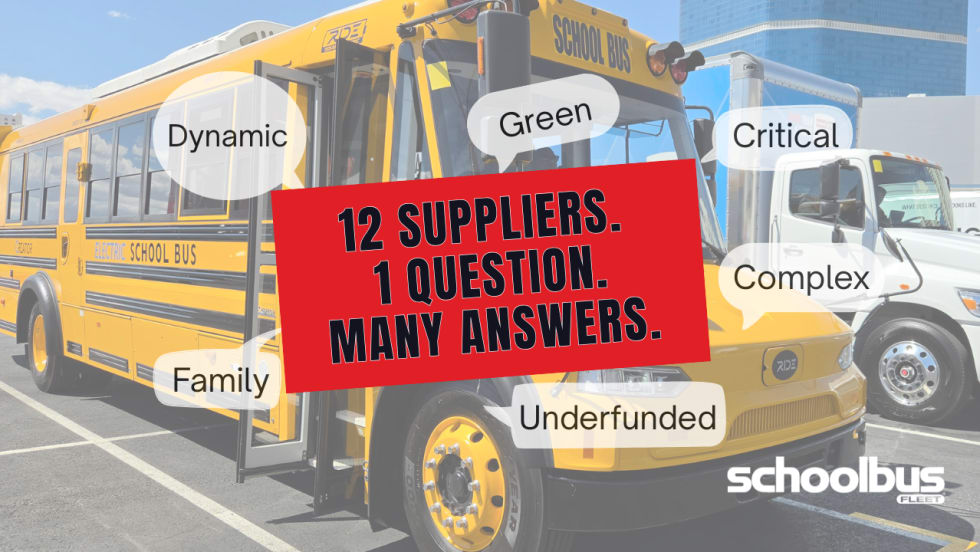
13 Industry Leaders Describe School Transportation in One Word
What word best describes the school bus industry today? We posed that question to over a dozen manufacturers, resulting in a revealing mix of perspectives on the challenges and opportunities ahead.
Read More →



Tyler Technologies Adds New AI, Transactions Leadership Roles
Two company executives are promoted to newly created C-suite positions to accelerate the company's long-term growth in both artificial intelligence and payments.
Read More →
Pro-Vision Acquires Convoy Technologies
The deal aims to broaden customer relationships and adds specialized vehicle video capabilities for commercial fleets.
Read More →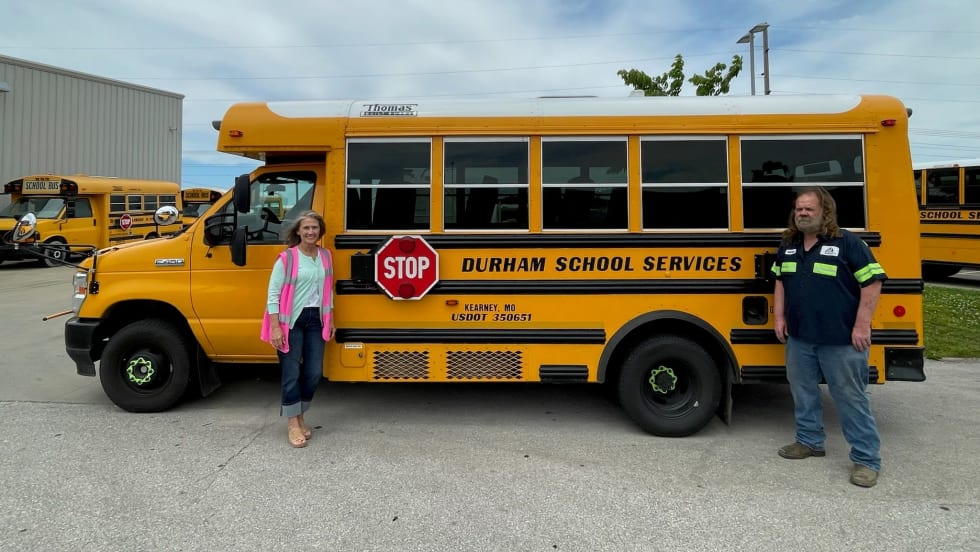
Durham School Services Maintenance Teams Earn Missouri Fleet Excellence Awards
Eight of the contractor’s school bus fleets achieved a distinction few maintenance teams earn during the state’s rigorous annual inspection program.
Read More →
How Incentives, AI, and Energy Markets Are Reshaping School Transportation
Sit down with Joe Annotti of TRC Companies to talk district grant funding, utility challenges, AI, and why school buses are evolving from transportation assets into energy assets.
Read More →
Inside the Contracting Shift: What School Transportation Operators Are Seeing Now
School transportation contractors weigh in on recent trends, costs, driver shortages, and the rise of multimodal student transportation.
Read More →
The No-Idling School Bus AC System
Take a peek at ExoAir Systems’ battery-powered cooling solution designed to run for up to 10 hours without the engine on, reducing fuel use and improving comfort for drivers and students.
Read More →
Geotab on Three Major Trends in School Transportation
School bus fleets are becoming more proactive than ever. From AI driver alerts to vehicle-to-grid opportunities, Geotab outlines the biggest technology trends transforming school bus operations.
Read More →