




Study: Cost of motor vehicle crashes tops $99 billion
Teens and young adults made up 28 percent of all fatal and non-fatal motor vehicle injuries and 31 percent of the costs ($31 billion). Recommendations to prevent accidents include graduated driver licensing policies, child safety seat distribution, primary seat belt laws and enforcement, helmet laws and sobriety checkpoints.

In a one-year period, the cost of medical care and productivity losses associated with injuries from motor vehicle crashes exceeded $99 billion — with the cost of direct medical care accounting for $17 billion — according to a study by the Centers for Disease Control and Prevention (CDC).
The total annual cost amounts to nearly $500 for each licensed driver in the U.S., said the study in the journal Traffic Injury Prevention.
The one-year costs of fatal and non-fatal crash-related injuries totaled $70 billion (71 percent of total costs) for people riding in motor vehicles, such as cars and light trucks, $12 billion for motorcyclists, $10 billion for pedestrians and $5 billion for bicyclists, the study said.
CDC researchers used 2005 data because, at the study time, it provided the most current source of national fatal and non-fatal injury and cost data from multiple sources.
"Every 10 seconds, someone in the U.S. is treated in an emergency department for crash-related injuries, and nearly 40,000 people die from these injuries each year," said Dr. Grant Baldwin, director of CDC's Division of Unintentional Injury Prevention, National Center for Injury Prevention and Control. "This study highlights the magnitude of the problem of crash-related injuries from a cost perspective, and the numbers are staggering."
The study also found:
• Costs related to fatal motor vehicle-related injuries totaled $58 billion. The cost of non-fatal injuries resulting in hospitalization amounted to $28 billion, and the cost of injuries to people treated in emergency departments and released was $14 billion.
• More men were killed (70 percent) and injured (52 percent) in motor vehicle crashes than women. Injuries and deaths among men represented 74 percent ($74 billion) of all costs.
• Teens and young adults made up 28 percent of all fatal and non-fatal motor vehicle injuries and 31 percent of the costs ($31 billion). These young people represented only 14 percent of the U.S. population.
• Motorcyclists made up 6 percent of all fatalities and injuries but 12 percent of the costs, likely due to the severity of their injuries. Pedestrians, who have no protection when they are hit by vehicles and are also often severely injured, made up 5 percent of all injuries but 10 percent of total costs.
Motor vehicle crash injuries and deaths and the associated costs are preventable. CDC's Injury Center supports proven, effective strategies for prevention such as:
• Graduated driver licensing (GDL) policies: These laws allow new teen drivers to get experience on the road in lower-risk situations as they gain experience over time. Strong GDL laws have been associated with up to 40 percent decreases in crashes among 16-year-old drivers.
• Child safety seat distribution and education programs: Increased use of correctly installed and fitted child safety seats could help reduce the $3.6 billion annual bill for injuries to children, the cost number found in this study.
• Primary seat belt laws: These laws allow motorists to be stopped and cited for not wearing seat belts. Seat belts reduce the risk of death to those riding in the front seat of cars by about half.
• Enhanced seat belt enforcement programs: Enhanced enforcement programs in which law enforcement officers focus on getting people to buckle up (e.g., Click It or Ticket) are effective at increasing safety belt use and reducing deaths and injuries.
• Motorcycle and bicycle helmet laws: Helmets can reduce the risk of death in a motorcycle crash by more than one-third and reduce the risk of brain injury by 69 percent.
• Sobriety checkpoints: These checkpoints, where drivers are stopped to assess their level of alcohol impairment, can reduce alcohol-related crash deaths by more than 20 percent.
For details on state-specific policies and a state-by-state policy comparison, visit www.iihs.org/laws.
CDC has also released a one-page fact sheet to help communities play an important role in reducing the human and economic toll of motor vehicle-related injuries by supporting prevention policies that have been shown to save lives and reduce costs. It provides information about cost-effective policies to improve child passenger safety, improve teen driver safety, reduce alcohol-impaired driving and increase safety belt use.
For a complete copy of the CDC study, go to www.informaworld.com/smpp/section?content=a926084087&fulltext=713240928.
More Management
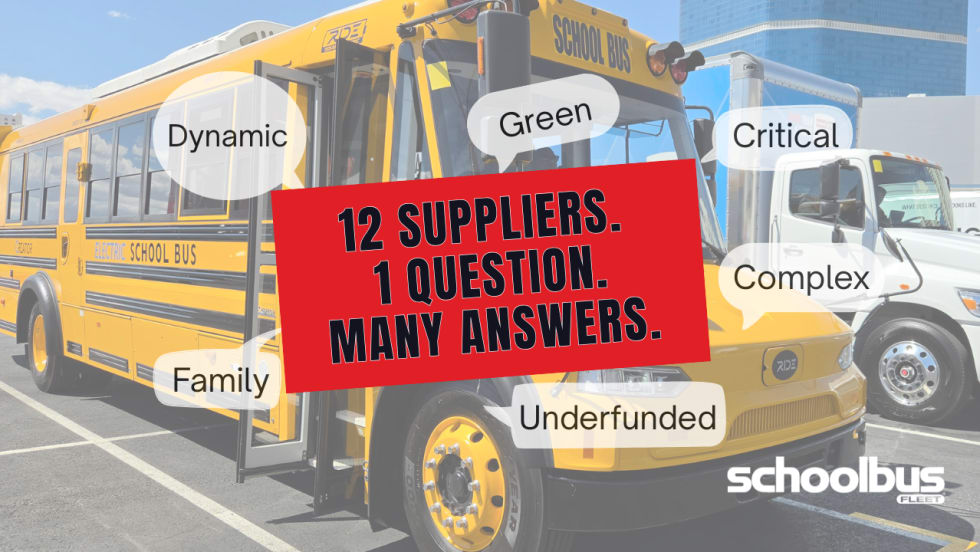
13 Industry Leaders Describe School Transportation in One Word
What word best describes the school bus industry today? We posed that question to over a dozen manufacturers, resulting in a revealing mix of perspectives on the challenges and opportunities ahead.
Read More →
Tyler Technologies Adds New AI, Transactions Leadership Roles
Two company executives are promoted to newly created C-suite positions to accelerate the company's long-term growth in both artificial intelligence and payments.
Read More →
Pro-Vision Acquires Convoy Technologies
The deal aims to broaden customer relationships and adds specialized vehicle video capabilities for commercial fleets.
Read More →


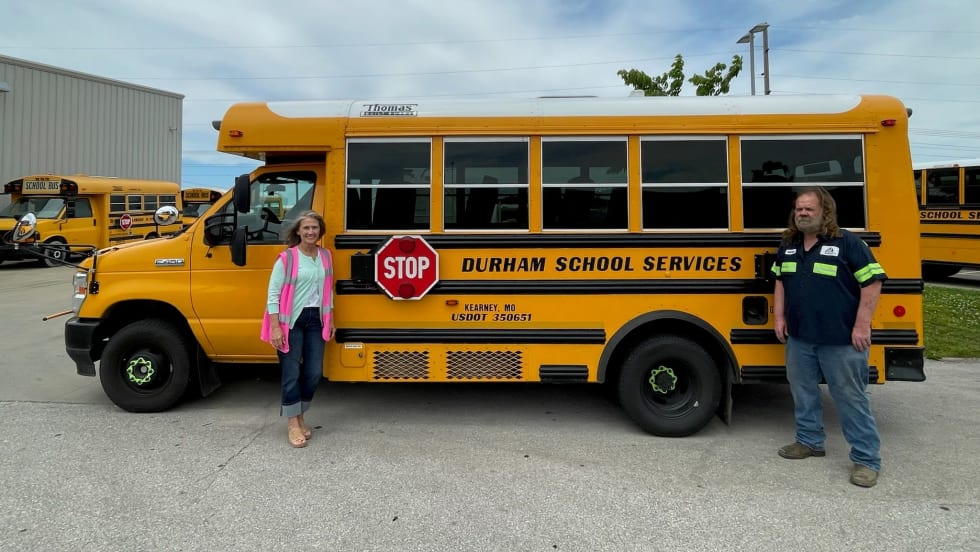
Durham School Services Maintenance Teams Earn Missouri Fleet Excellence Awards
Eight of the contractor’s school bus fleets achieved a distinction few maintenance teams earn during the state’s rigorous annual inspection program.
Read More →
How Incentives, AI, and Energy Markets Are Reshaping School Transportation
Sit down with Joe Annotti of TRC Companies to talk district grant funding, utility challenges, AI, and why school buses are evolving from transportation assets into energy assets.
Read More →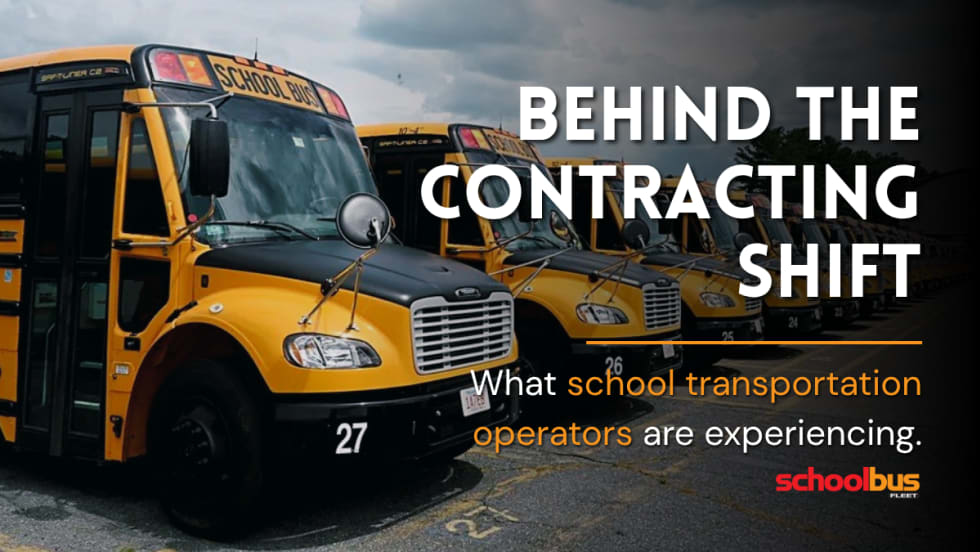
Inside the Contracting Shift: What School Transportation Operators Are Seeing Now
School transportation contractors weigh in on recent trends, costs, driver shortages, and the rise of multimodal student transportation.
Read More →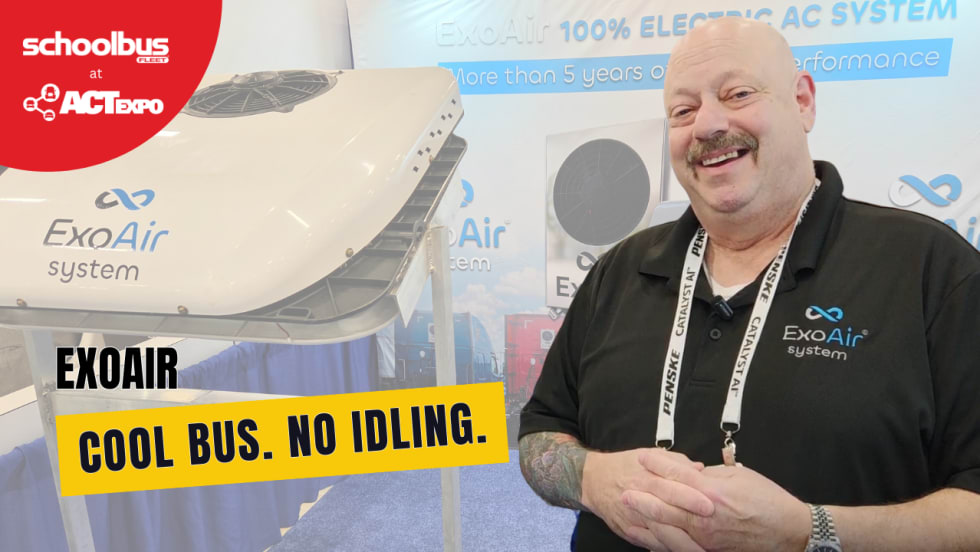
The No-Idling School Bus AC System
Take a peek at ExoAir Systems’ battery-powered cooling solution designed to run for up to 10 hours without the engine on, reducing fuel use and improving comfort for drivers and students.
Read More →
Geotab on Three Major Trends in School Transportation
School bus fleets are becoming more proactive than ever. From AI driver alerts to vehicle-to-grid opportunities, Geotab outlines the biggest technology trends transforming school bus operations.
Read More →
Gatekeeper Lands Major School Bus Deals as Revenue Surges
The video solutions provider announces contracts with Atlanta Public Schools and other fleet operators as it records quarterly revenue growth and expanding subscription business.
Read More →
Building Leaders Who Last: Creating a Successful Mentorship Program in Student Transportation
Discover five strategies for building an effective mentorship program to strengthen leadership development and support staff retention.
Read More →