



ASBC reports on benefits of school bus service in 2008
WASHINGTON — The American School Bus Council (ASBC) released its findings from an analysis of 2008 and the results of a recent survey.

WASHINGTON — The American School Bus Council (ASBC) released its findings from an analysis of 2008 and the results of a recent survey.
The ASBC found that in 2008, more than 480,000 yellow school buses across the nation transported an estimated 26 million students to and from school, sparing nearly 2.3 billion gallons of fuel and saving families more than $7.3 billion in fuel costs.
The council also found that 87 percent of parents in the U.S. agree that the school bus is the only reliable form of transportation for many students, and without it, the ability of students to access the education system is limited.
"Each day, school buses across the country take more than half the school age population to school without incident," said Barry Stock, president of the National School Transportation Association and an ASBC member, "so we weren't surprised when 70 percent of parents indicated that they see the school bus transportation system as a great convenience. As we round out 2008 and look to the economic reports for 2009, the school bus industry looks forward to continuing to offer families a safe and economical way to transport our children."
Additional data compiled by the ASBC as part of its 2008 analysis is as follows:
17.3 million: total number of private vehicles that would be needed to transport students currently riding on all school buses
822 million gallons per year: total fuel used by school bus fleet
$3.4 billion per year: total cost of fuel used by school bus fleet
$131 per year: cost of fuel per child transported by school bus
3.1 billion gallons per year: total fuel for cars replaced by buses
$11.4 billion per year: cost of fuel for cars replaced by school buses
62.4 billion: total annual car mileage saved by students riding school buses
346.6 million: total daily car mileage saved by students riding school buses
36: average number of cars that would be needed to transport students currently riding one school bus The council also touched on the environmental benefits of school bus service, reporting that new diesel engine standards make today's buses 98 percent less polluting than buses manufactured two decades ago.
Moreover, the ASBC estimated that a teenager that lives five miles from school and drives a 2008 Honda Civic can reduce his or her carbon footprint dramatically — from 1.27 tons of carbon dioxide by driving to 0.12 tons by riding a school bus.
More Management
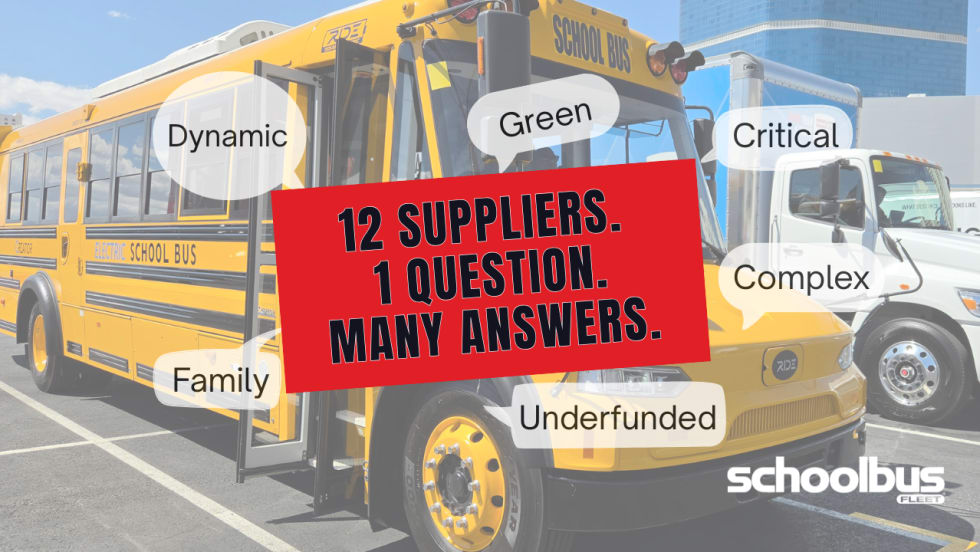
13 Industry Leaders Describe School Transportation in One Word
What word best describes the school bus industry today? We posed that question to over a dozen manufacturers, resulting in a revealing mix of perspectives on the challenges and opportunities ahead.
Read More →
Tyler Technologies Adds New AI, Transactions Leadership Roles
Two company executives are promoted to newly created C-suite positions to accelerate the company's long-term growth in both artificial intelligence and payments.
Read More →
Pro-Vision Acquires Convoy Technologies
The deal aims to broaden customer relationships and adds specialized vehicle video capabilities for commercial fleets.
Read More →


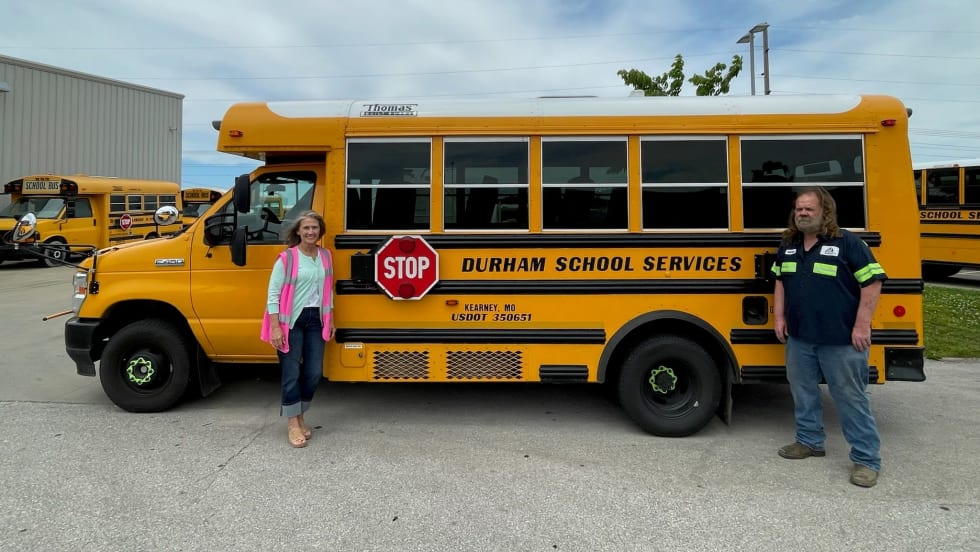
Durham School Services Maintenance Teams Earn Missouri Fleet Excellence Awards
Eight of the contractor’s school bus fleets achieved a distinction few maintenance teams earn during the state’s rigorous annual inspection program.
Read More →
How Incentives, AI, and Energy Markets Are Reshaping School Transportation
Sit down with Joe Annotti of TRC Companies to talk district grant funding, utility challenges, AI, and why school buses are evolving from transportation assets into energy assets.
Read More →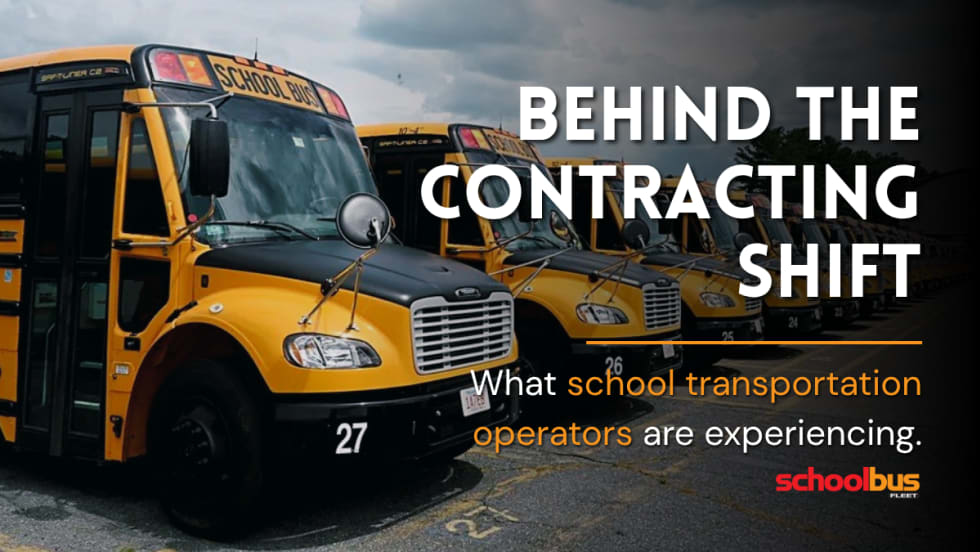
Inside the Contracting Shift: What School Transportation Operators Are Seeing Now
School transportation contractors weigh in on recent trends, costs, driver shortages, and the rise of multimodal student transportation.
Read More →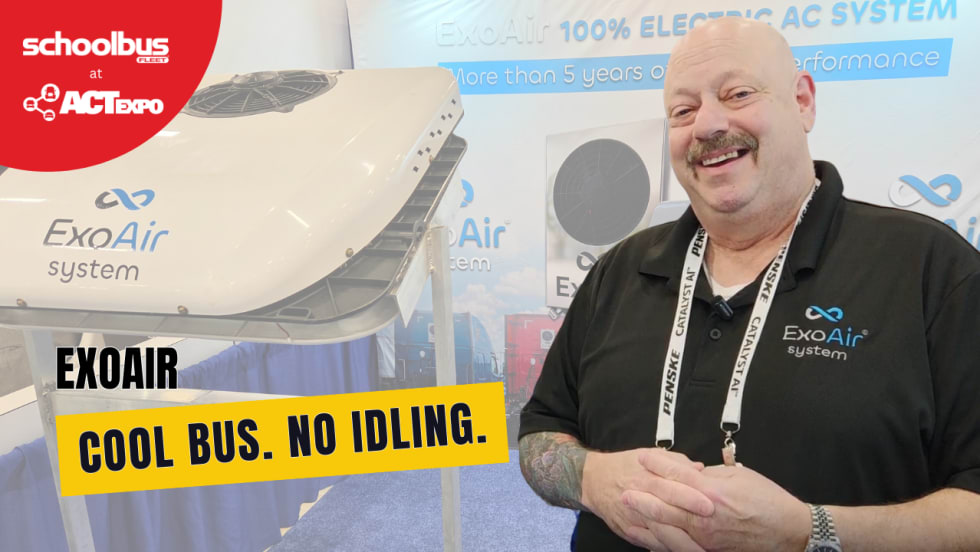
The No-Idling School Bus AC System
Take a peek at ExoAir Systems’ battery-powered cooling solution designed to run for up to 10 hours without the engine on, reducing fuel use and improving comfort for drivers and students.
Read More →
Geotab on Three Major Trends in School Transportation
School bus fleets are becoming more proactive than ever. From AI driver alerts to vehicle-to-grid opportunities, Geotab outlines the biggest technology trends transforming school bus operations.
Read More →
Gatekeeper Lands Major School Bus Deals as Revenue Surges
The video solutions provider announces contracts with Atlanta Public Schools and other fleet operators as it records quarterly revenue growth and expanding subscription business.
Read More →
Building Leaders Who Last: Creating a Successful Mentorship Program in Student Transportation
Discover five strategies for building an effective mentorship program to strengthen leadership development and support staff retention.
Read More →