



Blue Bird dealer revamps training, pushes alt-fuels
Now in its 37th year of business, Central States Bus Sales recently strengthened efforts to focus on the school bus manufacturer’s green technologies and provide comprehensive instruction for customers in the process.
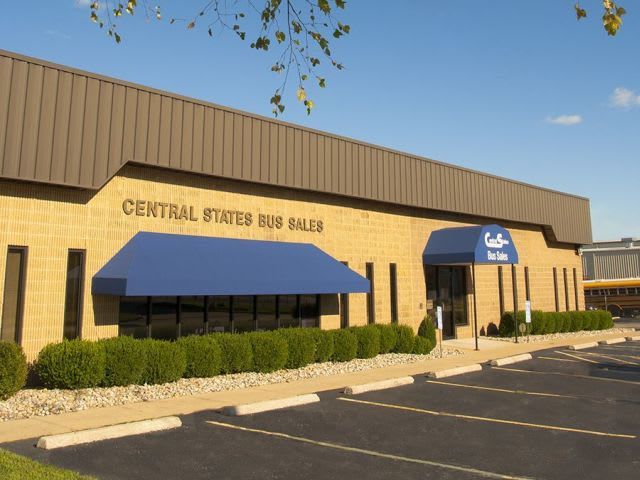
Central States Bus Sales is headquartered in Fenton, Mo., and serves five Midwestern states: Arkansas, Kentucky, Missouri, Illinois and Tennessee. The company has been a dealer for Blue Bird since 1975.
Central States Bus Sales (CSBS), one of Blue Bird Corp.’s largest distributors, has revamped its training program to better assist its clients as sustainable technology for school buses continues to advance.
CEO and President Jeff Reitz bought the company in 2010 after joining the team in 1993. Since the early 2000s, he has helped the company expand its territory. Reitz says CSBS was awarded the additional territory due to its persistent growth and strong business model. The company is headquartered in Fenton, Mo., and serves five Midwestern, or “central,” states: Arkansas, Kentucky, Missouri, Illinois and Tennessee.
CSBS’ training program offers various educational resources and now assists clients making the transition from diesel to propane or CNG.
Accessible training after the sale
Reitz calls the training program, which provides free technical support after the sale, one of the company’s key differentiators. Customers have access to comprehensive seminars led by an education staff, including ASE-certified technicians.
“The training program has been in place for 10 years, but we have expanded it a lot in the past two years as the newer alt-fuel buses get more and more complicated to service and operate,” Reitz says. “We’re trying to be the go-to person to provide answers.”
A segment of CSBS’ website, www.centralstatesbus.com, is dedicated to after-sale assistance as well. It features a handful of educational resources, such as electronic manuals, recall information and more. The website aims to help customers understand their new vehicle and how to service it properly. There is also an after-sale call center.
“Whether it’s on maintenance or safety, training is just imperative,” Reitz says.
As the economy tightened, Reitz found that customers were having an increasingly difficult time making it out to a CSBS regional location for training. Therefore, the company decided to accommodate clients by offering a greater volume of onsite training programs.
CSBS often brings multiple districts together in a centralized meeting place, or arranges smaller gatherings with 40 to 50 customers at a time when requested by a facility. Most of the onsite training sessions are vehicle specific.
“The customer can request the training and we’ll schedule it to make sure it covers the topics they want to talk about,” Reitz says. “It can be anywhere from one day to a week’s worth of training depending on how comprehensive the customers want to get.”
CSBS also recently invested in a software that has increased overall efficiencies — helping with the daily operations of its parts and services departments — as well as customer satisfaction.
“It allows us to have visibility to make sure we get the bus back on the road as soon as possible after a problem,” Reitz explains. “This way, the problem isn’t just in one person’s hands, but we get a global point of view of the customers to make sure they’re taken care of.”
[PAGEBREAK]A greener focus
Although Blue Bird introduced propane-powered vehicles in 2006, they have become more popular in recent years. CSBS told SBF that the company is now making a bigger push for customers to use them.
“We’ve done a lot of propane marketing lately and have tried to focus on the green technologies available through Blue Bird,” Reitz says. Blue Bird’s CNG-powered vehicles are also available through CSBS.
It’s a big change for customers, which is why CSBS’ training program was revamped. But the company also started hosting open houses called “Ride and Drives,” where customers can actually test drive alternative-fueled vehicles to get a feel for propane performance.
“Propane is cheaper than diesel to procure and meets not just the current, but the future U.S. emissions obligations as well. With propane, customers pay 50% less for fuel per gallon,” Reitz says.
“Propane vehicles are becoming more popular, and not just in the Midwest,” he adds. “People are more aware of the cost benefit; the cost of propane fueling stations and the product’s performance have been two driving factors for us.”
Green efforts have also been extended into other areas of CSBS’ business. At training sessions, lectures are presented electronically, and after sessions, customers are sent home with thumb drives to cut back on printing.
Now in its 37th year of business, CSBS is involved in over 25 school bus associations, and is active with lobbying as well.
“We feel strongly we need to be involved at the state level to help support these organizations in any cause,” Reitz says. “That’s because we’re committed to the industry and to education.”
More Management
13 Industry Leaders Describe School Transportation in One Word
What word best describes the school bus industry today? We posed that question to over a dozen manufacturers, resulting in a revealing mix of perspectives on the challenges and opportunities ahead.
Read More →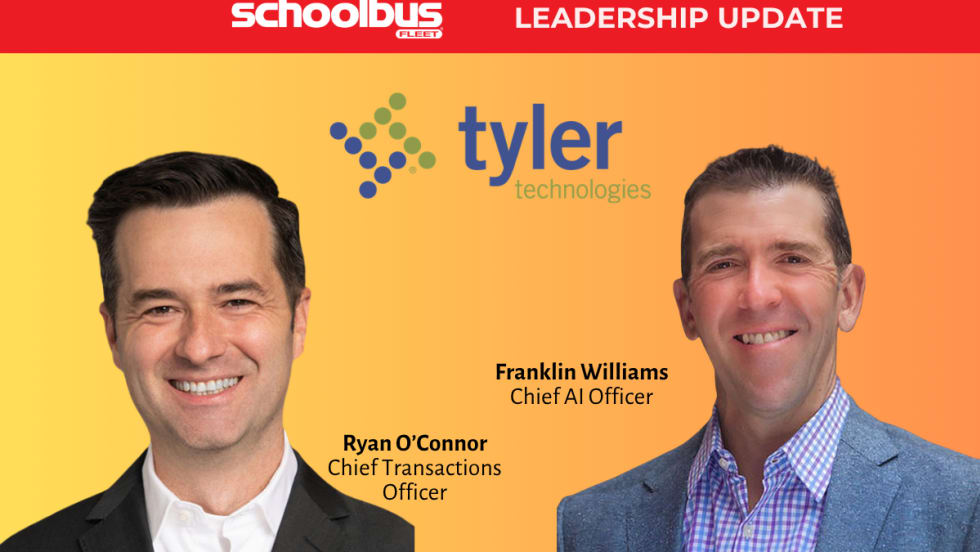
Tyler Technologies Adds New AI, Transactions Leadership Roles
Two company executives are promoted to newly created C-suite positions to accelerate the company's long-term growth in both artificial intelligence and payments.
Read More →
Pro-Vision Acquires Convoy Technologies
The deal aims to broaden customer relationships and adds specialized vehicle video capabilities for commercial fleets.
Read More →


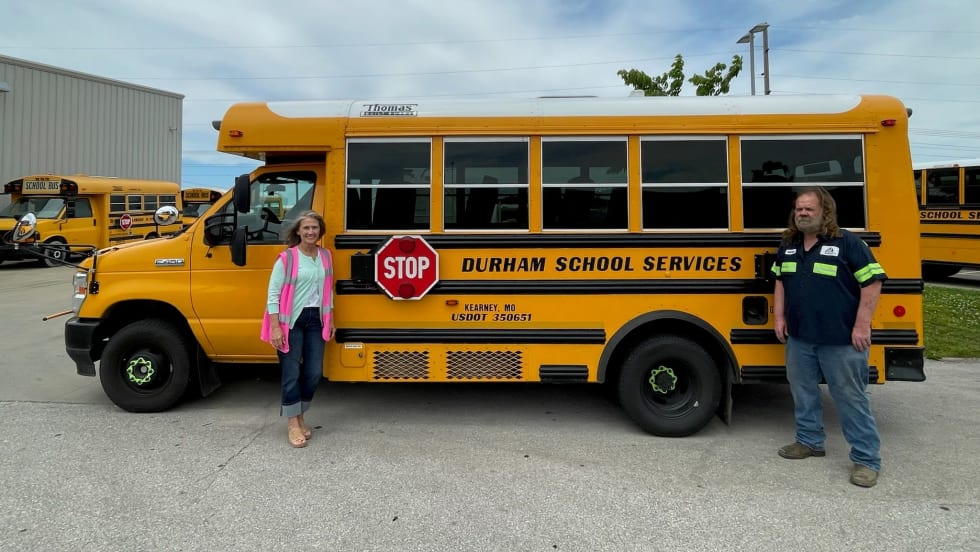
Durham School Services Maintenance Teams Earn Missouri Fleet Excellence Awards
Eight of the contractor’s school bus fleets achieved a distinction few maintenance teams earn during the state’s rigorous annual inspection program.
Read More →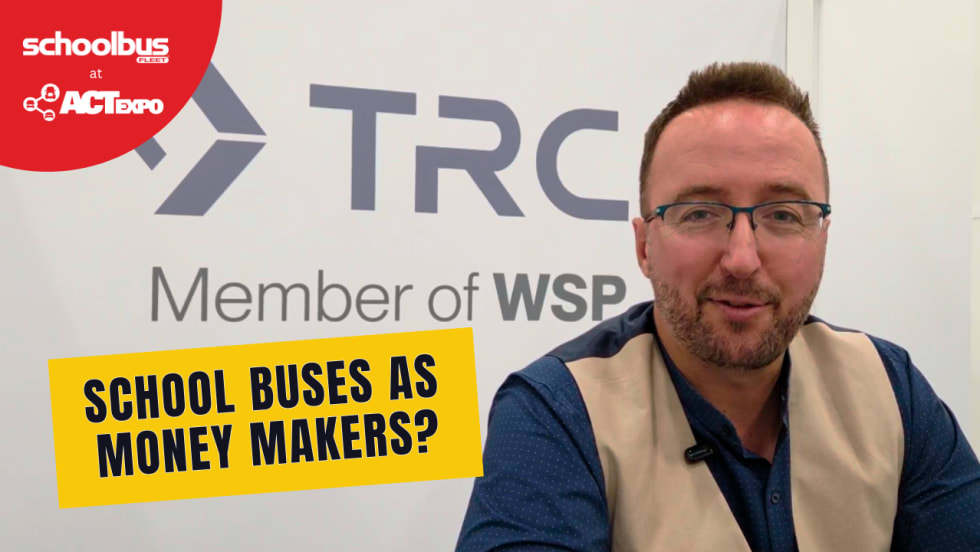
How Incentives, AI, and Energy Markets Are Reshaping School Transportation
Sit down with Joe Annotti of TRC Companies to talk district grant funding, utility challenges, AI, and why school buses are evolving from transportation assets into energy assets.
Read More →
Inside the Contracting Shift: What School Transportation Operators Are Seeing Now
School transportation contractors weigh in on recent trends, costs, driver shortages, and the rise of multimodal student transportation.
Read More →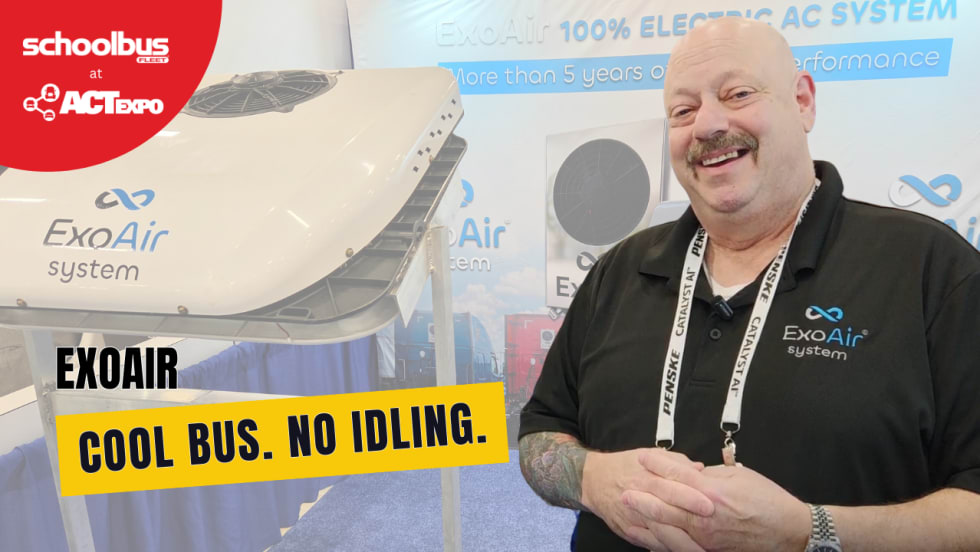
The No-Idling School Bus AC System
Take a peek at ExoAir Systems’ battery-powered cooling solution designed to run for up to 10 hours without the engine on, reducing fuel use and improving comfort for drivers and students.
Read More →
Geotab on Three Major Trends in School Transportation
School bus fleets are becoming more proactive than ever. From AI driver alerts to vehicle-to-grid opportunities, Geotab outlines the biggest technology trends transforming school bus operations.
Read More →
Gatekeeper Lands Major School Bus Deals as Revenue Surges
The video solutions provider announces contracts with Atlanta Public Schools and other fleet operators as it records quarterly revenue growth and expanding subscription business.
Read More →
Building Leaders Who Last: Creating a Successful Mentorship Program in Student Transportation
Discover five strategies for building an effective mentorship program to strengthen leadership development and support staff retention.
Read More →