



Keeping our eyes on the prize
An industry veteran discusses the negative repercussions of high levels of stress and offers tips on how to stay on track to good physical and mental health. Doing so will help one stay focused on “the prize” — the next generation of students.

I attended a Michigan Association for Pupil Transportation conference a couple of years ago where the theme of the event was "Keep Your Eyes on the Prize."
For three event-filled days, our focus was diverted from the distractions of dire budget projections (which still haven't changed much) and the overall busyness of our daily routines, and on to the key themes of why we do what we do in the pupil transportation business: ensuring that the safe transportation of "the prize" - the next generation - is maintained to the highest of industry standards. It was an appropriate title, especially given our trying times, when days are punctuated with challenge, change and ... stress.
But stress is not all bad. In fact, stress can be beneficial, as it releases a key "fight or flight" hormone in our bodies called cortisol.
Cortisol: the good and bad
Cortisol, like the other hormones in our bodies, is an important and necessary ingredient in our survival. Not only does it help regulate our blood pressure, it also helps metabolize glucose, kick starts our immune system and even helps keep swelling of muscle tissues in check after a physical injury. In short, it would be pretty hard for us to function without it.
Unfortunately, in the high-stress lives we lead, filled with "type-A-squared," multi-tasked-to-the-max people, keeping our stress levels in check is not so easy. In fact, the harder and faster we live, the less our bodies have a chance (or even the ability) to lower - much less regulate - elevated cortisol levels to a normal range. Unchecked, it can lead to what experts term "Chronic Stress Syndrome."
Award-winning family, marriage and corporate counselor Elizabeth Scott, M.S., has devoted her professional life to this subject, conducting individual therapy and compassionate counseling for couples. She has also facilitated scores of stress management workshops with a variety of individuals and groups. According to Scott, elevated levels of cortisol in our bloodstream for prolonged periods of time can do a lot of damage. Her research reveals some alarming findings: Higher heart rate and blood pressure, higher LDL ("bad") cholesterol, a decrease in bone mass and muscle tissue, reduced immune function and increased abdominal fat (which in itself can lead to all kinds of other health problems) may result from cortisol saturation.
[PAGEBREAK]

Mind your stress level
So how do we get off the fast track to health problems and on the right track to good physical and mental health? Scott gives us a few good suggestions: Physical exercise is among the best, along with any other activity (e.g., deep breathing exercises, reading, prayer, etc.) that triggers your body's natural "relaxation responses," allowing your body, mind and metabolism to calm down naturally.
Another important discipline we can take up is to practice a positive outlook on life. One way we can do that is to live out "The Ten Commandments of Effective Human Relations":
We should keep skid chains handy, not only for school bus tires for those in northern tier states, but for our tongue; we should always say less than we think. Remember, how we say something often carries more weight than what we say.
Make promises sparingly, but always keep them faithfully.
Never pass up an opportunity to say a kind and encouraging word to or about someone.
Be interested in others. Let everyone you meet feel that you regard him or her with sincere importance.
Be cheerful. Hide your pains, your worries and your disappointments under an ever-present smile. Better yet, don't hesitate to seek help for serious hurts; you may be able to help someone else out of his or her own despair later on from what you learned.
Preserve an open mind on all debatable questions. Discuss, but do not argue.
Let your virtues speak for themselves and refuse to talk about another person's vices. Make it a part of your routine to say nothing about someone else, unless it's something good.
Be careful of other people's feelings. Wit and humor at someone else's expense are rarely worth the effort, and may hurt others when least expected.
Pay no attention to ill-natured remarks people may make about you. Simply live your life in such a way that no one will believe them. Write your epitaph upon the hearts of others.
And finally, don't be too anxious about your "dues"; do your work, be patient, keep a pleasant disposition and forget about "self" by helping others. Eventually, you will be rewarded.
Minding our stress levels by focusing on the positives is never easy, but it will go a long way in keeping our bodies and minds in proper balance. It will also keep us more focused and energetic as we help each other to "keep our eyes on the prize."
More Management
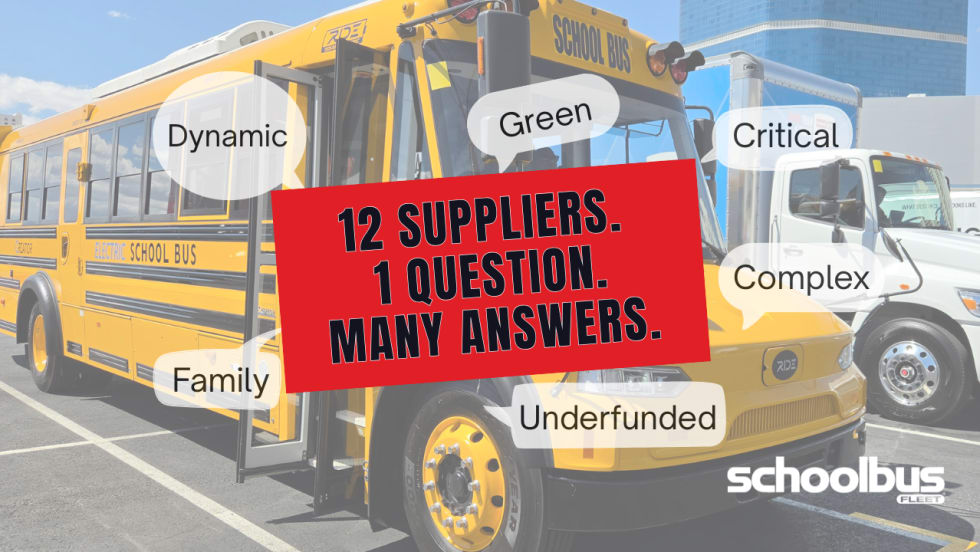
13 Industry Leaders Describe School Transportation in One Word
What word best describes the school bus industry today? We posed that question to over a dozen manufacturers, resulting in a revealing mix of perspectives on the challenges and opportunities ahead.
Read More →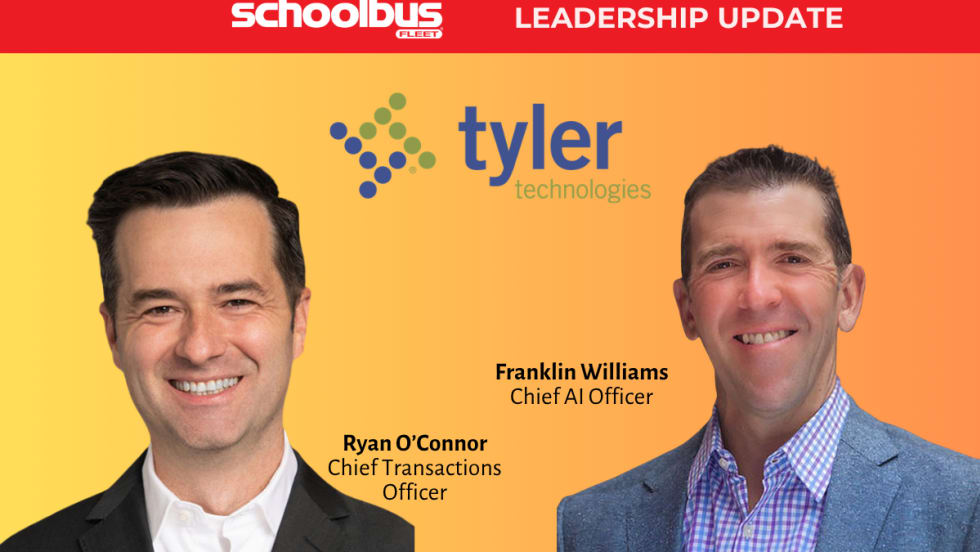
Tyler Technologies Adds New AI, Transactions Leadership Roles
Two company executives are promoted to newly created C-suite positions to accelerate the company's long-term growth in both artificial intelligence and payments.
Read More →
Pro-Vision Acquires Convoy Technologies
The deal aims to broaden customer relationships and adds specialized vehicle video capabilities for commercial fleets.
Read More →


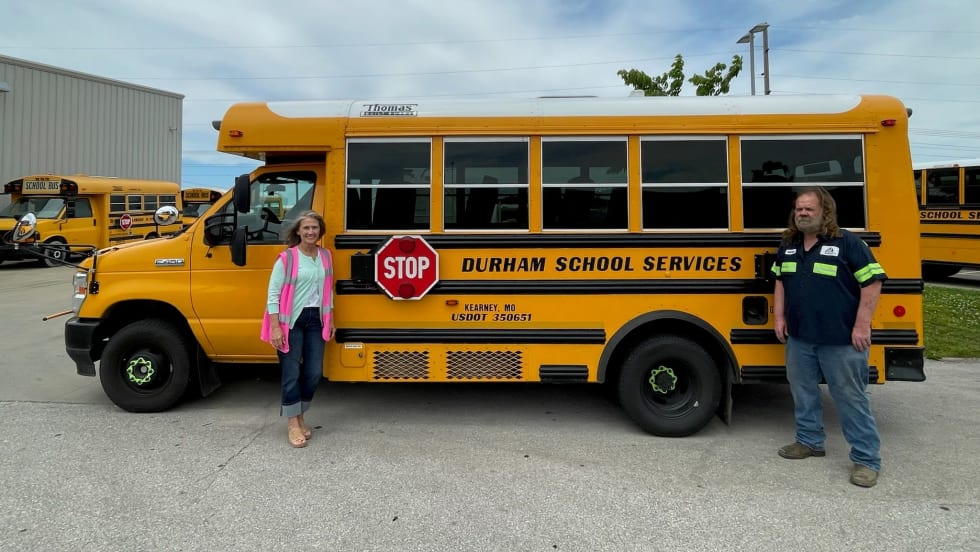
Durham School Services Maintenance Teams Earn Missouri Fleet Excellence Awards
Eight of the contractor’s school bus fleets achieved a distinction few maintenance teams earn during the state’s rigorous annual inspection program.
Read More →
How Incentives, AI, and Energy Markets Are Reshaping School Transportation
Sit down with Joe Annotti of TRC Companies to talk district grant funding, utility challenges, AI, and why school buses are evolving from transportation assets into energy assets.
Read More →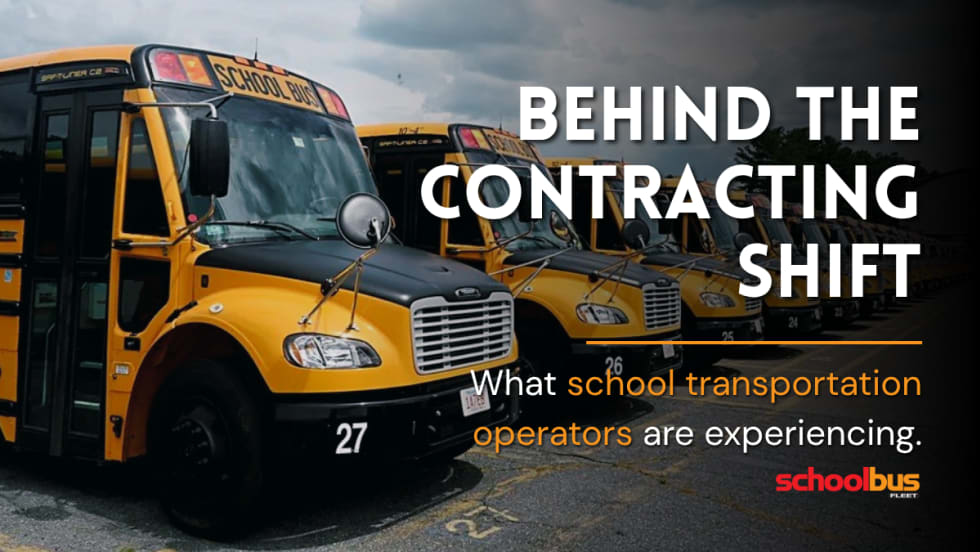
Inside the Contracting Shift: What School Transportation Operators Are Seeing Now
School transportation contractors weigh in on recent trends, costs, driver shortages, and the rise of multimodal student transportation.
Read More →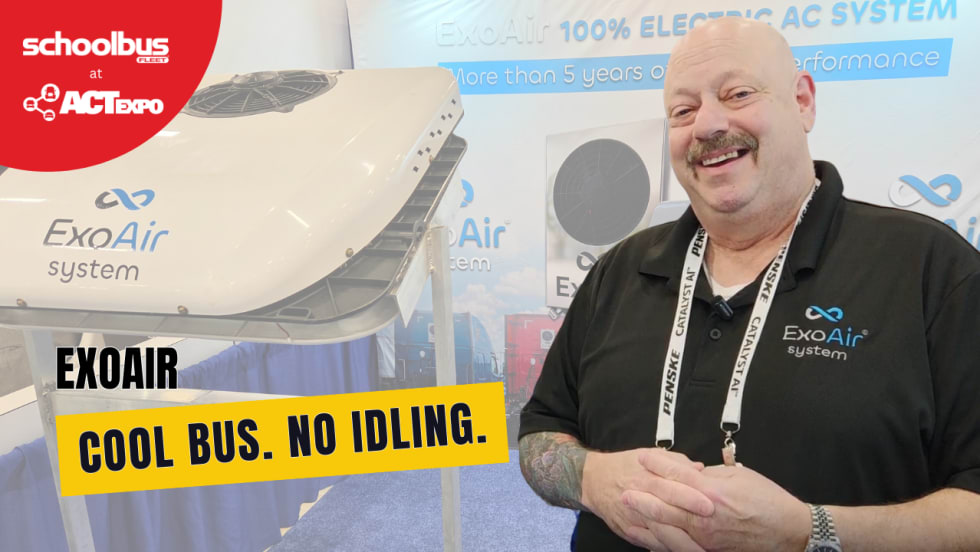
The No-Idling School Bus AC System
Take a peek at ExoAir Systems’ battery-powered cooling solution designed to run for up to 10 hours without the engine on, reducing fuel use and improving comfort for drivers and students.
Read More →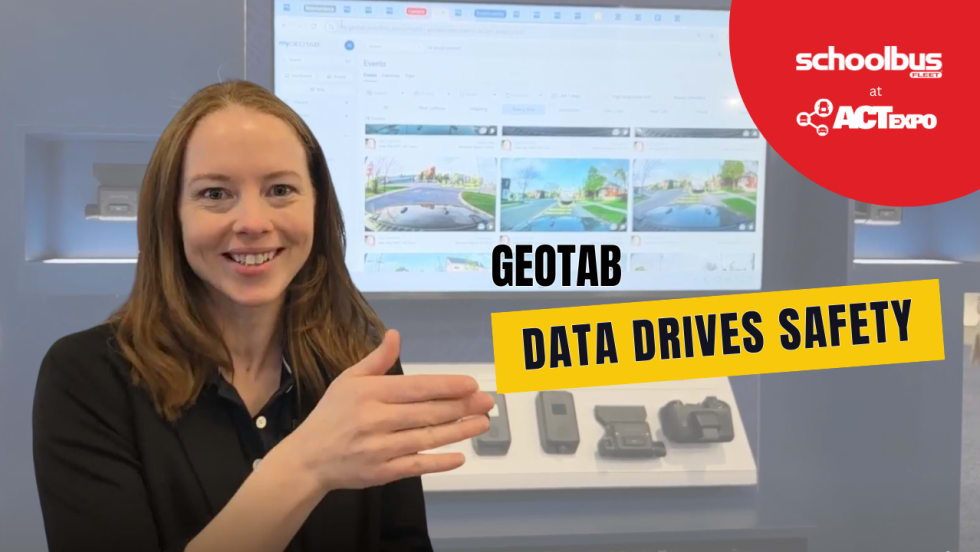
Geotab on Three Major Trends in School Transportation
School bus fleets are becoming more proactive than ever. From AI driver alerts to vehicle-to-grid opportunities, Geotab outlines the biggest technology trends transforming school bus operations.
Read More →
Gatekeeper Lands Major School Bus Deals as Revenue Surges
The video solutions provider announces contracts with Atlanta Public Schools and other fleet operators as it records quarterly revenue growth and expanding subscription business.
Read More →
Building Leaders Who Last: Creating a Successful Mentorship Program in Student Transportation
Discover five strategies for building an effective mentorship program to strengthen leadership development and support staff retention.
Read More →