


Operation Focuses on Efficient, Personal Service
The staff at Educational Service District 112’s Specialized Transportation Cooperative in Vancouver, Wash., monitors its growth to cost-effectively meet the needs of its member schools and school districts. Students are provided with customized transportation to maximize their safety.


ESD 112's transportation cooperative staff comprises a total of 62 employees. Pictured in the back row are Director Patrick Bonin, student intern Torre Jones and mechanic Allen Van Every. In the front are dispatcher Kathy Steinbarge, driver trainer Ingrid Goffic and accountant Ti'a Kanekoa.
The mid 1980s marked a period of change for school bus transportation in Washington state. Revisions to laws allowed educational service districts to offer certain transportation services to schools and school districts on the basis of membership assessments and a fee for capital expenditure development.
Moreover, a lot of school districts were not in compliance with federal regulations related to special-needs transportation, according to Gary Thomsen, transportation manager for Evergreen Public Schools in Vancouver, Wash.
"Parents and activist groups were starting to realize their rights and were demanding equal transportation for their special-needs youngsters," Thomsen says.
The formation in September 1984 of Educational Service District (ESD) 112's Specialized Transportation Cooperative in Vancouver fit the bill for the type of service parents were looking for.
Thomsen helped form the cooperative (he also worked for it for two years and currently serves on its advisory board). He set up its bylaws, identified school districts that were not in compliance with federal regulations and informed them of the services that the cooperative offered.
Today, it has 23 member districts and serves 161 schools. Its drivers transport an average of 300 special-needs students per month on 41 routes.
Controlling growth and spending
Within the last several years, the number of students that the operation transports, particularly homeless students, has grown substantially. Director Patrick Bonin says this has presented a challenge because the state does not fully fund the operation's transportation costs.
"If there are additional expenditures as we grow, we have to bill that expense to the district based on the number of students we serve. The districts don't like getting that bill, so we're really careful about our growth and living within our budget," he says.
To control its growth, the cooperative has critically defined what its role is. It only provides high-cost/low-incidence service to special-needs students. It also utilizes BusBoss routing software, which Bonin says has saved in fuel, labor and vehicle costs.
[PAGEBREAK]

Handling harsh weather
Operating buses in severe weather presents another challenge for the cooperative. It has an extensive area of service, with bus drivers traveling out to areas near the Pacific Ocean and up into the Cascades mountain range.
"During challenging weather conditions, like snow, it's up to the drivers to make determinations about equipment to put on the buses, like chains, since they're out-posted [at bus yards throughout southwest Washington], and to call us and tell us what's going on," Bonin says. "Our drivers receive chaining instruction, and we have meetings that provide support on how to deal with hazardous road conditions."
(Drivers receive training on such topics as emergency evacuations, working with medically fragile students and behavioral disorders during an annual in-service workshop.)
High safety standards
Like most pupil transportation operations, the cooperative's primary goal is to safely serve its students. To that end, service is often customized for each child. For example, the staff evaluates which driver and bus are best for each student, and it provides bus attendants to support students who need them.
The type of equipment on the operation's 50 small buses enhances student safety. In addition to some units being outfitted with wheelchair lifts, all of the buses are equipped with non-skid flooring, lit stairways, many mirrors for increased visibility and flexible tiedown systems.
"We've started purchasing buses that have integrated seat belts in the seats," Bonin says. "Some also have integrated child seats because we transport some children who require car seats."
Preventive maintenance is performed on the buses regularly to keep them in good operating condition. Oil and other vehicle fluids are changed approximately every 3,000 miles.
The rigorous maintenance program has paid off. "For the last four years, which is as long as I've been here, we've always had perfect state inspections, which I'm pretty excited about," Bonin says. "The schools look at that - they want to make sure that we're safe."
(Prior to joining ESD 112's transportation cooperative, Bonin worked for Laidlaw as general manager for Oregon and Washington state.)
[PAGEBREAK]

Cost-effective transportation
In addition to its safety record, Bonin says flexibility is the cooperative's biggest strength. "We can pretty much do whatever the schools want, and we give the school districts a real value for the dollar," he says. "It saves the districts money to contract with us because we're transporting students long distances. Some of our routes are 200 miles a day."
Turnover at the operation is low - several of the drivers have worked there for more than 20 years. Bonin attributes this to the type of service they are providing.
"Our drivers feel good about what they're doing and enjoy seeing the difference they make in those children's lives," he says.
Communication has been integral to facilitating this.
"We require the drivers to talk to each student's parents or caregiver on the phone or in person so that before they ever transport those students, they understand their needs," Bonin says.
Fleet Facts
School buses: 50 (all small)
Average students transported monthly: 300
Districts served: 23
Schools served: 161
Transportation staff: 62
Area of service: 6 counties in Washington state; Portland, Ore.
More Management
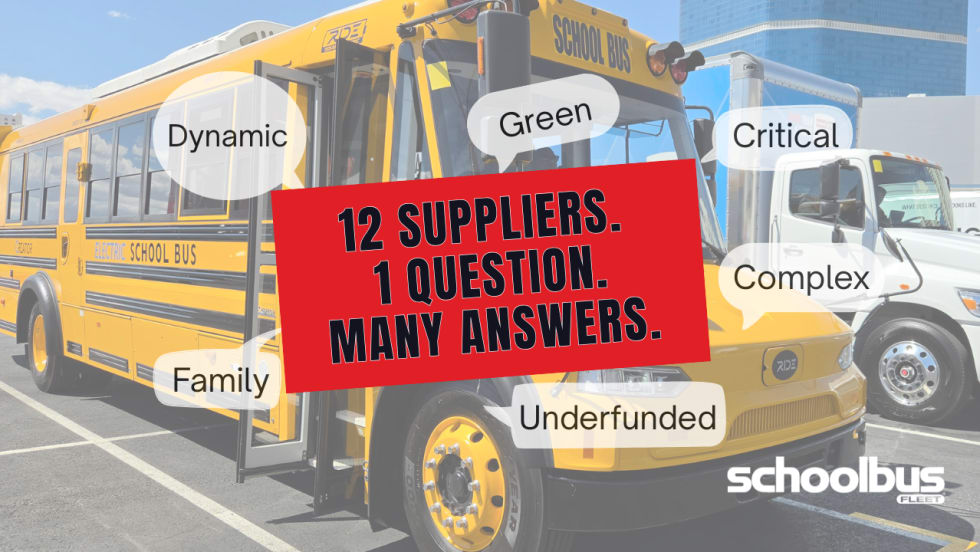
13 Industry Leaders Describe School Transportation in One Word
What word best describes the school bus industry today? We posed that question to over a dozen manufacturers, resulting in a revealing mix of perspectives on the challenges and opportunities ahead.
Read More →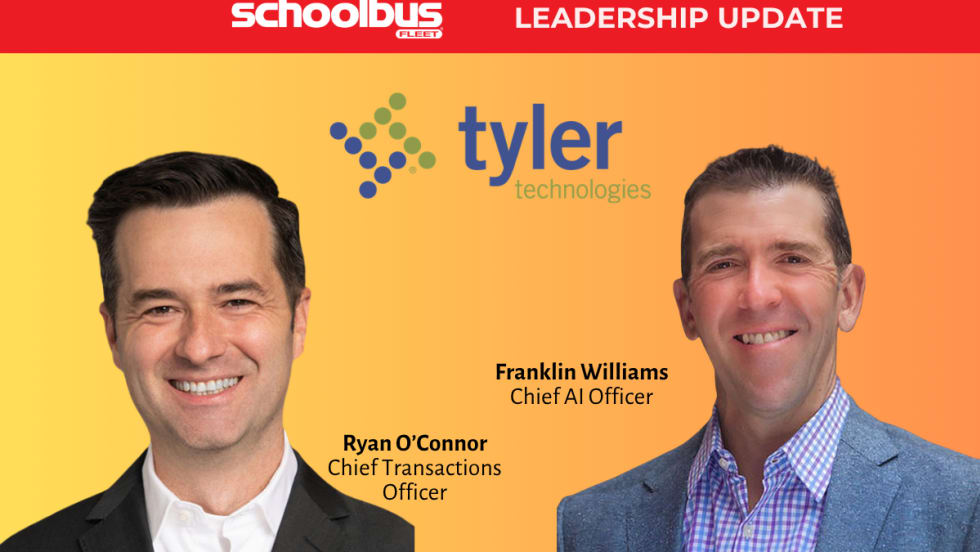
Tyler Technologies Adds New AI, Transactions Leadership Roles
Two company executives are promoted to newly created C-suite positions to accelerate the company's long-term growth in both artificial intelligence and payments.
Read More →
Pro-Vision Acquires Convoy Technologies
The deal aims to broaden customer relationships and adds specialized vehicle video capabilities for commercial fleets.
Read More →


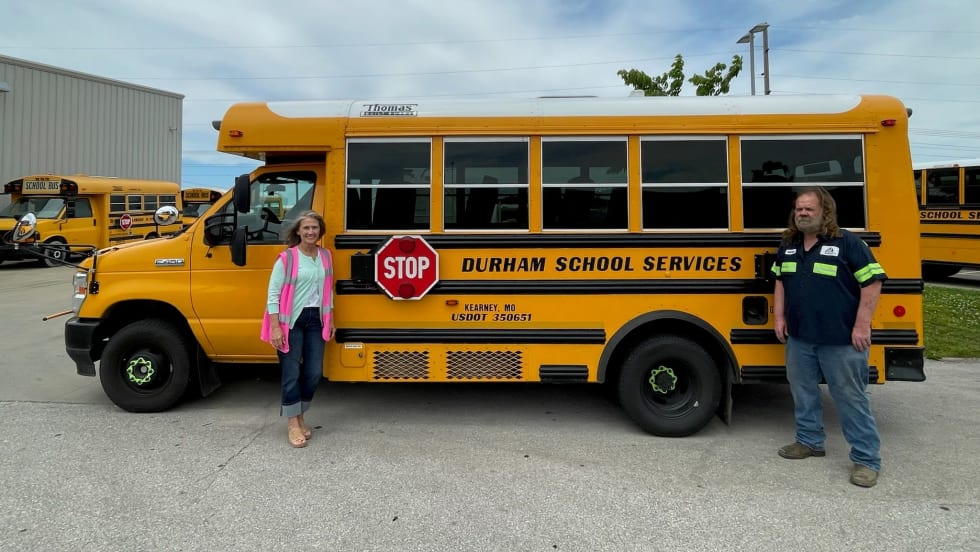
Durham School Services Maintenance Teams Earn Missouri Fleet Excellence Awards
Eight of the contractor’s school bus fleets achieved a distinction few maintenance teams earn during the state’s rigorous annual inspection program.
Read More →
How Incentives, AI, and Energy Markets Are Reshaping School Transportation
Sit down with Joe Annotti of TRC Companies to talk district grant funding, utility challenges, AI, and why school buses are evolving from transportation assets into energy assets.
Read More →
Inside the Contracting Shift: What School Transportation Operators Are Seeing Now
School transportation contractors weigh in on recent trends, costs, driver shortages, and the rise of multimodal student transportation.
Read More →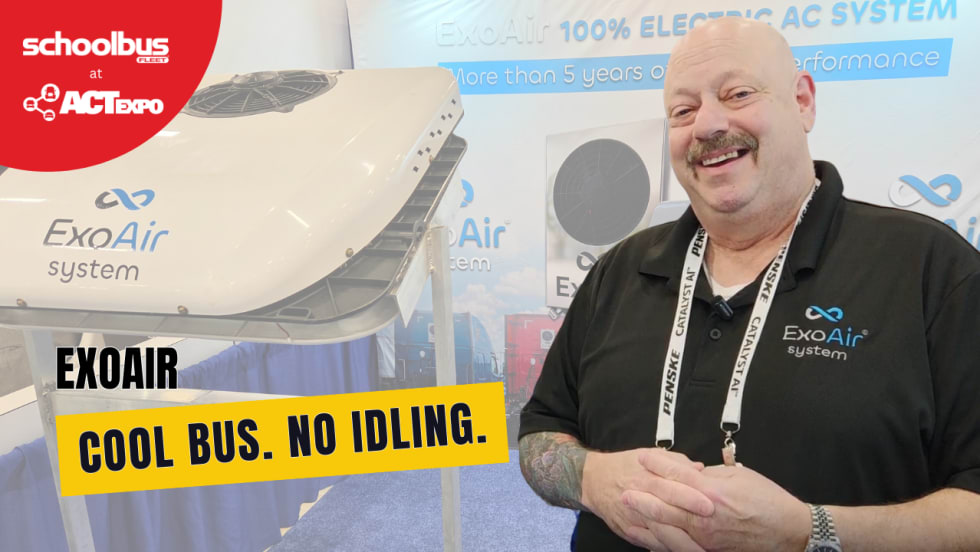
The No-Idling School Bus AC System
Take a peek at ExoAir Systems’ battery-powered cooling solution designed to run for up to 10 hours without the engine on, reducing fuel use and improving comfort for drivers and students.
Read More →
Geotab on Three Major Trends in School Transportation
School bus fleets are becoming more proactive than ever. From AI driver alerts to vehicle-to-grid opportunities, Geotab outlines the biggest technology trends transforming school bus operations.
Read More →
Gatekeeper Lands Major School Bus Deals as Revenue Surges
The video solutions provider announces contracts with Atlanta Public Schools and other fleet operators as it records quarterly revenue growth and expanding subscription business.
Read More →
Building Leaders Who Last: Creating a Successful Mentorship Program in Student Transportation
Discover five strategies for building an effective mentorship program to strengthen leadership development and support staff retention.
Read More →