



Hiring the best players
Structured interviews will reduce the incidence of unsafe behaviors and make the kids safer. In today's economy, you can be more selective about whom you hire.
What is of most importance is that you hire drivers who want to perform the job — the “Will Do” side of the applicant.
We can learn a lot from sports analogies. It is very clear that the best teams have four things in common: great leadership, the best players, the best training and great teamwork.
A safe, efficient school bus operation depends on these factors just as much as a successful sports team does.
In this article, I’ll focus on getting the best players: the people who have the right mindset to be safe, efficient school bus operators and who will stay with you for many years to come — people who will be reliable ambassadors for your district.
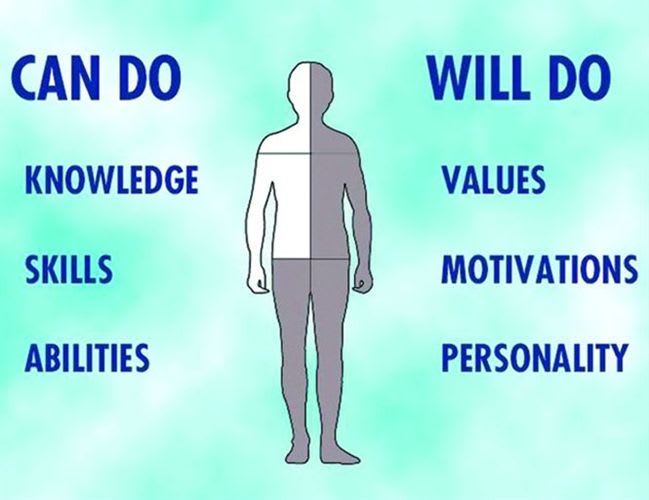
Every person is unique. We each have thousands of facets that define who we are. To try to simplify this, think of us as having six factors (see illustration at left):
The "Can Do" side focuses on whether the person has the knowledge, skills and abilities to perform the job. This is where most recruiters focus their attention. This is a shame, because once you hire a driver, you can change these factors. You can improve their knowledge and skills by education and training.
Abilities refers to physical abilities, such as eyesight, strength of arms and legs, height and weight, etc. You can’t do much about someone’s abilities. What you hire is what you get. What is of most importance is that you hire drivers who want to perform the job — the “Will Do” side of the applicant.
We all have our own values, motivations and personality that define our attitude and what we want to do. Not everyone is cut out to be a doctor, a policeman or a school bus driver.
We have all experienced people who have the knowledge, the skills and the abilities, but they’re still bad at their job. Those who have the wrong values, motivations or personality will never make good, safe school bus drivers. They will be poor performers, and eventually they will leave you. Worse, they will take risks and put the kids in jeopardy.
So when hiring drivers, you should have a process to identify and screen those inherent traits that cannot be changed. Behavioral science teaches us that past behavior is the best predictor of future behavior. A structured interview consisting of behaviorally anchored interview questions will help predict the future behavior of a school bus driver applicant.
Interviewers should be trained how to properly conduct the structured interviews, and the interviews should consist of job-specific questions, consistently asked in a specific order and scored using objective rating scales.
Structured interviews are good predictors of job performance because the interview questions are directly related to job requirements. Used properly, structured interviews will reduce the incidence of unsafe behaviors and make the kids safer. In today’s economy, you can be more selective about whom you hire. Be sure you’re asking the right questions and evaluating correctly.
Look for applicants who are low risk takers. You should avoid applicants who ride motorcycles without helmets, believe speeding is acceptable or have a high-risk sport as a hobby.
[IMAGE]490[/IMAGE]When you hire based on the right values, motivation and personality traits, you get better school bus drivers. They’re safer and more reliable, and they turn into long-term employees. Through education and training, you can improve their knowledge and skills. Everything gets better when you have the right players on the team.
Author Jeff Cassell is vice president at the School Bus Safety Co. For more information, e-mail him at jcassell@schoolbussafetyco.com or visit www.schoolbussafetyco.com.
More Management
13 Industry Leaders Describe School Transportation in One Word
What word best describes the school bus industry today? We posed that question to over a dozen manufacturers, resulting in a revealing mix of perspectives on the challenges and opportunities ahead.
Read More →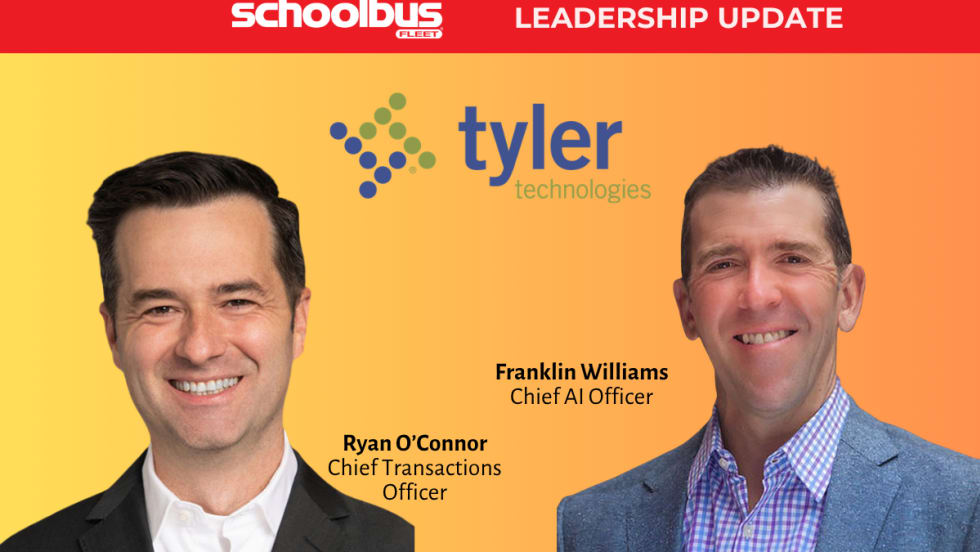
Tyler Technologies Adds New AI, Transactions Leadership Roles
Two company executives are promoted to newly created C-suite positions to accelerate the company's long-term growth in both artificial intelligence and payments.
Read More →
Pro-Vision Acquires Convoy Technologies
The deal aims to broaden customer relationships and adds specialized vehicle video capabilities for commercial fleets.
Read More →


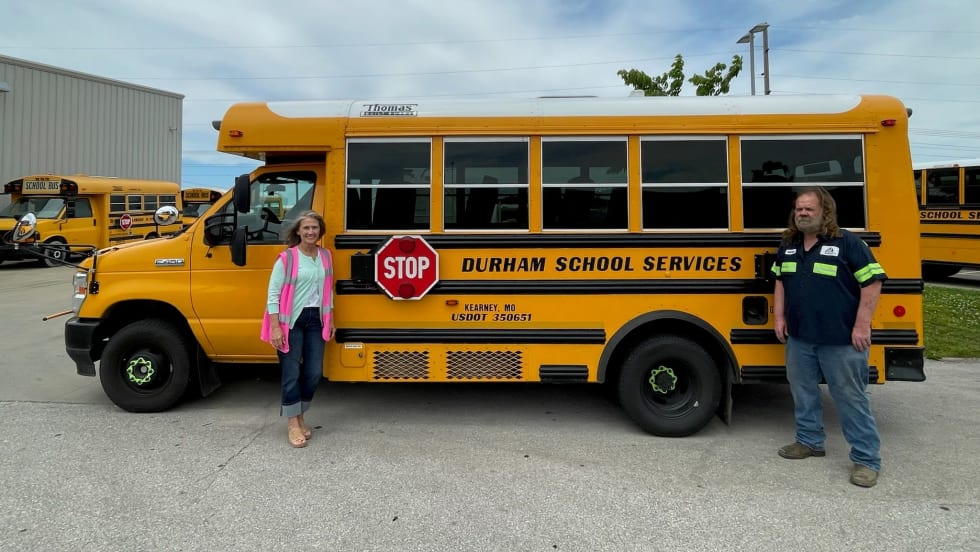
Durham School Services Maintenance Teams Earn Missouri Fleet Excellence Awards
Eight of the contractor’s school bus fleets achieved a distinction few maintenance teams earn during the state’s rigorous annual inspection program.
Read More →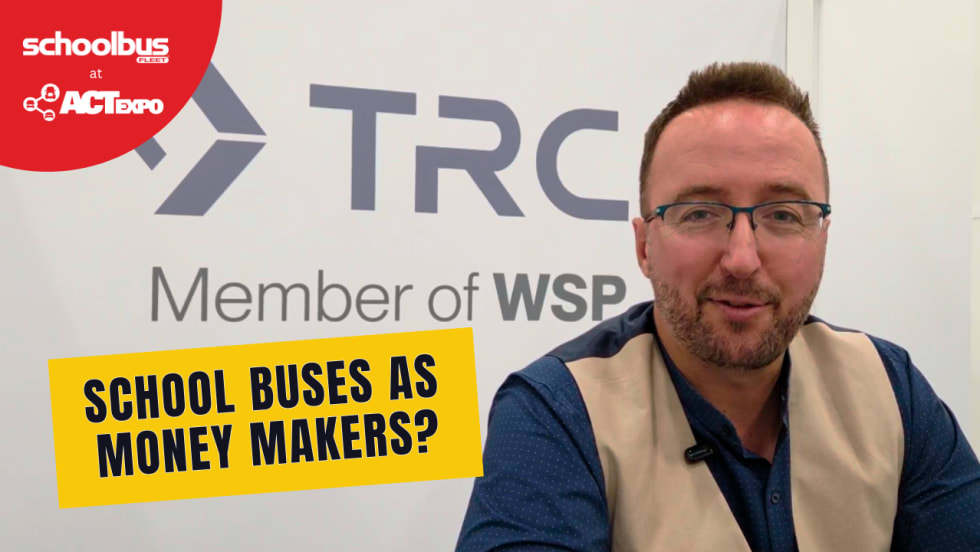
How Incentives, AI, and Energy Markets Are Reshaping School Transportation
Sit down with Joe Annotti of TRC Companies to talk district grant funding, utility challenges, AI, and why school buses are evolving from transportation assets into energy assets.
Read More →
Inside the Contracting Shift: What School Transportation Operators Are Seeing Now
School transportation contractors weigh in on recent trends, costs, driver shortages, and the rise of multimodal student transportation.
Read More →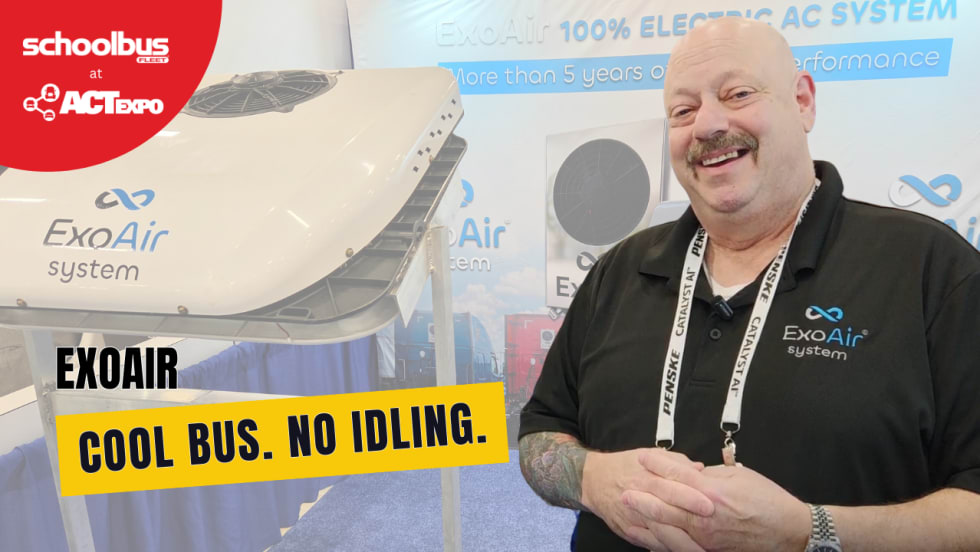
The No-Idling School Bus AC System
Take a peek at ExoAir Systems’ battery-powered cooling solution designed to run for up to 10 hours without the engine on, reducing fuel use and improving comfort for drivers and students.
Read More →
Geotab on Three Major Trends in School Transportation
School bus fleets are becoming more proactive than ever. From AI driver alerts to vehicle-to-grid opportunities, Geotab outlines the biggest technology trends transforming school bus operations.
Read More →
Gatekeeper Lands Major School Bus Deals as Revenue Surges
The video solutions provider announces contracts with Atlanta Public Schools and other fleet operators as it records quarterly revenue growth and expanding subscription business.
Read More →
Building Leaders Who Last: Creating a Successful Mentorship Program in Student Transportation
Discover five strategies for building an effective mentorship program to strengthen leadership development and support staff retention.
Read More →