



Exploring the Benefits of Financing
Although school bus leasing and lease-purchasing have increased in popularity, many districts are still not informed about the process. Flexible financing structures are available to help districts and contractors fill their vehicle needs when budgets are tight.

School districts and contractors are facing budget cuts during the recession. In turn, many managers have to make do with less, and some have been forced to delay the replacing of their older buses.
However, affordable lease and lease-purchase options are available, so school districts and contractors should know what's out there in order to make the best decision for their fleets.
Financing in a tough economy
Financing is a potential solution for those without proper funding available for today's bus procurement needs - an alternative already being used by many.
"Even in one of the most challenging economic climates our industry has seen, our lease finance penetration has increased year over year," says Ken Kaminsky, president of Blue Bird Financial Services, a member of Traxis Financial Group.
Keith Courtney, sales manager of Daimler Financial, which provides financial services for Thomas Built Buses customers, says it was two to three years ago when financing really picked up.
"When fuel got so high, and now tax receipts are down, school districts, or even contractors, have nowhere else to turn," he says.
According to John Doswell, vice president of sales and marketing at Collins Bus Corp., dealers have had to get more resourceful with financing options. Collins does not directly finance its buses, but it refers its distributors to finance companies or bank options. "It's harder to get financing today than it was a year ago," he says. "That's why we try to help our dealers where we can. The dealers are having to get more creative with their financing."
On the referral side, Doswell has also seen a rise in interested agencies. "We've had more discussions and more referrals with some of the financial companies of late than we had a year ago," he says.
Despite budget cuts, keeping a rotating fleet to ensure a steady fleet age is important. Financing allows organizations to better manage their budgets, letting contractors or school districts get what they need instead of what their immediate finances allow.
"You're able to budget your dollars more evenly and pay for the bus over its useful life," says Craig Medvec, municipal leasing manager for Navistar Financial Corp., which supports the sale of IC Bus vehicles. "This allows the school district to be more precise on their annual budgeting process so that they can more efficiently address all of their other capital needs."
In addition, by maintaining a younger fleet, school bus operations can reduce maintenance and repair costs while improving fuel efficiency, Kaminsky says.
Benefits for contractors, districts
For contractors, financing has always been an option. "Contractors have always financed because that's business as normal for them," Courtney says.
There are several finance methods that can be utilized to meet customers' needs. A lease allows customers to make preset rental payments over a predetermined period of time. At the end of that period, the customer returns the bus to the dealer or the financial institution, a structure known as a "walk away," Kaminsky says.
With the lease-purchase option, also known as installment purchase, the customer can enter into a pre-negotiated rate, term and payment amount. At the end of the term, the customer owns the bus. Through this option, contractors can take advantage of the depreciation benefit of the buses to lower their taxable income.
Courtney recommends using bus financing when it is available. "Many times, contractors will use their existing bank line of credit for their buses," he says. "It's not as effective - free up your working capital lines for all your other needs."
Many school districts or government entities, not accustomed to financing, are not as comfortable with it. Due to government laws that prohibit government agencies from incurring debt, districts don't technically lease buses.
"Leasing is somewhat of a misnomer," Courtney says. "For school districts, technically, they own the equipment, even though it's called a lease." Districts must appropriate funds each year to pay for that year's portion of the expenses.
According to Medvec, many states have adopted specific statutes that affect the municipal leasing procedures in that state. "While there are quite a few states that require special provisions or warranties that must be addressed in the lease purchase document, municipal leasing is available in almost all of the states," Medvec says. "I think it's so widespread because most states realize it's a valuable finance tool."
Government entities have the advantage of lower interest rates. "Interest income from a school district-issued bond or lease payment is exempt from federal income tax," Courtney explains. He estimates school district rates to be 35 percent less than contractor rates, which would depend more on individual company credit.
With all the advantages of financing, what's holding districts back? Financing professionals seem to agree: Many districts are not informed about the options available. "On the school district side, for many of them, it's the first time," Courtney says. "We still have to reassure them that they can do this."
Medvec reassures municipalities unfamiliar with municipal leasing by informing them of what "municipal leasing" really is: lease-purchase financing. He also talks about ownership of the bus at the end of the lease term and highlights the advantages of financing, such as competitive interest rates and using it as another viable alternative to other traditional funding sources for bus acquisition.
Flexible financing structures
The norm for leasing or lease-purchasing is five years, although it can range from three to 10 years. The most common payment type is yearly for municipal financing, but payment options are flexible.
Medvec says financing structures can be customized to the agency's needs, and some options include no down payment, delayed first payment, skip payments (no payments during the summer), escrow funding and balloon payments.
According to Doswell, possible financing scenarios may include distributors buying down the lease rate with the lender, or dealers may run specials, such as grace periods in which the customer has several months before payments start.
Kaminsky notes that there are several other ways for customers to maximize cash flow. Clients who choose to add on equipment such as security cameras or other forms of technology to a bus already financed can refinance the cost of the improvement into the existing lease payment. Another option is for customers to take advantage of the equity in their new bus fleets. "A customer can take out an equity loan on the buses recently purchased for cash," Kaminsky adds.
Whether it's time to buy buses or not, today's challenging market presents an opportunity to learn about the financing options available.
"It is extremely important to inform and educate the market about the tools available to them through financing," Kaminsky says. "We are a resource to help customers get through these tough times. We can help customers find the cash they need to buy the buses necessary to meet their ridership requirements."
More Management

Budgets Down, Enrollment Shifting: What the Data Says Districts Should Watch
School transportation departments face two converging challenges this year: tightening budgets and shifting enrollment. Most districts still address these issues separately, but the assumption that either trend will simplify operations is proving incorrect.
Read More →
These 8 School Transportation Companies Made the 2026 Inc. 5000 List
Find out which school transportation contractors, technology providers, and suppliers ranked among America’s fastest-growing private companies.
Read More →
The Link Between Emotional Intelligence and School Bus Safety
How can emotional intelligence help transportation pros navigate stress, manage change, and build stronger relationships? Listen to find out.
Read More →
What Emotional Intelligence Has to Do With School Bus Safety
In this video, discover how emotional intelligence can help transportation leaders and drivers navigate stress, manage change, and build stronger relationships. The Route is sponsored by IC Bus.
Read More →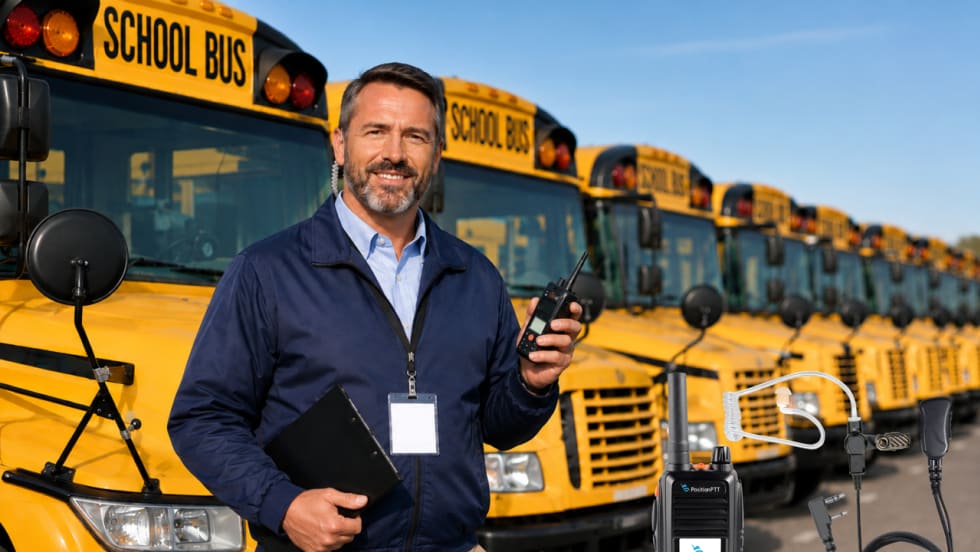
Beyond Two-Way Radios: School Bus Communications Evolve With Push-to-Talk Over Cellular
PRYME Radio and PositionPTT join forces to advance hands-free radio use and reduce distracted driving. See how PoC compares with traditional radios on range, cost, safety, and connectivity.
Read More →
Have School Districts Adapted to Bus Driver Shortages or Simply Accepted Less Service?
According to a recent report from HopSkipDrive, many districts appear to have recalibrated what "normal" transportation service looks like.
Read More →
Reliable Transportation Linked to Better Student Outcomes, New EverDriven Study Finds
See why new research suggests transportation consistency improves student outcomes while influencing attendance, funding, IEP compliance, and family trust.
Read More →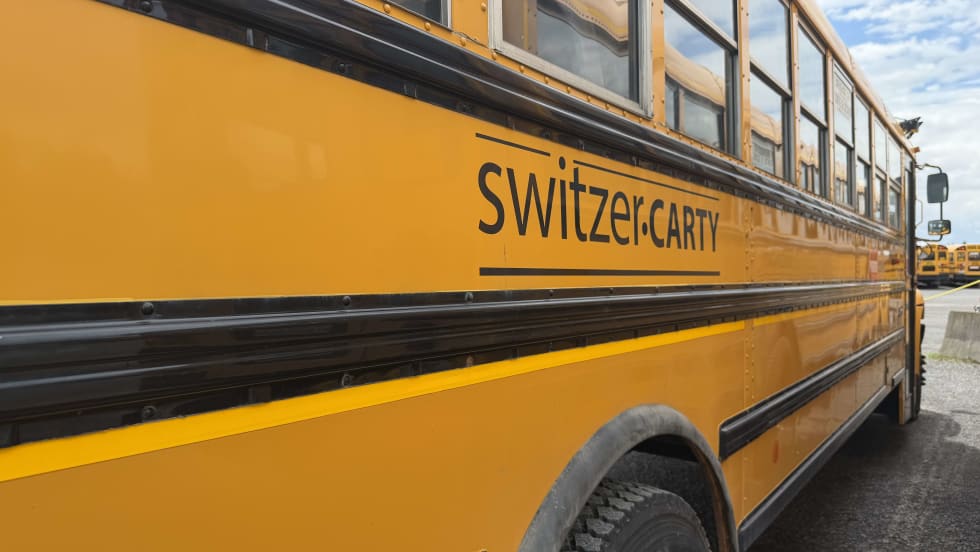
Switzer-CARTY Enters the U.S. with New Acquisition
The Canadian contractor’s acquisition of Minnesota-based Agnes Corporation marks its first cross-border expansion into the United States and adds 350 vehicles.
Read More →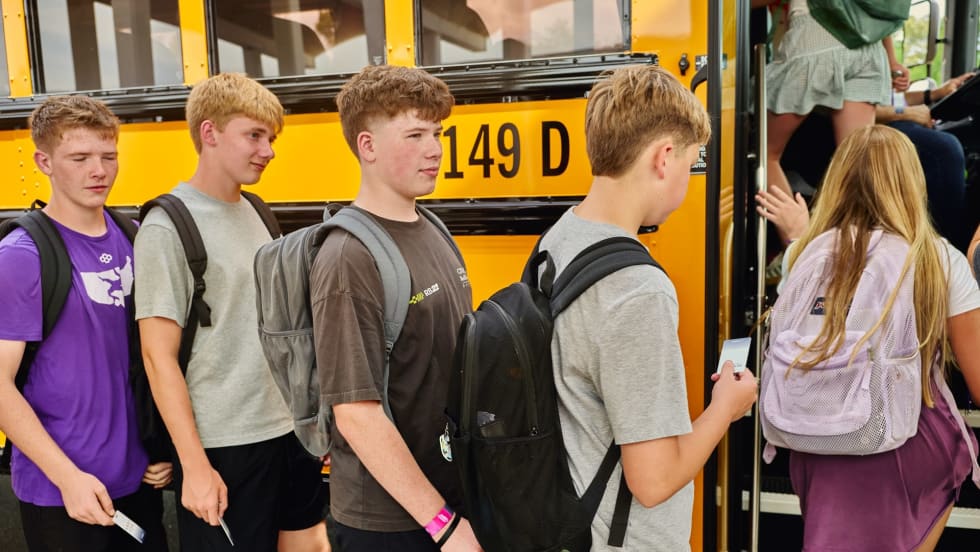
BusRight Adds New Rider Tracking Technology
Safety Pass is an NFC-based student ridership tracking solution that provides real-time boarding and drop-off data to improve school bus safety and family communication.
Read More →
EverDriven Launches RideAware App With Real-Time Student Ride Visibility
The updated platform’s new features improve communication among caregivers, districts, and drivers while streamlining trip updates.
Read More →