



A history of innovation
Ever since motorized vehicles began taking over for horse-drawn carts in transporting pupils, many school bus manufacturers have come and gone. B...
Ever since motorized vehicles began taking over for horse-drawn carts in transporting pupils, many school bus manufacturers have come and gone.
Building school buses is a noble — and demanding — venture, and it’s always disappointing to see another industry flag fall. On the other hand, the departures make the longtime bus builders seem all the more remarkable.
For example, Blue Bird is now celebrating 80 years in the business. Back in 1927, a Georgia gentleman by the name of Albert Luce built his first bus in response to a friend’s request. A few years later, he began building buses full time. But could he have imagined that eight decades later, many thousands of his company’s yellow buses would be shuttling students to schools throughout the U.S., Canada and beyond?
In case you’ve been wondering why a company that primarily makes yellow buses would call itself Blue Bird, here’s how the story goes: A few factors influenced the name choice. One was the shouts of, “Here comes the pretty blue bird!” from children upon seeing a blue demonstrator bus. Another was Mrs. Luce’s sister’s fondness of a streamline train called the Blue Bird. Finally, a Luce family friend happened to mention the play The Blue Bird of Happiness. The signs were clear.
A dedicated pursuit
Blue Bird was among the first to manufacture all-steel bus bodies, which was a revolutionary change from the then-standard wooden construction.
About 20 years after its inception, the company helped develop one of the first transit-style school buses in the U.S.
More recently, Blue Bird introduced its Vision conventional school bus, which significantly enhances the driver’s field of view. On the alternative fuels front, the company introduced a dedicated propane-powered model.
There have been countless innovations in our industry over the past 80 years from bus manufacturers, component suppliers, transportation directors, federal regulators and others with a stake in the safety of our schoolchildren.
In 1939, the pupil transportation community launched the National Conference (now Congress) on School Transportation to develop school bus construction standards and operational best practices. The congress continues to convene every five years.
In 1977, new federal standards on school bus production went into effect, requiring improvements in emergency exits, roof strength, seating and other key areas.
Along the way, the introductions of items like stop arms, crossing arms, advanced mirror systems, routing software and GPS have continued to bolster safety. In some cases, they’ve also helped school bus operations cut costs and increase efficiency.
Looking back, moving forward
Of course, the past 80 years in pupil transportation can’t be covered in one page. If you feel like reading more history, turn to SBF’s 50th anniversary issue (September 2006).
Our industry is not one to dwell on past accomplishments. Complacency is the enemy.
But taking a look back on certain occasions, like an anniversary, can remind of us where we’re headed and inspire us to keep up the good work. Who knows what innovations we’ll see in the years to come?
More Management
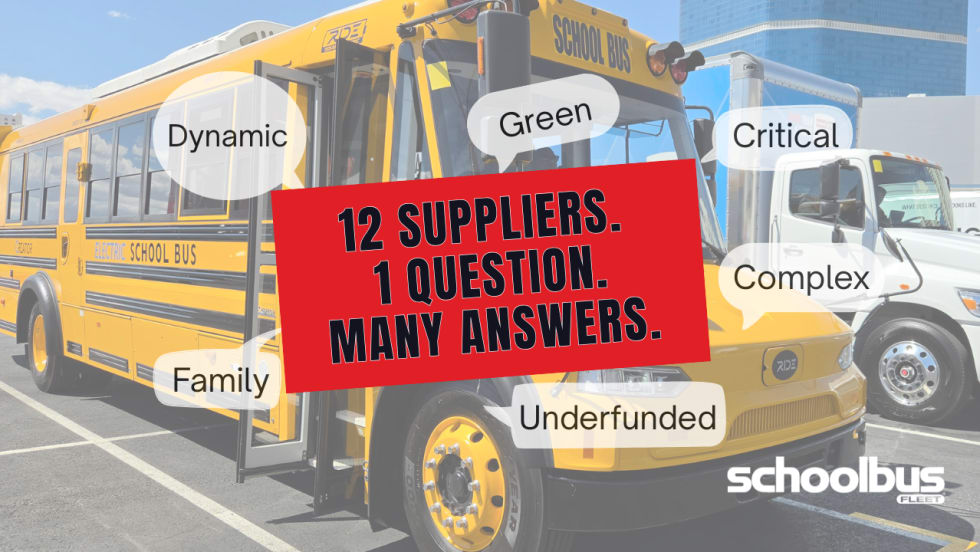
13 Industry Leaders Describe School Transportation in One Word
What word best describes the school bus industry today? We posed that question to over a dozen manufacturers, resulting in a revealing mix of perspectives on the challenges and opportunities ahead.
Read More →
Tyler Technologies Adds New AI, Transactions Leadership Roles
Two company executives are promoted to newly created C-suite positions to accelerate the company's long-term growth in both artificial intelligence and payments.
Read More →
Pro-Vision Acquires Convoy Technologies
The deal aims to broaden customer relationships and adds specialized vehicle video capabilities for commercial fleets.
Read More →


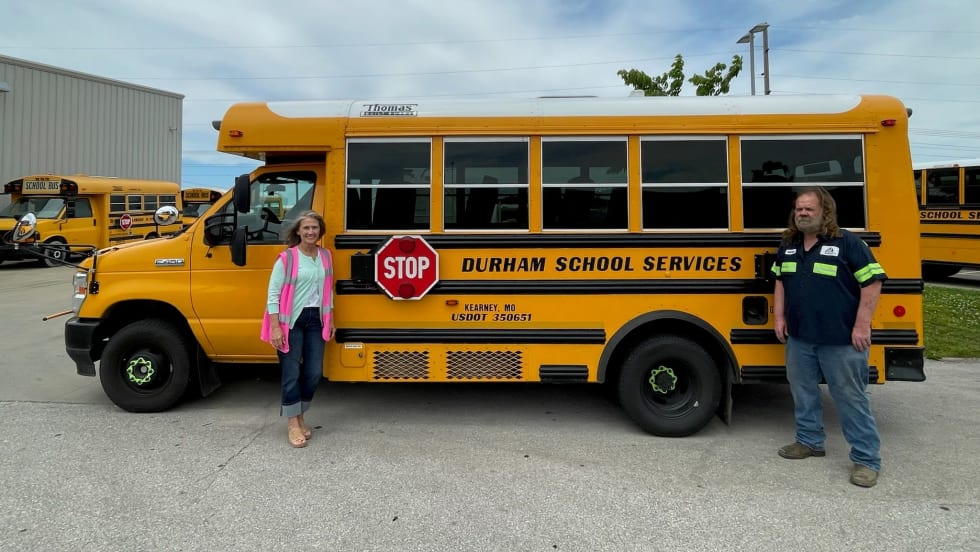
Durham School Services Maintenance Teams Earn Missouri Fleet Excellence Awards
Eight of the contractor’s school bus fleets achieved a distinction few maintenance teams earn during the state’s rigorous annual inspection program.
Read More →
How Incentives, AI, and Energy Markets Are Reshaping School Transportation
Sit down with Joe Annotti of TRC Companies to talk district grant funding, utility challenges, AI, and why school buses are evolving from transportation assets into energy assets.
Read More →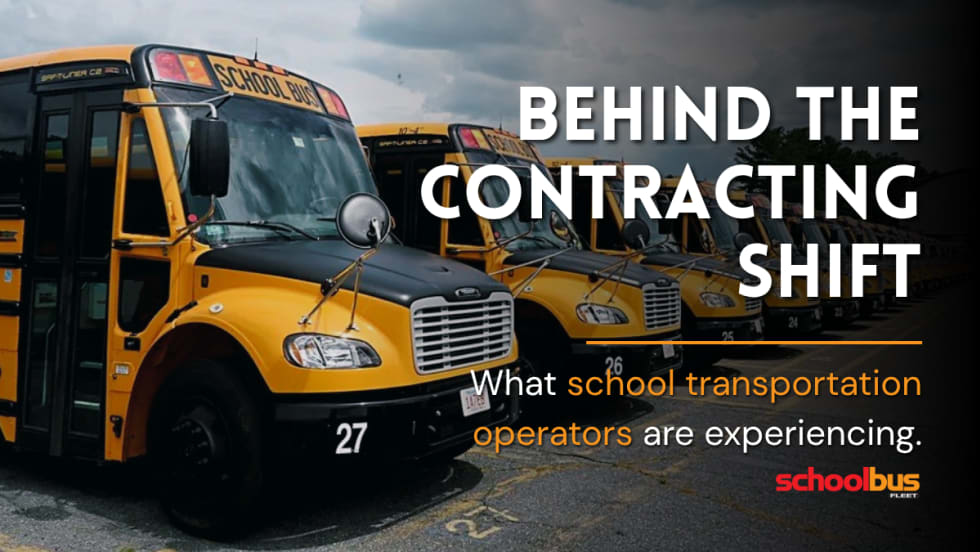
Inside the Contracting Shift: What School Transportation Operators Are Seeing Now
School transportation contractors weigh in on recent trends, costs, driver shortages, and the rise of multimodal student transportation.
Read More →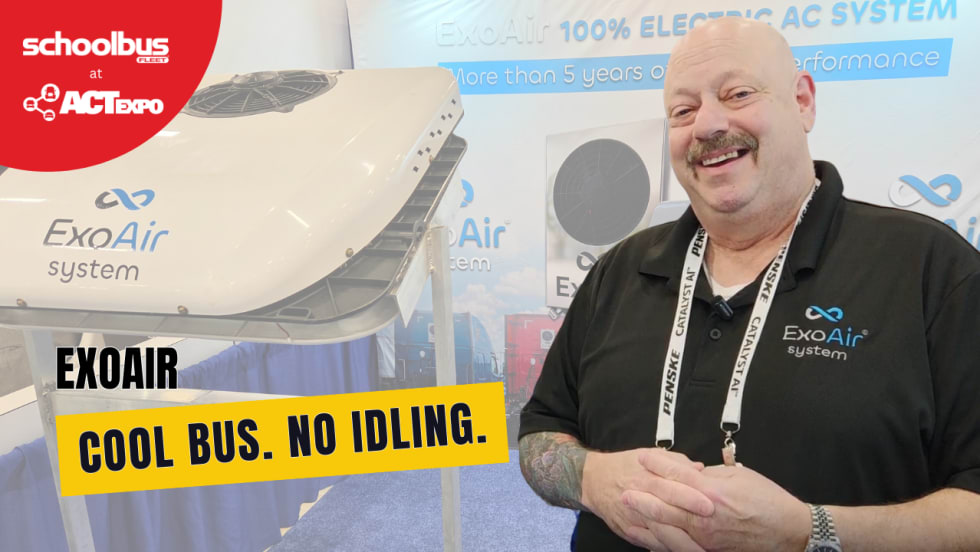
The No-Idling School Bus AC System
Take a peek at ExoAir Systems’ battery-powered cooling solution designed to run for up to 10 hours without the engine on, reducing fuel use and improving comfort for drivers and students.
Read More →
Geotab on Three Major Trends in School Transportation
School bus fleets are becoming more proactive than ever. From AI driver alerts to vehicle-to-grid opportunities, Geotab outlines the biggest technology trends transforming school bus operations.
Read More →
Gatekeeper Lands Major School Bus Deals as Revenue Surges
The video solutions provider announces contracts with Atlanta Public Schools and other fleet operators as it records quarterly revenue growth and expanding subscription business.
Read More →
Building Leaders Who Last: Creating a Successful Mentorship Program in Student Transportation
Discover five strategies for building an effective mentorship program to strengthen leadership development and support staff retention.
Read More →