



Girardin unveils G5 at NAPT trade show
AUSTIN, Texas — Girardin Minibus is making a strong push to grow its presence in the dual rear-wheel Type A market.

AUSTIN, Texas — Girardin Minibus is making a strong push to grow its presence in the dual rear-wheel Type A market.
Chief among its strategies is the introduction of the G5, which was unveiled at the National Association for Pupil Transportation’s trade show in Austin on Nov. 1.
Minutes before the opening of the trade show, Girardin President Steve Girardin made a presentation to the bus manufacturer’s dealers and other industry representatives, expounding on the G5’s advanced design and engineering.
Girardin said the G5, which is slated to begin production in January 2006, maintains the company’s trademark design flair with a clean, stylish appearance but also embraces a number of engineering enhancements, including the following:
Rubber mounting pucks
Modular subframe
Modular floor assembly
Reinforced side barriers
New shape that maximizes floor space
Greater interior headroom, floor width
Full-length structural beams
Straight-mounted front, rear structure
Ceiling-mounted speakers that are away from the driver’s compartment
Lowered body skirts
Extended rear bumper
Revised entrance door
One-piece roof panel
Sealed windows, not gasketed
Recessed lights to prevent breakage
Girardin said the G5 was designed with the input of a multidisciplinary team that identified the needs and wants of distributors and operators. Key priorities of end users were capacity, visibility, headroom, ergonomics, standardization, accessibility, functionality and market acceptance.
The G5, which stands for “fifth generation,” can accommodate up to 30 passengers but offers floor plans for a variety of applications. It features a redesigned wheelchair lift door that is both wider and taller than its predecessor.
It also has a one-piece roof panel to reduce water incursion. In addition, the 32-inch, positively locking electric service door is sealed at the bottom to prevent infiltration of water and other elements.
Mounting the body using rubber pucks improves passenger comfort by absorbing road energy and eliminates the need for periodic tightening of body bolts. “This should save a significant amount of maintenance time,” Girardin said.
The body, which can be built on a Ford or GM chassis, has an overall width of 96 inches and a 76-inch interior height at the center line. Girardin said the increased interior height and floor width improve mobility and convenience for end users.
Visibility of the loading zone is enhanced by a fully glassed entrance door and an improved “more-view” window. “This is a significant increase in viewing area,” Girardin said.
Safety at the rear and sides of the bus is also improved with reinforced side-impact barriers and an 8-inch safety zone that’s been incorporated into the rear wall.
More Management

13 Industry Leaders Describe School Transportation in One Word
What word best describes the school bus industry today? We posed that question to over a dozen manufacturers, resulting in a revealing mix of perspectives on the challenges and opportunities ahead.
Read More →
Tyler Technologies Adds New AI, Transactions Leadership Roles
Two company executives are promoted to newly created C-suite positions to accelerate the company's long-term growth in both artificial intelligence and payments.
Read More →
Pro-Vision Acquires Convoy Technologies
The deal aims to broaden customer relationships and adds specialized vehicle video capabilities for commercial fleets.
Read More →



Durham School Services Maintenance Teams Earn Missouri Fleet Excellence Awards
Eight of the contractor’s school bus fleets achieved a distinction few maintenance teams earn during the state’s rigorous annual inspection program.
Read More →
How Incentives, AI, and Energy Markets Are Reshaping School Transportation
Sit down with Joe Annotti of TRC Companies to talk district grant funding, utility challenges, AI, and why school buses are evolving from transportation assets into energy assets.
Read More →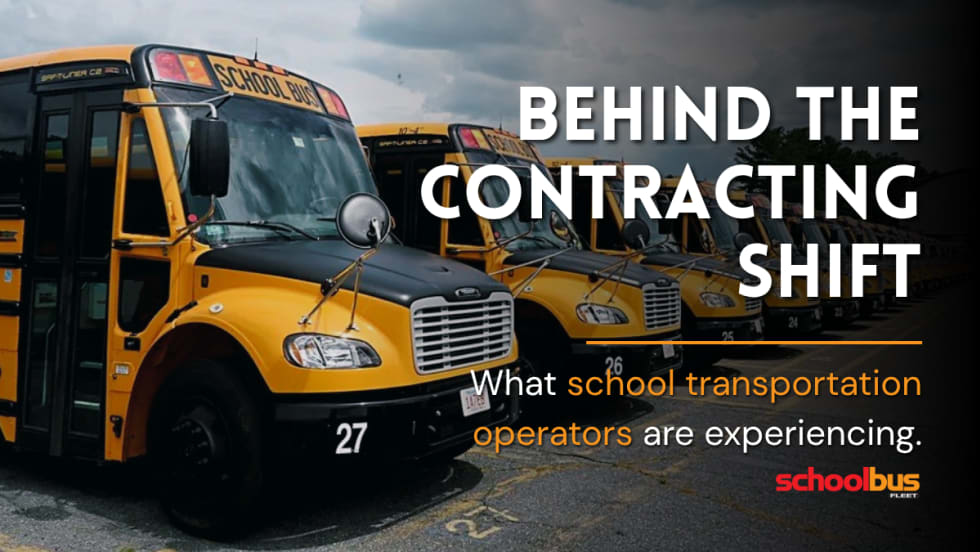
Inside the Contracting Shift: What School Transportation Operators Are Seeing Now
School transportation contractors weigh in on recent trends, costs, driver shortages, and the rise of multimodal student transportation.
Read More →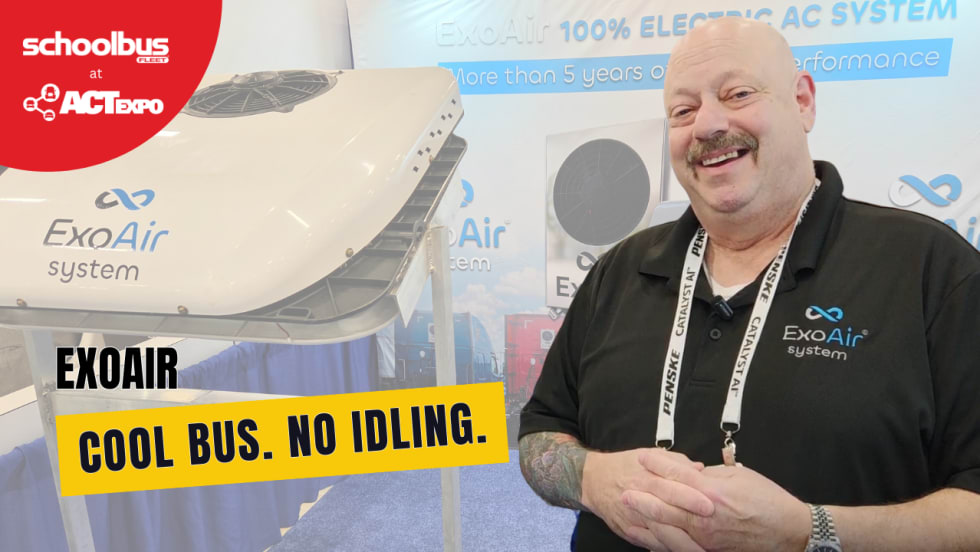
The No-Idling School Bus AC System
Take a peek at ExoAir Systems’ battery-powered cooling solution designed to run for up to 10 hours without the engine on, reducing fuel use and improving comfort for drivers and students.
Read More →
Geotab on Three Major Trends in School Transportation
School bus fleets are becoming more proactive than ever. From AI driver alerts to vehicle-to-grid opportunities, Geotab outlines the biggest technology trends transforming school bus operations.
Read More →
Gatekeeper Lands Major School Bus Deals as Revenue Surges
The video solutions provider announces contracts with Atlanta Public Schools and other fleet operators as it records quarterly revenue growth and expanding subscription business.
Read More →
Building Leaders Who Last: Creating a Successful Mentorship Program in Student Transportation
Discover five strategies for building an effective mentorship program to strengthen leadership development and support staff retention.
Read More →