





Training for the Unexpected: Michigan’s Defensive Driving Certification
Who Is Training Your Drivers?
Seniority isn't the best factor for picking who trains your drivers. Instead, focus on identifying the best fit based on this set of criteria.
September 1, 2004
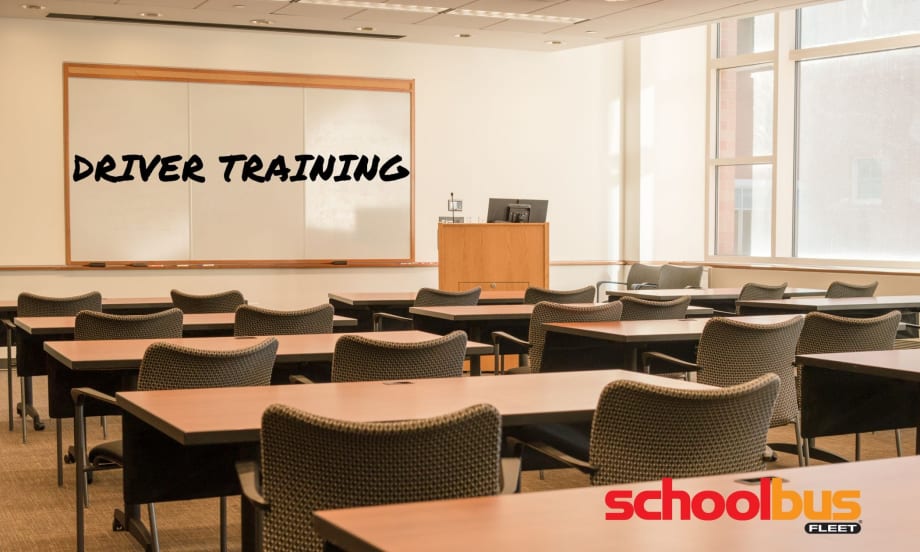
Select the right school bus driver-trainers who can inspire, support, and effectively prepare new recruits for long-term success.
Photo: SBF/Canva
5 min to read
Does this scenario sound familiar to you? A newly hired driver candidate, midway through behind-the-wheel training, walks into your office and asks for a minute to chat. He breathes a big sigh, stammers a bit and then finally spits it out. He doesn't feel like he is cut out to be a school bus driver. He thanks you for taking a chance on him, apologizes for wasting your time, and tries to make a quick exit.
I agree that not everyone is cut out for the job of school bus driver. I can also respect people who recognize when they are in way over their head and make the right decision. However, if this happens on a regular basis, it might be an indicator of an even bigger problem within your operation that will require your attention.
The first few months that new people train and interact with other employees of your operation are critical to their long-term success in their new job. Chances are that habits, feelings, friendships, adversaries, and attitudes they develop during the training period will shape the new recruit for years to come and will influence whether they stay or go. The people you have training new drivers from the get-go can make a huge impact on your recruiting program, and in the long run can set the tone for how your new employees conduct themselves.
This article will point out some important items to think about when selecting drivers to work as trainers in your operation.
Not everyone can train
We can all think back to a teacher in our lives who made a difference. They were concerned, caring and even-tempered, and they gave you the feeling that you could do it even if inside they were scared to death that you might not.
The same applies to school bus driver trainers. Often I hear from drivers who say they have been behind the wheel for years and therefore they should be the trainers. Not so!
Driver-trainers should have a can-do attitude. They should always be supportive and keep in mind that people learn at different speeds and have different learning styles. They must be patient and not easily frustrated when a candidate needs extra attempts at backing the bus or parallel parking. Trainers must also have a flexible schedule and be available to provide extra one-on-one training for candidates who are having trouble "getting it" during the training program.
Trainers should also not be your most theatrical employees. They need to provide you with very accurate details about a driver candidate's skills. A trainer who states that a candidate "almost wiped out the whole building" might not be expressing a training incident accurately or professionally.
Training or hazing?
There is a difference between training and abuse or intimidation. Trainers should pass on skills and knowledge they possess but should stop short of re-interviewing the candidate, showing off or acting as if the new recruit will be taking work from them once they begin driving.
It is not the role of a trainer to dig into the candidate's lifestyle, schedule, long-term interests, or dependability. Friendly conversation to get to know the candidate is important. However, informing them that they have no chance of ever getting their own run because they are not available mornings undermines the relationship the candidate and trainer should have.
The driver-trainer should clearly set a positive example and be a person the candidate can go to for advice. The trainer should be careful not to take the attitude that "things were not easy for me, so I will make it hard on you" or harbor "pay your dues, rookie"-type feelings. Simply demonstrating a parallel-park for the candidate is proper. Boasting how many times the trainer can get it right while the candidate continues to struggle with the procedure is not proper and can damage the candidate's overall confidence.
Don't rely on seniority
Many transportation operations award driver-training hours by seniority only, but this is not always the answer. Many of your most senior people may not have had the exposure to new training standards or updated rules and regulations, while your newer people may have had state-of-the-art training but little wheel time. The ideal trainer should bring a balanced mix of classroom and behind-the-wheel experience. The type of person who does his or her job correctly even when you aren't watching will most likely pass that attitude on to your new people.
Avoid the cliques
Your driver-trainer should be a person who reaches out to your recruits both during and after training sessions. We all know how difficult it can be to walk into the drivers room during those first few weeks as a new employee. All eyes are on you!
The driver-trainer should be the first person to greet new candidates as they make their way around the terminal and should introduce them to other staff members. The driver-trainer should also provide recruits with important tips to avoid faux pas and should provide a bit of background about their coworkers — stopping short of gossip or poisoning a recruit's attitude toward any coworker.
Additionally, use caution when designating dyed-in-the-wool union officers as trainers. They can expose new employees to sensitive labor/management issues long before those employees should be concerned with them. Ensure that any union officer you appoint as a driver-trainer is mature and responsible enough to balance the multiple roles.
Setting the example
Driver-trainers must know that they are expected to set an example at all times. They should be serious about their job and be careful not to arrive late, leave early or use excessive sick days for non-sick purposes. Employees who fudge their time sheets or neglect fueling, sweeping or washing duties may pass those habits on to your newest people.
Keep in mind that while it is a nice gesture for a trainer to have pizza after class with the recruits, trainers are working in a pseudo-management capacity on behalf of your company or board of education. Great care should be taken to prevent inappropriate fraternization between trainer and recruit that could lead to trouble in the workplace.
Also, driver-trainers must always remember that consuming alcohol at a bus garage picnic, party or banquet should be done responsibly. Driving home from an event while intoxicated sets a terrible example for all employees, especially your new recruits.
Subscribe to Our Newsletter
More Management
13 Industry Leaders Describe School Transportation in One Word
What word best describes the school bus industry today? We posed that question to over a dozen manufacturers, resulting in a revealing mix of perspectives on the challenges and opportunities ahead.
Read More →
Tyler Technologies Adds New AI, Transactions Leadership Roles
Two company executives are promoted to newly created C-suite positions to accelerate the company's long-term growth in both artificial intelligence and payments.
Read More →
Pro-Vision Acquires Convoy Technologies
The deal aims to broaden customer relationships and adds specialized vehicle video capabilities for commercial fleets.
Read More →


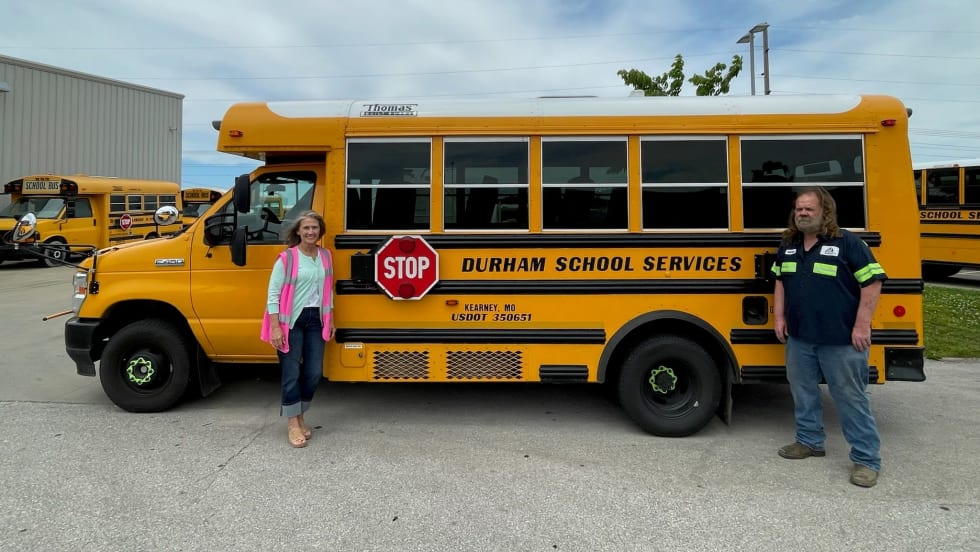
Durham School Services Maintenance Teams Earn Missouri Fleet Excellence Awards
Eight of the contractor’s school bus fleets achieved a distinction few maintenance teams earn during the state’s rigorous annual inspection program.
Read More →
How Incentives, AI, and Energy Markets Are Reshaping School Transportation
Sit down with Joe Annotti of TRC Companies to talk district grant funding, utility challenges, AI, and why school buses are evolving from transportation assets into energy assets.
Read More →
Inside the Contracting Shift: What School Transportation Operators Are Seeing Now
School transportation contractors weigh in on recent trends, costs, driver shortages, and the rise of multimodal student transportation.
Read More →
The No-Idling School Bus AC System
Take a peek at ExoAir Systems’ battery-powered cooling solution designed to run for up to 10 hours without the engine on, reducing fuel use and improving comfort for drivers and students.
Read More →
Geotab on Three Major Trends in School Transportation
School bus fleets are becoming more proactive than ever. From AI driver alerts to vehicle-to-grid opportunities, Geotab outlines the biggest technology trends transforming school bus operations.
Read More →
Gatekeeper Lands Major School Bus Deals as Revenue Surges
The video solutions provider announces contracts with Atlanta Public Schools and other fleet operators as it records quarterly revenue growth and expanding subscription business.
Read More →
Building Leaders Who Last: Creating a Successful Mentorship Program in Student Transportation
Discover five strategies for building an effective mentorship program to strengthen leadership development and support staff retention.
Read More →