




Safety, efficiency and - don't forget - customer service
As consumers, we look for customer service when we purchase a product. In fact, we’ve grown to expect it. If we have a problem with a purchase, ...
As consumers, we look for customer service when we purchase a product. In fact, we’ve grown to expect it. If we have a problem with a purchase, we expect a refund, replacement or store credit — with a smile. Customer service is also important in pupil transportation. And it’s more than making sure that we move children from Point A to Point B. It’s exemplary service provided by everyone involved in pupil transportation, from the drivers to the route supervisors to the transportation director to the district superintendent.
Listen and investigate
Courtesy is the hallmark of an excellent customer service program. But, as we all know, it’s difficult to maintain a courteous demeanor in the frenzy of a school day. Anyone who has ever answered the telephone in the transportation department has most likely fielded a call from a loud and angry parent. Yelling back or hanging up is unacceptable. It’s best to allow the caller to vent his frustration and to calmly ask questions in an effort to find the cause of the problem. This defuses the situation by giving the caller the message that you care about his concern and want to hear what he has to say. If there is a complaint about a situation on the bus, assure the caller that you will investigate by talking with the driver and, if necessary, the students involved. Inform the caller that you will get back to him with the results of the investigation. Then follow through.
Keep the customers informed
Other steps should be taken to enhance customer service in transportation. Attempts should be made to contact parents when a bus is running late. They should be informed of the reason and given an expected time of arrival. A bus that is running behind schedule in the morning can present a potentially dangerous situation for children. Budget constraints often limit the number of staff in the transportation office. This creates an even greater challenge in responding to the needs of parents. Drivers can help to alleviate some of the office staff’s burden by returning telephone calls to parents of the students on their routes. Sometimes a simple request may be made by a parent that can easily be dealt with by the driver. For example, Mrs. Smith may want Johnny to sit in the front of the bus because he comes home with motion sickness when he sits in the back. The driver should have no problem accommodating Johnny’s need. Not all requests are that easy to resolve. There may be a concern about the location of a bus stop. When faced with such a situation, the driver should inform the parent that he needs to involve the transportation manager, who then should contact the parent in a timely fashion.
Parents can be your allies
Any bus driver can attest to the fact that one of their greatest challenges is behavior management. Gaining parental support is a key to curbing disruptive student behavior. Parents are more likely to actively support the driver in these situations if they feel they have been dealt with respectfully and fairly in their past experiences with the transportation department. Politics play a role in the world of pupil transportation. When spending cuts are necessary, the transportation department is often hit hard. If the transportation department maintains a positive relationship with the community, school funding initiatives stand a better chance of success with voters. It’s often said,“The customer is always right.” Well, like most truisms, it’s not always true. But that doesn’t mean that we shouldn’t provide students and parents with as much courtesy and consideration as possible.
Evan Force, a former school district transportation supervisor, is a freelance writer in Grand Rapids, Mich.
More Management
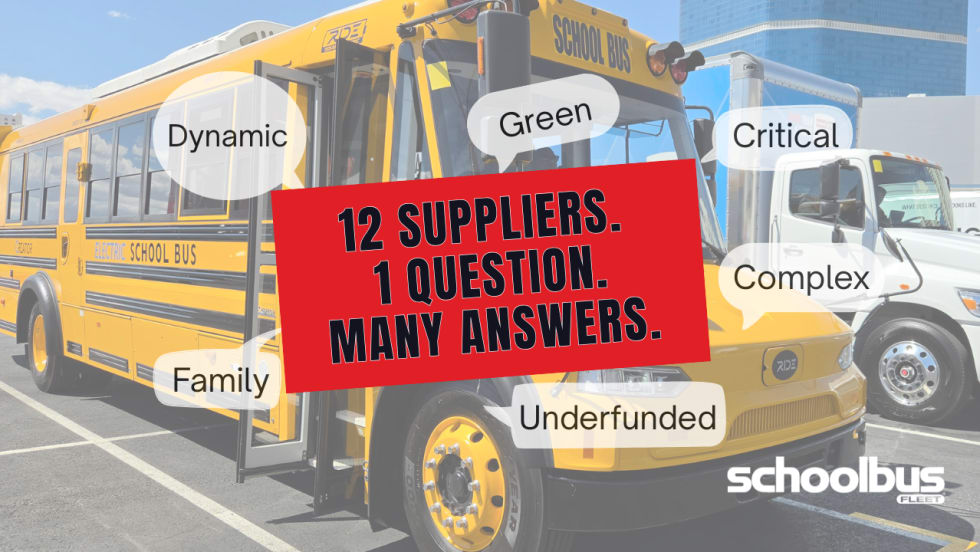
13 Industry Leaders Describe School Transportation in One Word
What word best describes the school bus industry today? We posed that question to over a dozen manufacturers, resulting in a revealing mix of perspectives on the challenges and opportunities ahead.
Read More →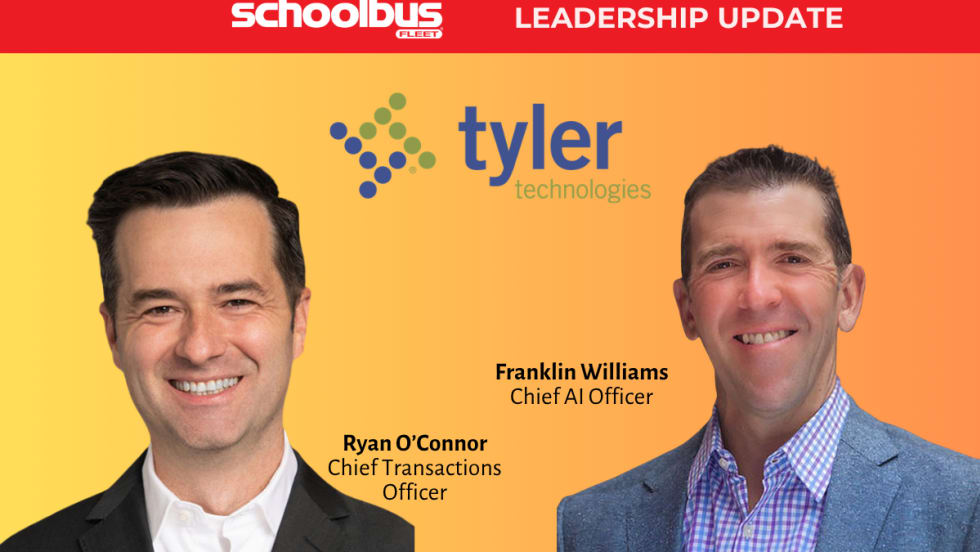
Tyler Technologies Adds New AI, Transactions Leadership Roles
Two company executives are promoted to newly created C-suite positions to accelerate the company's long-term growth in both artificial intelligence and payments.
Read More →
Pro-Vision Acquires Convoy Technologies
The deal aims to broaden customer relationships and adds specialized vehicle video capabilities for commercial fleets.
Read More →


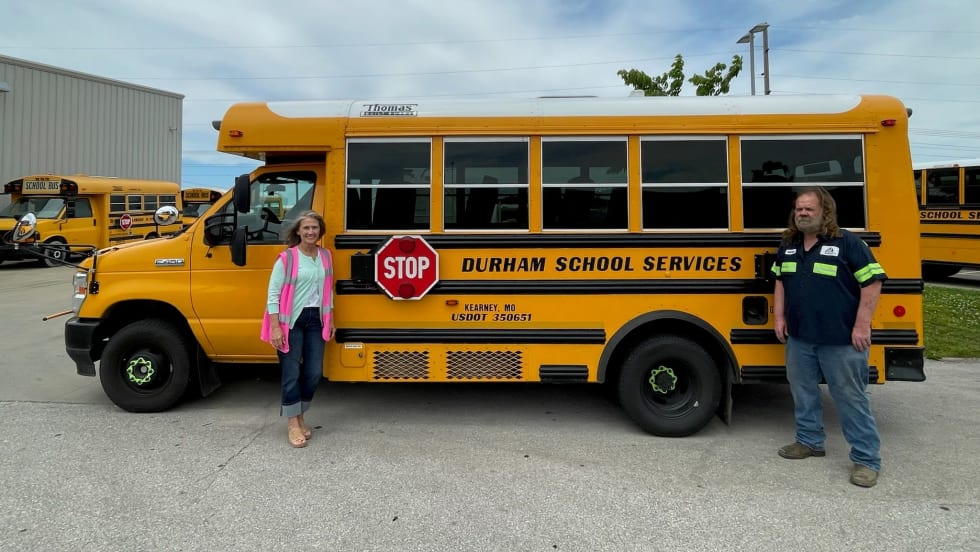
Durham School Services Maintenance Teams Earn Missouri Fleet Excellence Awards
Eight of the contractor’s school bus fleets achieved a distinction few maintenance teams earn during the state’s rigorous annual inspection program.
Read More →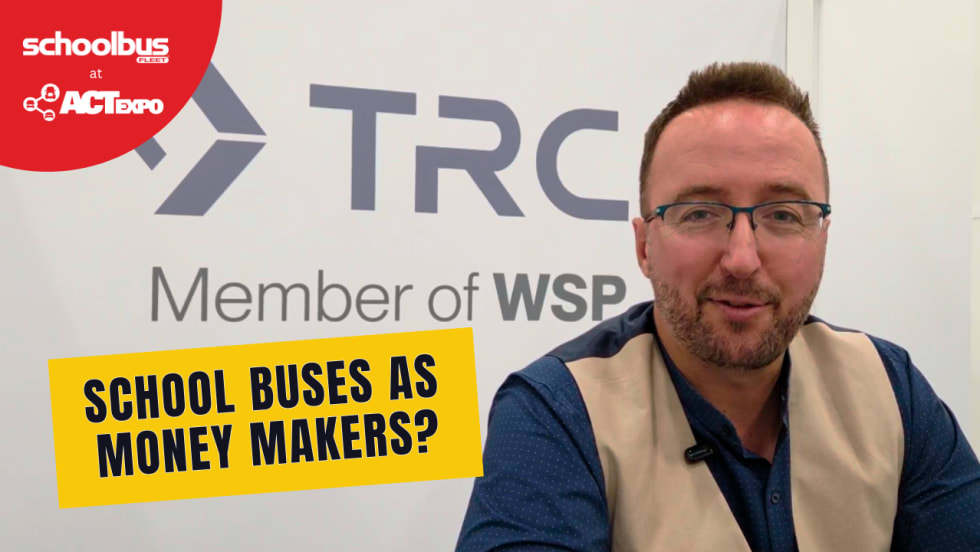
How Incentives, AI, and Energy Markets Are Reshaping School Transportation
Sit down with Joe Annotti of TRC Companies to talk district grant funding, utility challenges, AI, and why school buses are evolving from transportation assets into energy assets.
Read More →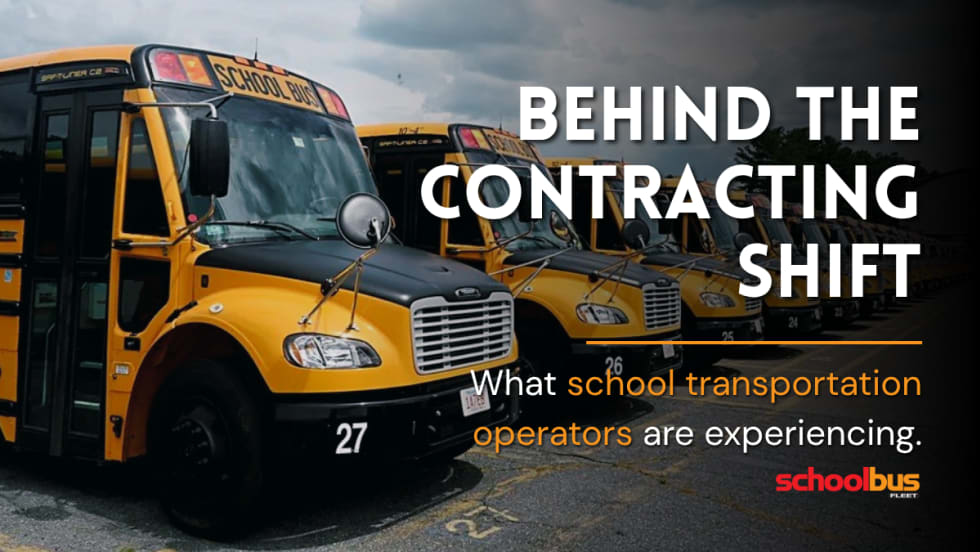
Inside the Contracting Shift: What School Transportation Operators Are Seeing Now
School transportation contractors weigh in on recent trends, costs, driver shortages, and the rise of multimodal student transportation.
Read More →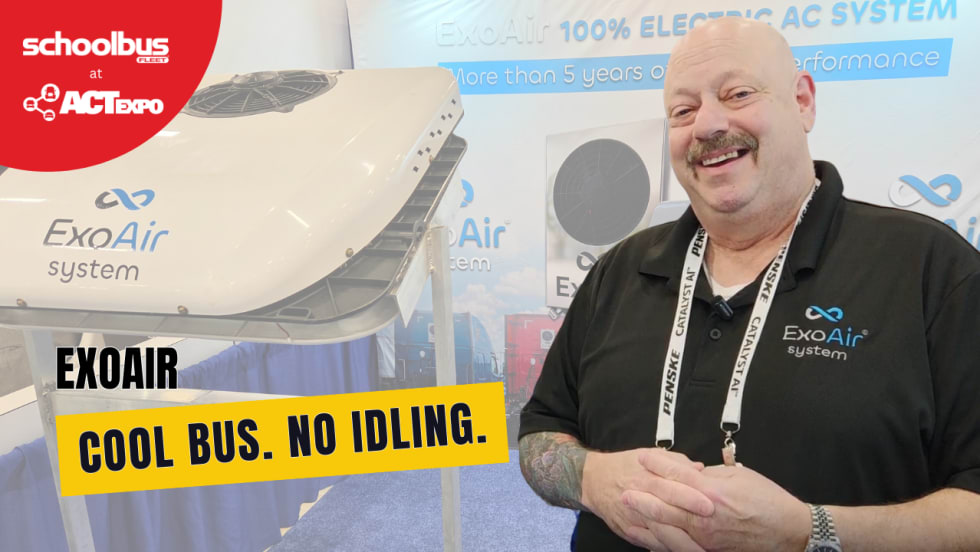
The No-Idling School Bus AC System
Take a peek at ExoAir Systems’ battery-powered cooling solution designed to run for up to 10 hours without the engine on, reducing fuel use and improving comfort for drivers and students.
Read More →
Geotab on Three Major Trends in School Transportation
School bus fleets are becoming more proactive than ever. From AI driver alerts to vehicle-to-grid opportunities, Geotab outlines the biggest technology trends transforming school bus operations.
Read More →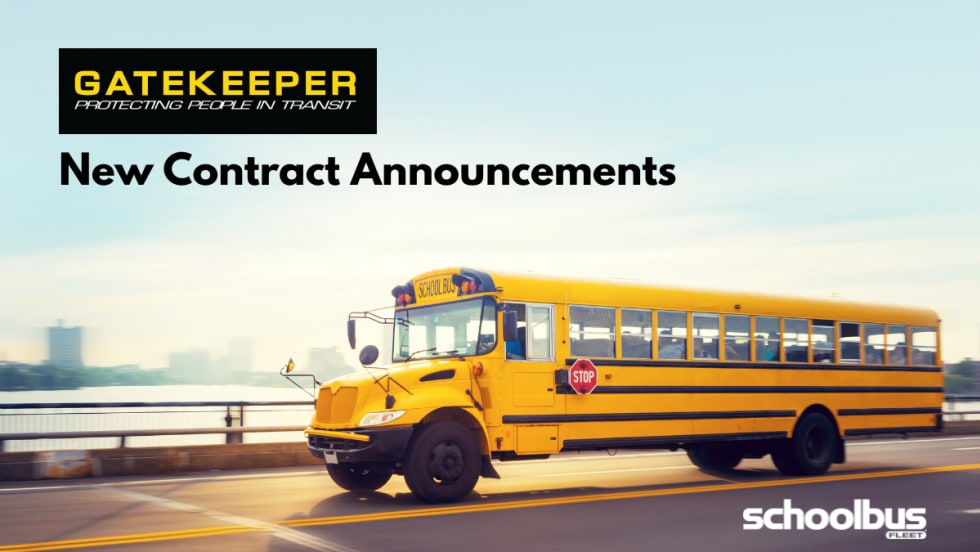
Gatekeeper Lands Major School Bus Deals as Revenue Surges
The video solutions provider announces contracts with Atlanta Public Schools and other fleet operators as it records quarterly revenue growth and expanding subscription business.
Read More →
Building Leaders Who Last: Creating a Successful Mentorship Program in Student Transportation
Discover five strategies for building an effective mentorship program to strengthen leadership development and support staff retention.
Read More →