




Don't let high fuel prices affect your safety program
All of us who drive regularly have felt the sting of sky-high fuel prices over the past several months.
All of us who drive regularly have felt the sting of sky-high fuel prices over the past several months. It’s frustrating because we have few transportation alternatives. Unless we choose to take advantage of public transportation, we must suffer the sticker shock of monthly gasoline bills that rival our car payments. For most people, this situation is an annoyance, not a crisis. But the transportation industry is being affected more dramatically. According to watchers of the heavy trucking industry, more than 35,000 rigs have been repossessed or turned in by independent owner-operators, mainly because of the spike in diesel fuel prices. The school bus industry, though not as severely harmed, has sustained damage. As Editor Steve Hirano explains in his article, “How to Keep High Fuel Prices from Throttling Your Budget,” school bus operators are being forced to expand their fuel allowances for the 2000-2001 school year, sometimes by as much as a third, to compensate for the jump in diesel fuel and gasoline costs. This represents a real danger. That extra padding in the fuel budget means that school districts will have to dip into their reserves or trim (or eliminate) programs. If they’re lucky, funding from state and local coffers will pick up the slack. The most likely scenario, however, is that transportation managers will be required to find other areas to absorb cuts.
Where will cuts be made?
That means that safety-related programs such as driver training could be curtailed. For example, school districts that pay drivers to attend in-service training could decide to end those payments. Will drivers attend non-paid training sessions? Yes, conscientious drivers will donate their time to continue their professional development. But those drivers generally are not the ones who need the training. It’s the apathetic, non-motivated ones who would most benefit. And those are the ones who skip these non-paid sessions. Even if driver training is untouched in the budget, that doesn’t mean that alternative safety-related cuts won’t be implemented.
New buses save money
Transportation managers could delay the purchase of new, fuel-efficient buses and continue to run 20-year-old vehicles that are neither fuel-efficient nor equipped with the latest safety enhancements. Although this strategy addresses an existing budget shortfall, it doesn’t make sense in the long run. New buses have significant advantages over their aged counterparts. They require less maintenance (and are under warranty), which reduces labor costs in the garage, and they can be easily programmed to maximize fuel mileage. They also have ergonomic improvements, which help to keep drivers happy. Drivers are the other part of the equation. With fuel prices creating budget uncertainties, school bus operators could put a hold on driver wage increases. Again, this is a short-sighted strategy that could make things worse. With the ongoing driver shortage, wages need to be made more competitive, not less. So where should the cuts be made? Good question. I don’t have a ready answer. Plead with your superintendent and school board to find other areas of the district budget to absorb the cuts. If that fails, implement austerity measures in areas that remain an arms-length from safety concerns. Here’s what I can suggest: Keep your focus on safety. Do what you can to reduce your fuel costs. Invest in new, fuel-efficient equipment. Assume that fuel prices will continue to head north — and pray that you’re wrong.
More Management
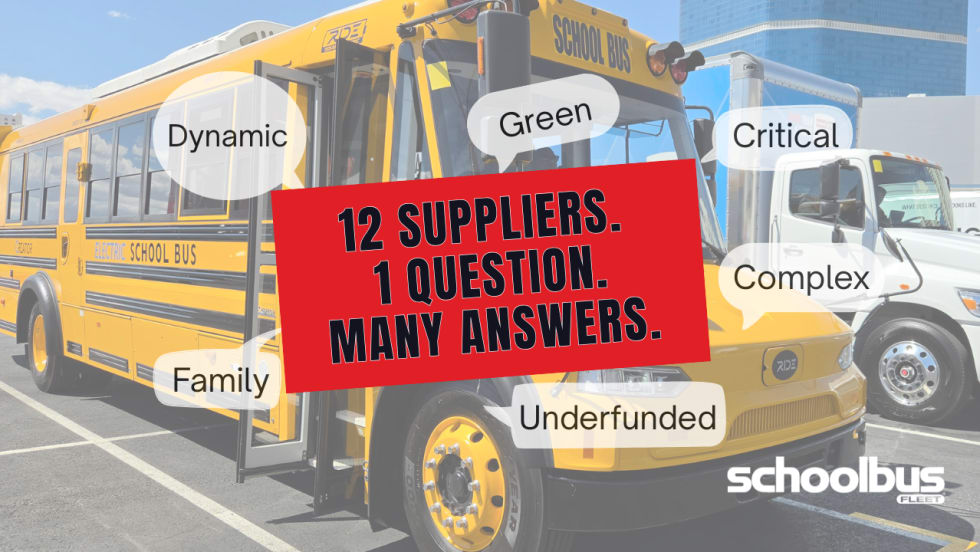
13 Industry Leaders Describe School Transportation in One Word
What word best describes the school bus industry today? We posed that question to over a dozen manufacturers, resulting in a revealing mix of perspectives on the challenges and opportunities ahead.
Read More →
Tyler Technologies Adds New AI, Transactions Leadership Roles
Two company executives are promoted to newly created C-suite positions to accelerate the company's long-term growth in both artificial intelligence and payments.
Read More →
Pro-Vision Acquires Convoy Technologies
The deal aims to broaden customer relationships and adds specialized vehicle video capabilities for commercial fleets.
Read More →


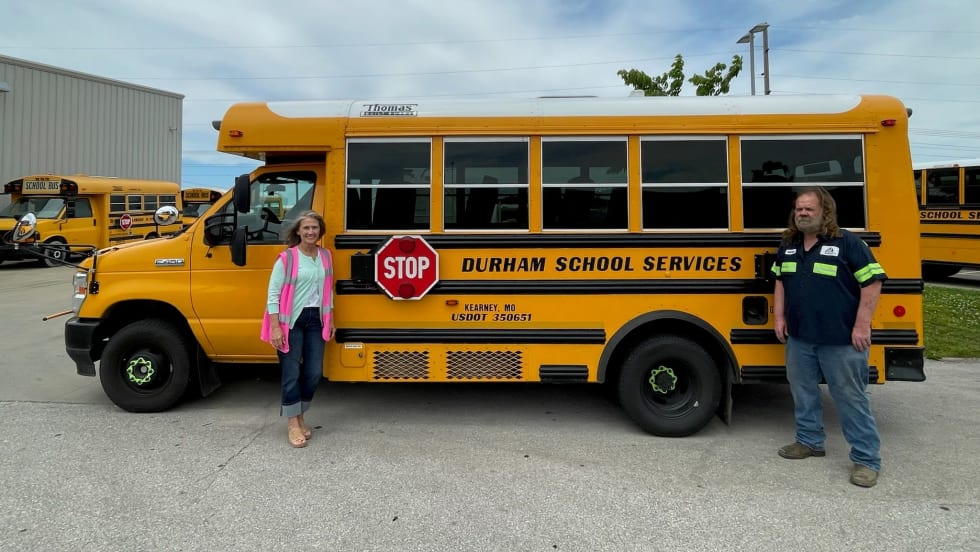
Durham School Services Maintenance Teams Earn Missouri Fleet Excellence Awards
Eight of the contractor’s school bus fleets achieved a distinction few maintenance teams earn during the state’s rigorous annual inspection program.
Read More →
How Incentives, AI, and Energy Markets Are Reshaping School Transportation
Sit down with Joe Annotti of TRC Companies to talk district grant funding, utility challenges, AI, and why school buses are evolving from transportation assets into energy assets.
Read More →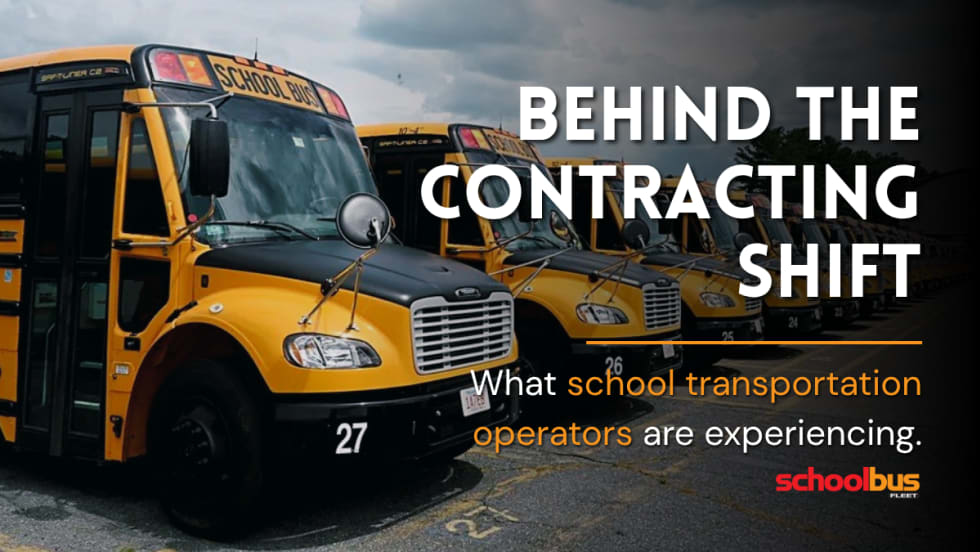
Inside the Contracting Shift: What School Transportation Operators Are Seeing Now
School transportation contractors weigh in on recent trends, costs, driver shortages, and the rise of multimodal student transportation.
Read More →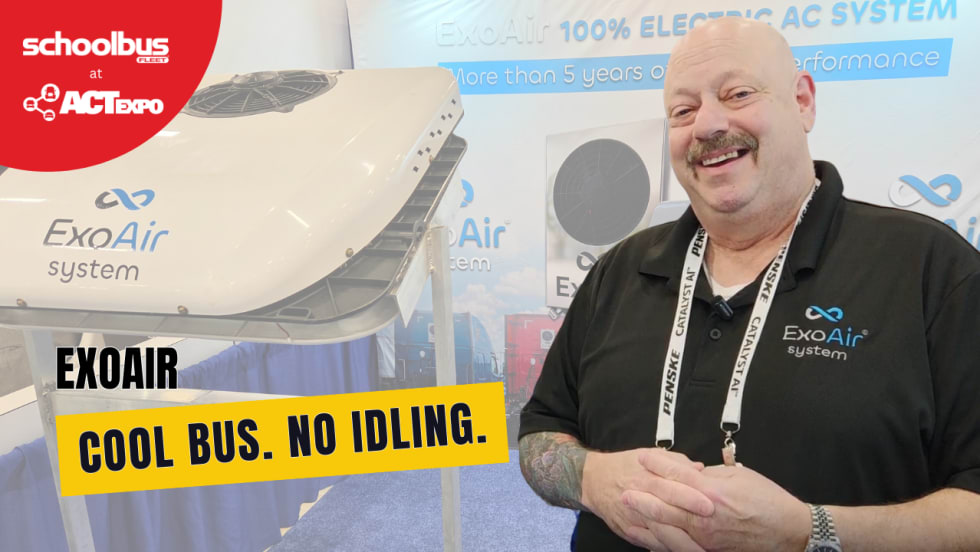
The No-Idling School Bus AC System
Take a peek at ExoAir Systems’ battery-powered cooling solution designed to run for up to 10 hours without the engine on, reducing fuel use and improving comfort for drivers and students.
Read More →
Geotab on Three Major Trends in School Transportation
School bus fleets are becoming more proactive than ever. From AI driver alerts to vehicle-to-grid opportunities, Geotab outlines the biggest technology trends transforming school bus operations.
Read More →
Gatekeeper Lands Major School Bus Deals as Revenue Surges
The video solutions provider announces contracts with Atlanta Public Schools and other fleet operators as it records quarterly revenue growth and expanding subscription business.
Read More →
Building Leaders Who Last: Creating a Successful Mentorship Program in Student Transportation
Discover five strategies for building an effective mentorship program to strengthen leadership development and support staff retention.
Read More →