




The unsung heroes of school transportation
We all know that school bus drivers are not paid enough, respected enough, or given enough recognition as professionals. On the brighter side, there have been improvements in the past few years.
We all know that school bus drivers are not paid enough, respected enough, or given enough recognition as professionals. On the brighter side, there have been improvements in the past few years. Drivers’ salaries have increased, benefits have improved and many school communities are better demonstrating their appreciation for their school bus drivers. We all need to continually encourage these improvements and personally look for ways to promote school bus drivers as professionals dedicated to the safest transportation possible for our nation’s students.
Unsung heroes are everywhere
While it is important to recognize our school bus drivers, it is equally important to improve our recognition of other vital members of the transportation team. Mechanics, dispatchers, schedulers, secretaries, driver trainers and paraprofessionals are all critical to the daily success of our operation. No single position is any more important than another — all carry a tremendous responsibility and are burdened with an enormous amount of liability.
Complex maintenance issues
Today’s school bus mechanics are challenged far beyond the understanding of most people. With new engine designs that include the use of computers and advanced electronics, they need continual training to diagnose and repair their fleet’s vehicles. Mechanics must also be versatile. They are constantly challenged by varying products and models, from chassis to engine to after-market accessories. Many districts are now requiring their mechanics to hold one, or even several, certifications.
Routing and communication
The dispatchers and schedulers in the transportation department have also entered the realm of computerization. Most medium to large districts now use computerized routing. It is fast and efficient and allows for changes in a minimum of time. Dispatchers and schedulers, however, have become more than just a source of route information. They carry the awesome responsibility of controlling and directing emergency operations, monitoring and aiding lost children and (possibly their biggest challenge) dealing with irate, and many times, unreasonable parents. In addition, they must be knowledgeable of the area in and around their school district, and capable of remaining calm during adversity and in times of unbelievable stress. They are required to be the source of an amazing amount of information on a daily basis. They are responsible for creating and implementing routes and route changes. These people, like mechanics, need ongoing training. The role of a school district’s dispatchers and schedulers is one of great importance and could be considered, in many ways, the heart of a transportation department. These dedicated people handle a multitude of tasks every day. They must possess excellent communication skills and be able to solve a problem at a moment’s notice. And, more than ever before, they must be a school bus driver as well, covering routes when no one else is available.
Onboard assistance
Paraprofessionals have a wide variety of titles — bus aides, monitors and paras being a few of them. Entrusted to closely monitor the health, welfare and actions of our student passengers with disabilities, these professionals are as forgotten as any in our industry — despite giving their immediate attention to situations that, if delayed, could result in serious health or safety concerns for our passengers. These dedicated staff members deal with a wide variety of challenges, including students who have seizures, tracheotomy tubes, behavior disorders, physical handicaps and other sorts of disabilities. They are also instrumental in helping these students to understand diversity, to gain confidence and to reach increased skill levels. They are committed to helping the children while still encouraging and requiring students to do what they can on their own. This helps the students develop simple skills like riding a city bus or communicating problems and needs. Most of these dedicated employees consider themselves a very important part of their students’ lives. That is true dedication for you!
Secretaries or saviors?
If you want to meet one of the busiest people in the school bus industry, introduce yourself to the transportation department secretary. In all my years in this industry I cannot begin to tell you the number of times I have been saved by one of my secretary’s actions. Secretaries often drive school buses when needed, handle hundreds of phone calls a day and act as the cushion between an angry parent and a supervisor, or between a disgruntled employee and a supervisor. They are a resource for drivers, mechanics, dispatchers, schedulers, supervisors, parents and students. They direct school staff to appropriate personnel, assist with routing and act as invaluable resources to their coworkers. Despite long hours, they seldom say “no” when something needs to be done. They are always looking for a few extra minutes to do that filing before it stacks up. They can talk on the phone while at the same time answering an e-mail on the computer, addressing an employee’s question and looking up a phone number for the boss. Secretaries provide an important bond between administration and employees. They truly are phenomenal.
The sum of the parts. . .
It is obvious that a school transportation department of any size functions on the abilities of numerous dedicated people. It is important to remember and honor school bus drivers, as they have the ultimate responsibility in their hands each and every school day. They are never alone, however, and those who support their efforts are every bit as professional and dedicated as the drivers themselves.
About the Author: Shorty Huffman is a transportation supervisor at Douglas County School District in Castle Rock, Colo.
More Management
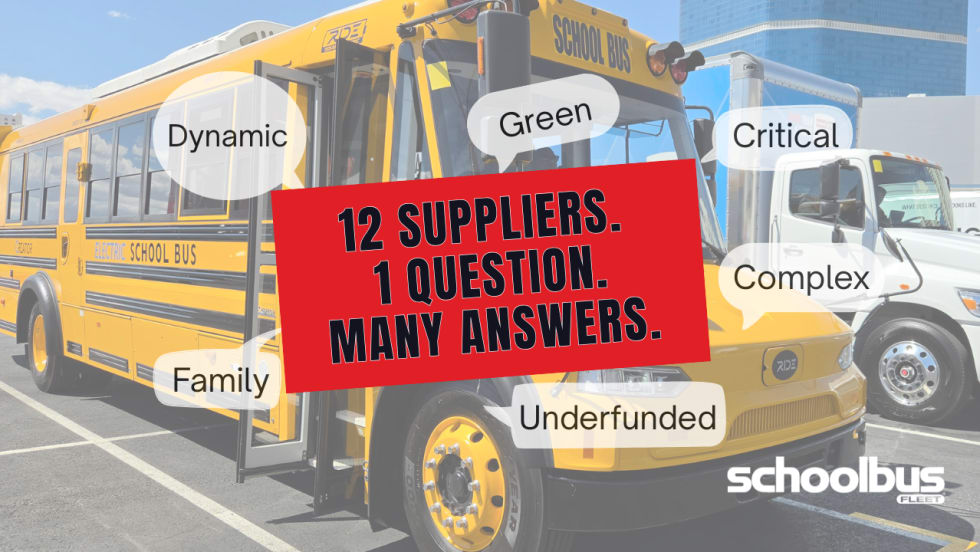
13 Industry Leaders Describe School Transportation in One Word
What word best describes the school bus industry today? We posed that question to over a dozen manufacturers, resulting in a revealing mix of perspectives on the challenges and opportunities ahead.
Read More →
Tyler Technologies Adds New AI, Transactions Leadership Roles
Two company executives are promoted to newly created C-suite positions to accelerate the company's long-term growth in both artificial intelligence and payments.
Read More →
Pro-Vision Acquires Convoy Technologies
The deal aims to broaden customer relationships and adds specialized vehicle video capabilities for commercial fleets.
Read More →


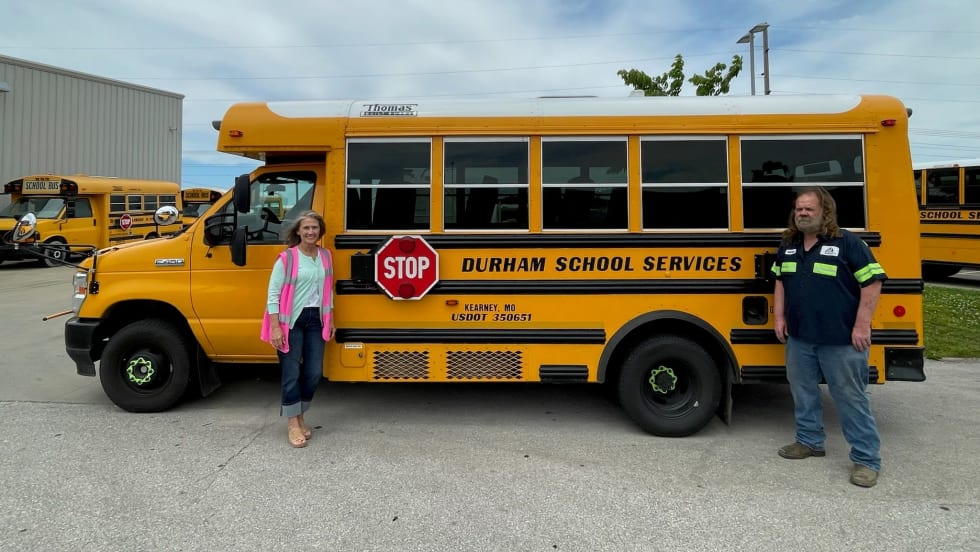
Durham School Services Maintenance Teams Earn Missouri Fleet Excellence Awards
Eight of the contractor’s school bus fleets achieved a distinction few maintenance teams earn during the state’s rigorous annual inspection program.
Read More →
How Incentives, AI, and Energy Markets Are Reshaping School Transportation
Sit down with Joe Annotti of TRC Companies to talk district grant funding, utility challenges, AI, and why school buses are evolving from transportation assets into energy assets.
Read More →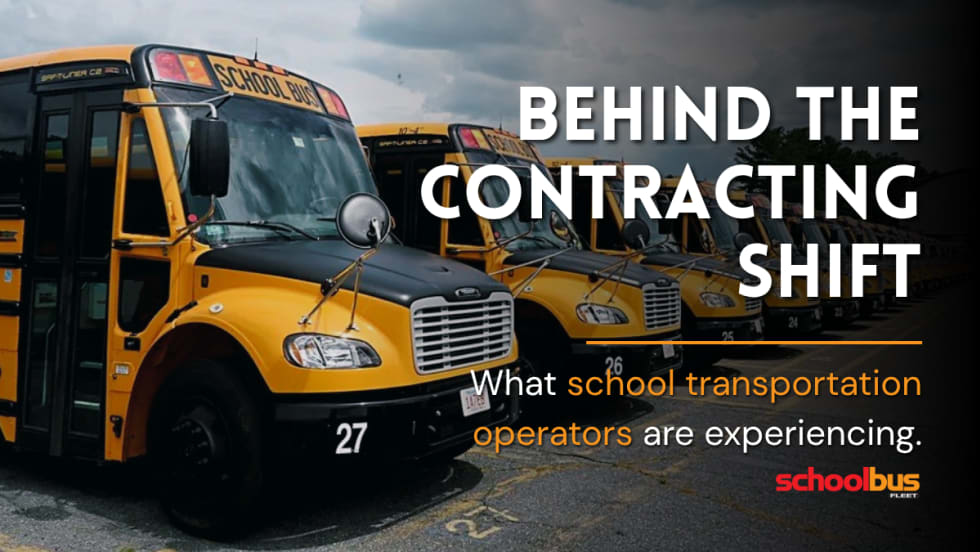
Inside the Contracting Shift: What School Transportation Operators Are Seeing Now
School transportation contractors weigh in on recent trends, costs, driver shortages, and the rise of multimodal student transportation.
Read More →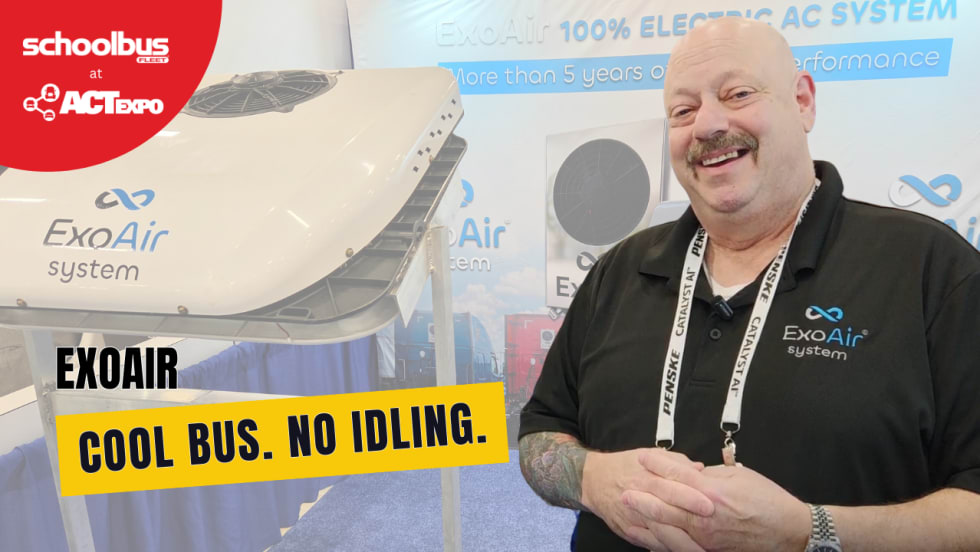
The No-Idling School Bus AC System
Take a peek at ExoAir Systems’ battery-powered cooling solution designed to run for up to 10 hours without the engine on, reducing fuel use and improving comfort for drivers and students.
Read More →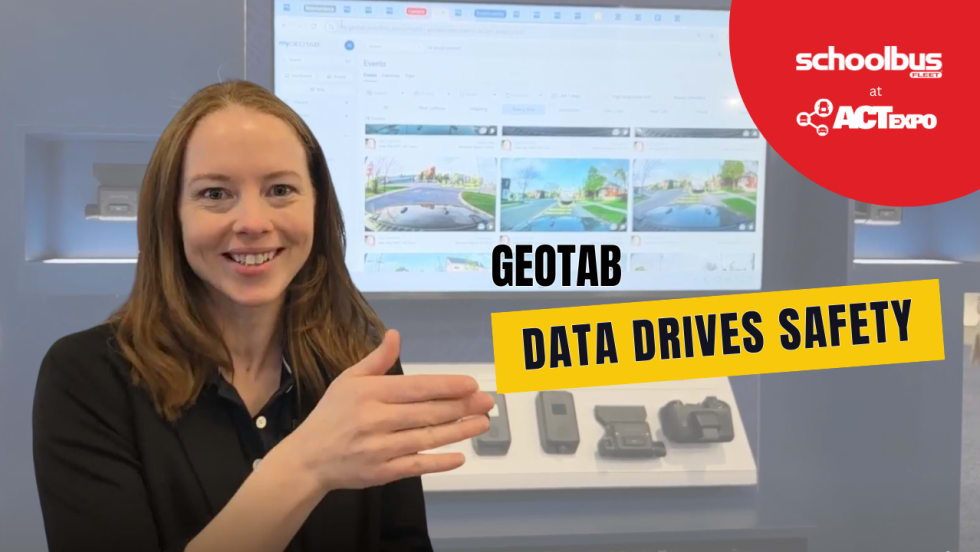
Geotab on Three Major Trends in School Transportation
School bus fleets are becoming more proactive than ever. From AI driver alerts to vehicle-to-grid opportunities, Geotab outlines the biggest technology trends transforming school bus operations.
Read More →
Gatekeeper Lands Major School Bus Deals as Revenue Surges
The video solutions provider announces contracts with Atlanta Public Schools and other fleet operators as it records quarterly revenue growth and expanding subscription business.
Read More →
Building Leaders Who Last: Creating a Successful Mentorship Program in Student Transportation
Discover five strategies for building an effective mentorship program to strengthen leadership development and support staff retention.
Read More →