




Bus driver questions employer motivations
After studying bus driver wages compared to the wages of other driver occupations, I am a bit upset with the maltreatment of school bus drivers.
After studying bus driver wages compared to the wages of other driver occupations, I am a bit upset with the maltreatment of school bus drivers. Most bus drivers are paid as though they are truck drivers rather than regular employees. The employer’s sometimes unintentional “dime-a-mile” attitude toward its bus drivers wore thin some time ago, and I believe this employer behavior has escalated the nationwide shortage of school bus drivers. Pay and benefits vary wildly, from absolute minimum wage and no benefits to the rare $20 per hour and abundant benefits. About $10 an hour with some benefits is average, but actual hours paid may be significantly less than eight per day, with few or no fill-in options. Another major problem is the manner in which employers solicit bus drivers, often using misleading and deceptive approaches. But that’s a topic for a future commentary. Most drivers who stay in the profession for a long time seem to do so out of a sense of responsibility to their community. Many go through the process of liking kids, not liking kids, accepting kids, then liking kids. And there are a great many drivers who find working with kids to be intellectually and emotionally satisfying. Some say it “gets in your blood.”
Wage concerns ignored?
When drivers complain about dissatisfaction with their wages, employers often deflect their comments or refuse to acknowledge them. A typical reply is that “money goes to the classroom first,” which is meant to redirect the conversation and to make the driver feel guilty. The purpose is to intimidate the driver into not speaking out on an important and valid issue. Money is not the only issue. Effective training and an accommodating work environment are also key concerns. When drivers complain about the lack of either, management again looks to redirect the conversation. A typical response: “If you want your transportation department to become better, start with yourself, and the rest will follow.” While this may be true, it may also be unreasonable without the proper conditions for professional growth. Most drivers are doing the best they can. Without effective training and environmental motivation, it’s difficult to take the next great leap of commitment. Some do anyway, but to expect all drivers to do so is an absurd expectation on the employer’s part.
Attitudes need adjustment
Too many drivers are leaving the profession and there are fewer replacements — and not just because of poor pay or poor employee attitude. It’s important to keep in mind that when the shortage is as great as it has become in this industry, there’s likely a serious management problem driving (excuse the pun) more and more bus drivers away. Until management acknowledges that problem, the driver shortage is likely to continue and may escalate in some school districts. I’m looking at these issues and would appreciate driver comments concerning payroll issues. I have no doubt there are excellent employers and some dishonorable ones, too. Please mention the state in which you drive and whether you work for a public or private employer. I’d like to hear about both. You can reach me at this e-mail address: safeschs@dnc.net.
James Kraemer is a school bus driver in Oregon.
More Management
13 Industry Leaders Describe School Transportation in One Word
What word best describes the school bus industry today? We posed that question to over a dozen manufacturers, resulting in a revealing mix of perspectives on the challenges and opportunities ahead.
Read More →
Tyler Technologies Adds New AI, Transactions Leadership Roles
Two company executives are promoted to newly created C-suite positions to accelerate the company's long-term growth in both artificial intelligence and payments.
Read More →
Pro-Vision Acquires Convoy Technologies
The deal aims to broaden customer relationships and adds specialized vehicle video capabilities for commercial fleets.
Read More →


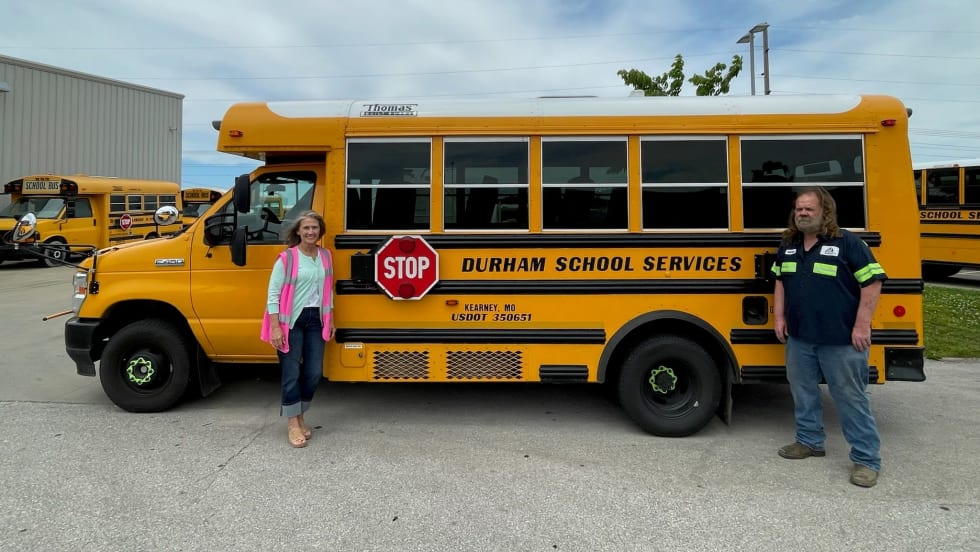
Durham School Services Maintenance Teams Earn Missouri Fleet Excellence Awards
Eight of the contractor’s school bus fleets achieved a distinction few maintenance teams earn during the state’s rigorous annual inspection program.
Read More →
How Incentives, AI, and Energy Markets Are Reshaping School Transportation
Sit down with Joe Annotti of TRC Companies to talk district grant funding, utility challenges, AI, and why school buses are evolving from transportation assets into energy assets.
Read More →
Inside the Contracting Shift: What School Transportation Operators Are Seeing Now
School transportation contractors weigh in on recent trends, costs, driver shortages, and the rise of multimodal student transportation.
Read More →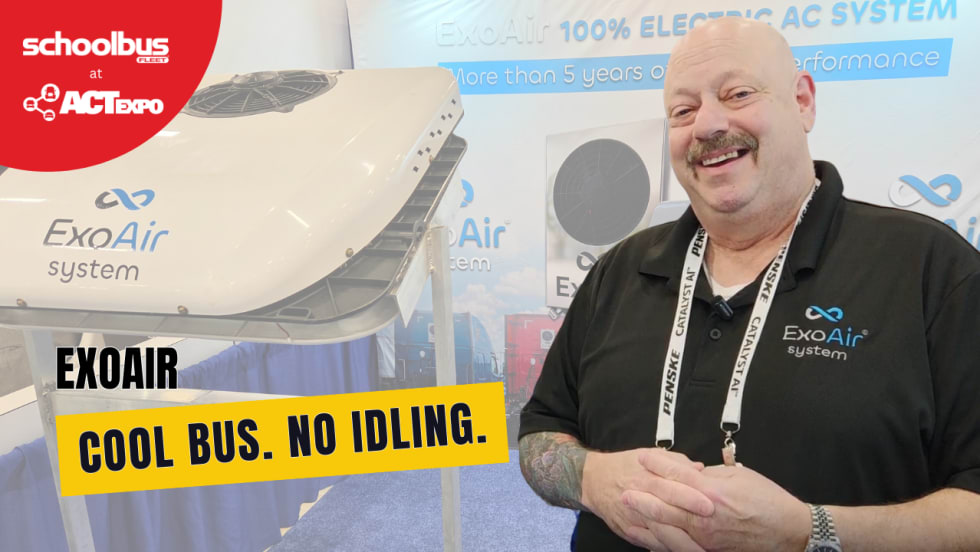
The No-Idling School Bus AC System
Take a peek at ExoAir Systems’ battery-powered cooling solution designed to run for up to 10 hours without the engine on, reducing fuel use and improving comfort for drivers and students.
Read More →
Geotab on Three Major Trends in School Transportation
School bus fleets are becoming more proactive than ever. From AI driver alerts to vehicle-to-grid opportunities, Geotab outlines the biggest technology trends transforming school bus operations.
Read More →
Gatekeeper Lands Major School Bus Deals as Revenue Surges
The video solutions provider announces contracts with Atlanta Public Schools and other fleet operators as it records quarterly revenue growth and expanding subscription business.
Read More →
Building Leaders Who Last: Creating a Successful Mentorship Program in Student Transportation
Discover five strategies for building an effective mentorship program to strengthen leadership development and support staff retention.
Read More →