




Programs Help Driver Trainers Sharpen Their Skill Sets
Train-the-trainer programs can help to improve the skill sets of your staff, even if they think they know it all.
In-service training for bus drivers is an essential part of any school transportation operation, but what can school districts and contractors do to encourage their driver trainers to improve their skill sets? Several train-the-trainer options exist for the school bus industry. One of the most ambitious programs is conducted by the transportation training division of the Texas Engineering Extension (TEEX) at Texas A&M University in College Station. Driver trainers come from as far as New York and Georgia to attend the 4 1/2-day program, which is taught by a staff of 10 volunteers. One advantage of the program is the personal attention that driver trainers receive. The student-to-instructor ratio is four-to-one. Another bonus is the emphasis on behind-the-wheel training, which comprises 65 percent of the program. Veteran drivers are required to sharpen their backing, turning, parallel parking and emergency evacuation skills.
Old dogs, new tricks
One virtue of the TEEX program is that it offers something for even the most experienced drivers and trainers. "Lots of times, you have these seasoned bus drivers who come to this school - some of them have been doing this for 20 years - and they're like, 'What in the world are you going to teach me?' And when it's over, we have to literally push them out the door," says Cheryl Picone, instructional materials specialist, transportation training division, TEEX program. Bill Cloyd, coordinator of the TEEX program, says that while the program's obvious benefits lie with the driver trainers, a more subtle benefit is in driver retention. "There are a lot of advantages to participating in a training program, the main one of which is consistency," Cloyd says. "This consistency in training and learning new techniques has improved morale and led to a lower rate of turnover."
Crash avoidance is key
But while everyone agrees that driver retention is a concern, a more pressing problem is the reduction of accidents, especially those caused by the school bus. John Green, manager of the Office of School Transportation at the California Department of Education, says school bus driver-caused accidents in his state have decreased by 10.5 percent, thanks to California's program. "You should get some results from the training of your drivers, otherwise why have the training program?" Green says. Like the TEEX program, California's driver trainer program also provides 20 hours of behind-the-wheel work for the 16 students in each class, which may account for the impact his program has on accident rates. "In our program, trainers do actual hands-on work, classroom work, analysis, preparation and they are critiqued and videotaped," Green says. "They learn how to handle a bus in icy and snowy conditions and do a mountain driving exercise in the Sierras."
Readin', writin', ridin'
In addition to rigorous driving exercises, students in Green's program are also required to jump a few hurdles on their way to graduation. Driver trainers are required to perform a 30-minute presentation in which they teach other trainers how to conduct a lesson plan. Trainers are also required to instruct a driver in proper techniques and then demonstrate a proficiency in handling and filling out paperwork for such things as accidents. This is where the real value of such a training program lies, says Green - in the improved execution of the duties by driver trainers once they return to their district or school bus company.
Tuning in to drivers
Julie Boyce, training technician at Jefferson County Public Schools in Lakewood, Colo., says that the value she finds in driver trainer programs comes from the empathy generated by keeping the trainers in touch with the realities of school bus driving. Boyce's program, located in Fort Collins, Colo., requires students to participate in classes and behind the wheel, but a major emphasis is placed on presentation skills, an area that Boyce says needs work. "They need to work on classroom presentation skills, interaction with trainees, drawing them out more, and showing more professionalism in the classroom," Boyce says. While professionalism and new and improved driving techniques are important, they do come at a price. The TEEX program requires a $400 registration fee, which is usually picked up by the school district or contractor. Hotel fees are separate and are paid by the trainers themselves.
Consider all the angles
Transportation directors who are considering sending their trainers to training school have several factors to consider. Will the training result in lowered school bus driver-related accidents? Will it result in a higher degree of professionalism and efficiency for the driver trainer? And finally, is the time and effort required to participate in such a program really worth it? These questions should be answered honestly and completely before sending trainers off to school. Otherwise, trainers may go into such a program with only one question: What in the world are you going to teach me?
More Management
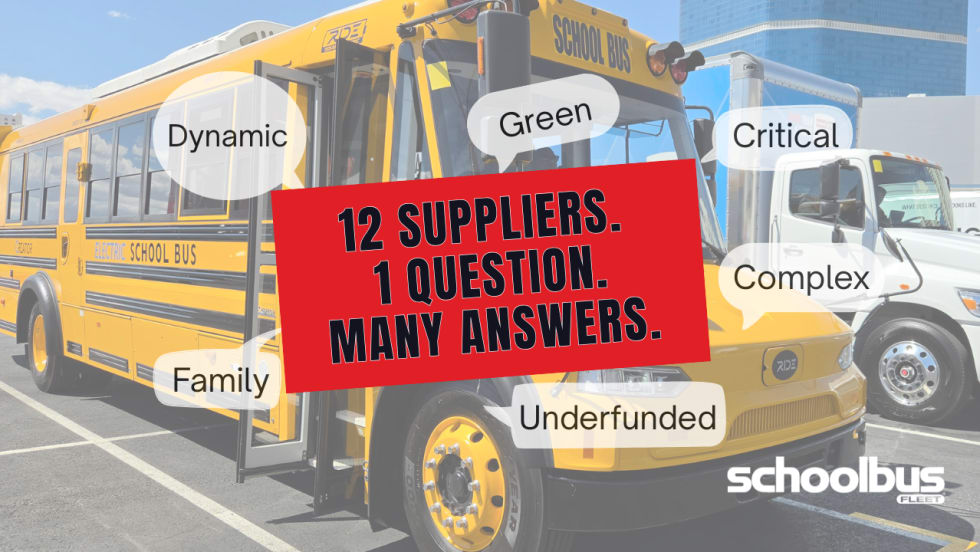
13 Industry Leaders Describe School Transportation in One Word
What word best describes the school bus industry today? We posed that question to over a dozen manufacturers, resulting in a revealing mix of perspectives on the challenges and opportunities ahead.
Read More →
Tyler Technologies Adds New AI, Transactions Leadership Roles
Two company executives are promoted to newly created C-suite positions to accelerate the company's long-term growth in both artificial intelligence and payments.
Read More →
Pro-Vision Acquires Convoy Technologies
The deal aims to broaden customer relationships and adds specialized vehicle video capabilities for commercial fleets.
Read More →


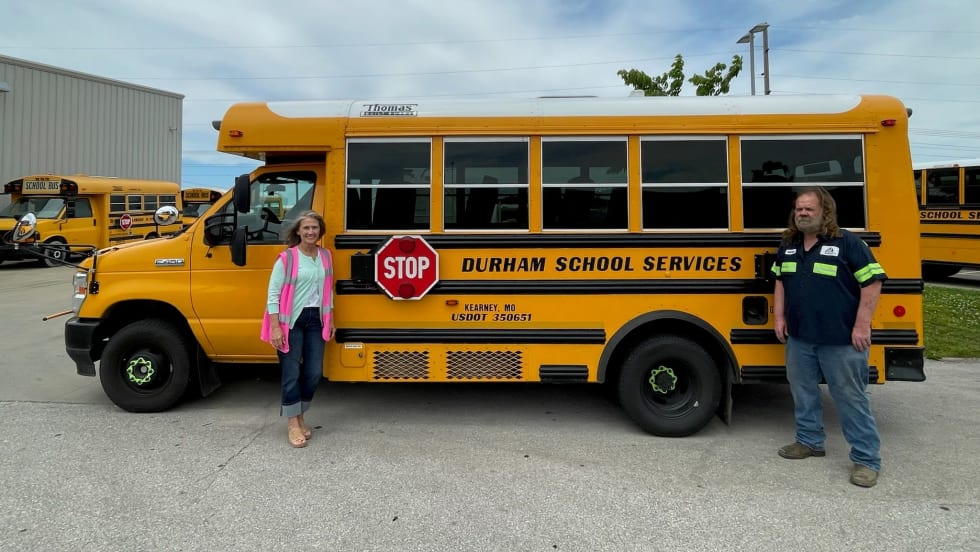
Durham School Services Maintenance Teams Earn Missouri Fleet Excellence Awards
Eight of the contractor’s school bus fleets achieved a distinction few maintenance teams earn during the state’s rigorous annual inspection program.
Read More →
How Incentives, AI, and Energy Markets Are Reshaping School Transportation
Sit down with Joe Annotti of TRC Companies to talk district grant funding, utility challenges, AI, and why school buses are evolving from transportation assets into energy assets.
Read More →
Inside the Contracting Shift: What School Transportation Operators Are Seeing Now
School transportation contractors weigh in on recent trends, costs, driver shortages, and the rise of multimodal student transportation.
Read More →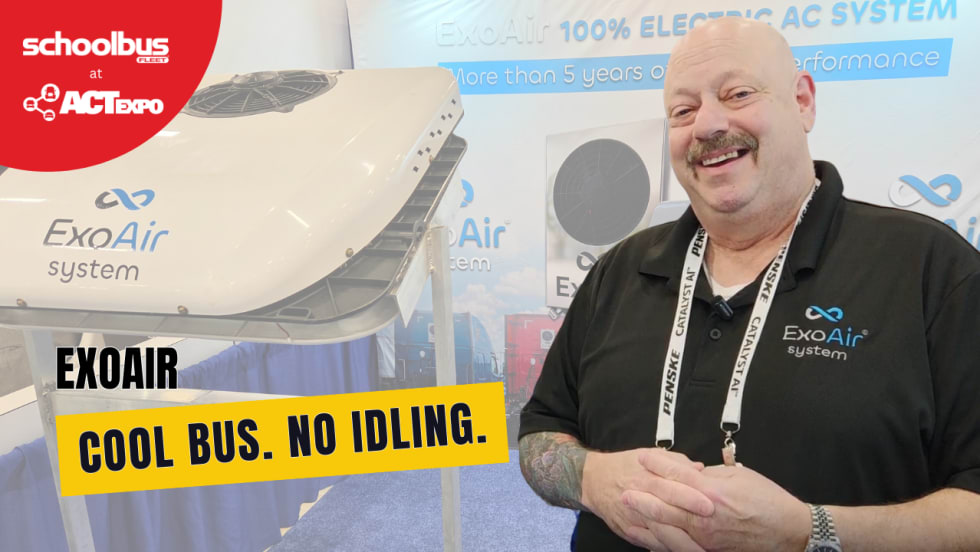
The No-Idling School Bus AC System
Take a peek at ExoAir Systems’ battery-powered cooling solution designed to run for up to 10 hours without the engine on, reducing fuel use and improving comfort for drivers and students.
Read More →
Geotab on Three Major Trends in School Transportation
School bus fleets are becoming more proactive than ever. From AI driver alerts to vehicle-to-grid opportunities, Geotab outlines the biggest technology trends transforming school bus operations.
Read More →
Gatekeeper Lands Major School Bus Deals as Revenue Surges
The video solutions provider announces contracts with Atlanta Public Schools and other fleet operators as it records quarterly revenue growth and expanding subscription business.
Read More →
Building Leaders Who Last: Creating a Successful Mentorship Program in Student Transportation
Discover five strategies for building an effective mentorship program to strengthen leadership development and support staff retention.
Read More →