



Get More from Your Specs in the Long Run
Before you send out your next set of bids, review your spec'ing process to ensure that it delivers the product that you want.
So you're interested in buying some new school buses. Before you initiate the process of putting out bids, you must develop clear and concise specifications for the prospective vendors. This will guarantee that you receive the items you want and ensure that the manufacturers bid "apples against apples."
You may ask, "What are specifications?" and "How do I write them?" The following process should help you get M-O-R-E out of the school bus specification process.
Start with a map
The first step in developing your specifications is to map out the process you plan to follow. This should include the following items:
Who should be involved? You should involve as many people as needed to help develop the specifications. This should include maintenance staff, bus drivers and trainers, supervisory personnel and purchasing staff.
Should we obtain manufacturer input? Manufacturer input can prove invaluable if you lack expertise in chassis and body development.
What process should we follow? Your specifications committee should establish meeting times, completion date and specific job assignments.
Now that you have completed your map for the process, the next step is to clearly define the objectives you want your specifications to meet. Several items need to be considered when your objectives are established.
Define your objectives
How long do you intend to operate the buses (in mileage and years) before replacement? This is a very crucial decision.
Short-term (seven to 10 years or 100,000 miles) replacement might allow you to spec a less expensive engine, transmission, cooling system, etc. However, if it is your intent to operate the vehicles for a longer period of time (up to 20 years or 200,000 miles), you would want the specifications to reflect this. This is one area where manufacturer input can be helpful.
Do you want your buses to meet the 1995 National Standards? I strongly recommend that you obtain a copy of the 1995 National Standards for School Transportation and use this document to help you establish your objectives. This publication is available from the Missouri Safety Center at Central Missouri State University, (660/543-4830). It offers excellent insights into the development of your specifications.
Of course, you must also have a copy of your state specifications, which may follow the National Standards or have their own special requirements. Are there additional safety items above and beyond your state specifications that you wish to include?
District-specific needs and the local climate and geography are important factors to consider. This also is an area where you may wish to solicit manufacturer participation.
Record your efforts
You are now ready to begin realizing the fruits of your labor as you start to record your specifications.
One item of assistance would be securing the school bus specifications from other states or districts. Many of these are available upon request, and some are on the Internet. The North Carolina Department of Public Instruction's state specifications, for example, can be found at the following Website: http://itre.ncsu.edu/pt/dpi/download.html A recording secretary for the committee should be responsible for this task.
As you record your specifications you need to be careful to include the following: Specific manufacturer numbers for the items to be included on your school buses. You can list the exact item you want, but you should also include the phrase "or approved equal" (if it is negotiable) to be fair to all bidders and to allow for the inclusion of a component with which the committee may not be familiar.
Terms: Make sure to include specific items such as warranty coverage, delivery time, penalties for late delivery, inspection of pilot models and any documents you wish provided (build sheets, parts manuals, service manuals, etc.).
Remember, if you didn't write it down in the specifications, it didn't happen. The completed set of specifications can now be put "on the street" for bids.
Manufacturers should be required to submit a list of exceptions to your specifications and a list of approved equal components. These need to be evaluated for compliance.
Once the contract is awarded to the successful bidder(s), you will soon have a completed product.
Evaluation is essential
It is important to evaluate the completed product for compliance with the specifications. This part of the process is very crucial to ensure that all components in the school bus meet the criteria you've established.
A continual evaluation of all chassis and body items should be done. This will provide you with needed data to make future changes to your school bus.
Performance: Are the components performing as expected? If not, the committee should consider alternatives.
New products and technology. The committee should constantly track new products on the market, including those with advanced technology. All accumulated information should be considered at future committee meetings.
If you perform this process correctly, you will ensure that the students you transport will be riding on safe, reliable and economical vehicles that will provide the anticipated years of service.
My experience and the "road of hard knocks" have taught me that many premature component failures on school buses can be eliminated by bolstering requirements in the specifications. I hope this information will be of assistance to you as you prepare to issue your next school bus specifications.
About the Author: David Sluder is a transportation consultant for the North Carolina Department of Public Instruction.
More Management
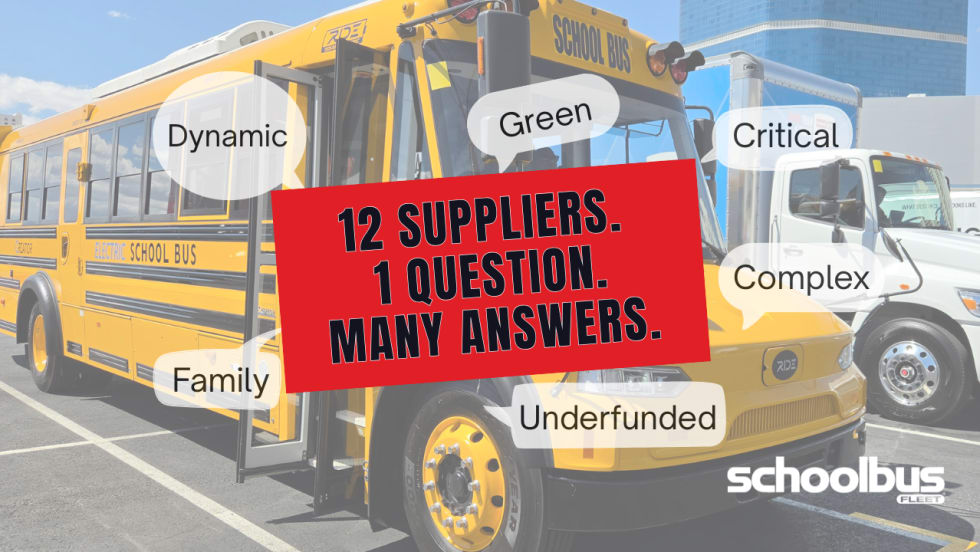
13 Industry Leaders Describe School Transportation in One Word
What word best describes the school bus industry today? We posed that question to over a dozen manufacturers, resulting in a revealing mix of perspectives on the challenges and opportunities ahead.
Read More →
Tyler Technologies Adds New AI, Transactions Leadership Roles
Two company executives are promoted to newly created C-suite positions to accelerate the company's long-term growth in both artificial intelligence and payments.
Read More →
Pro-Vision Acquires Convoy Technologies
The deal aims to broaden customer relationships and adds specialized vehicle video capabilities for commercial fleets.
Read More →


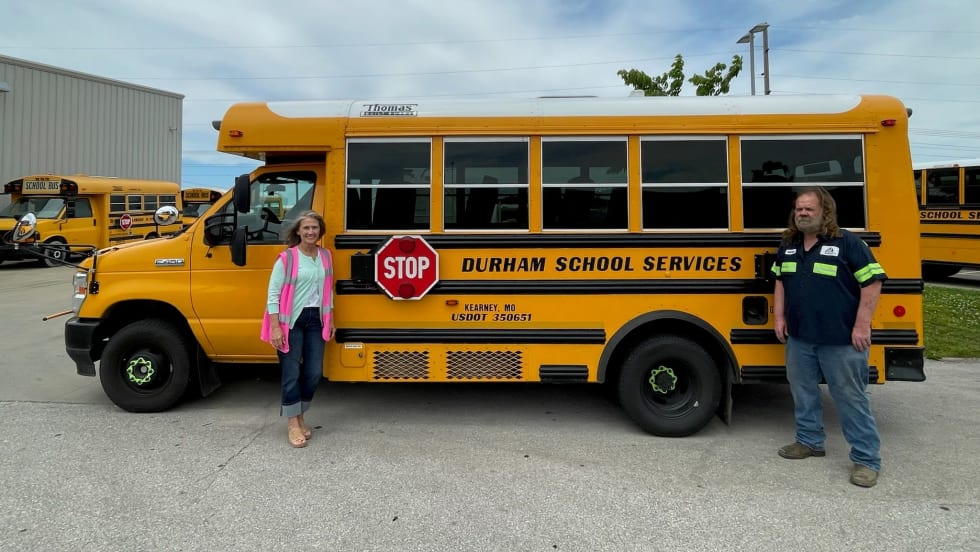
Durham School Services Maintenance Teams Earn Missouri Fleet Excellence Awards
Eight of the contractor’s school bus fleets achieved a distinction few maintenance teams earn during the state’s rigorous annual inspection program.
Read More →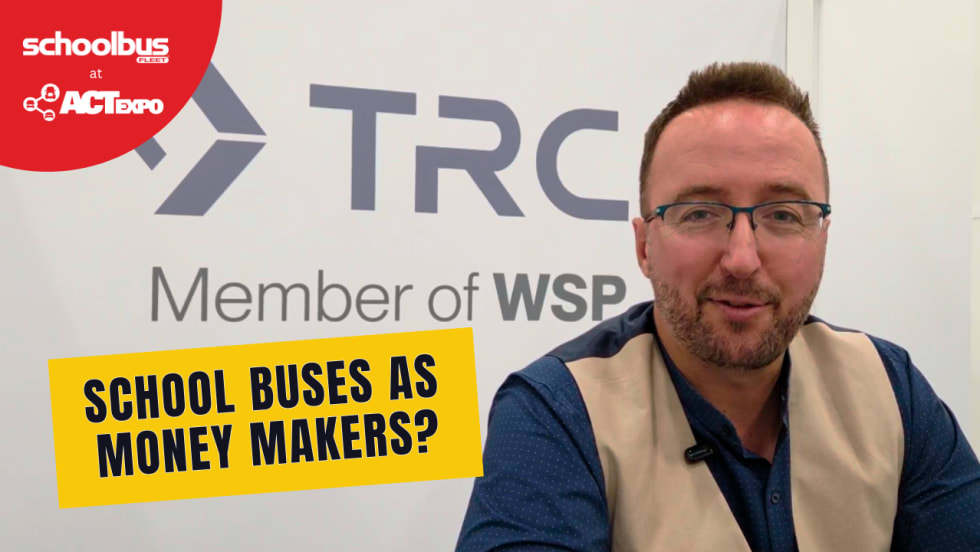
How Incentives, AI, and Energy Markets Are Reshaping School Transportation
Sit down with Joe Annotti of TRC Companies to talk district grant funding, utility challenges, AI, and why school buses are evolving from transportation assets into energy assets.
Read More →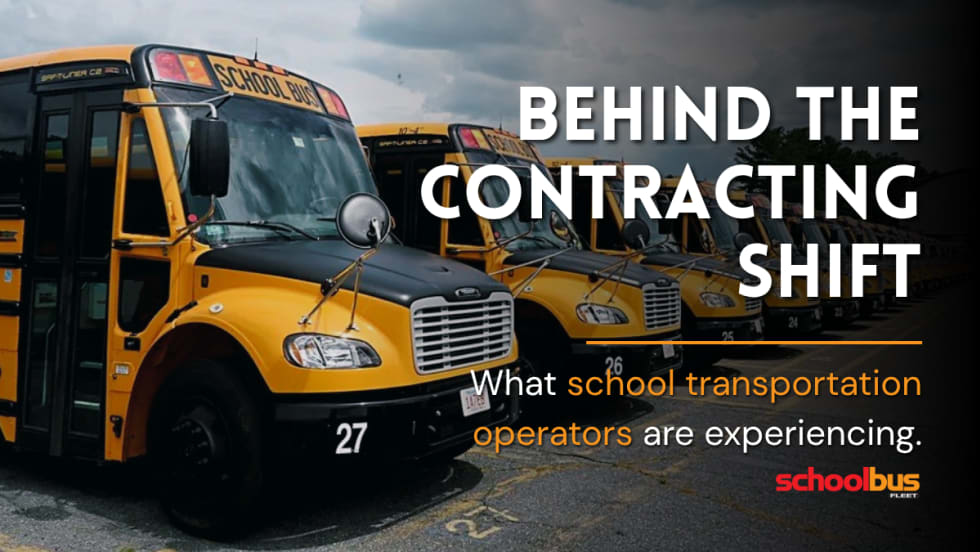
Inside the Contracting Shift: What School Transportation Operators Are Seeing Now
School transportation contractors weigh in on recent trends, costs, driver shortages, and the rise of multimodal student transportation.
Read More →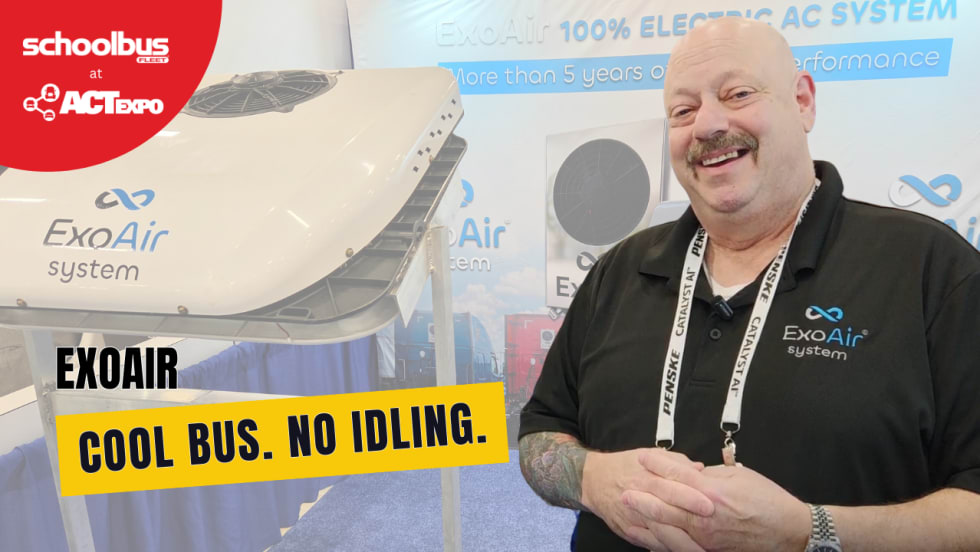
The No-Idling School Bus AC System
Take a peek at ExoAir Systems’ battery-powered cooling solution designed to run for up to 10 hours without the engine on, reducing fuel use and improving comfort for drivers and students.
Read More →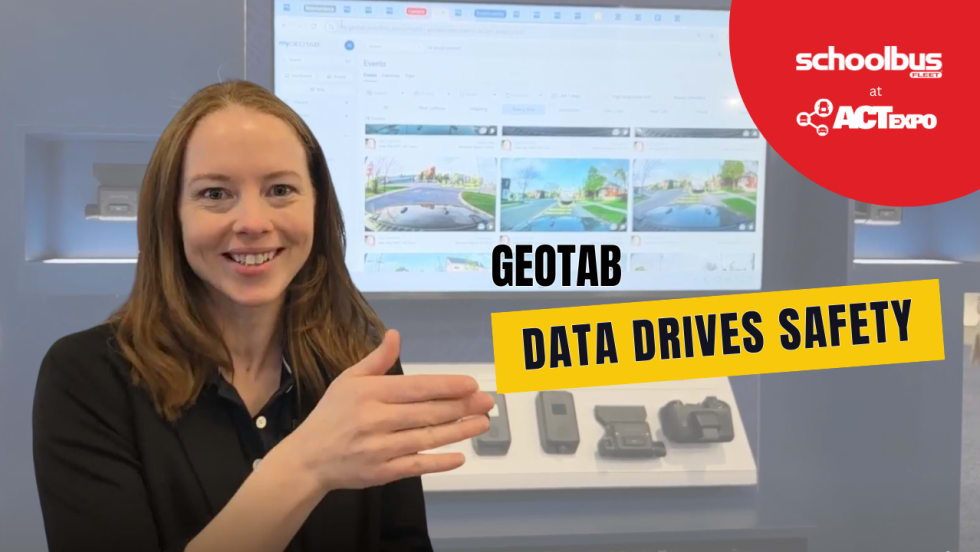
Geotab on Three Major Trends in School Transportation
School bus fleets are becoming more proactive than ever. From AI driver alerts to vehicle-to-grid opportunities, Geotab outlines the biggest technology trends transforming school bus operations.
Read More →
Gatekeeper Lands Major School Bus Deals as Revenue Surges
The video solutions provider announces contracts with Atlanta Public Schools and other fleet operators as it records quarterly revenue growth and expanding subscription business.
Read More →
Building Leaders Who Last: Creating a Successful Mentorship Program in Student Transportation
Discover five strategies for building an effective mentorship program to strengthen leadership development and support staff retention.
Read More →