



Proposed CDL changes don't hit all the marks
Bus drivers are our greatest resource. Of that, there’s no doubt. Over the past decade, however, they’ve been forced to jump through a tan...
Bus drivers are our greatest resource. Of that, there’s no doubt. Over the past decade, however, they’ve been forced to jump through a tangle of bureaucratic hoops (CDL, drug and alcohol testing, criminal background checks and, in some states, physical performance tests) to qualify for a job that few “normal people” would accept even if offered to them with a string of pearls.
But I’m glad that the standards are high and the screening is thorough. My granddaughter will soon be riding the bus to school, and I feel more confident about her safety knowing that her bus driver has been rigorously qualified for a position that embraces such tremendous responsibility.
CDL program shakeup
Now the Federal Motor Carrier Safety Administration (FMCSA) has proposed revisions to the CDL program (as mandated by the Motor Carrier Safety Improvement Act of 1999) that would expand the screening process, strengthen the licensing requirements and toughen the sanctions associated with traffic violations.
These are laudable objectives, but they need careful examination. Some of the proposals strike me as peculiar. For example, CDL holders who are caught driving their commercial vehicles without their license would be guilty of a “serious traffic violation," equivalent to driving without having obtained a license. Even odder, the CDL holder can nullify the violation by showing proof of his CDL before the court date. Why, then, make this a serious violation? (For more information on the proposed rulemaking, see news story in this issue).
But I’m getting sidetracked here. What I want to discuss is FMCSA’s proposal to create a school bus driver endorsement as part of its revised CDL program.
This is where it gets tricky.
On the plus side, a school bus endorsement would help to create a more relevant testing program. A chief complaint about the existing CDL process is that it doesn’t measure school bus-specific knowledge and skills. There’s really no practical use in determining whether a prospective school bus driver can back a truck into a loading dock or knows how to lash down cargo properly (no, I’m not referring to children).
The school bus endorsement proposed in the rulemaking would require applicants to pass a knowledge test that includes topics such as passenger loading and unloading, operation of safety equipment like stop arms and mirror systems, emergency evacuation and rail crossing safety. It would also require a skills test in a school bus of the same vehicle group as the applicant would drive on the job.
What we really need
Even more helpful to the school transportation industry, however, would be the development of a school bus-restricted CDL. This idea has been kicked around for several years, if not decades, and some states, like Connecticut, have implemented CDLs that restrict the holder to school bus operation only.
The point, of course, is to discourage people from using the CDL test preparation offered free by most school districts and contractors as a springboard to a higher-paying job as a truck or transit or motorcoach bus driver. It’s not only unethical on the part of the driver applicant; it also drains the school bus operation hundreds of dollars in training costs.
It’s not entirely clear from the proposed rulemaking if the school bus endorsement would achieve this goal. It does not specifically say whether CDL holders who’ve obtained school bus endorsements and want to switch to driving transit buses would have to pass a skills test in a transit bus. Adding such a restriction could help to reduce the number of people trying to “work the system” for free CDL training.
More Safety
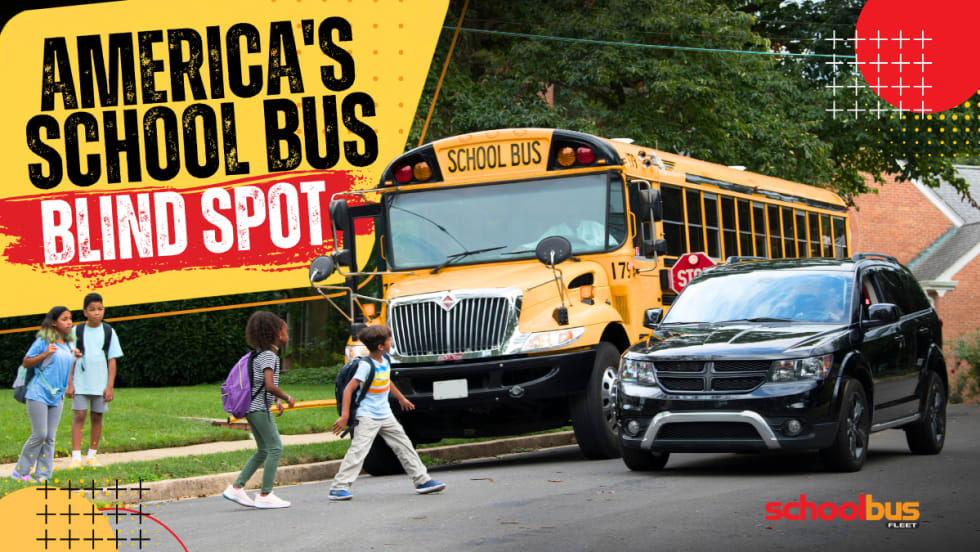
America Has a School Bus Passing Problem — and Distraction Is Making It Worse
Illegal school bus passing remains a major safety threat as distracted driving rises. This op-ed explores why awareness, enforcement, and stop-arm cameras matter more than ever.
Read More →
School Bus Laws to Watch: New York Delays EV Mandate
Plus, federal lawmakers seek new funding for school bus safety as states weigh stop-arm enforcement, disability protections, and education spending.
Read More →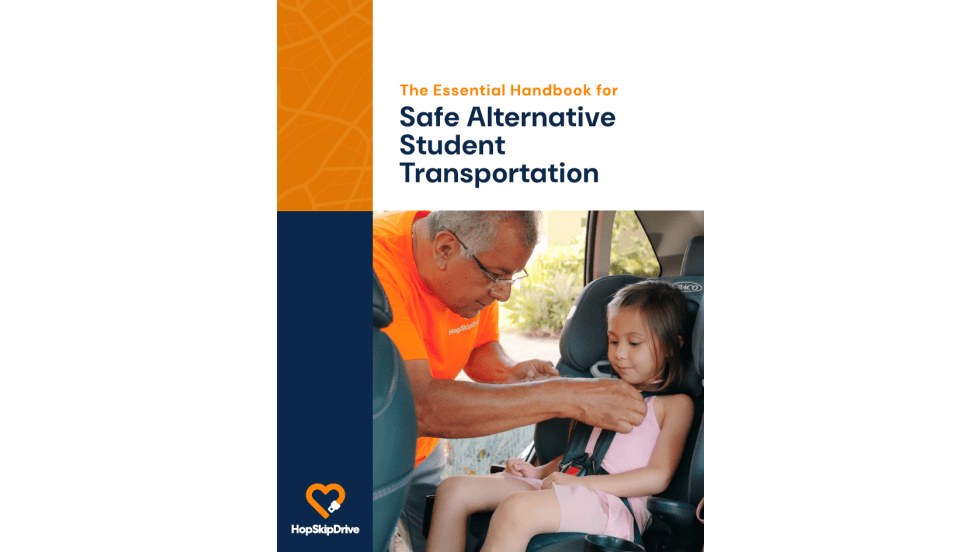
The Essential Handbook for Safe Alternative Student Transportation
Your district's "exception riders" — students with IEPs, those experiencing homelessness, foster care youth — deserve more than a middleman solution. This handbook breaks down exactly what to look for in a supplemental transportation partner: from driver vetting and regulatory compliance to proactive safety technology. Because getting a ride isn't the same as getting a safe one.
Read More →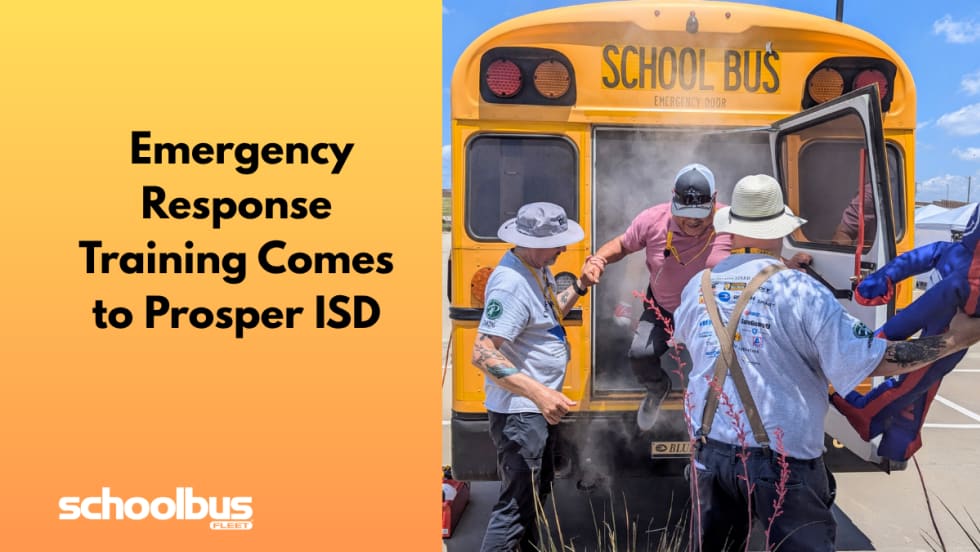
Operation STEER Brings Emergency Response Training to North Texas
Prosper ISD hosted the third annual training for transportation professionals across 67 districts to learn how to respond to emergencies, such as rollovers and evacuations, and proper use of safety equipment.
Read More →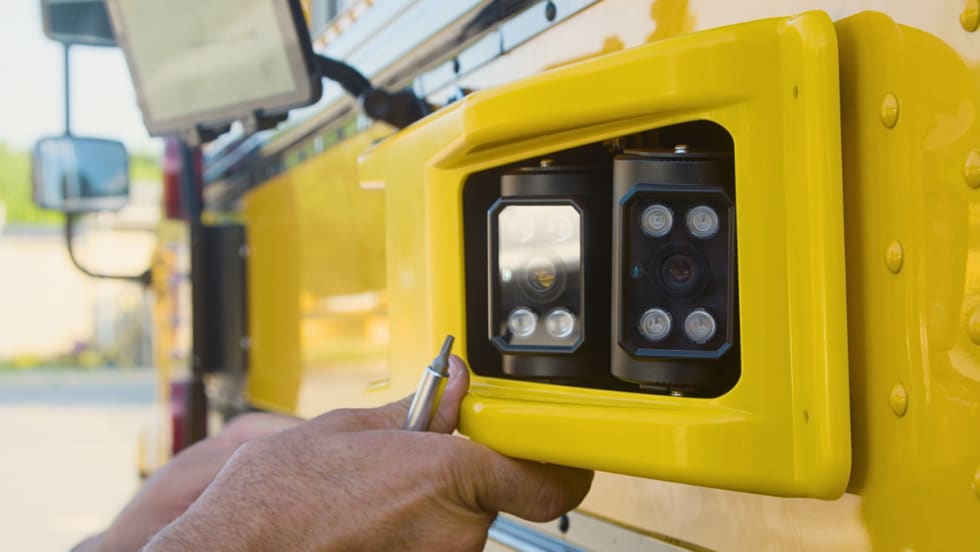
Florida District Relaunches BusPatrol School Bus Camera Program With New Safeguards
After being suspended over due process concerns, Miami-Dade schools and law enforcement are restarting the AI-powered stop-arm camera program with new oversight.
Read More →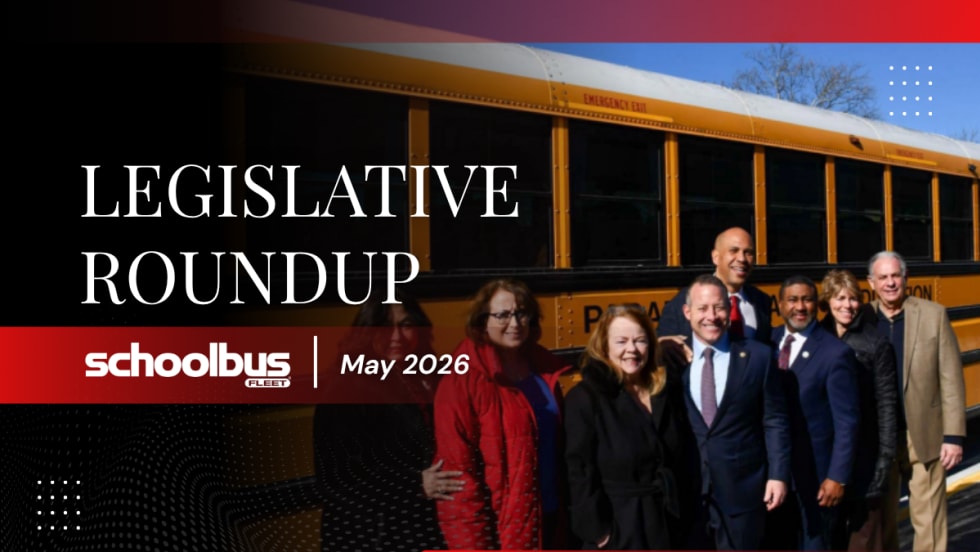
School Bus Laws To Watch: Seat Belt Bills, Funding Fights & EV Changes
From national bills on seat belts and driver oversight to driver awareness campaigns referencing “Finn’s Rule” and ongoing transportation funding debates in Alaska, here’s the latest in school bus legislation across the U.S.
Read More →
9-Year-Old Boy Killed by School Bus at Busy Brooklyn Intersection
A Williamsburg community is mourning after a child was fatally struck by a private yeshiva bus, prompting calls for urgent safety improvements at the high-traffic crossing.
Read More →
Does Reliable School Transportation Boost Attendance? EverDriven’s Data Says Yes
The new data shows 99.99% incident-free trips and strong on-time performance, reinforcing how dependable transportation, especially for vulnerable student populations, can help districts combat chronic absenteeism.
Read More →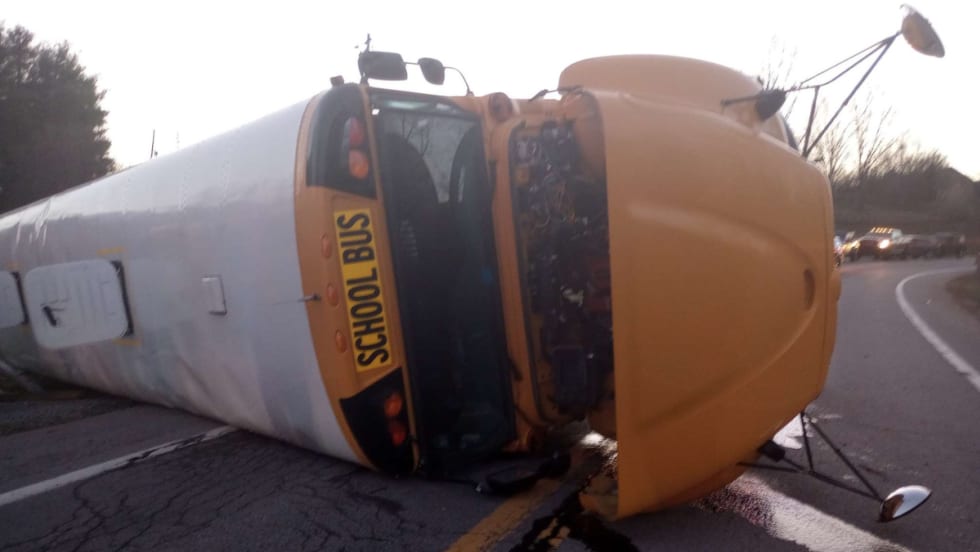
NTSB Calls for Alcohol Impairment Systems, Seat Belts After W.V. Crash Investigation
The federal agency's report asks NHTSA to require all new school buses to be equipped with vehicle-integrated alcohol detection systems and passenger lap-shoulder belts.
Read More →
2026 State of Student Transportation Report
Student transportation teams are being asked to do more with less, facing driver shortages, rising costs, and increasing safety expectations. This report uncovers how fleets are adapting, where technology is making the biggest impact, and why student ridership tracking is emerging as a top priority. Download the report to explore the key trends shaping 2026 and what they mean for your operation.
Read More →