




Propane Type A buses delivered to Oregon district
Portland Public Schools is running five NexBus units from Collins Bus Corp. that are powered by the alternative fuel. The manufacturer says that the buses exhibit excellent cold-weather starting and have a range of 300 miles.

PORTLAND, Ore. — Portland Public Schools began running its first propane-powered Type A school buses in October. The five buses were manufactured by Collins Bus Corp. and delivered to the district by the manufacturer’s Oregon-based distributor, Western Bus Sales.
“Portland Public Schools started using propane buses in 1983 because of concerns about increasing conventional fuel prices and stricter air quality regulations,” said Portland Interim Director of Student Transportation Andy Leibenguth. “Today, virtually all of our 325-plus district-owned and contracted buses run on propane. Up to now, our small buses were not available directly from a manufacturer — they had to be converted to propane by local vendors after purchase. We are thrilled that Collins and Western Bus Sales now offer Type A school buses with dedicated propane engines.”
The Collins’ NexBus propane-powered Type A unit is built on a dual rear-wheel General Motors chassis. It exhibits excellent cold-weather starting, has a range of 300 miles and is available in capacities of up to 32 passengers, according to the company. The buses delivered to Portland Public Schools are 18-passenger models.
“We applaud Portland Public Schools for being among the first in the country to recognize the operational and environmental benefits of propane-fueled vehicles. They continue to set a powerful example for students and the community with their smart, responsible transportation choices,” said Kent Tyler, president of Collins Bus Corp. “Collins Bus is committed to providing our customers with cost-effective, alternative-fuel solutions straight from the factory where safety, reliability and quality are built in from the ground up. With partners like Western Bus Sales, Collins is uniquely positioned to serve the alternative-fuel needs of environmentally-conscious school districts, contractors and government customers throughout North America.”
The advantages of liquid propane-fueled buses have been well documented by Portland Public Schools and other school districts across the country. Some of the benefits are:
• The average fuel cost can be up to 50 percent less than gasoline or diesel.
• Vehicles fueled by propane require less maintenance and last almost twice as long as those powered by conventional fuel.
• Propane burns cleaner than gasoline or diesel, with up to 20 percent less nitrogen oxide, up to 60 percent less carbon monoxide, 24 percent fewer greenhouse gas emissions and fewer particulate emissions than gasoline.
• Propane meets all federal safety standards and propane tanks are 20 times as puncture resistant as gasoline tanks.
• Propane is readily available. In addition to existing private fleet fueling arrangements, there are hundreds of public refueling stations for propane in Portland.
In addition to propane-powered buses, Collins Bus Corp. also produces the NexBus hybrid, which runs on hybrid-electric technology. For more information about Collins’ alternative-fuel transportation solutions, visit www.collinsbuscorp.com.
More Alternative Fuels

CALSTART and Forth Combine to Form Catalyst Mobility
The new name represents a renewed vision for the nonprofit focused on advancing clean, equitable, and affordable transportation solutions that move people and goods.
Read More →
Alt-Fuel Moves: New Buses, Charging Hubs & Real-World EV Testing
Propane and electric school bus deployments continue to grow as districts add new vehicles, expand charging infrastructure, and gather more real-world operating data.
Read More →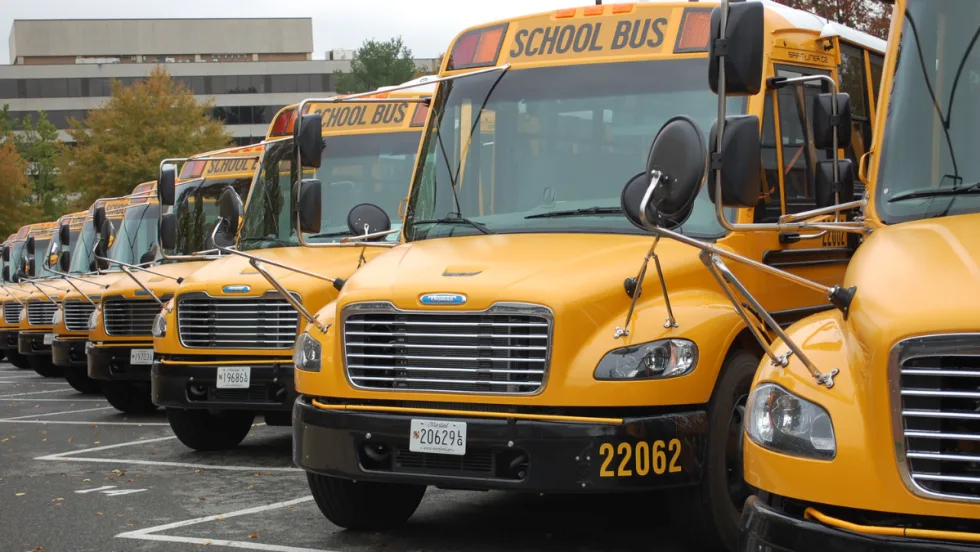
Fewer Electric School Bus Models Reshape the U.S. Market
WRI’s latest buyer’s guide points to a consolidating electric school bus market, but fewer options may reflect a maturing industry rather than fewer meaningful choices for school bus operators.
Read More →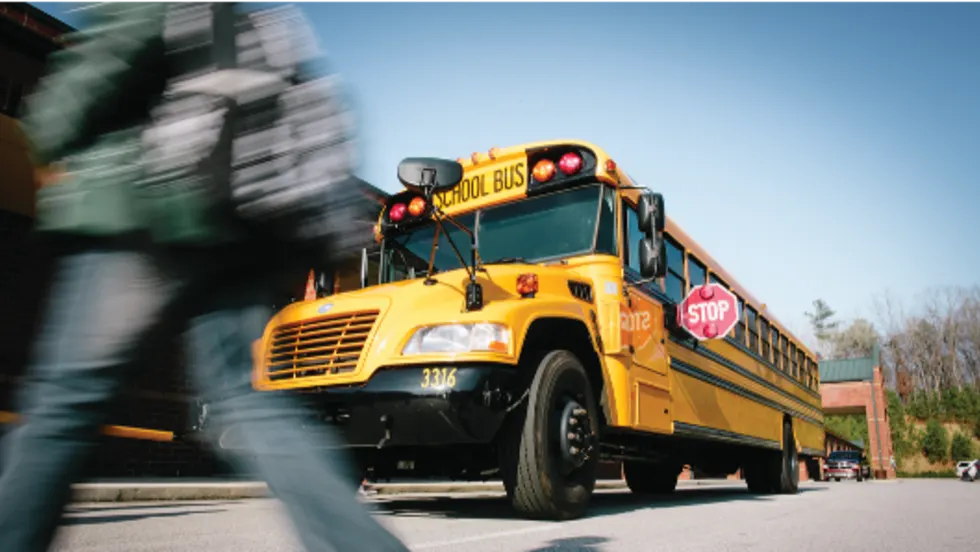
The Fuel Budget You Can Actually Predict: How Propane Autogas Keeps Money in the Classroom
Learn how propane autogas helps school districts manage fuel costs with predictable pricing, lower maintenance, and reduced emissions from former transportation director Joel Stutheit.
Read More →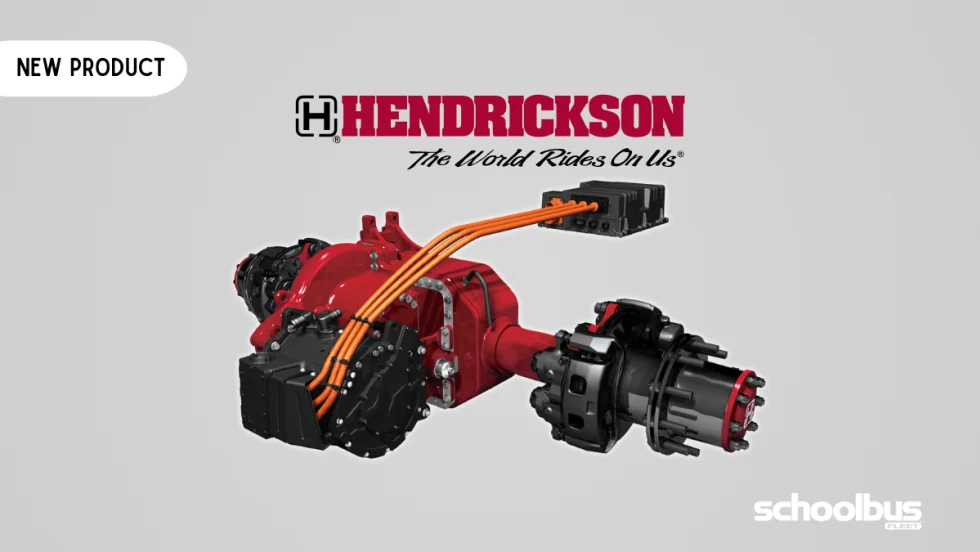
Hendrickson, Driventic Introduce New Electric Powertrain for School Buses
ELECTRAAX, the electrified, lightweight drive axle offers integrated ePowertrain efficiency and modular flexibility for Class 6–7 school bus use.
Read More →
The Mobility House Joins PowerFlex in Fleet Electrification Deal
The acquisition combines intelligent charging software, bidirectional charging expertise, and fleet electrification services to support the growing adoption of electric school buses across North America.
Read More →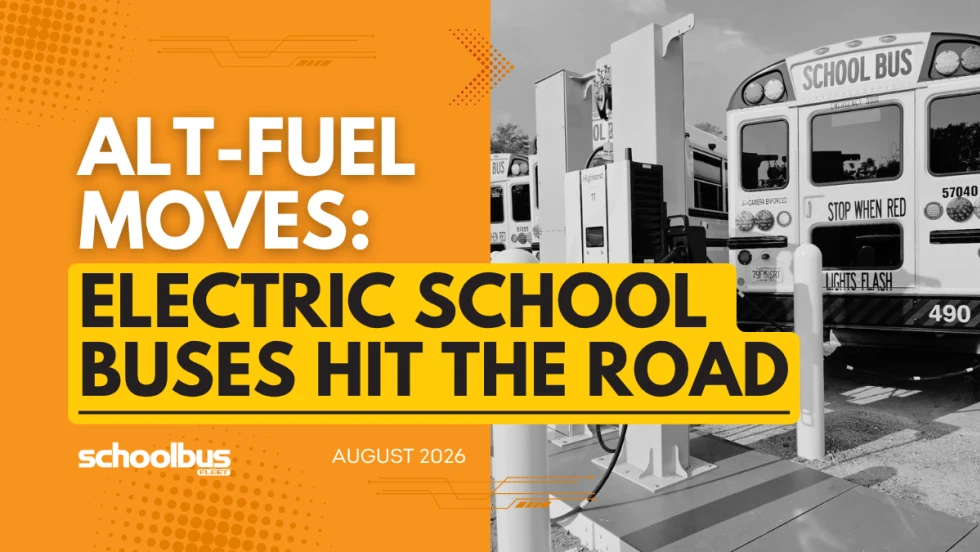
Alt-Fuel Moves: Electric School Bus Investments Hit the Road
See which districts across the U.S. are putting electric school buses into service, expanding charging infrastructure, and planning the next phase of fleet electrification.
Read More →
With Fuel Volatility Ahead, School Districts Turn to Propane
While diesel prices peaked above $5 this spring, districts with propane autogas-powered fleets paid under $2 per gallon, according to PERC.
Read More →
EPA Unveils Proposed Changes to 2027 Heavy-Duty Engine Rules
The federal agency has proposed changes to next year’s targets that would eliminate DEF derates, ease warranty requirements, and retain current NOx emissions standards.
Read More →
Alt-Fuel Moves: EV Charging & Infrastructure Projects Gain Momentum
The latest developments include new funding, charging infrastructure, utility investments, and fleet technologies designed to support the transition to electric school buses nationwide.
Read More →