



Webasto, ESW integrate pollution-control technologies
Webasto Product North America’s engine-off heaters and ESW Group’s diesel particulate filters together can help to reduce vehicle exhaust emissions and the need to idle, company officials say. They also say that the combined technologies can help fleet owner/operators to obtain Diesel Emission Reduction Act funding for emission-control and idle-reduction equipment.

Webasto Product North America and ESW Group are integrating two technologies that officials said will give fleets and municipalities the opportunity to obtain Diesel Emission Reduction Act funding for emission-control and idle-reduction equipment.
Webasto is a manufacturer of fuel-operated heaters that help to eliminate the need to idle for engine pre-heat.
Officials said the high-efficiency heaters provide many benefits to fleets and their owner/operators, including fuel savings, reduced engine wear, driver comfort and safety, in addition to helping them comply with anti-idling regulations.
ESW Group’s diesel particulate filter system removes particulate matter from the exhaust gas of diesel engines.
“The synergy that is realized from combining the two technologies creates a truly green vehicle,” Webasto National Sales Manager Kurt Van Portfliet said. “We are addressing overall emissions to create mission readiness while the vehicle is moving through its normal duty cycle.”
The EPA awards funding for diesel emission-reduction projects through grants that are reviewed by the National Clean Diesel Funding Assistance Program. The grants fund projects that reduce emissions from existing diesel engines through various strategies, including emission-control and idle-reduction technologies. Webasto’s engine-off heaters and ESW Group’s diesel particulate filters are “a perfect fit” for these grants, according to the companies.
Organizations that are eligible for the funding include regional, state and local agencies or port authorities with jurisdiction over transportation or air quality.
Nonprofit organizations that provide pollution-reduction or educational services to organizations that own or operate diesel fleets, such as school districts, municipalities, cities and counties are also eligible for these grants.
“The Webasto and ESW product integration provides fleets with great advantages in rough environments,” said Duane Bratvold, director of customer and product support, ESW. “It eliminates cold starts, reduces soot at start-up and reduces frequency of regeneration. Our goal is to help fleets become green, which, in turn, helps the communities where they operate.”
More Alternative Fuels
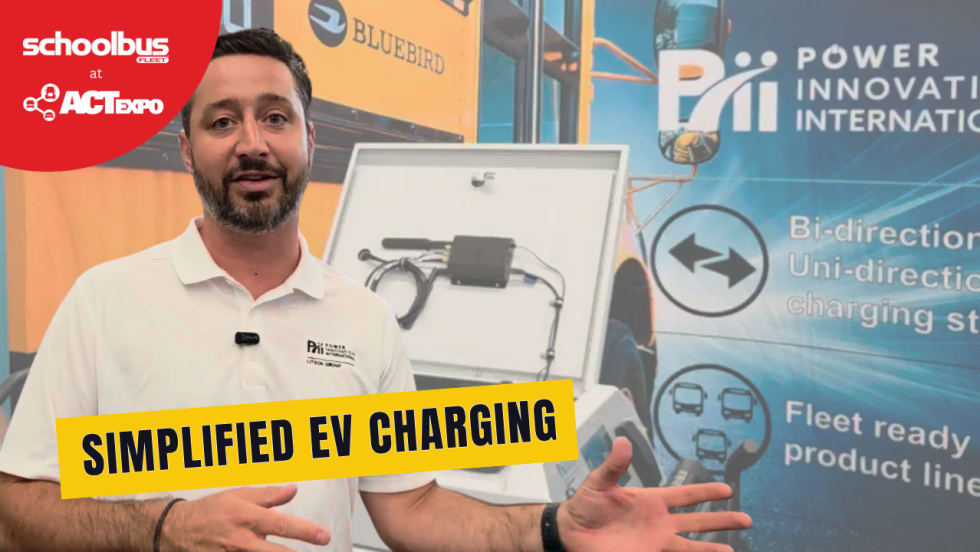
A Solution Helping School Buses Charge Without Major Infrastructure Upgrades
Power Innovations International dishes on its EV charging technology designed to reduce infrastructure barriers, improve reliability, and support V2G applications for school bus fleets.
Read More →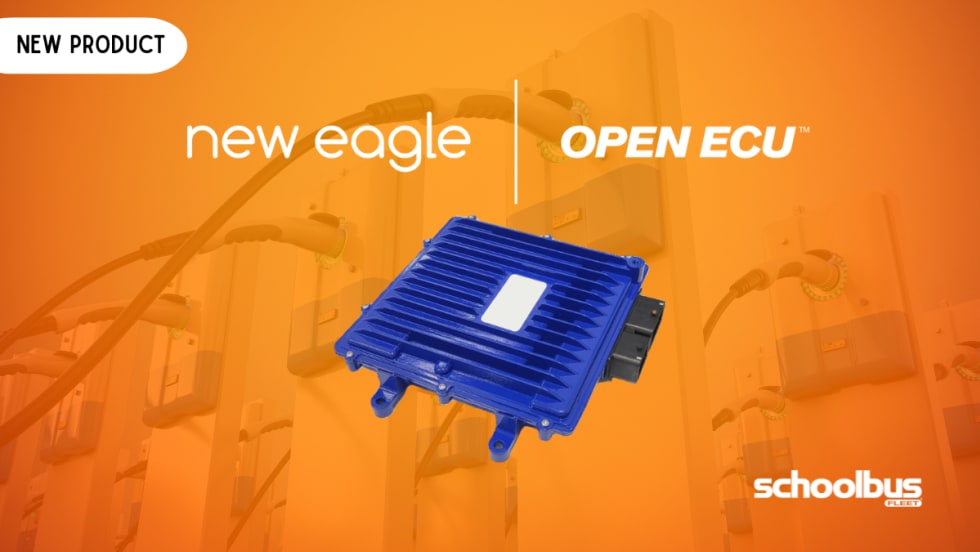
New Eagle Launches All-in-One EV Control Platform
The new OpenECU NX3 platform integrates charging and vehicle controls into a single platform, with support for megawatt charging and vehicle-to-grid technologies.
Read More →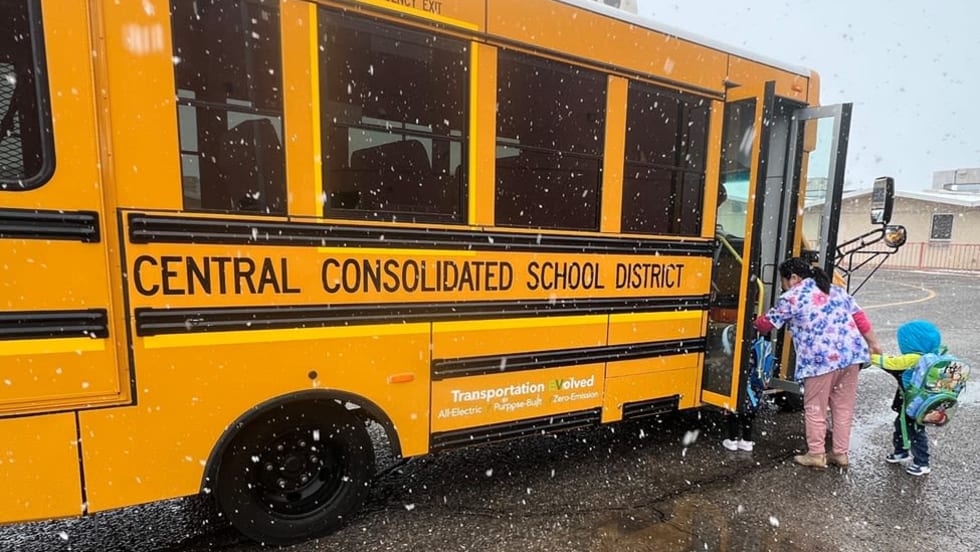
GreenPower Unveils New Heating Solution for Type A Bus
The all-electric bus manufacturer's new product aims to eliminate cold-cabin issues on its Nano BEAST zero-emission school buses operating in cold climates.
Read More →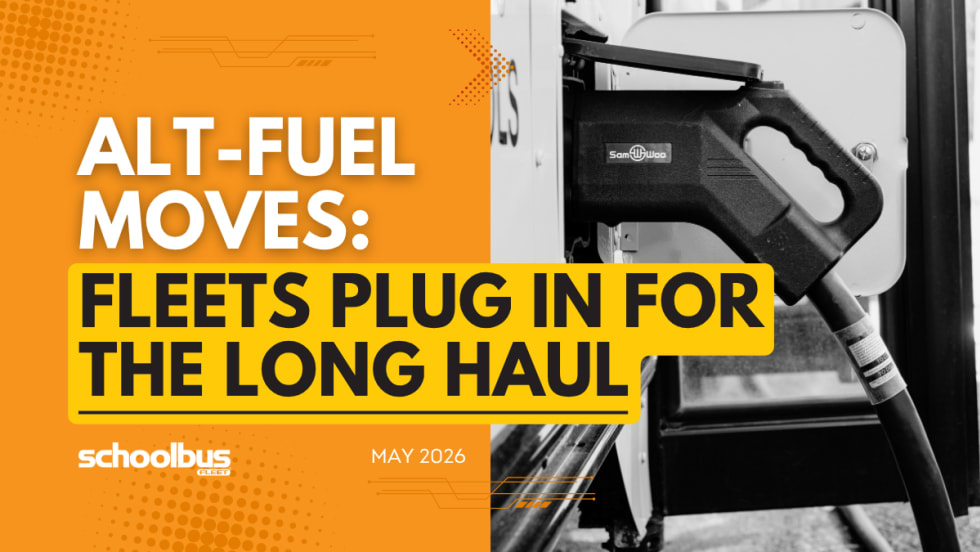
Alt-Fuel Moves: Fleets Plug In for the Long Haul
School districts across the U.S. are moving electric school bus plans into operation, with new fleet deployments, charging infrastructure, and long-term electrification partnerships taking shape.
Read More →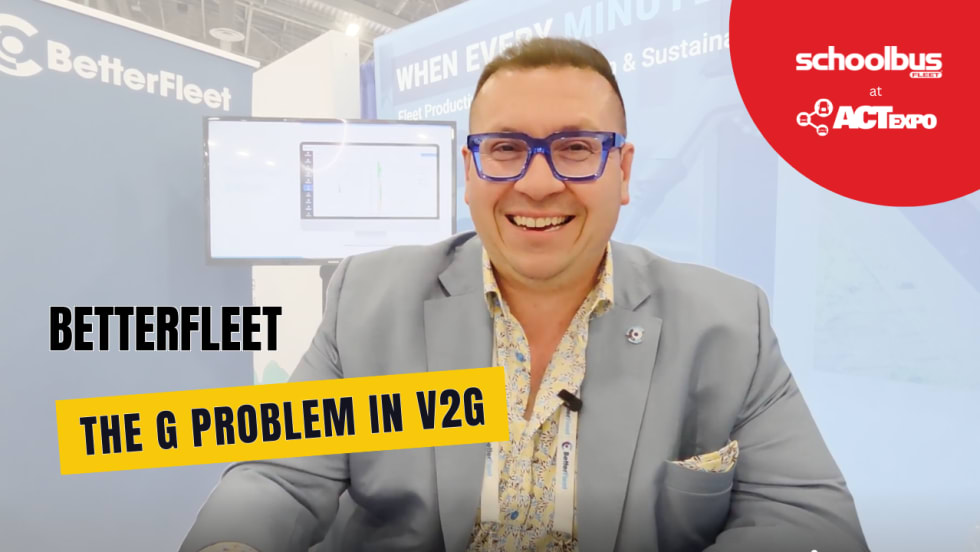
The Achilles Heel of School Bus Electrification: BetterFleet’s Take
BetterFleet’s managing partner discusses AI-powered EV fleet management, vehicle-to-grid challenges, and the real challenges in bus electrification today, from ACT Expo.
Read More →
You're On Your Own to Pick a Drivetrain [Op-Ed]
After years of federal pressure toward electric school buses, districts are suddenly being told to choose their own path. Let’s explore the risks, realities, and politics behind school bus drivetrain decisions.
Read More →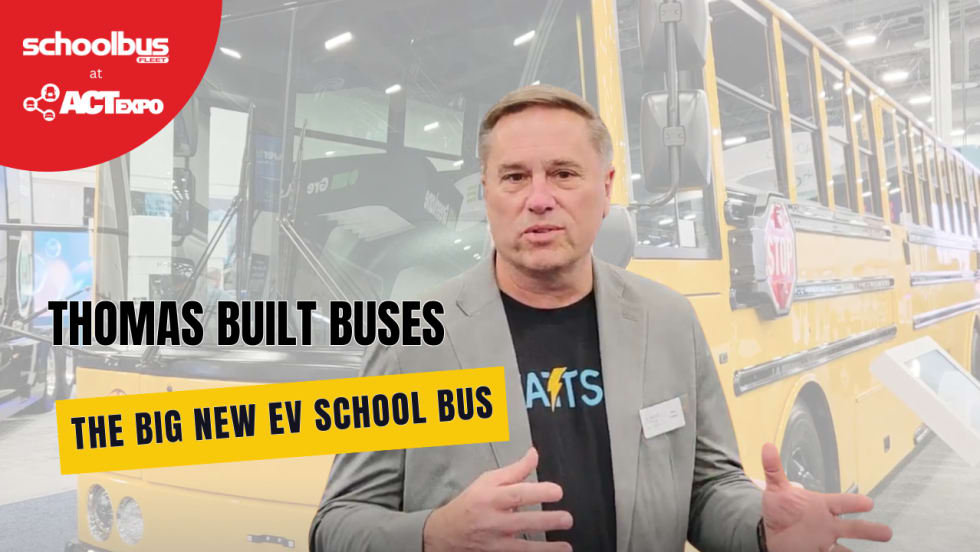
Wattson: Thomas Built’s Largest EV School Bus Yet
Check in with Mark Childers on the new Wattson Type D electric school bus, featuring faster charging, expanded passenger capacity, and advanced safety technology.
Read More →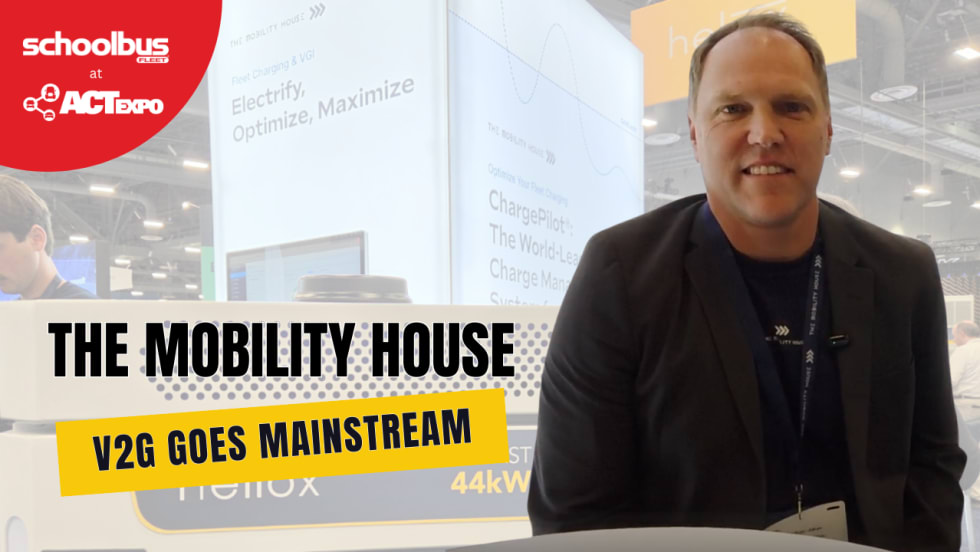
The New Era of Electric School Buses: V2G, Bidirectional Chargers & More
The Mobility House discusses AI-powered charging, vehicle-to-grid technology, smart energy management, and the next phase of school bus electrification.
Read More →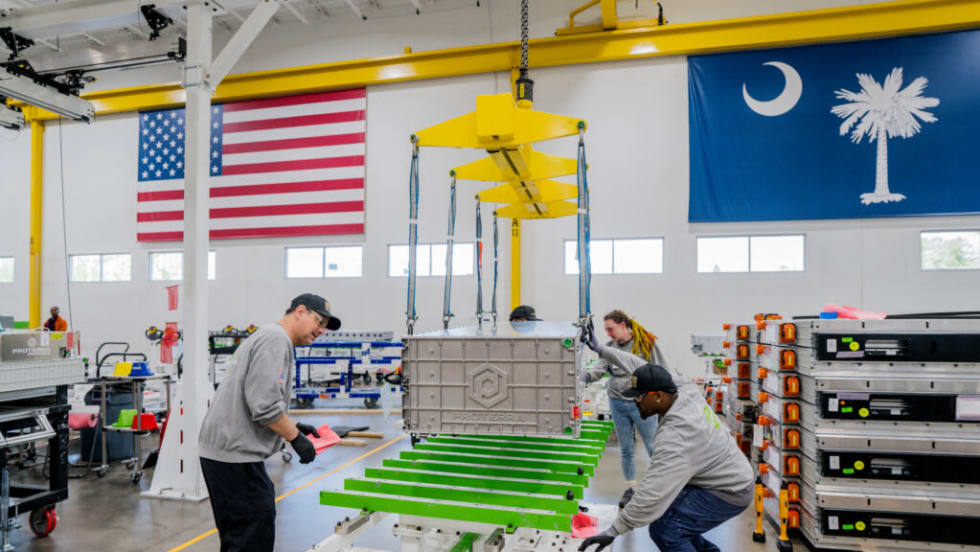
Now Made in America: Proterra Turns to U.S.-Built EV Batteries
Proterra announced a new U.S.-sourced battery cell option for its Onyx platform, boosting domestic content by more than 600% and strengthening EV supply chain resilience for commercial vehicle OEMs.
Read More →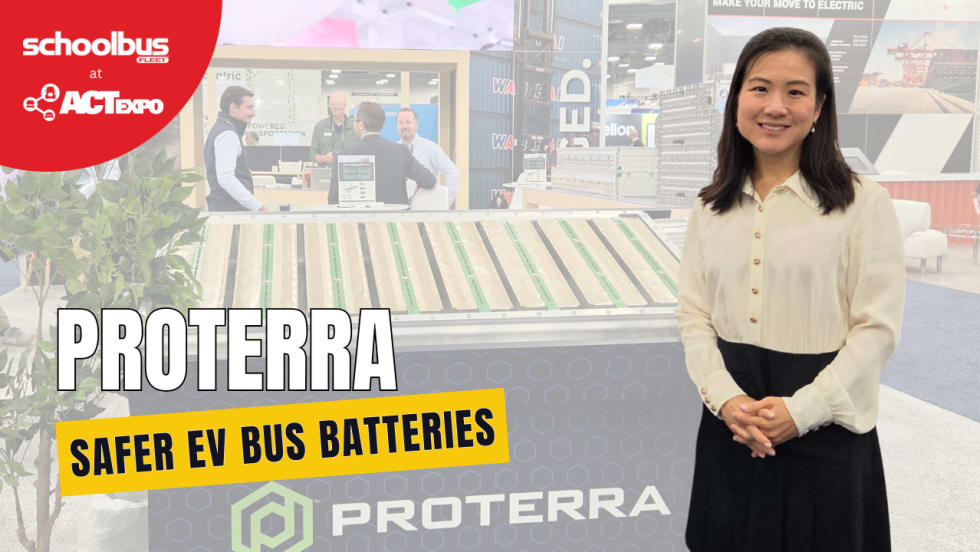
A Look at the Battery Technology Powering Electric School Buses
Check in with Proterra on next-generation EV battery technology for school buses, including safety innovations, predictive diagnostics, EPA 2027 readiness, and the future of transportation from ACT Expo.
Read More →