



$20M offered for clean diesel projects
This is the first grant competition since the Diesel Emission Reduction Program was reauthorized in 2011. Projects can reduce air pollution from older school buses, among other vehicles.

WASHINGTON, D.C. — Up to $20 million in grants is available for projects aimed at reducing pollution from the nation's existing fleet of diesel engines, the U.S. EPA announced on Friday.
In addition to these FY 2012 grants, approximately $9 million will be available through direct state allocations. The EPA estimates that for every $1 spent on clean diesel funding, up to $13 of public health benefit is realized.
"Technology has evolved to make diesel engines more efficient and cleaner than ever," said Gina McCarthy, assistant administrator for the EPA’s Office of Air and Radiation. "These grants enable owners of older diesel vehicles to make investments that modernize their vehicles while making the air in their communities cleaner and healthier to breathe.”
This is the first competition since the Diesel Emission Reduction Program (also known as DERA) was reauthorized in 2011. The program cleans up existing diesel vehicles by targeting projects that utilize the most cost-effective clean diesel strategies. By reducing diesel emissions in areas that have significant air quality issues, the program can have a direct impact on community health, officials said.
The EPA has standards in place that make new diesels more than 90 percent cleaner. However, older diesels that predate these standards emit large amounts of air pollutants, such as nitrogen oxides and particulate matter. Nearly 11 million older diesels still operate throughout the nation's transportation system.
States, tribes, local governments and non-profits are eligible to apply for the grants. Projects can reduce air pollution from older school buses, transit buses, heavy-duty diesel trucks, marine engines, locomotives and other diesel engines. The closing date for receipt of proposals is June 4, 2012.
DERA was enacted in 2005. Since it was first funded in FY 2008, the EPA has awarded more than 500 grants nationwide. Officials said that these projects have reduced hundreds of thousands of tons of air pollution and saved millions of gallons of fuel.
For request for proposals forms and related documents, go here.
More Alternative Fuels
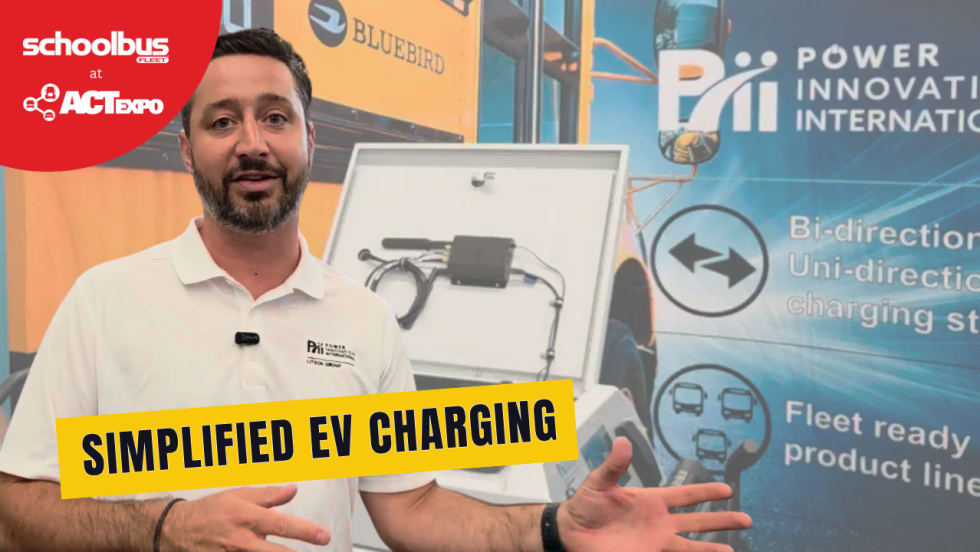
A Solution Helping School Buses Charge Without Major Infrastructure Upgrades
Power Innovations International dishes on its EV charging technology designed to reduce infrastructure barriers, improve reliability, and support V2G applications for school bus fleets.
Read More →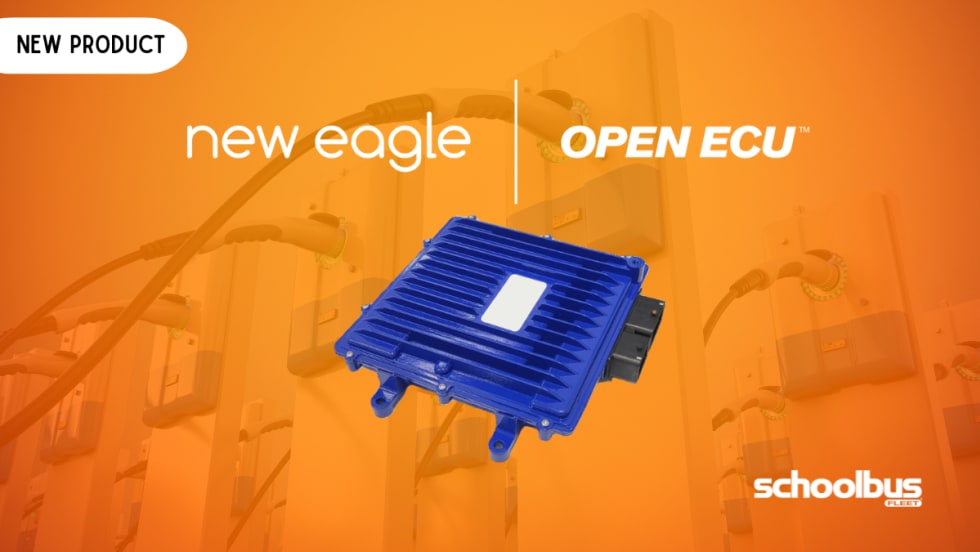
New Eagle Launches All-in-One EV Control Platform
The new OpenECU NX3 platform integrates charging and vehicle controls into a single platform, with support for megawatt charging and vehicle-to-grid technologies.
Read More →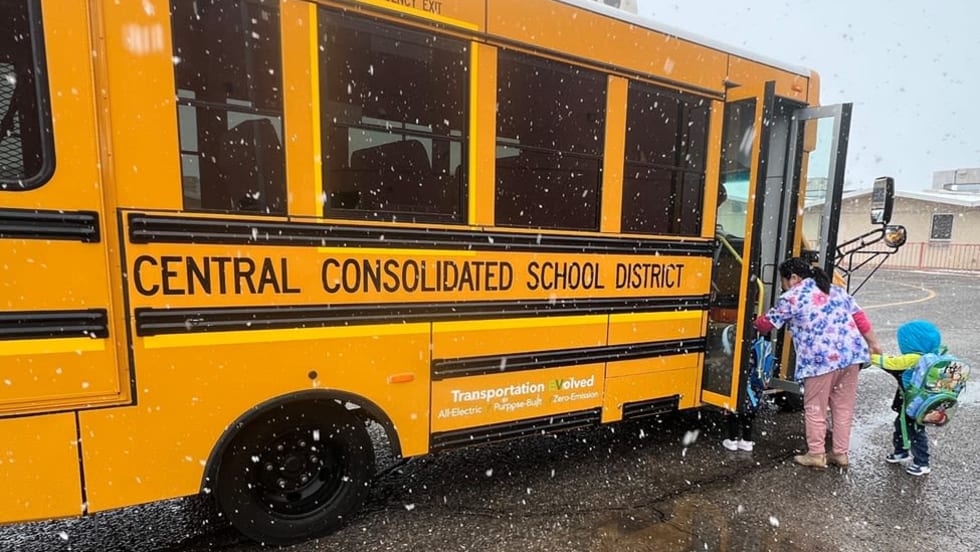
GreenPower Unveils New Heating Solution for Type A Bus
The all-electric bus manufacturer's new product aims to eliminate cold-cabin issues on its Nano BEAST zero-emission school buses operating in cold climates.
Read More →
Alt-Fuel Moves: Fleets Plug In for the Long Haul
School districts across the U.S. are moving electric school bus plans into operation, with new fleet deployments, charging infrastructure, and long-term electrification partnerships taking shape.
Read More →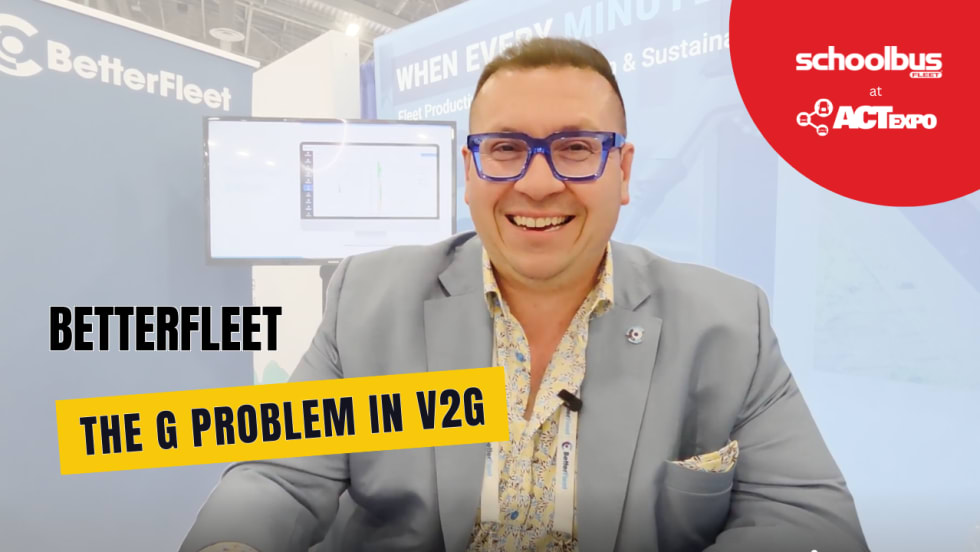
The Achilles Heel of School Bus Electrification: BetterFleet’s Take
BetterFleet’s managing partner discusses AI-powered EV fleet management, vehicle-to-grid challenges, and the real challenges in bus electrification today, from ACT Expo.
Read More →
You're On Your Own to Pick a Drivetrain [Op-Ed]
After years of federal pressure toward electric school buses, districts are suddenly being told to choose their own path. Let’s explore the risks, realities, and politics behind school bus drivetrain decisions.
Read More →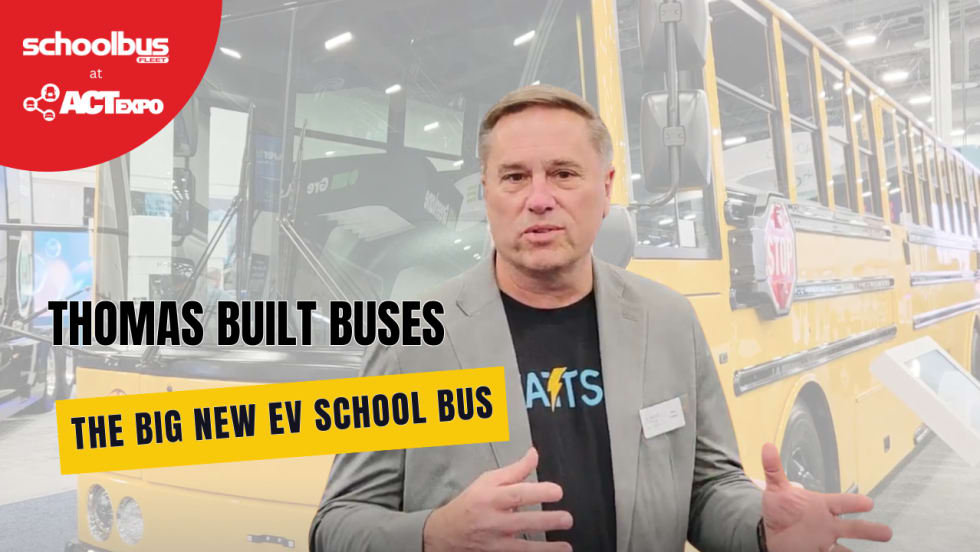
Wattson: Thomas Built’s Largest EV School Bus Yet
Check in with Mark Childers on the new Wattson Type D electric school bus, featuring faster charging, expanded passenger capacity, and advanced safety technology.
Read More →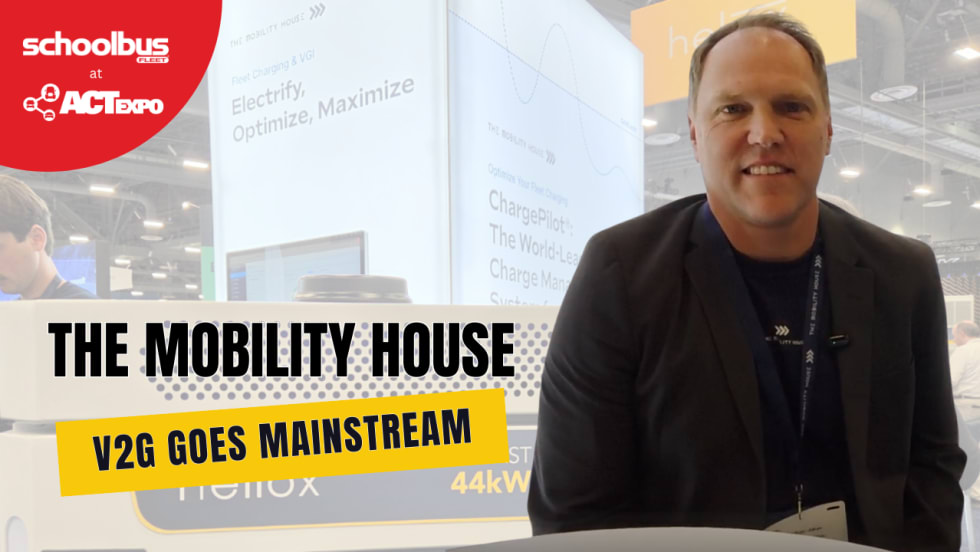
The New Era of Electric School Buses: V2G, Bidirectional Chargers & More
The Mobility House discusses AI-powered charging, vehicle-to-grid technology, smart energy management, and the next phase of school bus electrification.
Read More →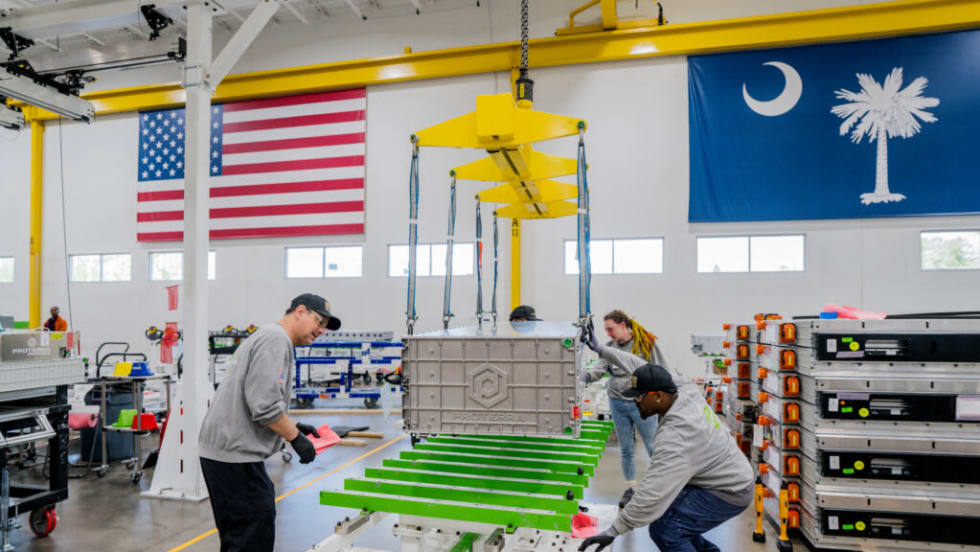
Now Made in America: Proterra Turns to U.S.-Built EV Batteries
Proterra announced a new U.S.-sourced battery cell option for its Onyx platform, boosting domestic content by more than 600% and strengthening EV supply chain resilience for commercial vehicle OEMs.
Read More →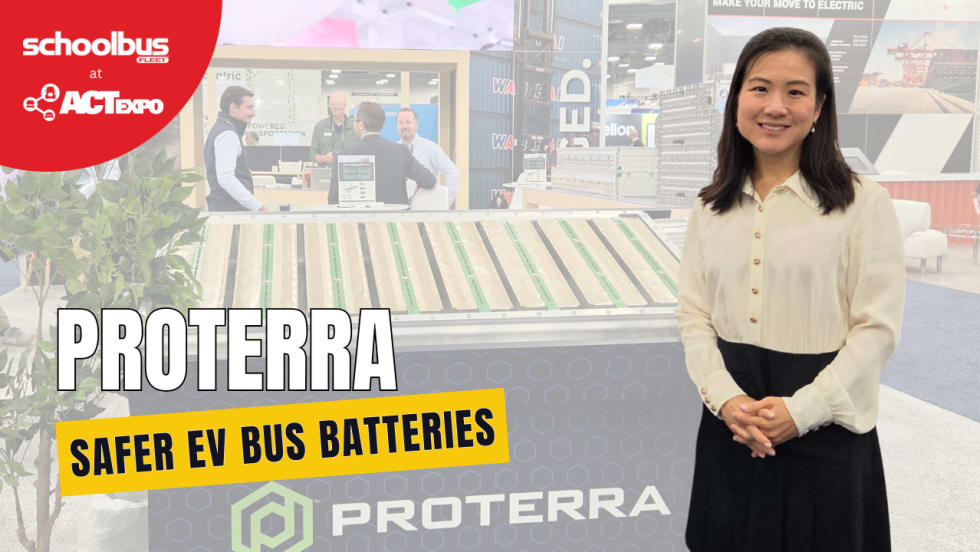
A Look at the Battery Technology Powering Electric School Buses
Check in with Proterra on next-generation EV battery technology for school buses, including safety innovations, predictive diagnostics, EPA 2027 readiness, and the future of transportation from ACT Expo.
Read More →