



Ore. district sees cost savings from propane buses
Portland Public Schools operates some of its own buses and also contracts with First Student — eighty percent of all the buses are powered by the fuel. Officials say the propane units run up to 30,000 miles longer than buses fueled by gasoline, resulting in lower maintenance costs, and the district expects to see a 50-percent savings in fuel costs.

PORTLAND, Ore. — Portland Public Schools (PPS) is reportedly seeing cost savings as a result of running many of the buses in its fleet on propane.
The district began exploring alternative fuels in the 1980s because of high gas prices and clean air regulations. In 1983, PPS converted several buses to run on propane and found that it was more cost-effective than conventional fuels and burned cleaner, resulting in less engine maintenance and reduced emissions. Shortly thereafter, the district converted most of its buses to run on the fuel.
PPS currently operates some of its own buses and contracts with First Student to provide additional transportation services. Eighty percent of all the buses are fueled by propane.
(As SBFpreviously reported, the district began running its first propane-powered Type A school buses from Collins Bus Corp. in October 2010.)
In terms of maintenance benefits, PPS’ Fleet Maintenance Supervisor Melvin Philbrook said that the propane-powered buses run up to 30,000 miles longer than buses fueled by gasoline.
The district is also saving through lower fuel costs. “PPS’ projections for 2012 show a 50-percent savings for its propane autogas purchases when compared to those for gasoline,” added Andy Leibenguth, transportation director for the district.
Within the next several years, the school district expects its contracted bus provider to buy a considerable number of new buses, all of which will be factory-built to run on propane. Leibenguth said First Student is expecting delivery of 90 propane-powered NexBus units from Collins Bus Corp.
PPS also began installing upgraded fuel dispensing equipment to support its onsite refueling infrastructure. The new station will allow two buses to be fueled at once and will track miles per gallon for each bus, as well as district fuel cost savings.
More Alternative Fuels
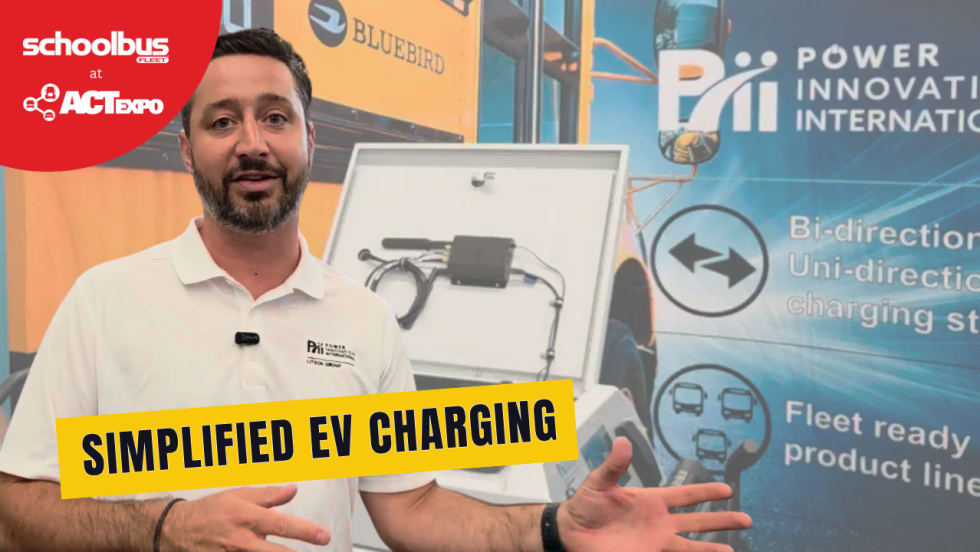
A Solution Helping School Buses Charge Without Major Infrastructure Upgrades
Power Innovations International dishes on its EV charging technology designed to reduce infrastructure barriers, improve reliability, and support V2G applications for school bus fleets.
Read More →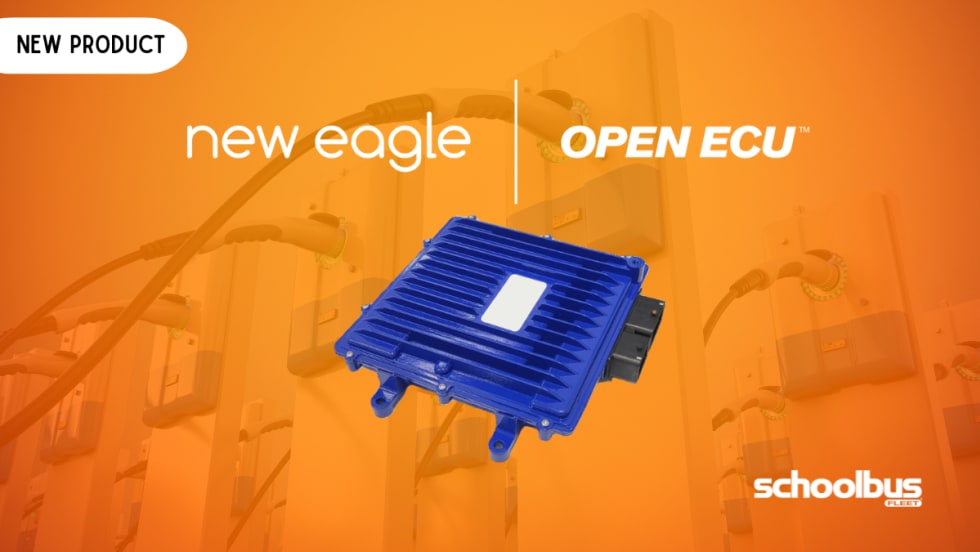
New Eagle Launches All-in-One EV Control Platform
The new OpenECU NX3 platform integrates charging and vehicle controls into a single platform, with support for megawatt charging and vehicle-to-grid technologies.
Read More →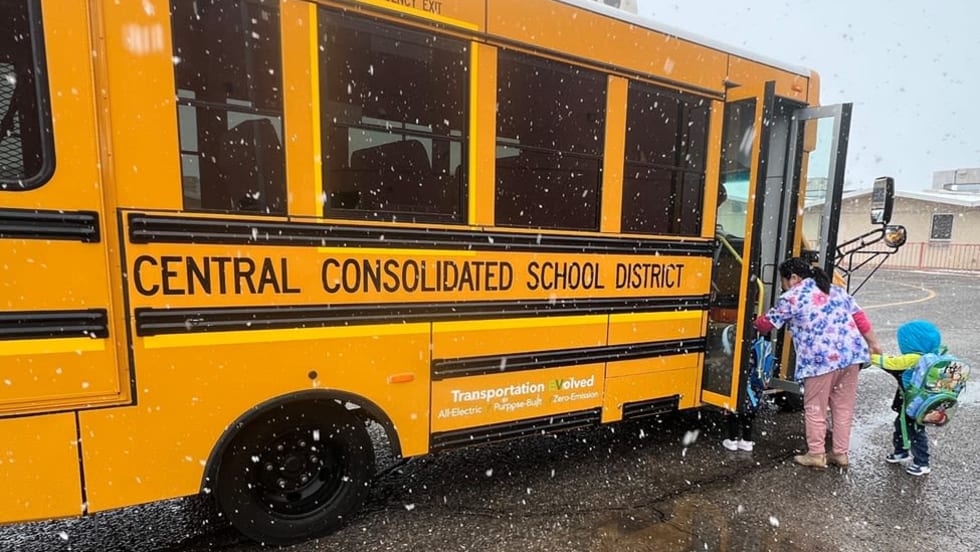
GreenPower Unveils New Heating Solution for Type A Bus
The all-electric bus manufacturer's new product aims to eliminate cold-cabin issues on its Nano BEAST zero-emission school buses operating in cold climates.
Read More →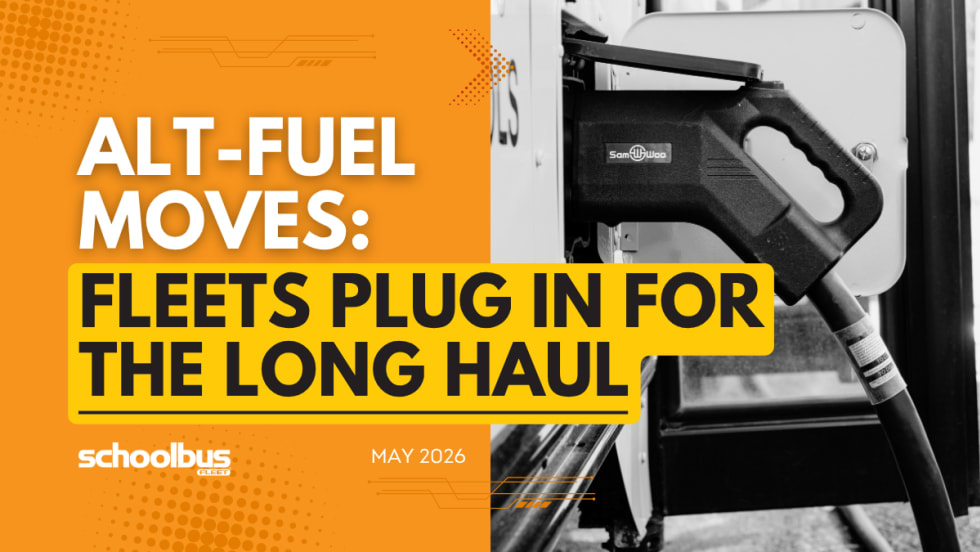
Alt-Fuel Moves: Fleets Plug In for the Long Haul
School districts across the U.S. are moving electric school bus plans into operation, with new fleet deployments, charging infrastructure, and long-term electrification partnerships taking shape.
Read More →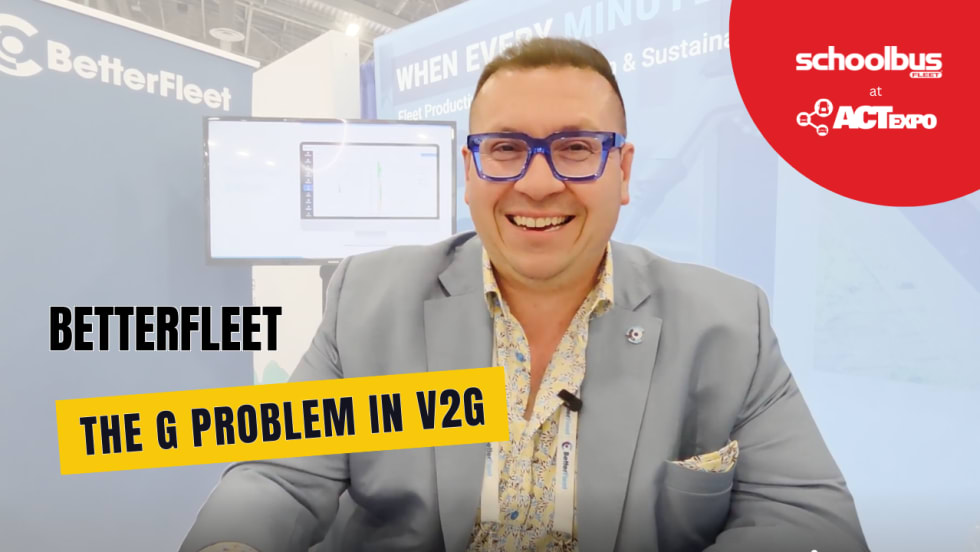
The Achilles Heel of School Bus Electrification: BetterFleet’s Take
BetterFleet’s managing partner discusses AI-powered EV fleet management, vehicle-to-grid challenges, and the real challenges in bus electrification today, from ACT Expo.
Read More →
You're On Your Own to Pick a Drivetrain [Op-Ed]
After years of federal pressure toward electric school buses, districts are suddenly being told to choose their own path. Let’s explore the risks, realities, and politics behind school bus drivetrain decisions.
Read More →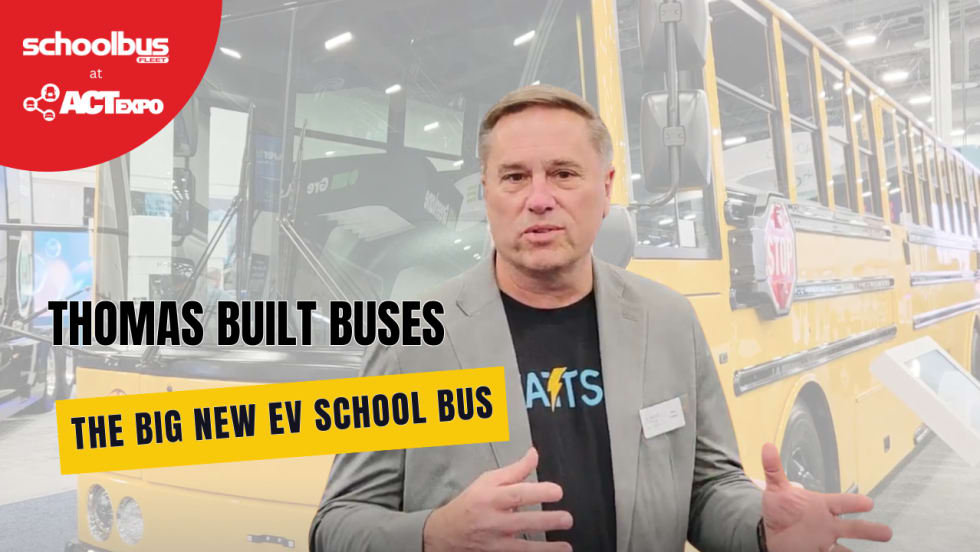
Wattson: Thomas Built’s Largest EV School Bus Yet
Check in with Mark Childers on the new Wattson Type D electric school bus, featuring faster charging, expanded passenger capacity, and advanced safety technology.
Read More →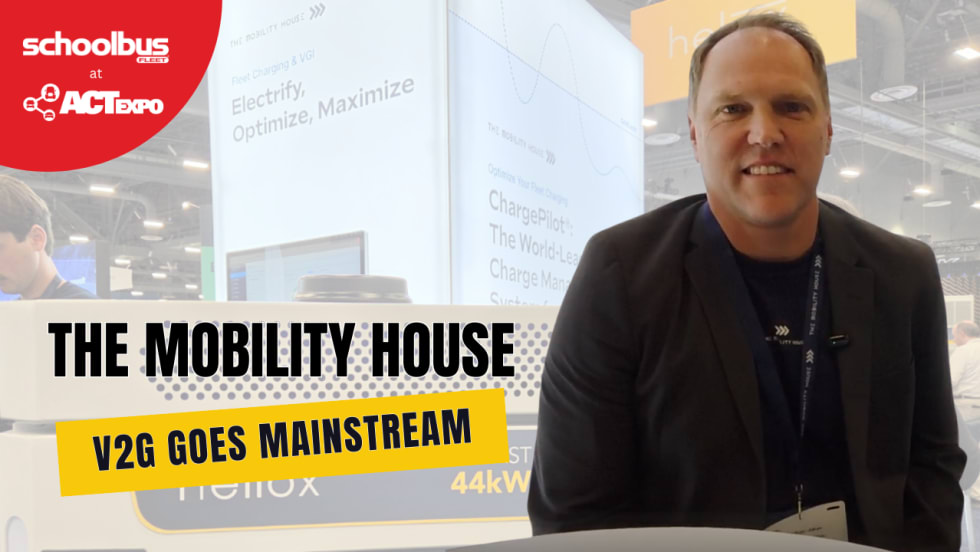
The New Era of Electric School Buses: V2G, Bidirectional Chargers & More
The Mobility House discusses AI-powered charging, vehicle-to-grid technology, smart energy management, and the next phase of school bus electrification.
Read More →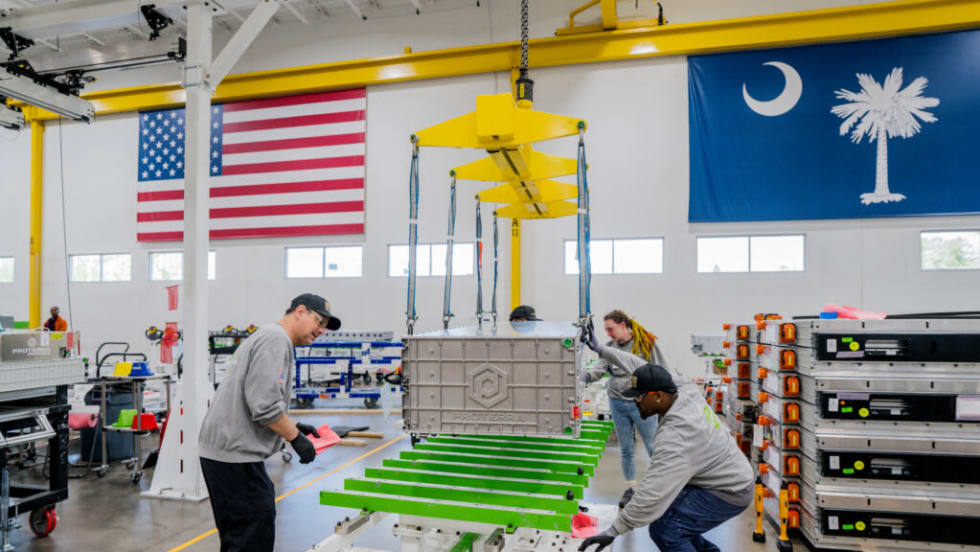
Now Made in America: Proterra Turns to U.S.-Built EV Batteries
Proterra announced a new U.S.-sourced battery cell option for its Onyx platform, boosting domestic content by more than 600% and strengthening EV supply chain resilience for commercial vehicle OEMs.
Read More →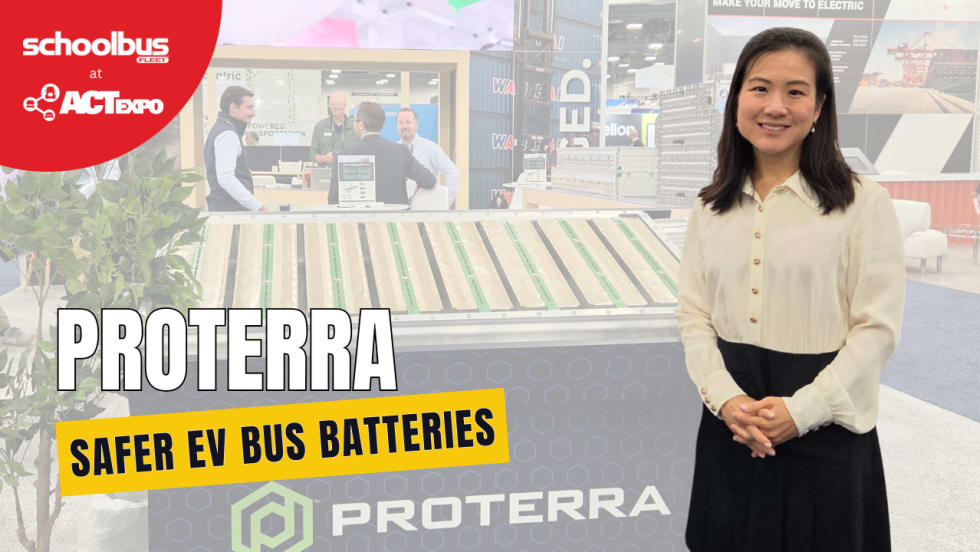
A Look at the Battery Technology Powering Electric School Buses
Check in with Proterra on next-generation EV battery technology for school buses, including safety innovations, predictive diagnostics, EPA 2027 readiness, and the future of transportation from ACT Expo.
Read More →