




Collins to build CNG buses
The Type A manufacturer partners with BAF to develop the first Type A school bus with a compressed natural gas fuel system. The option will be available on several Collins models starting in spring 2012.

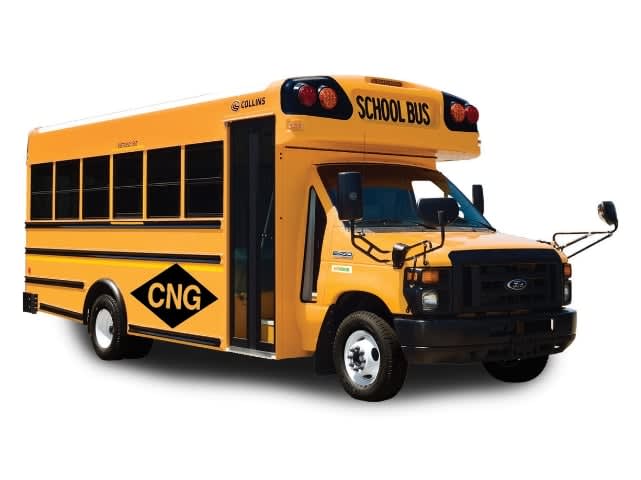
A compressed natural gas system will be available as an option on several Collins Type A models starting in spring 2012.
Collins Bus Corp. announced on Friday that it will develop the first Type A school bus with a compressed natural gas (CNG) fuel system in an exclusive agreement with Clean Energy company BAF.
Collins, North America’s largest builder of Type A school and school activity buses, will be offering the system as an option on several models starting in the spring of 2012.
BAF provides natural gas vehicles under Ford Motor Co.’s Qualified Vehicle Modifier program.
Company officials said that CNG, when compared to diesel and gasoline fuels, provides a reduction in greenhouse emissions and has the potential to reduce fuel costs by 25 to 40 percent. More than 110,000 vehicles currently operate on CNG in the U.S., and 98 percent of natural gas is produced in North America.
“We are excited to be leading our industry in alternative fuel technologies, and CNG is the next logical step," said Kent Tyler, president of Collins Bus Corp. "Many of our customers are interested in this technology, and our leading dealers are ready to introduce it to their customers. ... When you combine CNG with our propane and hybrid-electric offerings, you can see how our team is leading the field."
Tyler added that BAF brings "expertise and a proven system to the market."
Brent Pope, director of sales at BAF, said that “CNG fuel has a significant environmental and economic advantage over diesel and gasoline fuels and will offer school districts an attractive option for their Type A buses."
Collins said it has been working on a CNG version of its bus for several years but was unable to find a viable option until partnering with BAF.
“The key factor in any alternative engine option is weight," Tyler noted. "Just landing on a new concept won’t cut it if you can’t achieve a practical range with the passenger capacity you need. We’re happy that we can get both with this option from BAF.”
More Alternative Fuels
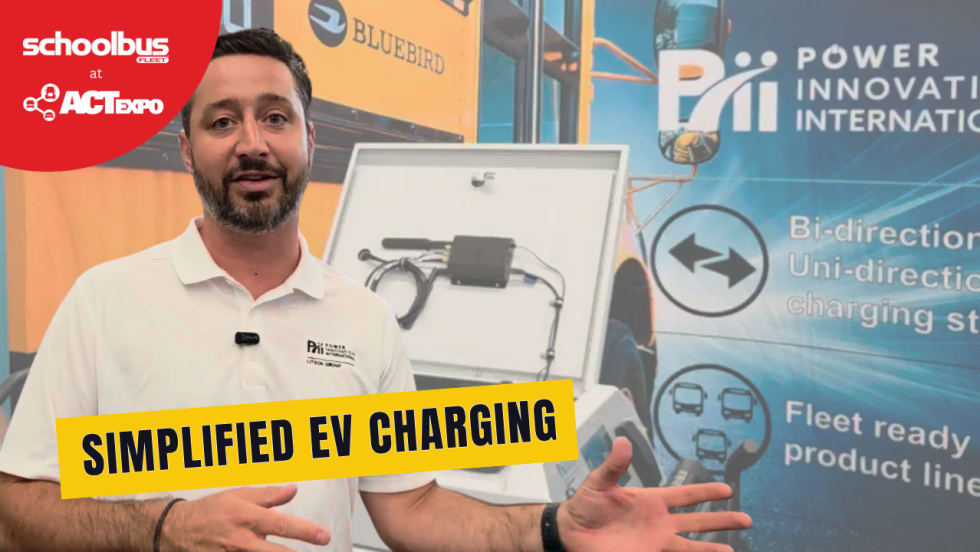
A Solution Helping School Buses Charge Without Major Infrastructure Upgrades
Power Innovations International dishes on its EV charging technology designed to reduce infrastructure barriers, improve reliability, and support V2G applications for school bus fleets.
Read More →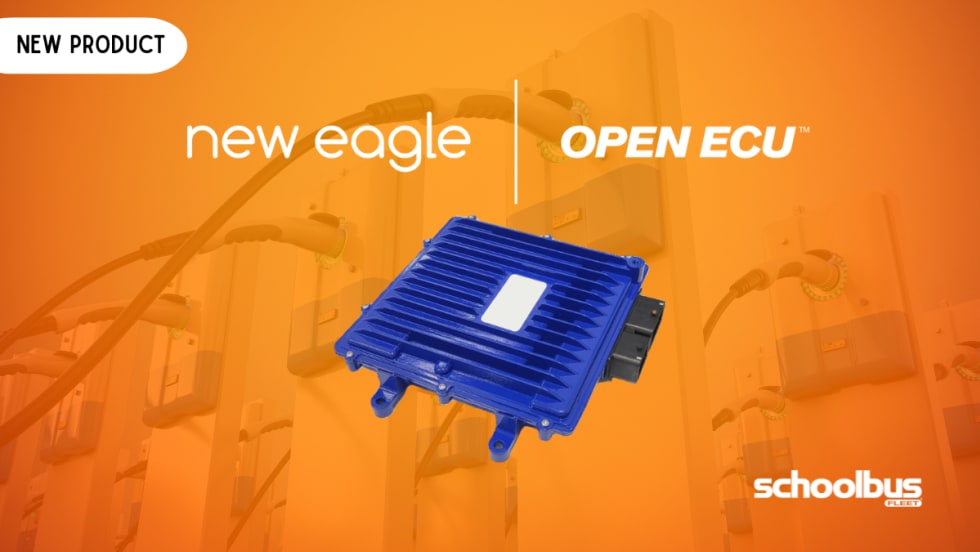
New Eagle Launches All-in-One EV Control Platform
The new OpenECU NX3 platform integrates charging and vehicle controls into a single platform, with support for megawatt charging and vehicle-to-grid technologies.
Read More →
GreenPower Unveils New Heating Solution for Type A Bus
The all-electric bus manufacturer's new product aims to eliminate cold-cabin issues on its Nano BEAST zero-emission school buses operating in cold climates.
Read More →
Alt-Fuel Moves: Fleets Plug In for the Long Haul
School districts across the U.S. are moving electric school bus plans into operation, with new fleet deployments, charging infrastructure, and long-term electrification partnerships taking shape.
Read More →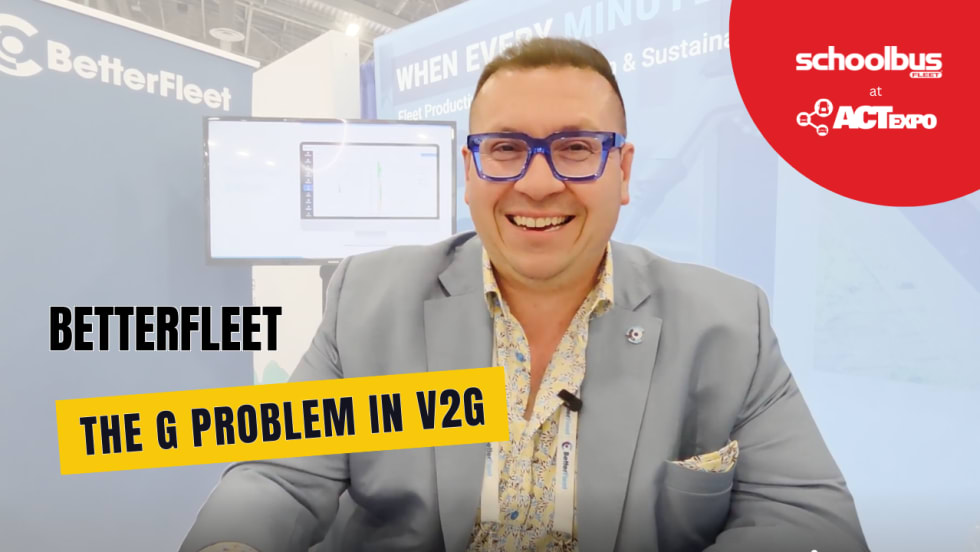
The Achilles Heel of School Bus Electrification: BetterFleet’s Take
BetterFleet’s managing partner discusses AI-powered EV fleet management, vehicle-to-grid challenges, and the real challenges in bus electrification today, from ACT Expo.
Read More →
You're On Your Own to Pick a Drivetrain [Op-Ed]
After years of federal pressure toward electric school buses, districts are suddenly being told to choose their own path. Let’s explore the risks, realities, and politics behind school bus drivetrain decisions.
Read More →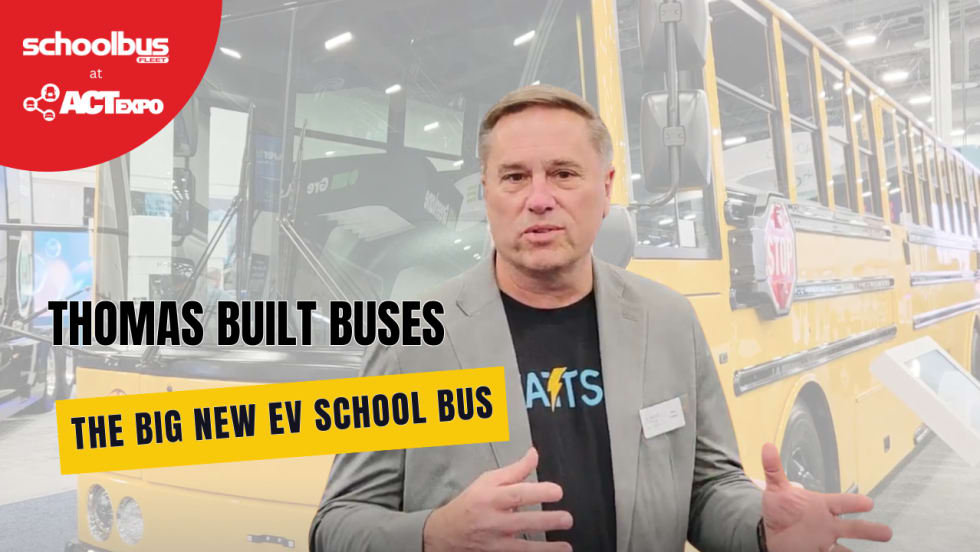
Wattson: Thomas Built’s Largest EV School Bus Yet
Check in with Mark Childers on the new Wattson Type D electric school bus, featuring faster charging, expanded passenger capacity, and advanced safety technology.
Read More →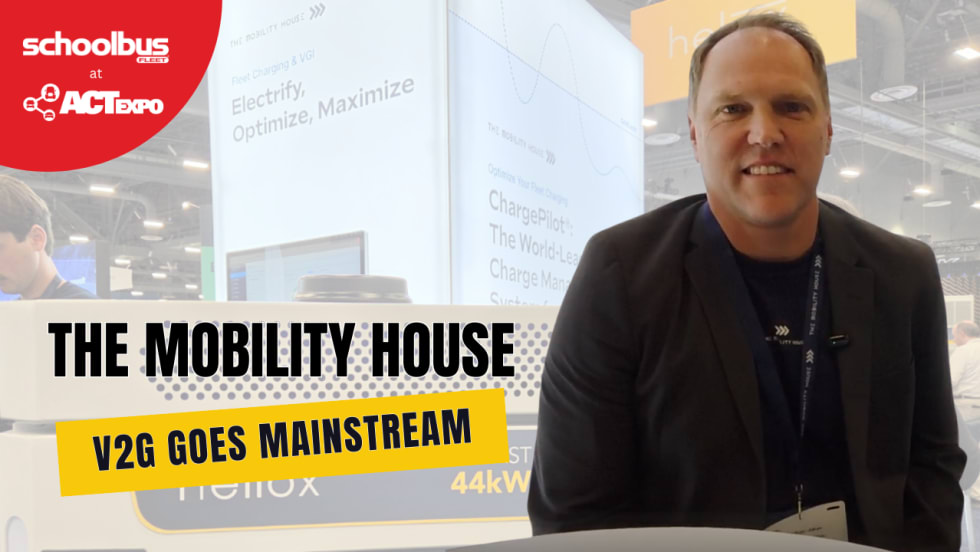
The New Era of Electric School Buses: V2G, Bidirectional Chargers & More
The Mobility House discusses AI-powered charging, vehicle-to-grid technology, smart energy management, and the next phase of school bus electrification.
Read More →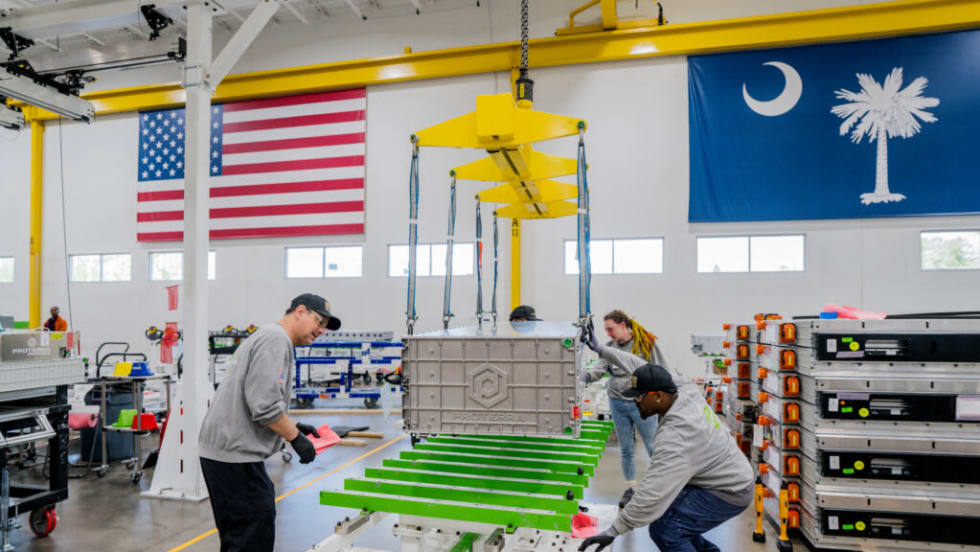
Now Made in America: Proterra Turns to U.S.-Built EV Batteries
Proterra announced a new U.S.-sourced battery cell option for its Onyx platform, boosting domestic content by more than 600% and strengthening EV supply chain resilience for commercial vehicle OEMs.
Read More →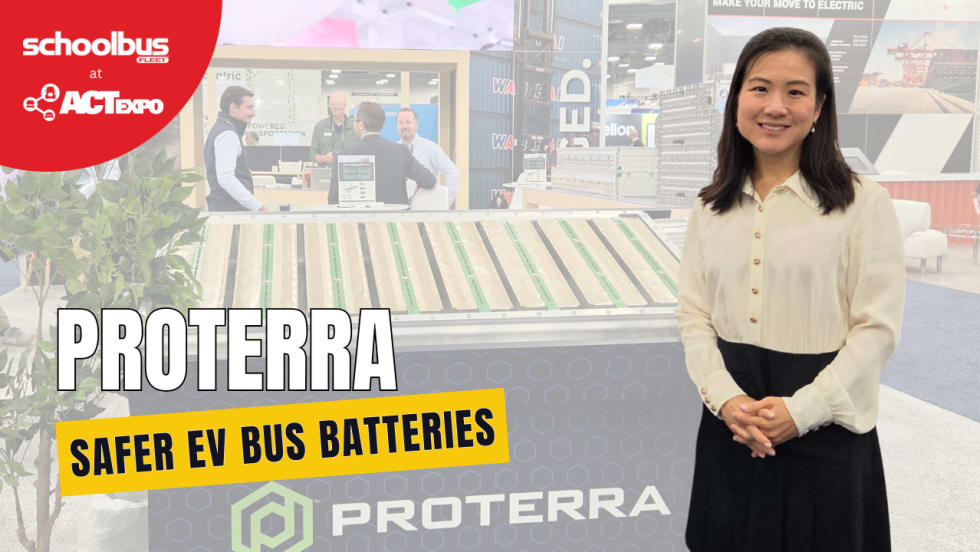
A Look at the Battery Technology Powering Electric School Buses
Check in with Proterra on next-generation EV battery technology for school buses, including safety innovations, predictive diagnostics, EPA 2027 readiness, and the future of transportation from ACT Expo.
Read More →