


Calif. agency adds $10K to vouchers for hybrid buses
Thomas Built’s Saf-T-Liner C2e hybrid school bus and IC Bus’ CE Series bus with a hybrid-electric system are eligible for the funding as part of the California Air Resources Board's Hybrid Truck and Bus Voucher Incentive Project. Joe Calavita, air pollution specialist for the agency, tells SBF that previously, most buses were eligible for $20,000 each, and now pupil transporters can get $30,000, plus $5,000 for the first bus purchased.

SACRAMENTO, Calif. — The California Air Resources Board (CARB) has added a $10,000 increase in voucher funding for eligible school buses on top of the existing voucher amounts as part of the Hybrid Truck and Bus Voucher Incentive Project (HVIP).
Thomas Built Buses’ Saf-T-Liner C2e hybrid school bus and IC Bus’ CE Series bus with Eaton Corp.’s hybrid-electric system are eligible for the funding, and Joe Calavita, CARB air pollution specialist, told SBF that the voucher amount depends upon bus weight.
“Most buses are 19,501 to 33,000 pounds gross vehicle weight and were eligible for $20,000 each,” he said. “Now, they get $30,000 each, plus $5,000 for the first bus purchased by a fleet. So if a school district wants five buses, they’d get a $35,000 HVIP voucher for the first bus and $30,000 for each bus thereafter. These monies can be combined with California Lower Emission School Bus Program funds to fund up to the entire purchase cost of a hybrid or zero-emission bus.”
Calavita said there is approximately $12 million in vouchers left for this year, and that CARB approved an additional $11 million to be rolled out in early 2012.
Information about the HVIP and how to apply for a voucher can be found here or by calling the HVIP hotline at (888) 457-4846. Districts can apply for a maximum of 100 vouchers.
“Vouchers are provided through eligible dealerships, which are listed on the HVIP website. Dealers deduct the voucher amount from the vehicle price and are reimbursed by the HVIP, so school districts are never out the voucher amount,” Calavita explained, adding that funded vehicles must remain 100 percent in California for three years and operations must submit annual mileage surveys.
Calstart runs the day-to-day implementation of the program.
More Alternative Fuels
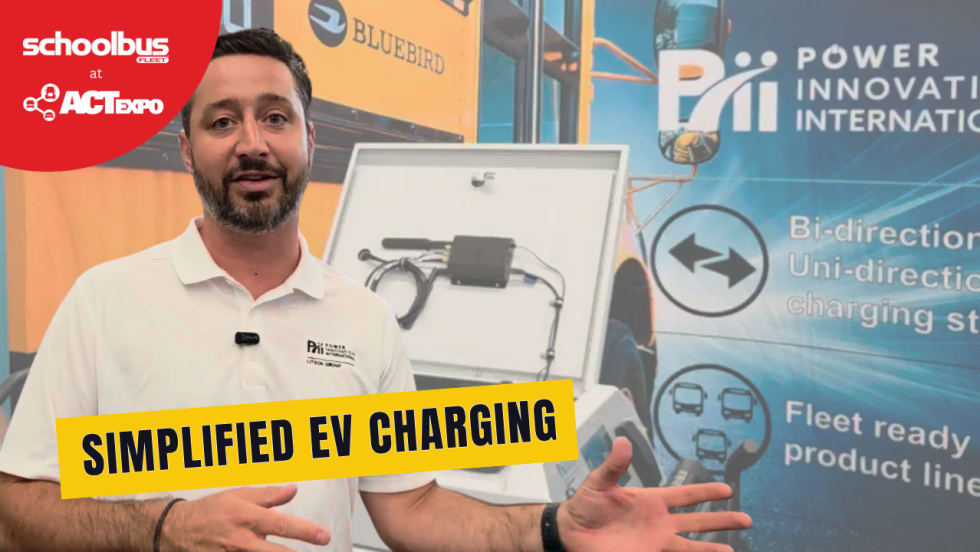
A Solution Helping School Buses Charge Without Major Infrastructure Upgrades
Power Innovations International dishes on its EV charging technology designed to reduce infrastructure barriers, improve reliability, and support V2G applications for school bus fleets.
Read More →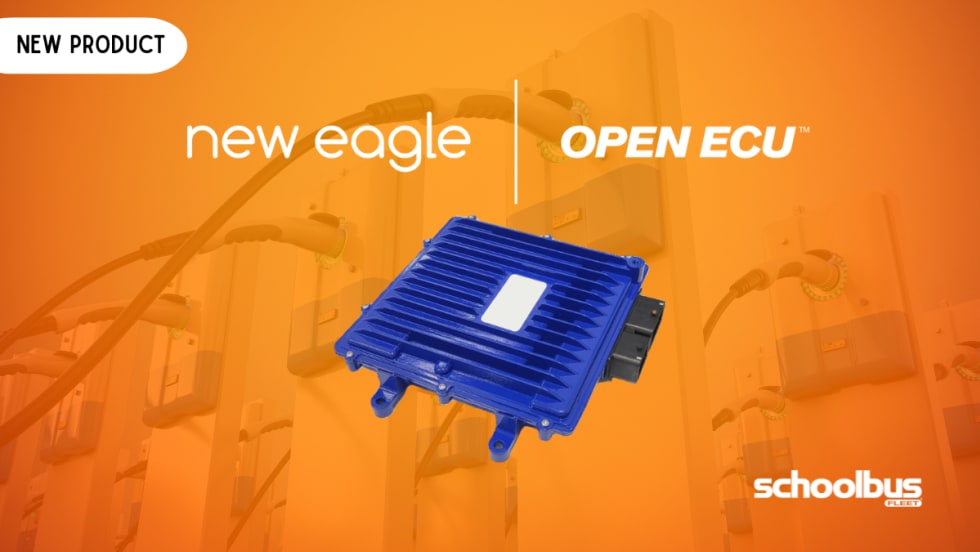
New Eagle Launches All-in-One EV Control Platform
The new OpenECU NX3 platform integrates charging and vehicle controls into a single platform, with support for megawatt charging and vehicle-to-grid technologies.
Read More →
GreenPower Unveils New Heating Solution for Type A Bus
The all-electric bus manufacturer's new product aims to eliminate cold-cabin issues on its Nano BEAST zero-emission school buses operating in cold climates.
Read More →
Alt-Fuel Moves: Fleets Plug In for the Long Haul
School districts across the U.S. are moving electric school bus plans into operation, with new fleet deployments, charging infrastructure, and long-term electrification partnerships taking shape.
Read More →
The Achilles Heel of School Bus Electrification: BetterFleet’s Take
BetterFleet’s managing partner discusses AI-powered EV fleet management, vehicle-to-grid challenges, and the real challenges in bus electrification today, from ACT Expo.
Read More →
You're On Your Own to Pick a Drivetrain [Op-Ed]
After years of federal pressure toward electric school buses, districts are suddenly being told to choose their own path. Let’s explore the risks, realities, and politics behind school bus drivetrain decisions.
Read More →
Wattson: Thomas Built’s Largest EV School Bus Yet
Check in with Mark Childers on the new Wattson Type D electric school bus, featuring faster charging, expanded passenger capacity, and advanced safety technology.
Read More →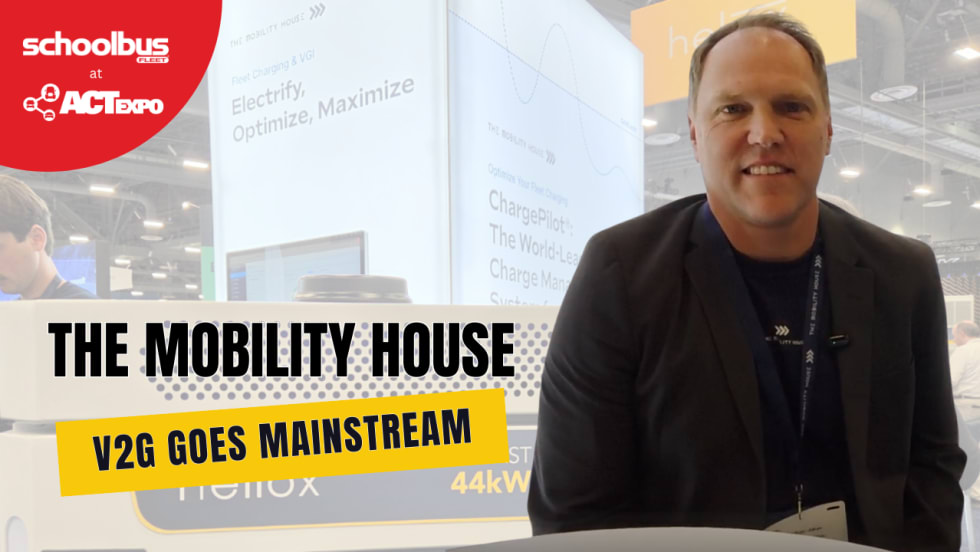
The New Era of Electric School Buses: V2G, Bidirectional Chargers & More
The Mobility House discusses AI-powered charging, vehicle-to-grid technology, smart energy management, and the next phase of school bus electrification.
Read More →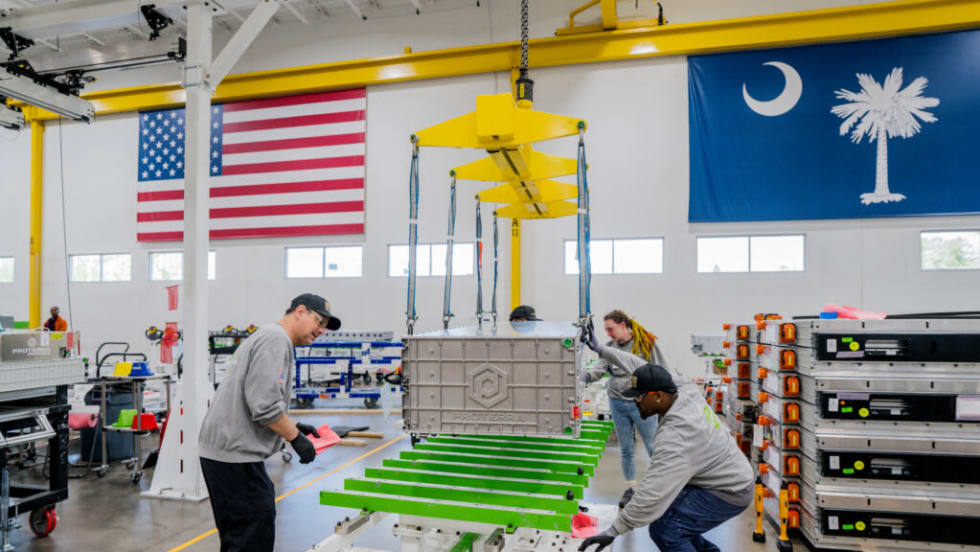
Now Made in America: Proterra Turns to U.S.-Built EV Batteries
Proterra announced a new U.S.-sourced battery cell option for its Onyx platform, boosting domestic content by more than 600% and strengthening EV supply chain resilience for commercial vehicle OEMs.
Read More →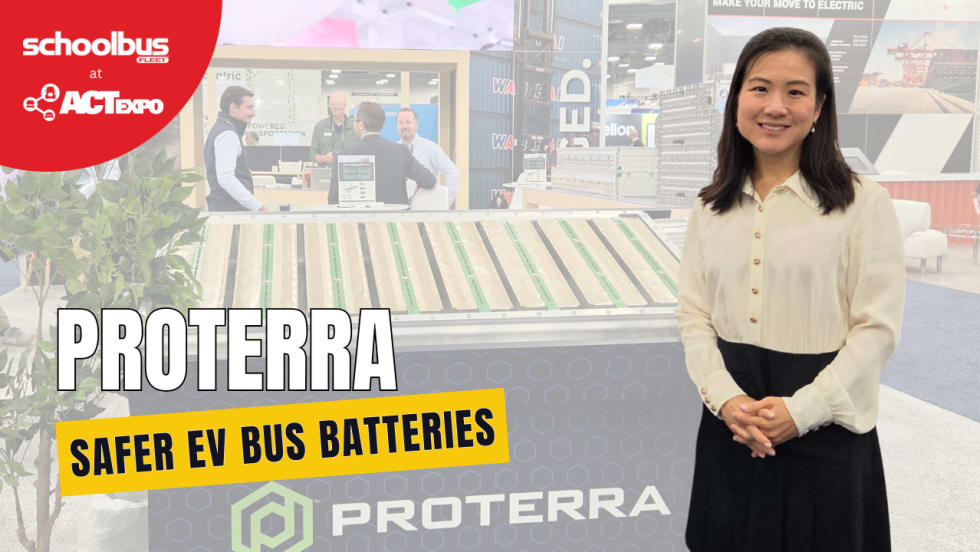
A Look at the Battery Technology Powering Electric School Buses
Check in with Proterra on next-generation EV battery technology for school buses, including safety innovations, predictive diagnostics, EPA 2027 readiness, and the future of transportation from ACT Expo.
Read More →