



Ford, Georgia Tech partner on hydraulic hybrid bus conversion
The Ford Motor Co. Fund and the Georgia Institute of Technology partner for the “Green Eco School Bus,” a project focused on converting an existing school bus into a hydraulic hybrid that runs on recycled biofuel. Atlanta Public Schools donated the 16-passenger unit, and officials say installation is nearly complete.

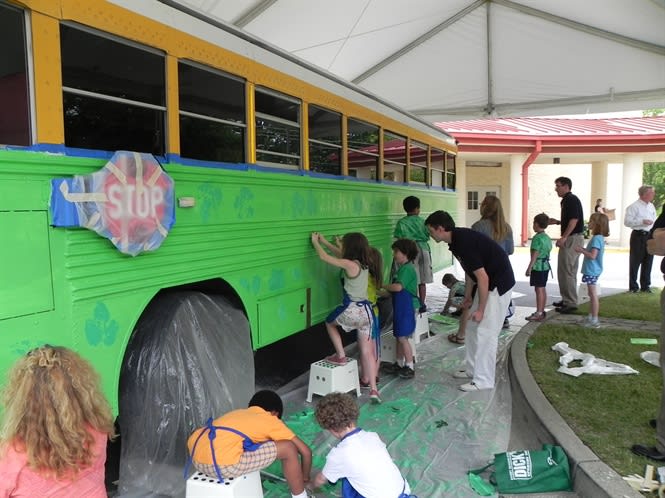
Students at Mary Lin Elementary School in Atlanta paint the "Green Eco School Bus,” which is being converted to a hydraulic hybrid vehicle that runs on recycled biofuel.
ATLANTA — The Ford Motor Co. Fund and the Georgia Institute of Technology are partnering on the nation's first conversion of a traditional school bus to a hydraulic hybrid vehicle that runs on recycled biofuel.
Conducted by Georgia Tech, the project is financed by a $50,000 Ford College Community Challenge Grant — one of five given annually for a student-led project that matches university resources with an urgent community need related to sustainability.
Michael Leamy, Georgia Tech assistant professor of mechanical engineering, and his students have designed and developed the hydraulic hybrid system for the 16-passenger school bus — which was provided by Atlanta Public Schools (APS) — and its installation is nearly complete.
Students at Mary Lin Elementary School are painting the "Green Eco School Bus" green and organizing a drive to collect used cooking oil for processing into biodiesel.
"Together with Georgia Tech and Atlanta Public Schools, we are taking innovation from the classroom to the community," said Jim Vella, president of Ford Motor Co. Fund and Community Services. "This is a noteworthy example of the types of programs we are bringing to Atlanta as part of our new Operation Goodwill partnership with local Ford and Lincoln dealers with the goal of expanding our engagement with this community."
The project includes a cost-benefit analysis of a large-scale conversion of a school bus fleet to hydraulic hybrid powertrains designed to recover lost braking energy. Hydraulic hybrids use pressurized fluid, rather than electric power, as a power source in addition to the engine.
"We expect our research will lead to cleaner, more efficient school buses that will help school districts like APS significantly reduce fuel costs and greenhouse gas emissions," Leamy said.
Atlanta Public Schools officials are using the project to educate the next generation of students about green energy.
"Our students are eager to learn about new ways to care for the environment," said Brian Mitchell, principal of Mary Lin Elementary. "The Green Eco School Bus turns a theoretical concept into a fun and exciting reality that stimulates their learning."
More Alternative Fuels
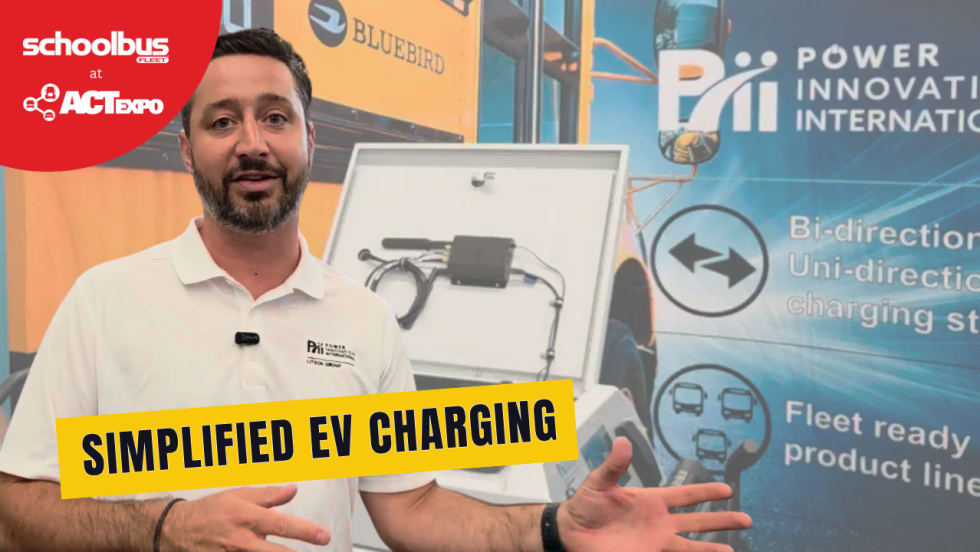
A Solution Helping School Buses Charge Without Major Infrastructure Upgrades
Power Innovations International dishes on its EV charging technology designed to reduce infrastructure barriers, improve reliability, and support V2G applications for school bus fleets.
Read More →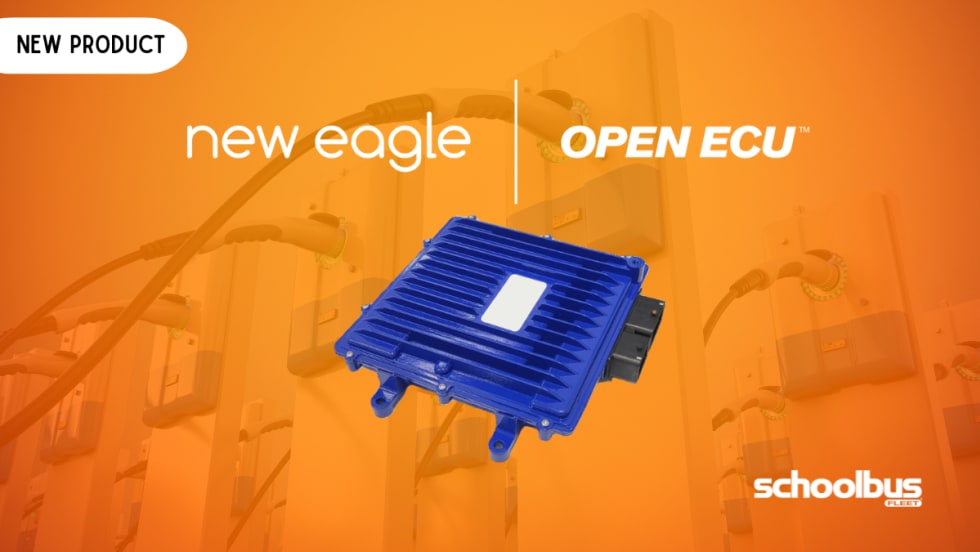
New Eagle Launches All-in-One EV Control Platform
The new OpenECU NX3 platform integrates charging and vehicle controls into a single platform, with support for megawatt charging and vehicle-to-grid technologies.
Read More →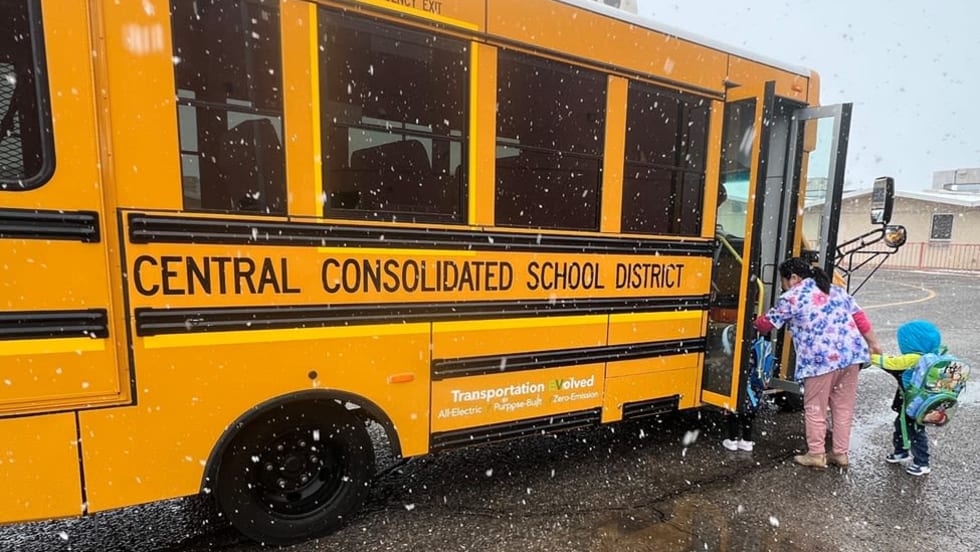
GreenPower Unveils New Heating Solution for Type A Bus
The all-electric bus manufacturer's new product aims to eliminate cold-cabin issues on its Nano BEAST zero-emission school buses operating in cold climates.
Read More →
Alt-Fuel Moves: Fleets Plug In for the Long Haul
School districts across the U.S. are moving electric school bus plans into operation, with new fleet deployments, charging infrastructure, and long-term electrification partnerships taking shape.
Read More →
The Achilles Heel of School Bus Electrification: BetterFleet’s Take
BetterFleet’s managing partner discusses AI-powered EV fleet management, vehicle-to-grid challenges, and the real challenges in bus electrification today, from ACT Expo.
Read More →
You're On Your Own to Pick a Drivetrain [Op-Ed]
After years of federal pressure toward electric school buses, districts are suddenly being told to choose their own path. Let’s explore the risks, realities, and politics behind school bus drivetrain decisions.
Read More →
Wattson: Thomas Built’s Largest EV School Bus Yet
Check in with Mark Childers on the new Wattson Type D electric school bus, featuring faster charging, expanded passenger capacity, and advanced safety technology.
Read More →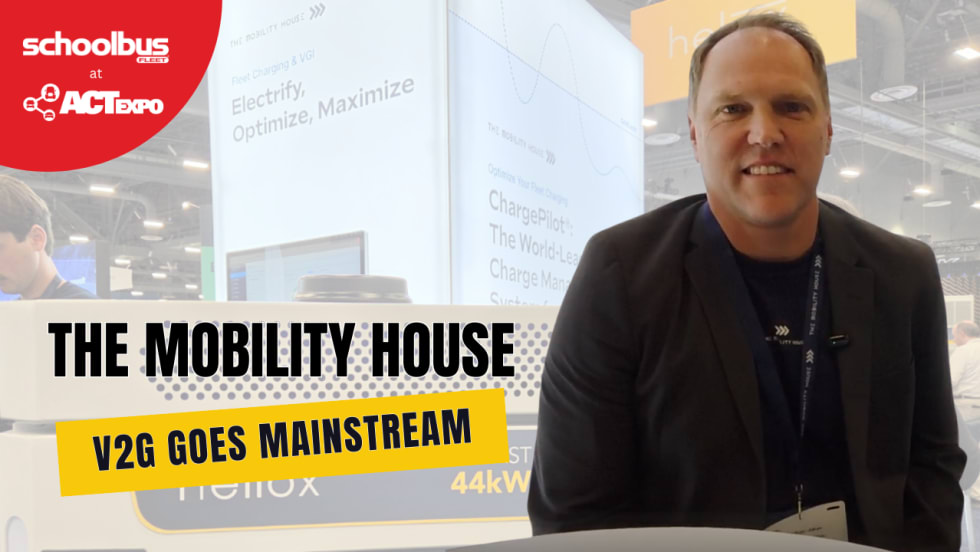
The New Era of Electric School Buses: V2G, Bidirectional Chargers & More
The Mobility House discusses AI-powered charging, vehicle-to-grid technology, smart energy management, and the next phase of school bus electrification.
Read More →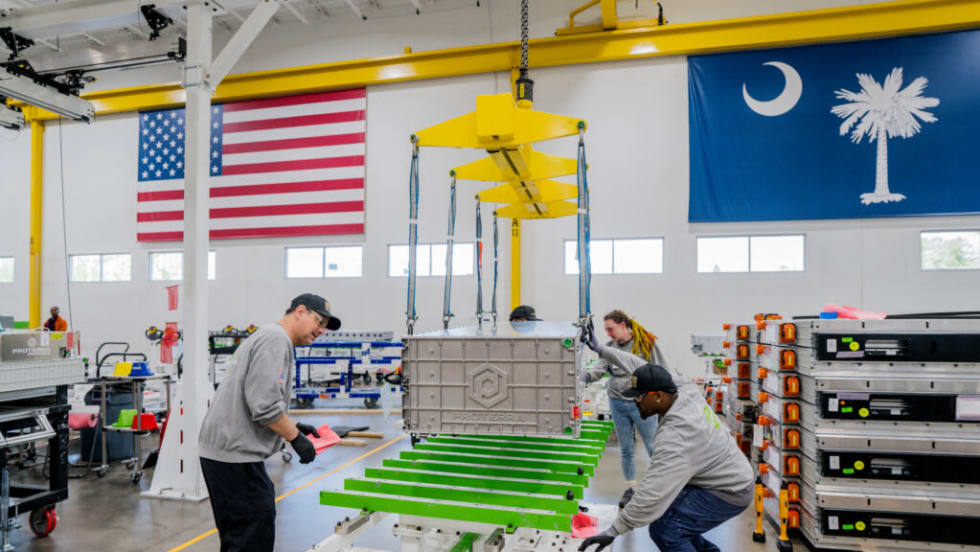
Now Made in America: Proterra Turns to U.S.-Built EV Batteries
Proterra announced a new U.S.-sourced battery cell option for its Onyx platform, boosting domestic content by more than 600% and strengthening EV supply chain resilience for commercial vehicle OEMs.
Read More →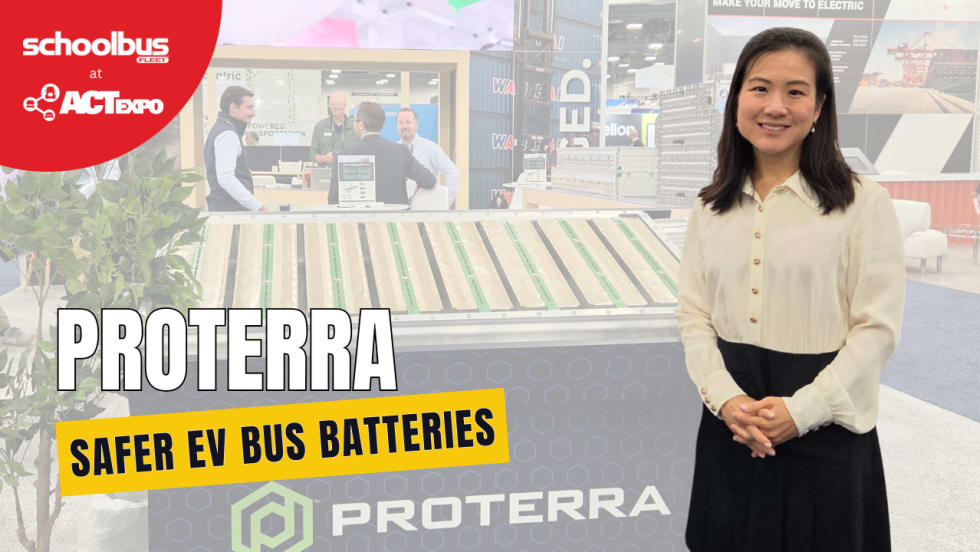
A Look at the Battery Technology Powering Electric School Buses
Check in with Proterra on next-generation EV battery technology for school buses, including safety innovations, predictive diagnostics, EPA 2027 readiness, and the future of transportation from ACT Expo.
Read More →