



Cummins supports greenhouse gas, fuel efficiency standards
Company executive Dr. Stephen J. Charlton testifies at a public hearing about the EPA and NHTSA's proposed Heavy-Duty National Program, which would reduce emissions and increase fuel efficiency for heavy-duty engines and vehicles. Charlton says that Cummins looks forward to working with the agencies to deliver a final rule on the program.

COLUMBUS, Ind. — Dr. Stephen J. Charlton, chief technical officer of engine business and vice president of Cummins Inc., testified on Monday at an EPA and National Highway Traffic Safety Administration (NHTSA) public hearing in Chicago, confirming the company’s support for greenhouse gas and fuel efficiency standards for heavy- and medium-duty commercial vehicles and engines.
As SBF previously reported, on Oct. 25, the EPA and the NHTSA proposed rules to establish a comprehensive Heavy-Duty National Program, which from 2014 to 2018 would reduce greenhouse gas emissions and increase fuel efficiency for on-road heavy-duty engines and vehicles. The EPA has proposed greenhouse gas emissions standards under the Clean Air Act, and NHTSA has proposed equivalent fuel consumption standards under the Energy Independence and Security Act of 2007.
"While we are still working through the details of the proposal and are preparing written comments on specific aspects, we support the time line laid out by President Barack Obama to finalize this rule by July 30, 2011, and deliver improvements over the 2014 to 2018 timeframe. The rule and these benefits can be delivered in this short timeframe because many of the building blocks already exist," Charlton said.
Over the last 30 years, the industry and government have partnered together to advance clean, efficient technologies. Under the Clean Air Act, heavy-duty diesel engine emissions of nitrogen oxide (NOx) and particulate matter have been reduced by 99 percent. The U.S. Department of Energy (DOE) has fostered public-private partnerships to develop the heavy-duty technologies needed to meet stringent emissions standards and improve efficiency. Additionally, the SmartWay partnership, launched by the EPA in 2004, has attracted thousands of partners focused on reducing greenhouse gas emissions and fuel consumption.
"Cummins’ partnership with the DOE over the past 20 years has allowed us to bring evolutionary and breakthrough engine technologies to the market faster and at a lower cost than we could have done going it alone," Charlton added during his testimony. "Complying with the stringent 2010 NOx limits under the EPA's Heavy-Duty Highway Rule has put Cummins well along the path of meeting future greenhouse gas and fuel-efficiency requirements."
Cummins’ selective catalytic reduction technology reduces NOx to the near-zero levels required and also enables greater fuel efficiency. As a result, Cummins 2010 heavy-duty and MidRange engines deliver up to 6 percent improved fuel efficiency compared with the previous models.
The EPA’s and NHTSA’s proposed rules for the Heavy-Duty National Program establishes three regulatory categories of heavy-duty vehicles: combination tractors; heavy-duty pickup trucks and vans; and vocational vehicles. For combination tractors and vocational vehicles, the agencies have proposed separate engine and vehicle standards.
"We strongly support this regulatory structure," Charlton said. "By building on our long history of working together, and by utilizing existing programs where possible, we can together deliver the greenhouse gas and fuel-consumption benefits envisioned in this rulemaking. We appreciate the open and collaborative process that the EPA and NHTSA have used in proposing this historic regulation. We look forward to continuing to work with the agencies over the coming months to develop a final rule."
More Alternative Fuels
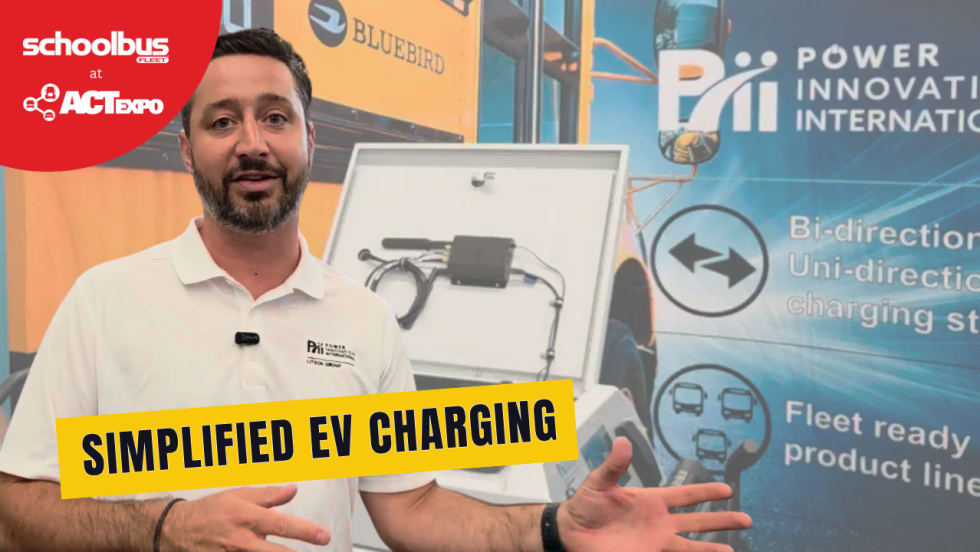
A Solution Helping School Buses Charge Without Major Infrastructure Upgrades
Power Innovations International dishes on its EV charging technology designed to reduce infrastructure barriers, improve reliability, and support V2G applications for school bus fleets.
Read More →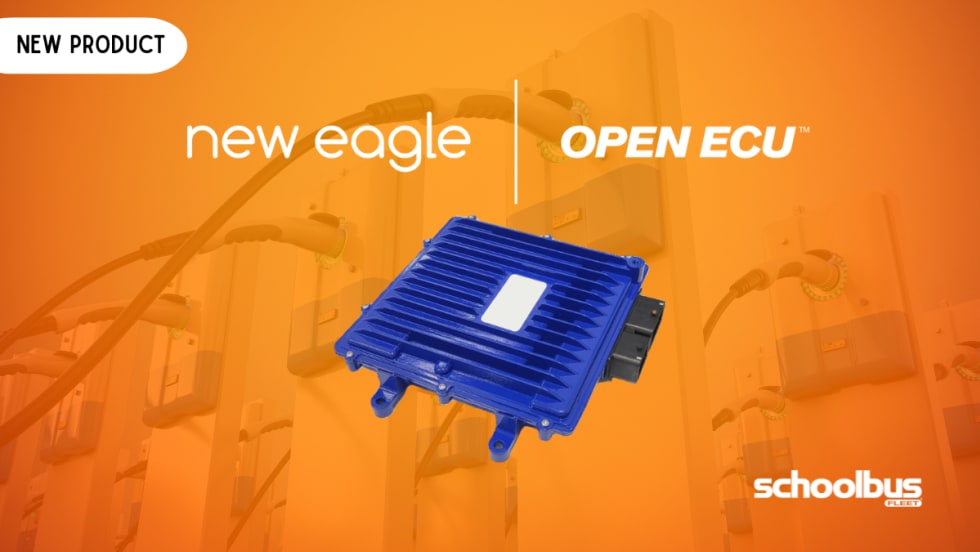
New Eagle Launches All-in-One EV Control Platform
The new OpenECU NX3 platform integrates charging and vehicle controls into a single platform, with support for megawatt charging and vehicle-to-grid technologies.
Read More →
GreenPower Unveils New Heating Solution for Type A Bus
The all-electric bus manufacturer's new product aims to eliminate cold-cabin issues on its Nano BEAST zero-emission school buses operating in cold climates.
Read More →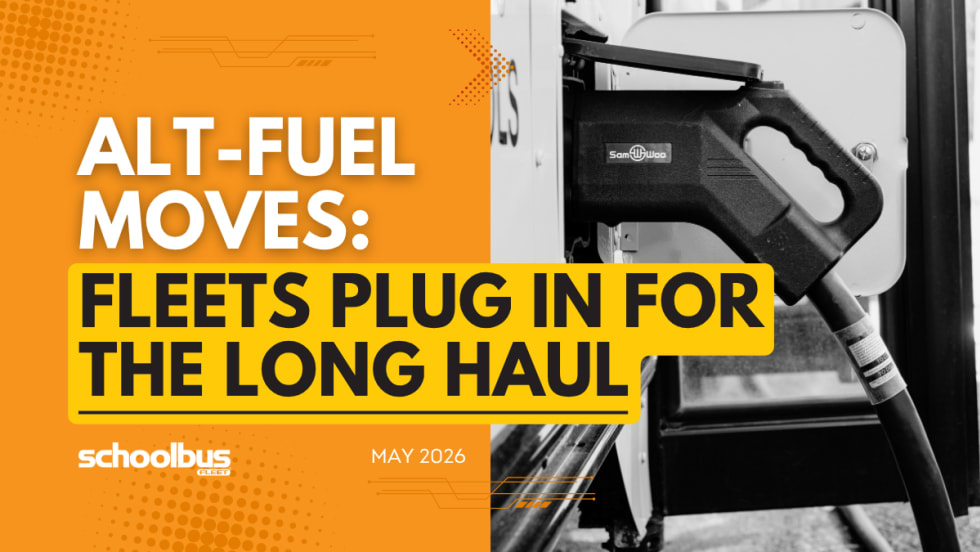
Alt-Fuel Moves: Fleets Plug In for the Long Haul
School districts across the U.S. are moving electric school bus plans into operation, with new fleet deployments, charging infrastructure, and long-term electrification partnerships taking shape.
Read More →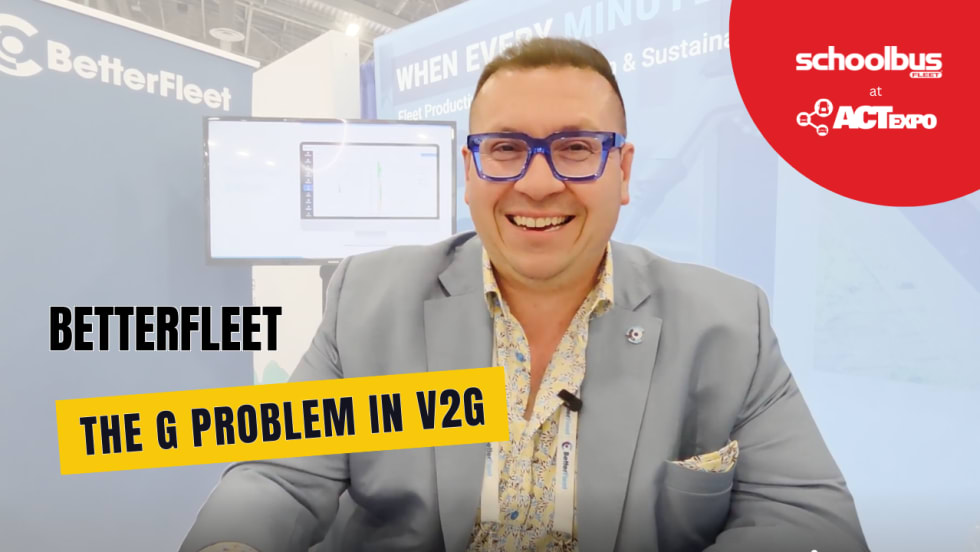
The Achilles Heel of School Bus Electrification: BetterFleet’s Take
BetterFleet’s managing partner discusses AI-powered EV fleet management, vehicle-to-grid challenges, and the real challenges in bus electrification today, from ACT Expo.
Read More →
You're On Your Own to Pick a Drivetrain [Op-Ed]
After years of federal pressure toward electric school buses, districts are suddenly being told to choose their own path. Let’s explore the risks, realities, and politics behind school bus drivetrain decisions.
Read More →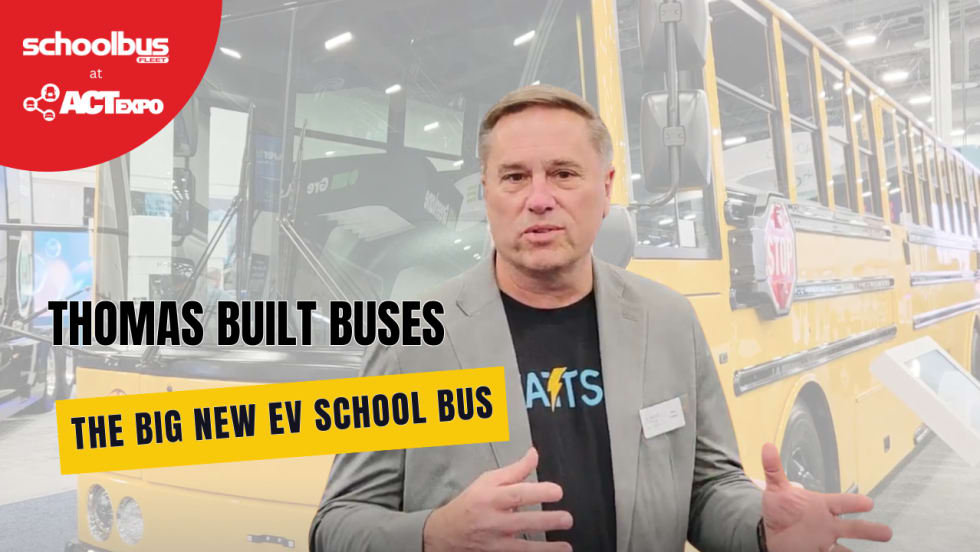
Wattson: Thomas Built’s Largest EV School Bus Yet
Check in with Mark Childers on the new Wattson Type D electric school bus, featuring faster charging, expanded passenger capacity, and advanced safety technology.
Read More →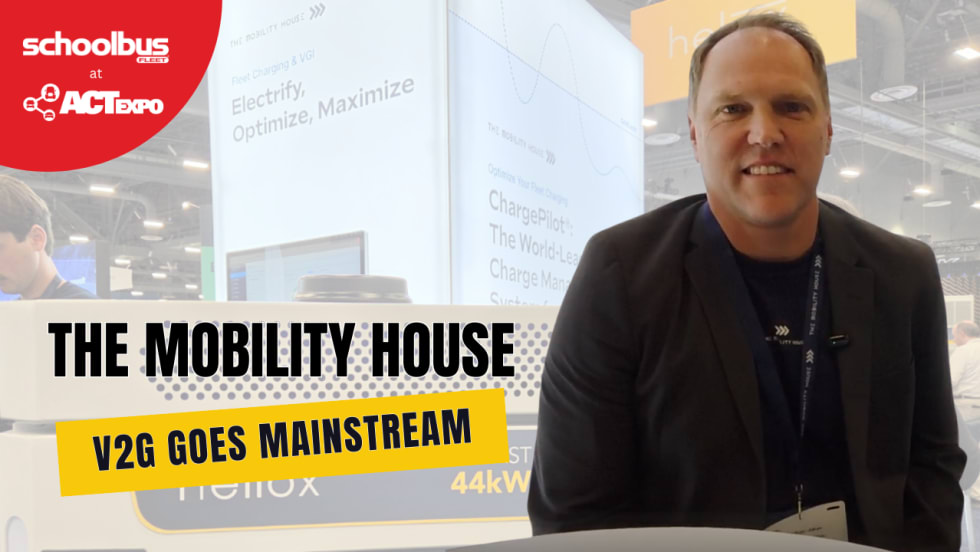
The New Era of Electric School Buses: V2G, Bidirectional Chargers & More
The Mobility House discusses AI-powered charging, vehicle-to-grid technology, smart energy management, and the next phase of school bus electrification.
Read More →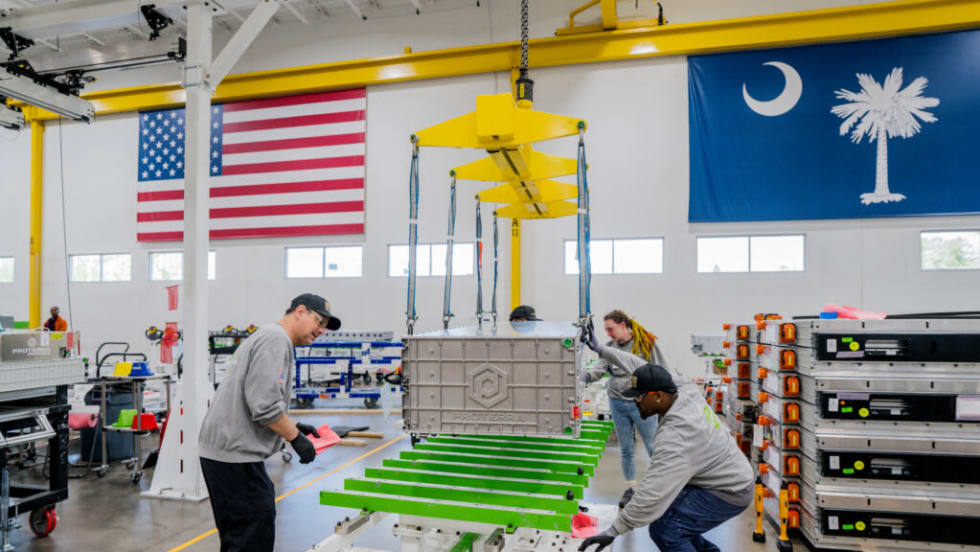
Now Made in America: Proterra Turns to U.S.-Built EV Batteries
Proterra announced a new U.S.-sourced battery cell option for its Onyx platform, boosting domestic content by more than 600% and strengthening EV supply chain resilience for commercial vehicle OEMs.
Read More →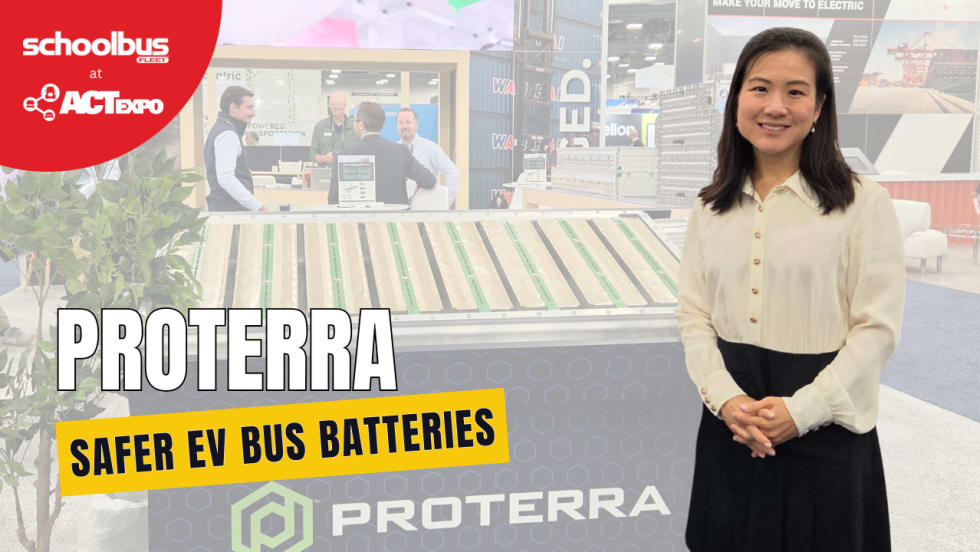
A Look at the Battery Technology Powering Electric School Buses
Check in with Proterra on next-generation EV battery technology for school buses, including safety innovations, predictive diagnostics, EPA 2027 readiness, and the future of transportation from ACT Expo.
Read More →