



Making CNG history
A long time ago in a small school district in Colorado, Stan Scheer spearheaded a groundbreaking move. Scheer, now superintendent of a California district, recounts here how his school bus operation delved into compressed natural gas.

From 1978-81, Stan Scheer was an assistant superintendent at Eaton (Colo.) School District. Here, he recounts how his school bus operation delved into compressed natural gas.
A long time ago in a small school district in Colorado, Stan Scheer spearheaded a groundbreaking move. Scheer, now superintendent of Murrieta (Calif.) Valley Unified School District, recounts how his school bus operation delved into compressed natural gas (CNG).
From 1978-81, I was an assistant superintendent at Eaton (Colo.) School District. I had the distinction of running the first school bus fleet in the country on CNG.
We used a dual fuel system that allowed us to convert gas aspirated carburetors to CNG or back to gasoline. It was a very interesting experience because we had to modify the buses by adding fuel tanks, high and low pressure regulators, and Bowden cables with micro switches in order to run either fuel.
The motivation at the time was the rationing of gasoline. I could not get full loads of gasoline for my buses, so we decided to do the conversions to ensure that we could run our buses.
Monfort Beef was just down the road feeding 150,000 cattle a day with feed trucks. They had converted the feed trucks due to the gas rationing. I got the idea from them and, in fact, used a conversion kit from them and their fueling station to try it out on a prototype bus.
After we were successful with the trial bus, we converted all 18 and installed a fast-fuel fueling station.
At the time, I could purchase 100 cubic feet of natural gas (which was the equivalent of 1 gallon of gasoline) for about 19 cents. We were paying about 80 cents for a gallon of gasoline, so we were able to recover our costs for the conversion equipment very quickly.
Impressive results
The power curve on natural gas is a bit different from gasoline because of BTU [British thermal unit] content, so we also added a simple spark advance to give the buses more power.
The fuel system really worked great in the winter months because the gas was already vaporized, so we did not have starting problems due to the fact that there was no condensation going into a cold engine. You would turn the key and they would start right up without even choking the engine.
I also liked the fuel because we could go twice as long between oil changes. Raw gas would drip down into the oil in the oil pan, affecting the viscosity of oil by diluting it. Natural gas did none of that, and we were getting a very clean exhaust out of the tail pipe. There were no dirty emissions coming out of the tail pipe.
It was interesting to work with the state. They did not know what to do to certify us, because at the time propane was the only alternative fuel they were familiar with.
From suit to overalls
I am an old “gear head,” so all of this at the time was a little bit of heaven for me. I always kept my overalls handy even though I was wearing a suit and tie at the time. I had a lot of fun developing hanger braces for the buses and figuring out where to mount all the equipment as well as the high-pressure fuel lines.
(I later went to work for a company that sold the conversion equipment for about two years. The company went out of business in 1982 when gas rationing went away and there was a huge shift back to gasoline dependence. It was quite an experience, because I not only learned a lot about conversion equipment on the buses, but I also was trained as a technician to work on high-pressure compressors.)
Needles to say, I thought what we did at the time made a lot of sense. It not only was cheaper, but it worked quite well, was much cleaner burning and, in many ways, was a safer fuel to handle around students.
More Alternative Fuels
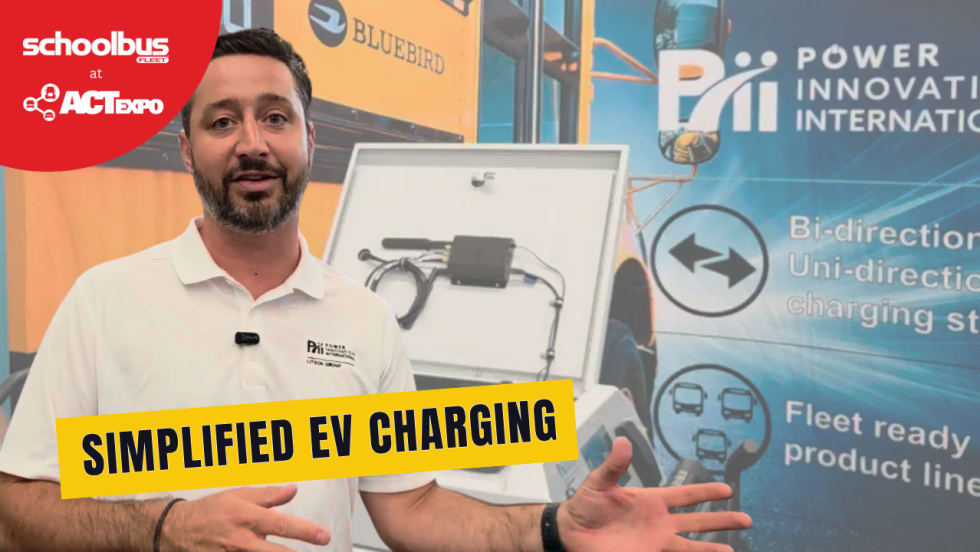
A Solution Helping School Buses Charge Without Major Infrastructure Upgrades
Power Innovations International dishes on its EV charging technology designed to reduce infrastructure barriers, improve reliability, and support V2G applications for school bus fleets.
Read More →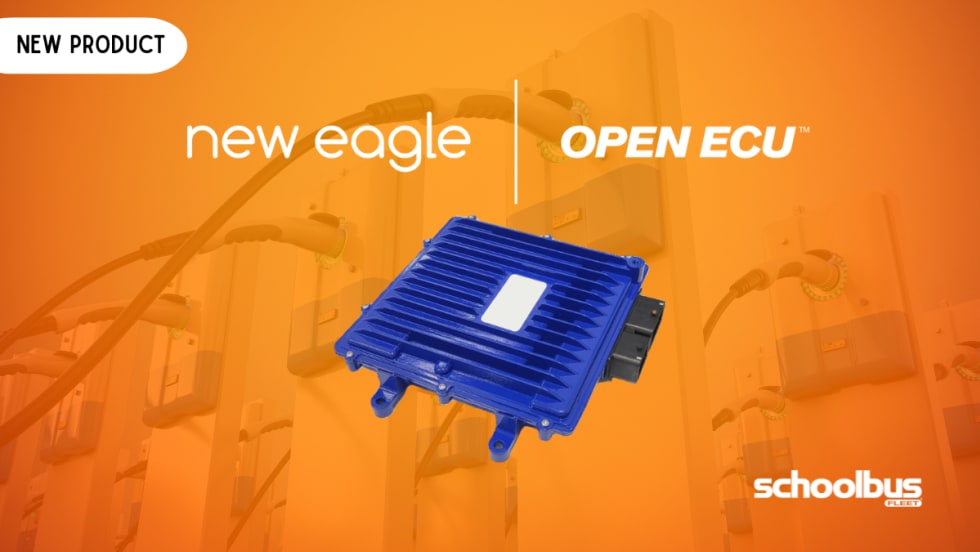
New Eagle Launches All-in-One EV Control Platform
The new OpenECU NX3 platform integrates charging and vehicle controls into a single platform, with support for megawatt charging and vehicle-to-grid technologies.
Read More →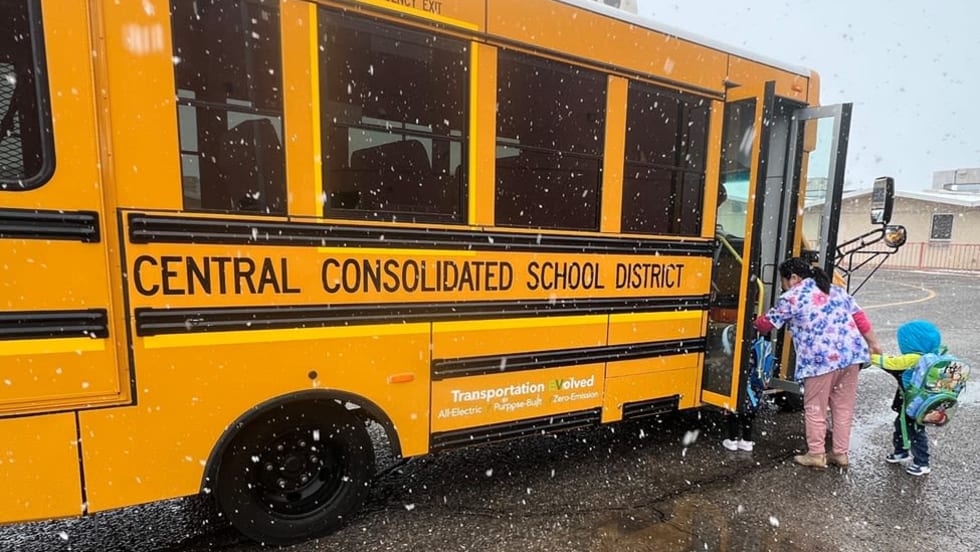
GreenPower Unveils New Heating Solution for Type A Bus
The all-electric bus manufacturer's new product aims to eliminate cold-cabin issues on its Nano BEAST zero-emission school buses operating in cold climates.
Read More →
Alt-Fuel Moves: Fleets Plug In for the Long Haul
School districts across the U.S. are moving electric school bus plans into operation, with new fleet deployments, charging infrastructure, and long-term electrification partnerships taking shape.
Read More →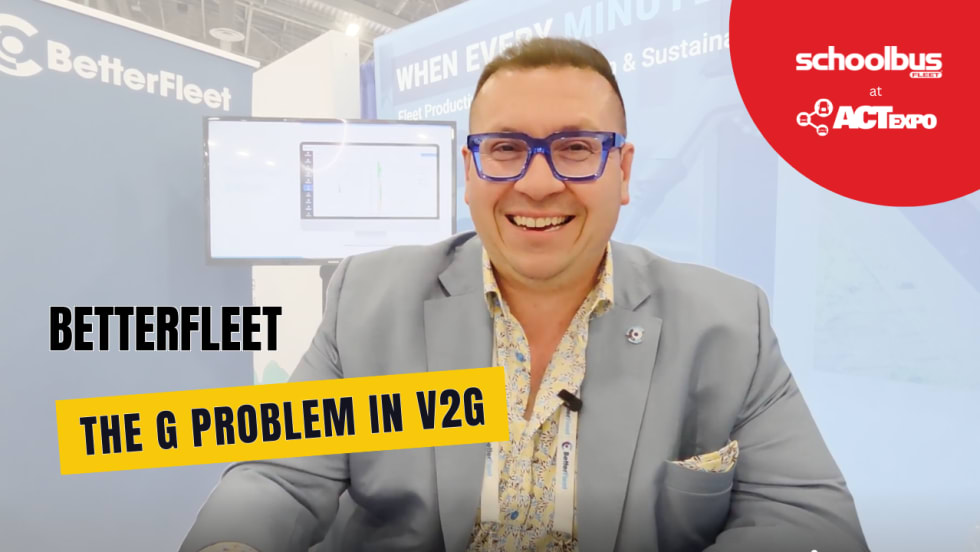
The Achilles Heel of School Bus Electrification: BetterFleet’s Take
BetterFleet’s managing partner discusses AI-powered EV fleet management, vehicle-to-grid challenges, and the real challenges in bus electrification today, from ACT Expo.
Read More →
You're On Your Own to Pick a Drivetrain [Op-Ed]
After years of federal pressure toward electric school buses, districts are suddenly being told to choose their own path. Let’s explore the risks, realities, and politics behind school bus drivetrain decisions.
Read More →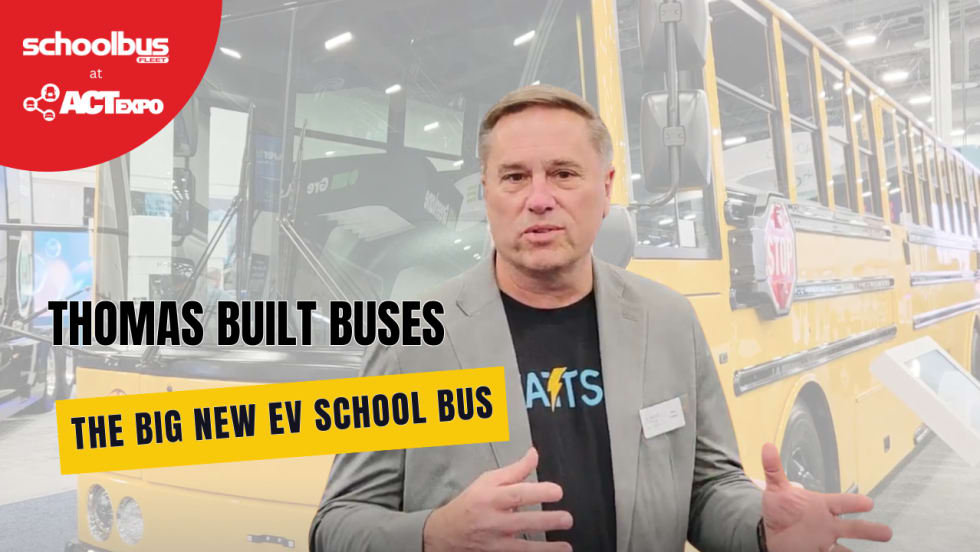
Wattson: Thomas Built’s Largest EV School Bus Yet
Check in with Mark Childers on the new Wattson Type D electric school bus, featuring faster charging, expanded passenger capacity, and advanced safety technology.
Read More →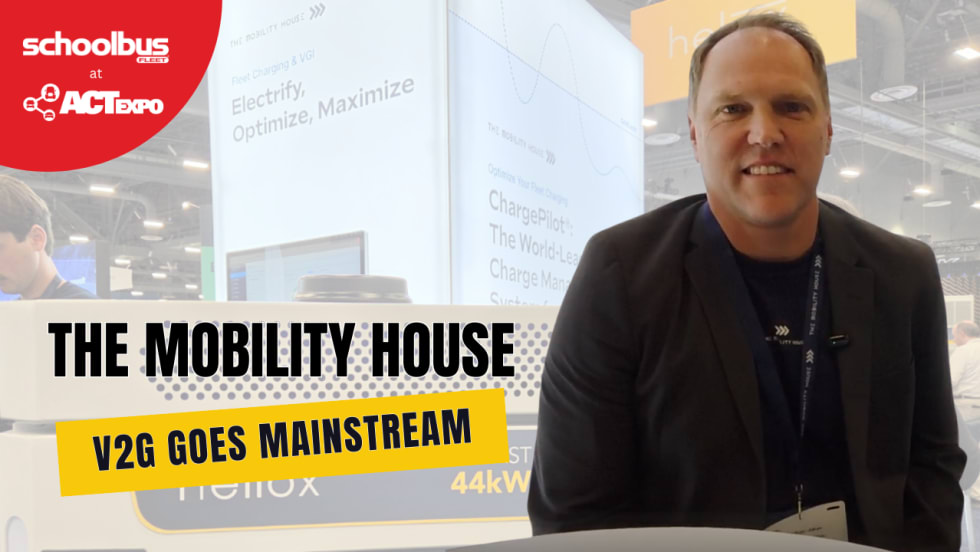
The New Era of Electric School Buses: V2G, Bidirectional Chargers & More
The Mobility House discusses AI-powered charging, vehicle-to-grid technology, smart energy management, and the next phase of school bus electrification.
Read More →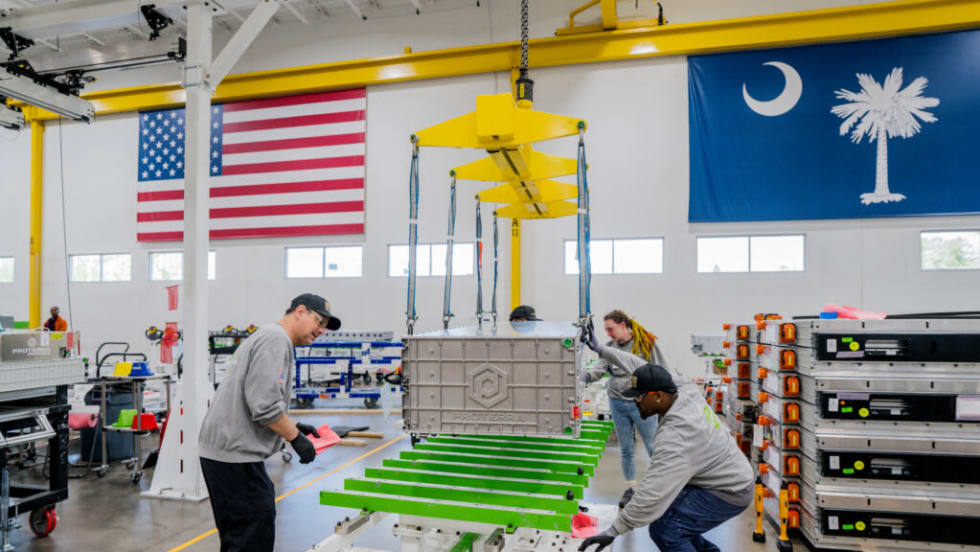
Now Made in America: Proterra Turns to U.S.-Built EV Batteries
Proterra announced a new U.S.-sourced battery cell option for its Onyx platform, boosting domestic content by more than 600% and strengthening EV supply chain resilience for commercial vehicle OEMs.
Read More →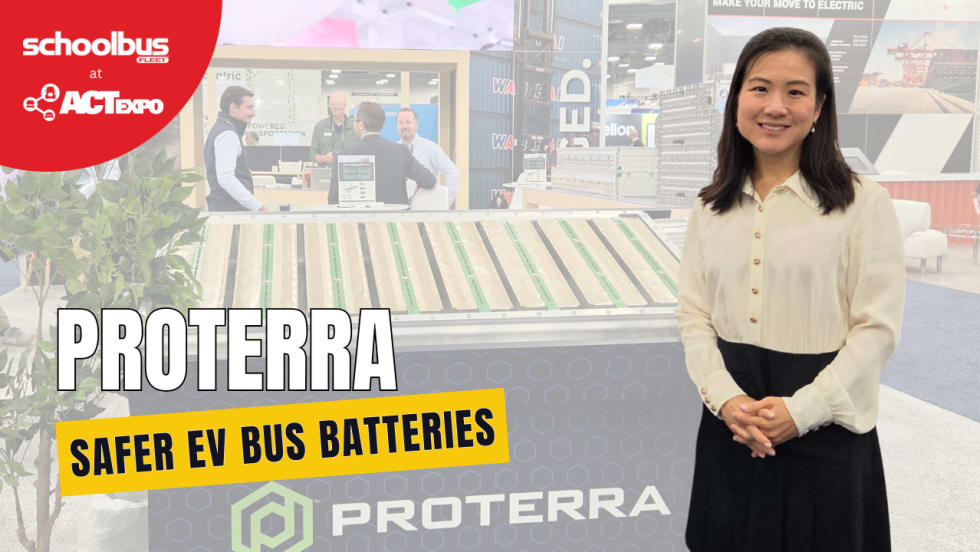
A Look at the Battery Technology Powering Electric School Buses
Check in with Proterra on next-generation EV battery technology for school buses, including safety innovations, predictive diagnostics, EPA 2027 readiness, and the future of transportation from ACT Expo.
Read More →