



Pupil presses for school bus idling reduction
After noticing buses running for long periods of time in front of his middle school, Daniel Speers set out to show the effects of the exhaust. His campaign convinced the board of education to post anti-idling signs at all schools in the district.


After noticing buses running for long periods of time in front of his middle school, Daniel Speers set out to show the effects of the exhaust. His campaign convinced the board of education to post anti-idling signs at all schools in the district.
This article was submitted by Leslie Sheldon, operations manager for Connecticut school bus contractor All-Star Transportation.
WATERBURY, Conn. — A middle school pupil’s independent study project on school bus idling has caught the attention of the board of education as well as local school transportation providers.
Daniel Speer’s project, with the mentoring of teacher Richard Atkins from the Talented and Gifted program, started months ago. Each morning, Daniel and his mom would drop his sister off at Wilby High School and wait in the nearby parking lot of North End Middle School for the doors to open for Daniel to start his academic day.
Day after day, he would watch school buses running for extensive periods of time while waiting to start their next route. Daniel didn’t like what he saw or what he was breathing when he exited his mom’s car to enter his school, so he decided to do something about it.
Daniel did numerous studies over the winter months to determine the impact that the diesel exhaust was having on his school environment. He conducted many tests and did his homework. His results were alarming on the extent of the effects that diesel fumes can have on him, his peers and the environment.
He set his course of action into educating the Waterbury school bus drivers and school administrators of the dangers of excessive idling and the laws that are in place to minimize it. State law allows school buses to idle for no longer than three minutes, with some exceptions. Violators can face fines up to $500.
Daniel contacted the Connecticut Department of Environmental Protection (DEP), which supplied him with posters and brochures on the law to hand out. He was also informed that schools can get idling signs from the DEP to post in their yards.
He has personally delivered the flyers to North End Middle School drivers. His teacher Mr. Atkins said that since Daniel has handed out the flyers, he has noticed a substantial difference in buses being shut down now while waiting to load in the afternoon.
Daniel presented his project to the Waterbury Board of Education in early June. The board decided to get the idling signs up at Daniel’s school as well as every other school in the district.
School bus transportation providers can learn from Daniel and educate the professionals behind the wheel to shut their vehicle off after three minutes. After all, it is the law!
More Alternative Fuels
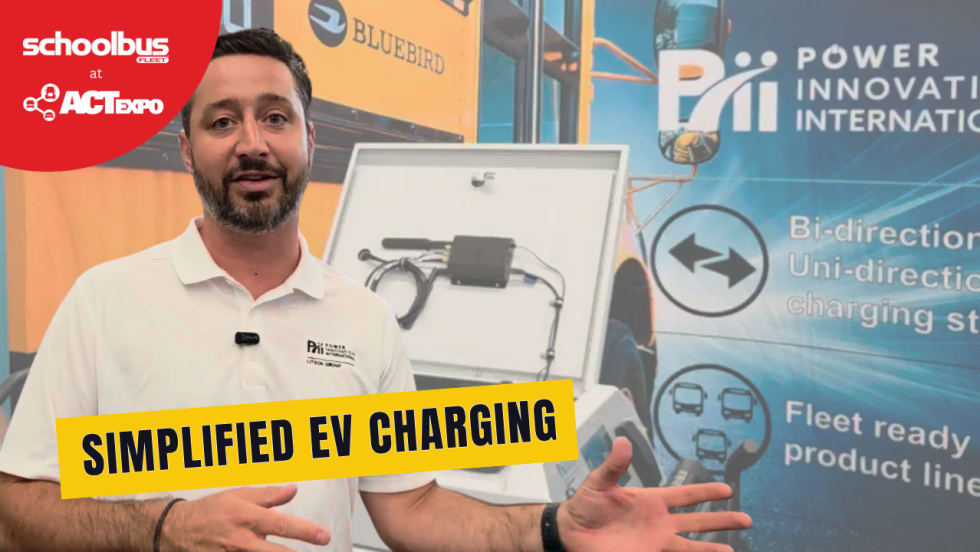
A Solution Helping School Buses Charge Without Major Infrastructure Upgrades
Power Innovations International dishes on its EV charging technology designed to reduce infrastructure barriers, improve reliability, and support V2G applications for school bus fleets.
Read More →
New Eagle Launches All-in-One EV Control Platform
The new OpenECU NX3 platform integrates charging and vehicle controls into a single platform, with support for megawatt charging and vehicle-to-grid technologies.
Read More →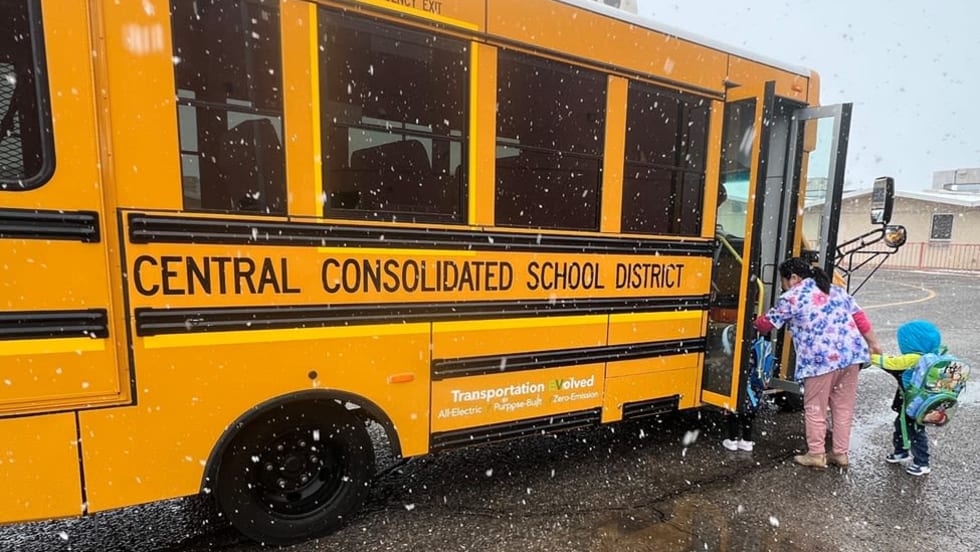
GreenPower Unveils New Heating Solution for Type A Bus
The all-electric bus manufacturer's new product aims to eliminate cold-cabin issues on its Nano BEAST zero-emission school buses operating in cold climates.
Read More →
Alt-Fuel Moves: Fleets Plug In for the Long Haul
School districts across the U.S. are moving electric school bus plans into operation, with new fleet deployments, charging infrastructure, and long-term electrification partnerships taking shape.
Read More →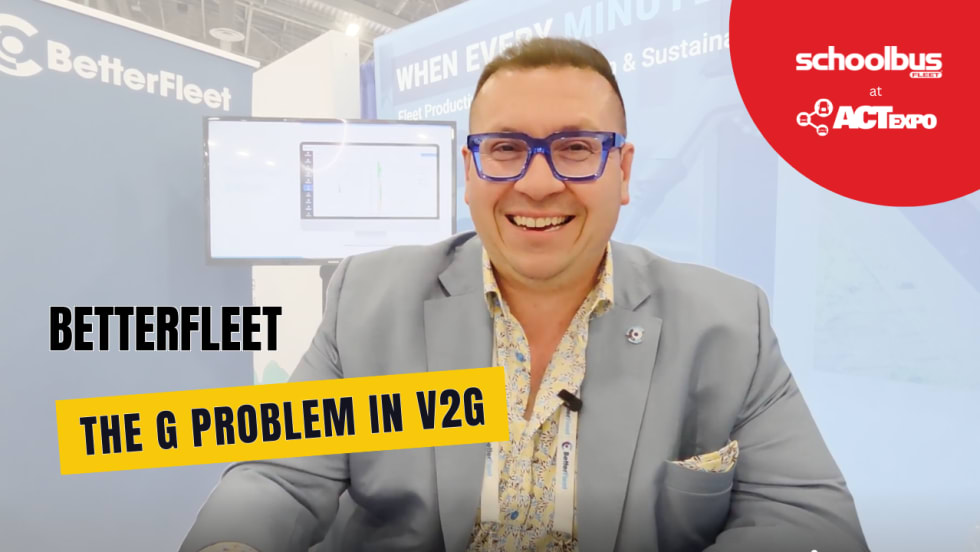
The Achilles Heel of School Bus Electrification: BetterFleet’s Take
BetterFleet’s managing partner discusses AI-powered EV fleet management, vehicle-to-grid challenges, and the real challenges in bus electrification today, from ACT Expo.
Read More →
You're On Your Own to Pick a Drivetrain [Op-Ed]
After years of federal pressure toward electric school buses, districts are suddenly being told to choose their own path. Let’s explore the risks, realities, and politics behind school bus drivetrain decisions.
Read More →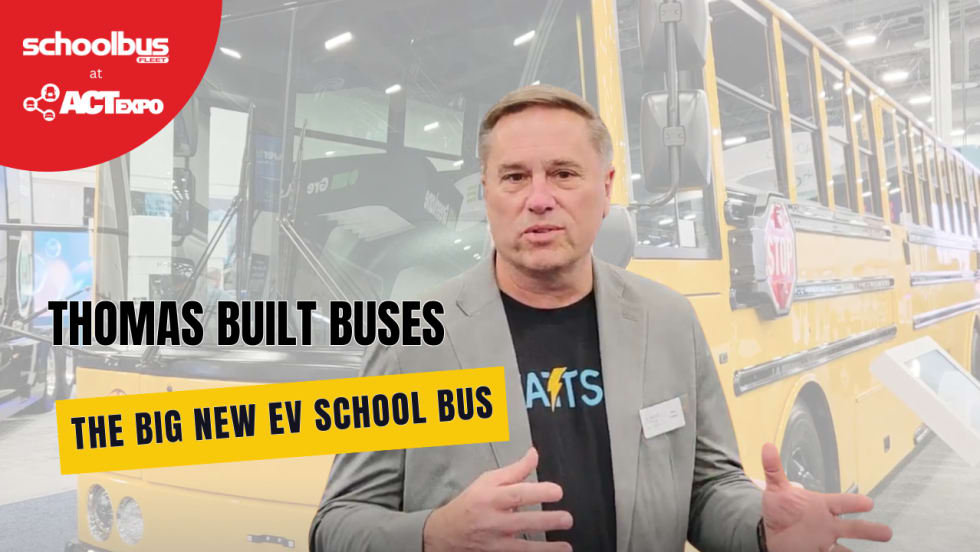
Wattson: Thomas Built’s Largest EV School Bus Yet
Check in with Mark Childers on the new Wattson Type D electric school bus, featuring faster charging, expanded passenger capacity, and advanced safety technology.
Read More →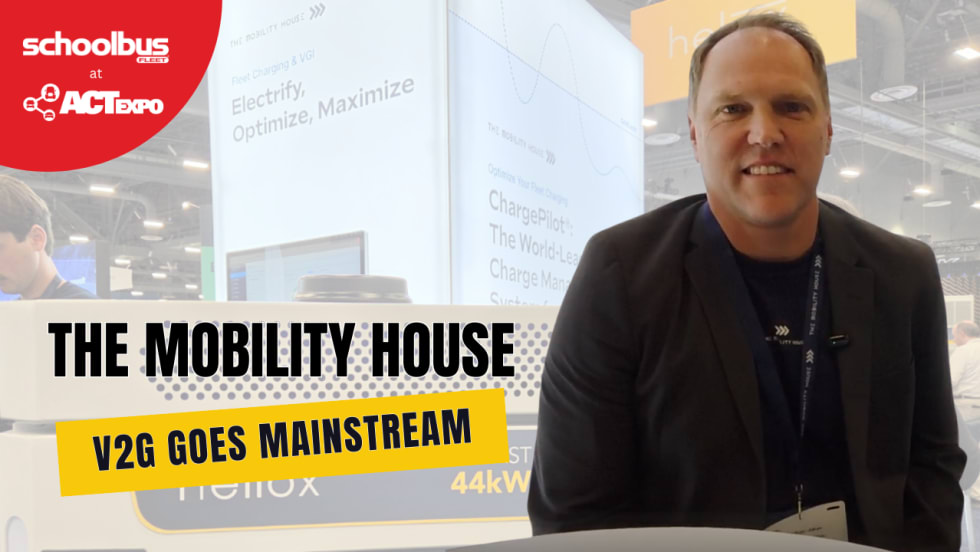
The New Era of Electric School Buses: V2G, Bidirectional Chargers & More
The Mobility House discusses AI-powered charging, vehicle-to-grid technology, smart energy management, and the next phase of school bus electrification.
Read More →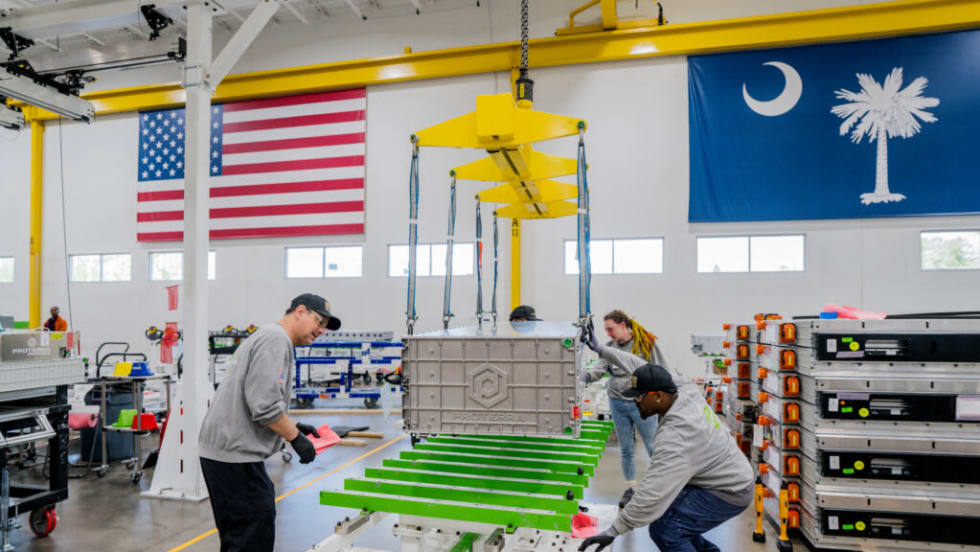
Now Made in America: Proterra Turns to U.S.-Built EV Batteries
Proterra announced a new U.S.-sourced battery cell option for its Onyx platform, boosting domestic content by more than 600% and strengthening EV supply chain resilience for commercial vehicle OEMs.
Read More →
A Look at the Battery Technology Powering Electric School Buses
Check in with Proterra on next-generation EV battery technology for school buses, including safety innovations, predictive diagnostics, EPA 2027 readiness, and the future of transportation from ACT Expo.
Read More →