


Freightliner reduces carbon footprint with “green” efforts
The chassis manufacturer began participating in the Zero Waste to Landfill program in 2007 and became 100 percent landfill waste-free last month. Employees have also implemented recycling programs, and the company has produced several alternative-fueled chassis in recent years.

GAFFNEY, S.C. — Exemplifying one of its numerous efforts to become an environmentally friendly company, Freightliner Custom Chassis Corp. (FCCC) has achieved Zero Waste to Landfill status.
FCCC, which builds the chassis for the Thomas Built Buses Saf-T-Liner C2 school bus, went from disposing 250,000 pounds per month of solid waste in 2007 to disposing zero pounds last month as a result of environmental efforts implemented at its facility.
The Zero Waste to Landfill directive was initiated by Daimler AG to reduce the carbon footprint of manufacturing facilities under the Daimler umbrella. FCCC’s manufacturing facility was chosen as the pilot site for the Zero Waste to Landfill program by FCCC parent company Daimler Trucks North America (DTNA). The goal of the program was for the FCCC facility to become 100 percent landfill waste-free by 2010.
“Freightliner Custom Chassis Corp. easily surpassed our corporate goal by realizing Zero Waste to Landfill status three months earlier than our original January 2010 target date,” said Roger Nielsen, chief operating officer of DTNA. “FCCC was able to achieve these results by the continued efforts and diligence of all employees within the company, and we continue to seek ways to reduce our environmental impact in our facility and through our products and alternative-fuel efforts.”
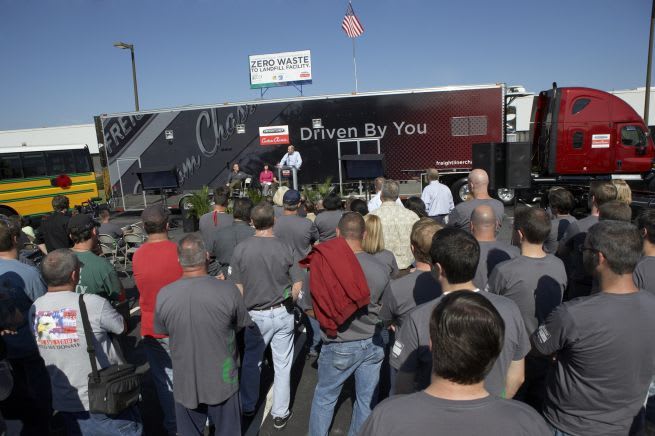
Nielsen, pictured at the podium in the photo, congratulated FCCC employees on their accomplishments and added that efforts undertaken by FCCC will be used as an environmental blueprint to be implemented at other DTNA facilities.
The FCCC facility recycles materials such as plastic, paper, aluminum, cardboard, metals, wood and nylon. Moreover, the company developed a “Green Team” that includes employees who are committed to reducing the company and community’s carbon footprint. The Green Team was integral to the success of the Zero Waste to Landfill program, implementing and improving recycling programs and communicating these efforts and accomplishments with other employees.
For instance, to help easily identify and separate waste materials for recycling, the Green Team developed the Environmental Team SharePoint portal on the company’s intranet site. The portal provided all employees with access to information to simplify recycling efforts, as well as updates on Zero Waste to Landfill efforts. The team also encouraged suppliers and vendors to use returnable and recyclable packaging, and worked to identify inefficiencies in the facility, such as air leaks and overages in electricity and water usage.
The Zero Waste to Landfill initiative is also in line with FCCC’s alternative-fueled chassis models. In March, the company introduced the hydraulic hybrid, built on the MT-55 walk-in van chassis. FCCC also manufactures compressed natural gas commercial vehicle chassis and hybrid-electric vehicle chassis to the walk-in van market.
In 2008, FCCC introduced the hybrid-electric ecoFRED chassis for the motor home industry and the MB-HEV hybrid-electric commercial bus chassis.
More Alternative Fuels
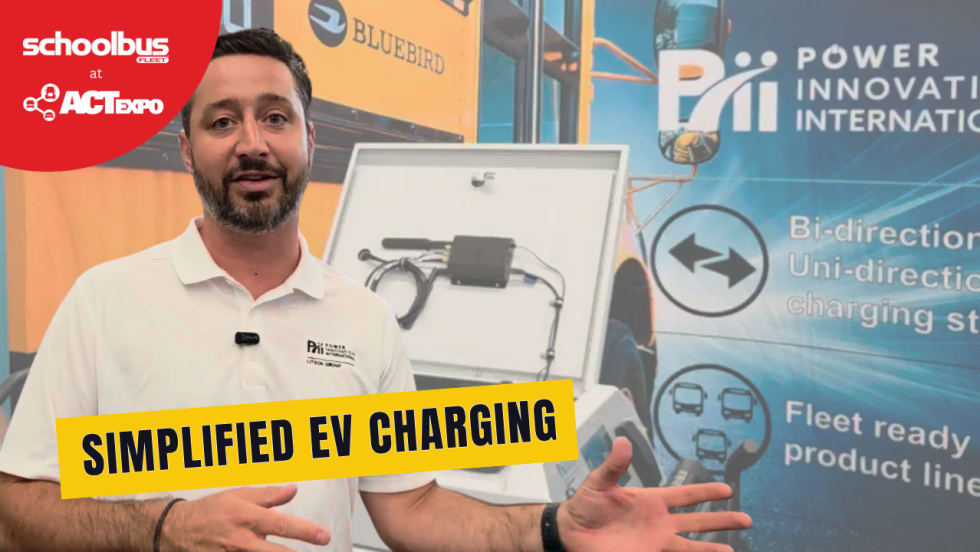
A Solution Helping School Buses Charge Without Major Infrastructure Upgrades
Power Innovations International dishes on its EV charging technology designed to reduce infrastructure barriers, improve reliability, and support V2G applications for school bus fleets.
Read More →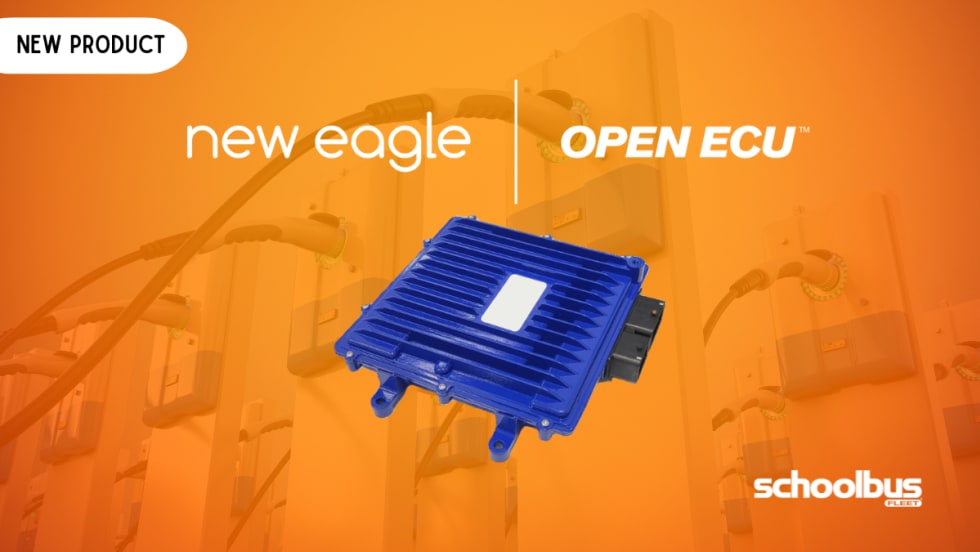
New Eagle Launches All-in-One EV Control Platform
The new OpenECU NX3 platform integrates charging and vehicle controls into a single platform, with support for megawatt charging and vehicle-to-grid technologies.
Read More →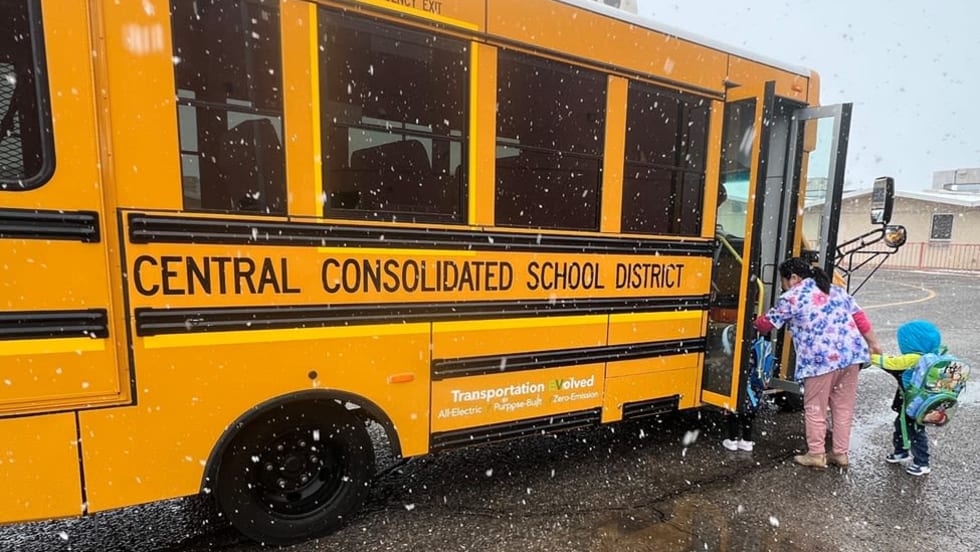
GreenPower Unveils New Heating Solution for Type A Bus
The all-electric bus manufacturer's new product aims to eliminate cold-cabin issues on its Nano BEAST zero-emission school buses operating in cold climates.
Read More →
Alt-Fuel Moves: Fleets Plug In for the Long Haul
School districts across the U.S. are moving electric school bus plans into operation, with new fleet deployments, charging infrastructure, and long-term electrification partnerships taking shape.
Read More →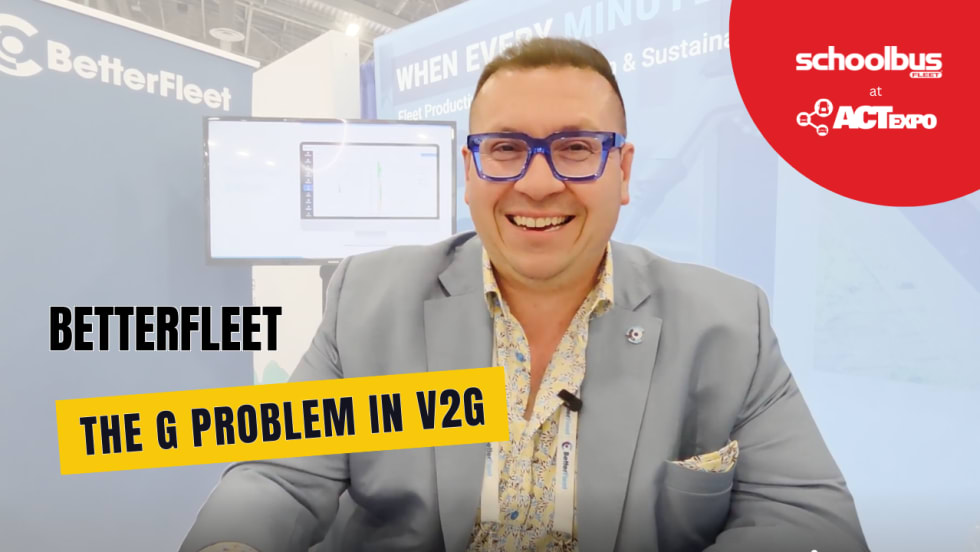
The Achilles Heel of School Bus Electrification: BetterFleet’s Take
BetterFleet’s managing partner discusses AI-powered EV fleet management, vehicle-to-grid challenges, and the real challenges in bus electrification today, from ACT Expo.
Read More →
You're On Your Own to Pick a Drivetrain [Op-Ed]
After years of federal pressure toward electric school buses, districts are suddenly being told to choose their own path. Let’s explore the risks, realities, and politics behind school bus drivetrain decisions.
Read More →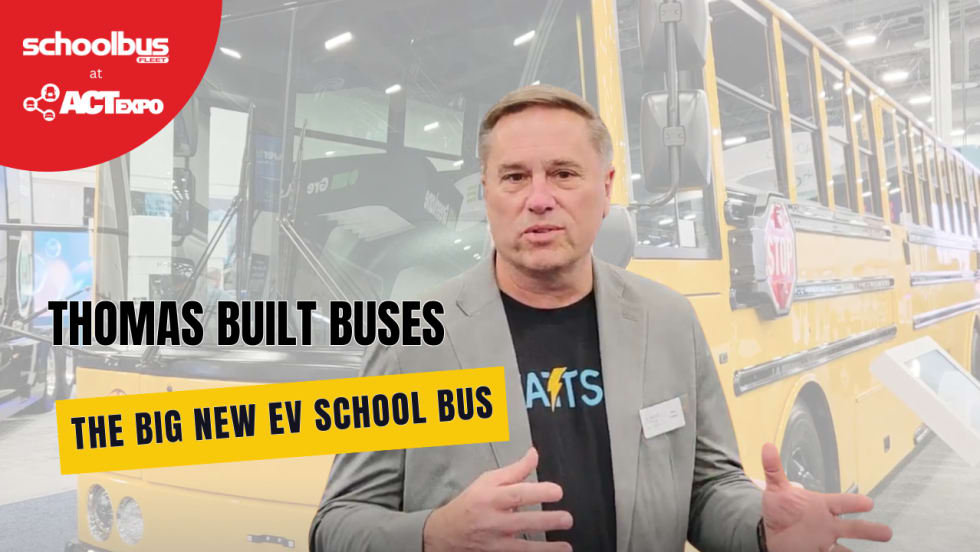
Wattson: Thomas Built’s Largest EV School Bus Yet
Check in with Mark Childers on the new Wattson Type D electric school bus, featuring faster charging, expanded passenger capacity, and advanced safety technology.
Read More →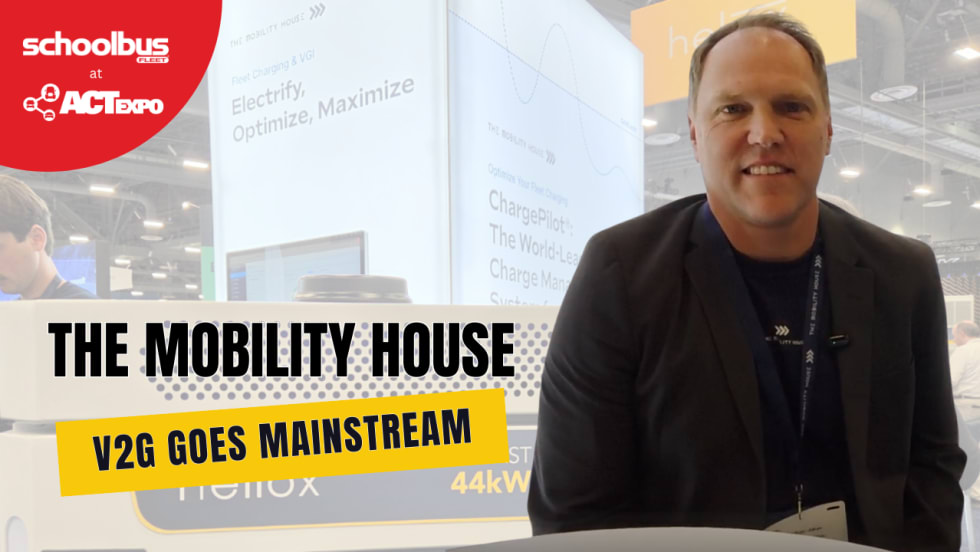
The New Era of Electric School Buses: V2G, Bidirectional Chargers & More
The Mobility House discusses AI-powered charging, vehicle-to-grid technology, smart energy management, and the next phase of school bus electrification.
Read More →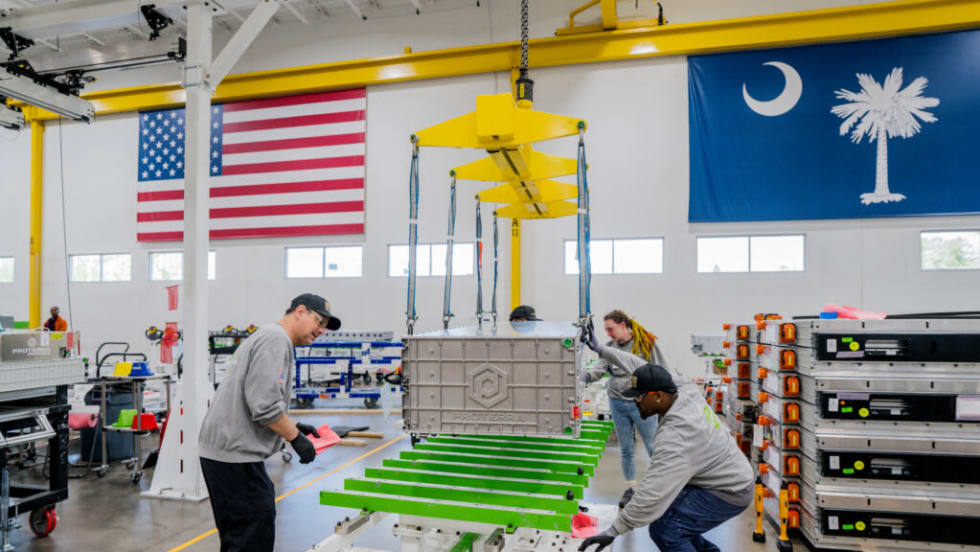
Now Made in America: Proterra Turns to U.S.-Built EV Batteries
Proterra announced a new U.S.-sourced battery cell option for its Onyx platform, boosting domestic content by more than 600% and strengthening EV supply chain resilience for commercial vehicle OEMs.
Read More →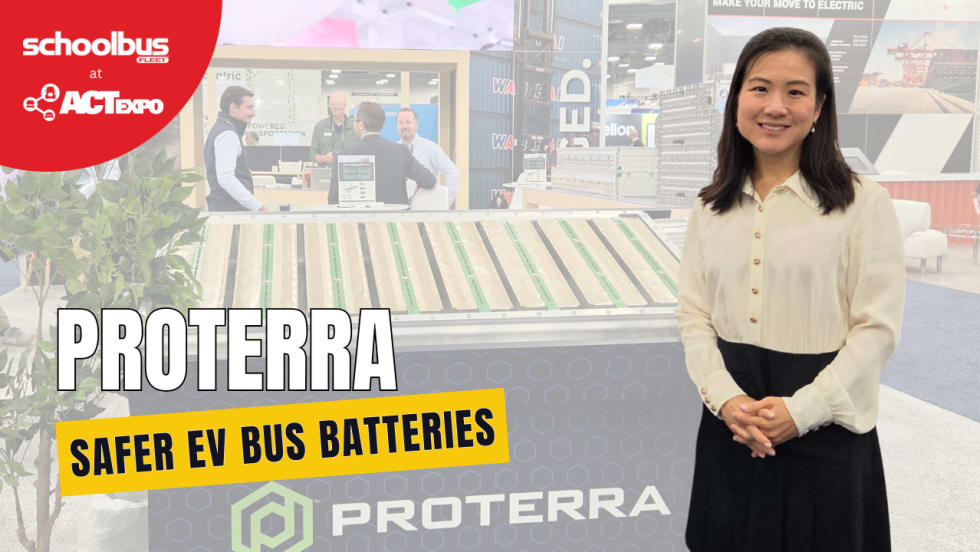
A Look at the Battery Technology Powering Electric School Buses
Check in with Proterra on next-generation EV battery technology for school buses, including safety innovations, predictive diagnostics, EPA 2027 readiness, and the future of transportation from ACT Expo.
Read More →