



School bus operations report benefits of biodiesel
The National Biodiesel Board says that operations across the country are running their buses on the fuel and are seeing a reduction in operating costs, strong fuel performance and environmental benefits....


Medford Township (N.J.) Public Schools has been running its buses on B20 biodiesel since 1997.
JEFFERSON CITY, Mo. — Numerous school bus operations around the country are reaping the benefits of powering their buses with biodiesel, according to the National Biodiesel Board (NBB).
Hays (Kan.) Unified School District 489 is one such operation. NBB reported that the district was the first in the state to switch to a biodiesel blend in its 35 buses in 2003. Since then, other Kansas districts have followed suit, and the Kansas State Pupil Transportation Association has demonstrated support for the fuel as well. In June, the association hosted its annual summer symposium and school bus driver safety competition — the buses used in the competition were powered with B20 biodiesel.
Medford Township (N.J.) Public Schools began running its buses on B20 biodiesel in 1997. Joe Biluck, director of operations and technology for the district, said that the fuel has performed well, even in temperatures as low as 11 degrees below zero.
The district has reportedly consumed more than 615,000 gallons of B20 and reduced the overall cost of its fleet operations by $80,000 over 10 years.
Schoolchildren in the Chicago area have ridden biodiesel-powered school buses since 2005. School bus company Cook-Illinois Corp. operates more than 2,000 buses in the area and views biodiesel as a “win-win situation.”
“Students and parents rely on us every day to get their children to and from school safely,” said John Benish Jr., chief operating officer of Cook-Illinois Corp. “Our feeling is why not use a fuel that's better for the environment, better for the students and helps Illinois farmers?”
Finally, The Potomac School in Arlington, Va., uses a biodiesel blend in its 39 buses and in its maintenance equipment. Shop Foreman Dwaine Cunningham said that the fuel’s lubricating qualities have protected the vehicles' injectors.
Biodiesel’s benefits include a reduction in particulate matter, carbon monoxide and unburned hydrocarbons, which contribute to the formation of smog. Biodiesel emissions also reduce potential cancer-causing compounds by 80 to 90 percent, according to NBB.
Moreover, biodiesel is nontoxic and biodegradable, and the fuel is compatible with any diesel engine, requiring few or no modifications.
More Alternative Fuels
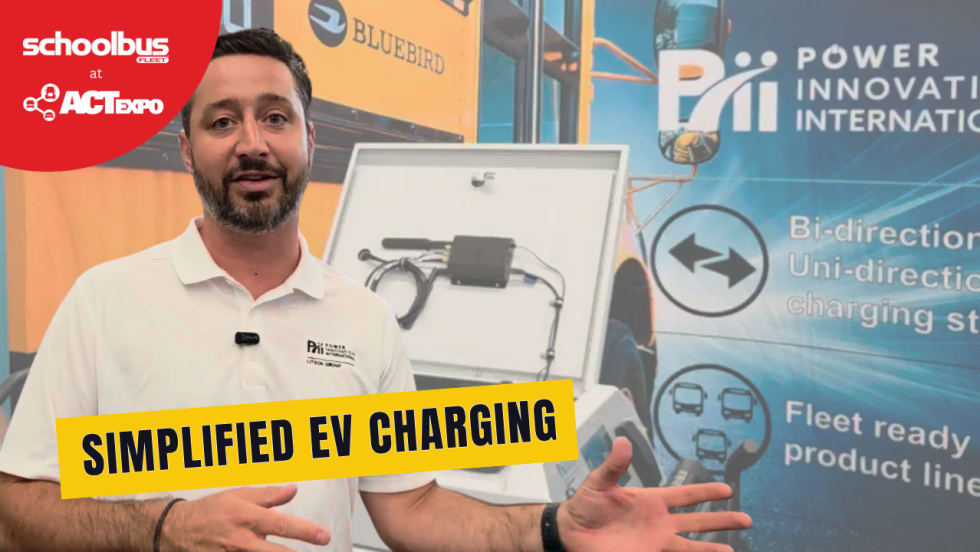
A Solution Helping School Buses Charge Without Major Infrastructure Upgrades
Power Innovations International dishes on its EV charging technology designed to reduce infrastructure barriers, improve reliability, and support V2G applications for school bus fleets.
Read More →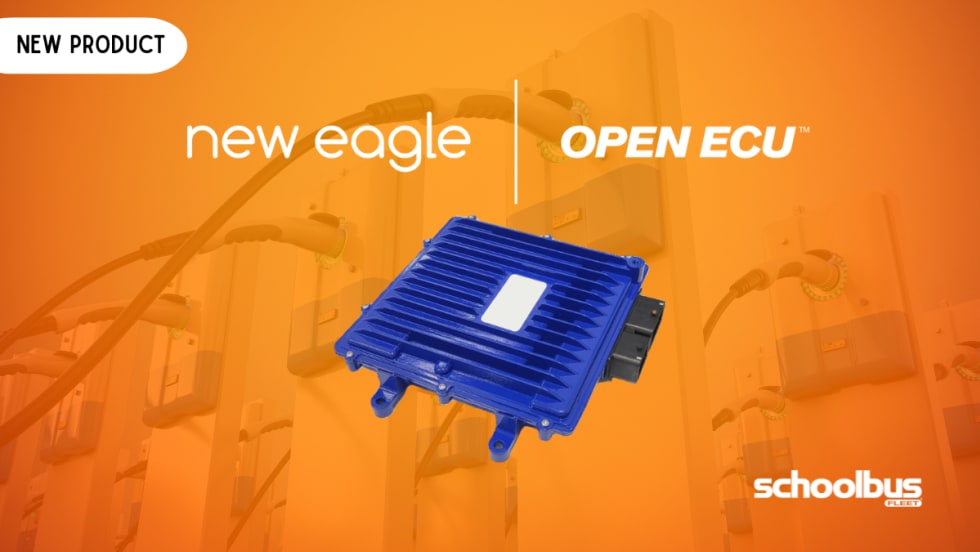
New Eagle Launches All-in-One EV Control Platform
The new OpenECU NX3 platform integrates charging and vehicle controls into a single platform, with support for megawatt charging and vehicle-to-grid technologies.
Read More →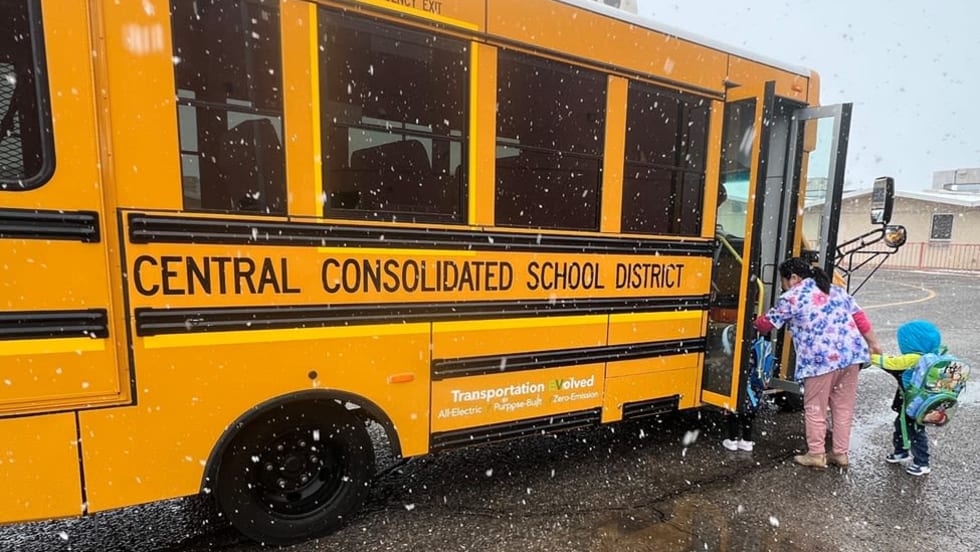
GreenPower Unveils New Heating Solution for Type A Bus
The all-electric bus manufacturer's new product aims to eliminate cold-cabin issues on its Nano BEAST zero-emission school buses operating in cold climates.
Read More →
Alt-Fuel Moves: Fleets Plug In for the Long Haul
School districts across the U.S. are moving electric school bus plans into operation, with new fleet deployments, charging infrastructure, and long-term electrification partnerships taking shape.
Read More →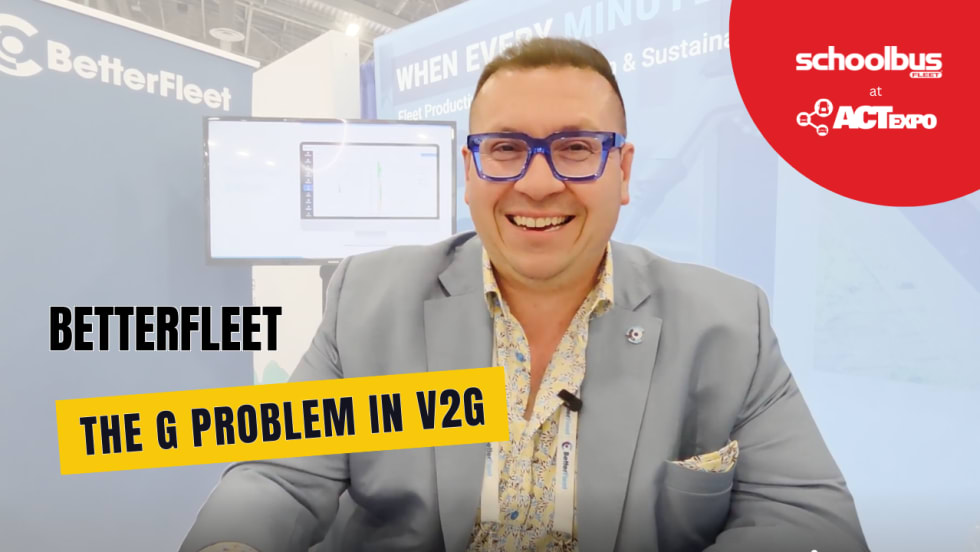
The Achilles Heel of School Bus Electrification: BetterFleet’s Take
BetterFleet’s managing partner discusses AI-powered EV fleet management, vehicle-to-grid challenges, and the real challenges in bus electrification today, from ACT Expo.
Read More →
You're On Your Own to Pick a Drivetrain [Op-Ed]
After years of federal pressure toward electric school buses, districts are suddenly being told to choose their own path. Let’s explore the risks, realities, and politics behind school bus drivetrain decisions.
Read More →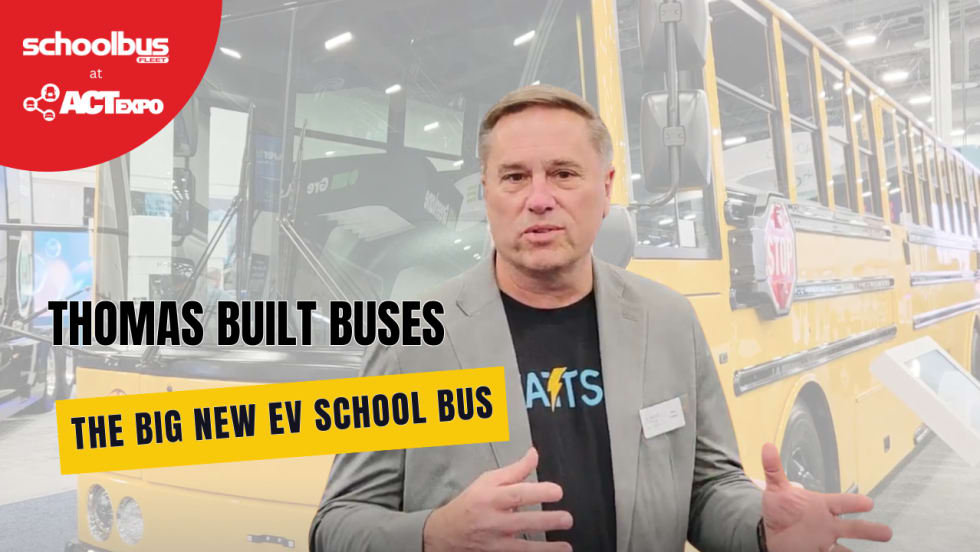
Wattson: Thomas Built’s Largest EV School Bus Yet
Check in with Mark Childers on the new Wattson Type D electric school bus, featuring faster charging, expanded passenger capacity, and advanced safety technology.
Read More →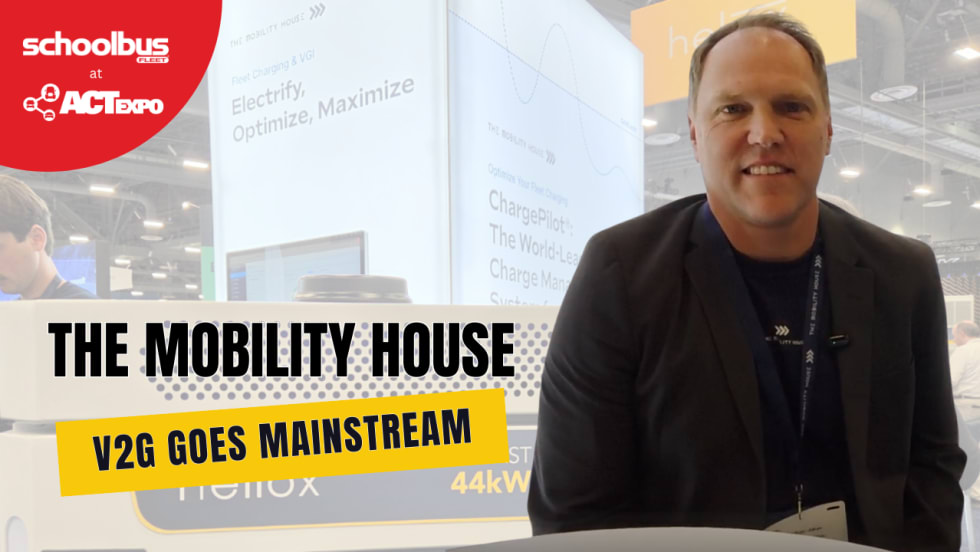
The New Era of Electric School Buses: V2G, Bidirectional Chargers & More
The Mobility House discusses AI-powered charging, vehicle-to-grid technology, smart energy management, and the next phase of school bus electrification.
Read More →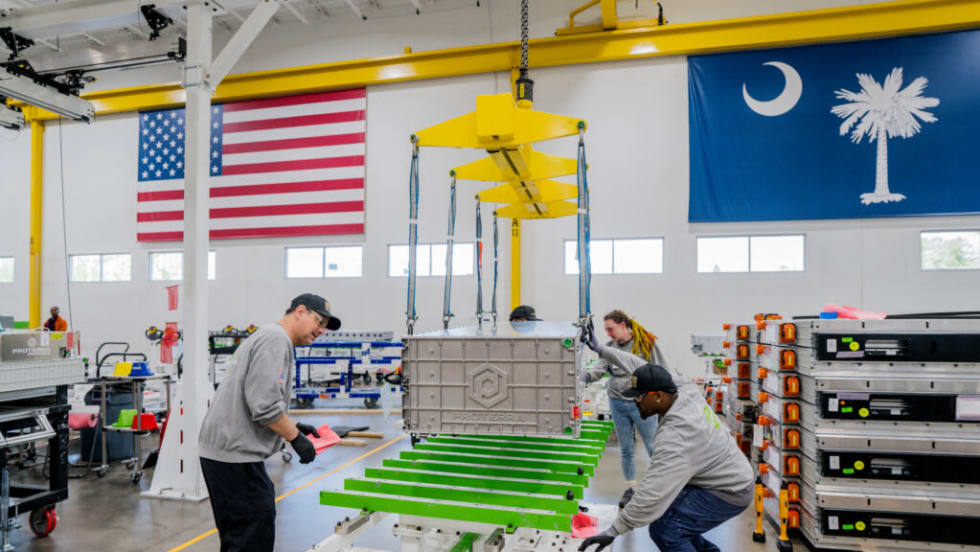
Now Made in America: Proterra Turns to U.S.-Built EV Batteries
Proterra announced a new U.S.-sourced battery cell option for its Onyx platform, boosting domestic content by more than 600% and strengthening EV supply chain resilience for commercial vehicle OEMs.
Read More →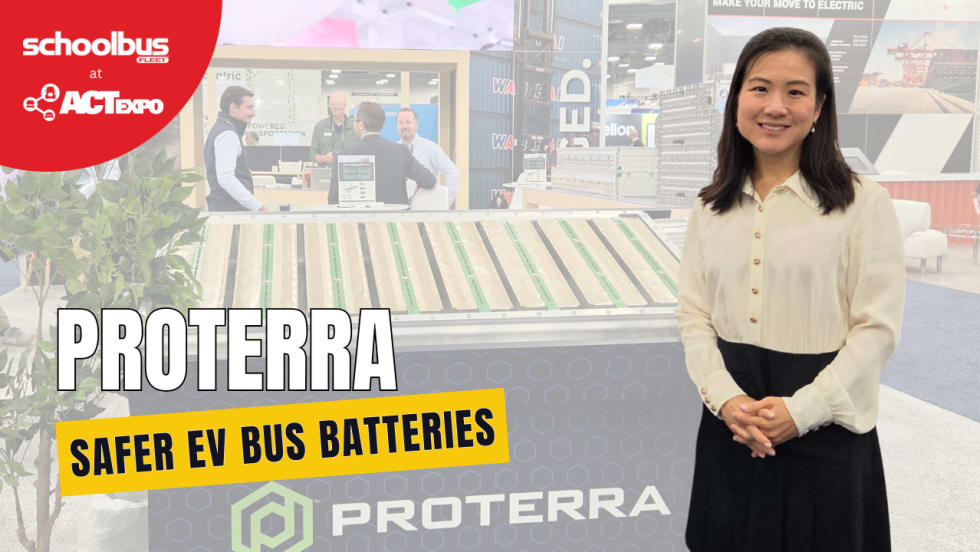
A Look at the Battery Technology Powering Electric School Buses
Check in with Proterra on next-generation EV battery technology for school buses, including safety innovations, predictive diagnostics, EPA 2027 readiness, and the future of transportation from ACT Expo.
Read More →